

REVIEW · WALKING TOURS
Amsterdam: Haunted History and Ghost Walking Tour
A dark walk in Amsterdam feels different. This haunted history tour strings together the city’s witch-trial-era fear, prison sorrow, and Enlightenment curiosities in just two hours. I like that it starts at Dam Square and moves through real places you can still see today, not generic spooky talk.
What I really love is the storytelling tone, funny when it can be, grim when it has to be. You’ll hear about the Spinhuis women’s prison, then step into quieter corners like the Begijnhof courtyard, where the mood shifts fast.
One drawback to keep in mind: it leans more toward history plus eerie tales than nonstop jump-scare “ghost hunting.” If you want maximum scares, you may find yourself wanting a bit more supernatural emphasis, depending on your guide.
Key Highlights Worth Showing Up For
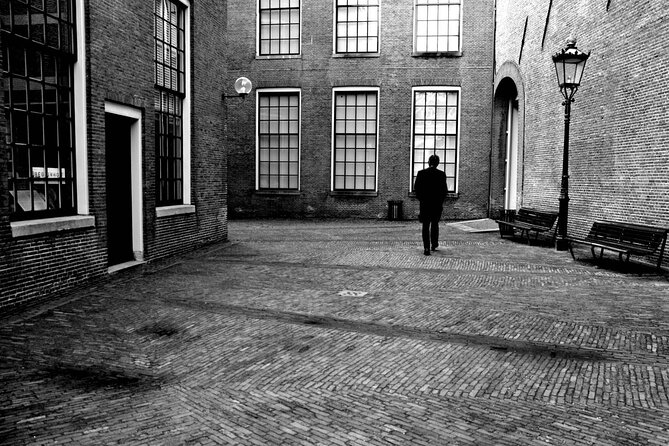
- Dam Square as the launch point, so you start grounded in the city center
- Nieuwe Kerk crypts and vaults, where royal ceremonies and burial sites meet
- Spinhuis women’s prison stories, with the emotional weight turned up
- Begijnhof nun tale in a still courtyard, a nice contrast to the darker stops
- Blood Street’s violence and cobblestones, the kind of alley you look at differently afterward
- The Waag’s Purgatory of the Waag, science-era mortality with a spooky edge
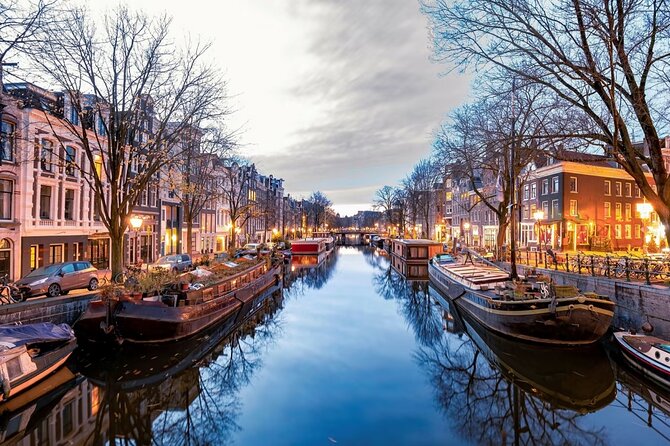
Amsterdam at street level, a few more routes
Finding the Tour at Dam Square, Hotel Krasnopolsky
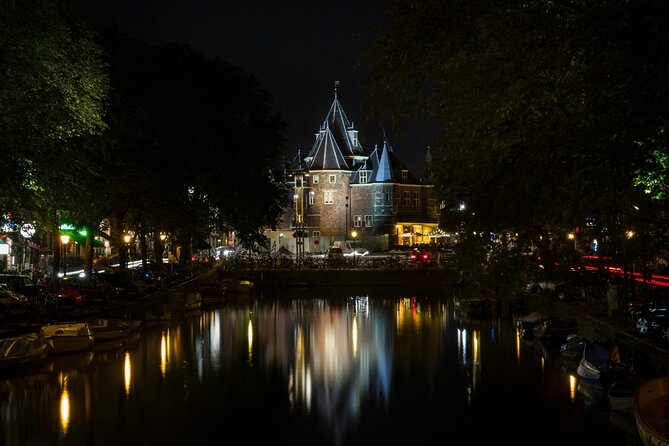
You’ll meet in front of Hotel Krasnopolsky, behind the monument at Dam Square. That’s a good setup. Dam Square is easy to find, and it means you begin with the same sights most first-time visitors see, then your guide guides you toward the lesser-known corners.
Because this is a walking tour, plan for a steady pace. It’s 2 hours total, so there is no time for wandering off. Bring a warm layer, and if you travel in cooler months, have rain gear ready too. A couple of guests mentioned the cold and wet, but the tour still ran and stayed engaging.
The tour is in English with a live guide and storyteller. You’re paying for a narrative, not museum time. Expect your stops to be short and your walking to be the main rhythm. Also, this route includes uneven streets, so wear supportive shoes.
Dam Square to the Nieuwe Kerk: Vaults, Crypts, and Royal Echoes
The tour kicks off at Dam Square, then your first big stop is the Nieuwe Kerk. This is one of those Amsterdam churches that works on multiple levels: it can feel ceremonial and grand, but it also connects to the darker parts of how the city handled power and mortality.
At the Nieuwe Kerk, the stories focus on crypts and vaults, plus the mix of royal ceremonies and quieter, underground realities. The emotional trick here is smart. Even if you’re not a church person, you still get the point, Amsterdam used religion, politics, and burial practices together. That makes the spooky parts feel less like theater and more like a historical consequence.
Practical tip: even if the outside looks calm, pay attention to what the guide points out about location and design. A lot of the atmosphere comes from how these spaces were built and how people moved through them over centuries.
Spinhuis Women’s Prison: How Sorrow Became Architecture

As dusk approaches, the walk turns heavier with the Spinhuis. This was a women’s prison, and the tour’s focus is on the sorrow and despair tied to incarceration and punishment.
You’ll hear the grim backstory while you stand in the area and absorb how the building’s purpose shaped the lives inside. This is where many people come for the “ghost” part, but it’s handled as haunted history, not fantasy. The guide paints the emotional landscape, then anchors it to the structure and the place.
If you like your tours honest about cruelty, you’ll probably rate this stop highly. The storytelling makes it feel like time compresses. One minute you’re in a normal street view, the next you’re thinking about what those walls meant for someone trapped there.
If you’re sensitive to heavy topics, mentally prepare yourself for prison stories. You’re not visiting a prison museum, but you are being pointed toward the human reality behind the legend.
More chapters of old Amsterdam, told on foot
- Amsterdam Food and Cultural Tour with Tastings★ 5.0 · 2,442 reviews
- Amsterdam High-End Dutch Food & History Tour – Up to 8 guests★ 5.0 · 482 reviews
- Amsterdam: Historic City Sightseeing Canal Cruise★ 4.5 · 444 reviews
- Anne Frank and the Jewish History of Amsterdam Private Tour★ 5.0 · 307 reviews
Begijnhof Courtyard and the Nun’s Silent Penance
After the Spinhuis mood, the Begijnhof courtyard provides a sharp contrast. It’s a peaceful interior space in the city, the kind of location that naturally lowers your voice. That’s exactly why the nun story lands so well.
The tour tells a tragic tale about a nun condemned to wander in silence for breaking her vows. The mood is quiet enough that the story sounds closer to a whisper than a lecture. You’re asked to listen for faint echoes in your imagination, which is a fun trick, but it’s also tied to why courtyard spaces feel haunted even when nothing is happening.
I like this stop because it’s not just spooky color. It’s also about how religious discipline shaped daily life. The Begijnhof isn’t just a background set for a ghost story. It’s a real place where the city once organized community and belief.
Practical tip: take a moment before the guide starts the key part of the tale. Look around. Courtyard lines and enclosed spaces make stories stick.
Blood Street Cobblestones: Violence and the City’s Dark Side
Then you step into Blood Street. Even the name makes you raise your eyebrows, and the tour uses that reaction to set the tone. This is described as an alley where centuries of violence and despair echo through the cobblestones.
The stories here center on murder and mayhem, and the guide does a good job connecting the legend to the street itself. That matters. If you only hear scary stories without place context, the fear fades. But if you see how narrow the street is, how it channels movement, and how long it’s been there, the stories start to feel plausible.
If your travel style is architectural curiosity plus human drama, Blood Street is likely a highlight. It’s not about supernatural proof. It’s about the way cities keep receipts, in stone, in street plans, in the gaps between buildings.
Practical tip: slow down your steps slightly during this section. You’ll get more from it if you’re not rushing for the next stop. Also, cobblestones can be slippery, especially in wet weather.
The Purgatory of the Waag: When Enlightenment Turns Morbid
Your final stop brings you to the Purgatory of the Waag. This is a location where scientific curiosity collides with restless souls, specifically tied to dissected bodies during the Age of Enlightenment.
I find this stop especially smart for a few reasons. First, it turns a common “spooky history” trope into something uniquely Amsterdam. Second, it reframes horror as a part of intellectual history, when science was changing fast and ethics had not caught up. You get the creepy stories, but you also get context for why dissection and medical advancement happened in the first place.
If you think you only want ghosts, this might surprise you in a good way. If you’re more of a history-first traveler, you might like this even more. It’s morbid, yes, but it’s also about the era when people tried to explain the human body with reason, even when the process was brutal.
This is a natural end point, too. The walk has gone from public power to private punishment to silent vows to street violence, and then it closes with Enlightenment-era practicality turned grim.
How the Guides Bring It to Life, From Sunil to Jan
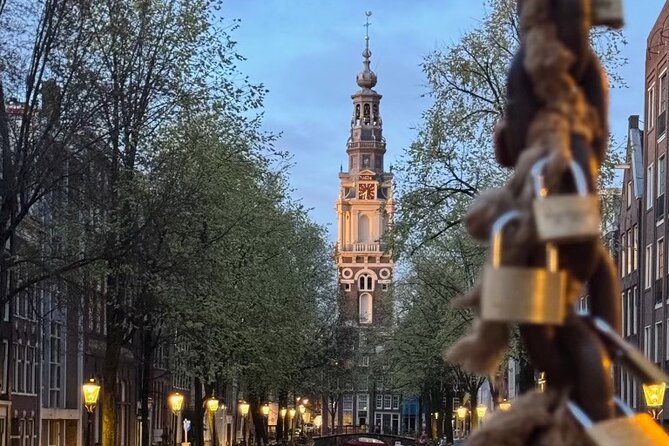
The tour’s biggest strength is the storytelling. Multiple guides were mentioned by name, including Sunil, Duncan, Jan, Martina, Julia, and Lola. The common thread is engagement: clear explanations, and humor that helps you stay relaxed during heavier material.
Some guides add extra layers. For example, one guide, Jan, used an iPad with contemporary photographs, paintings, and newspaper articles to support the stories. That’s a great bonus if you like evidence or want to connect what you hear to real visuals from the past.
Another useful detail: one guest noted that Duncan came across as a ghost skeptic. That doesn’t make the tour worse, but it does affect expectations. If your goal is maximum supernatural vibes, you might prefer a guide who leans more toward eerie atmosphere. If your goal is dark Amsterdam history with haunting flavor, a ghost skeptic style can still work well.
Either way, you’ll likely come away feeling like you saw parts of Amsterdam you wouldn’t find on your own, especially those backway routes between famous squares and quiet courtyards.
Price and Value: What $30 Buys for 2 Hours
At about $30 per person for a 2-hour walking tour, you’re paying for a guided narrative across multiple historic sites in the city center. You’re not paying for entrance tickets or food, and that’s fine. The value is in the connections: how one stop explains the next, and how the guide turns architecture and place names into story.
This is a good buy if you like concentrated experiences. You can cover major atmosphere without spending a full day scheduling museums. It’s also a solid option for your first or second day in Amsterdam, when you still want orientation help.
It’s not the best choice if you want a long sit-down lecture or a purely ghost-focused show. One guest summed it up as more history than a classic ghost tour. I agree with that mindset. Think dark stories plus place-based history, not Hollywood haunting.
Should You Book This Haunted History and Ghost Walking Tour?
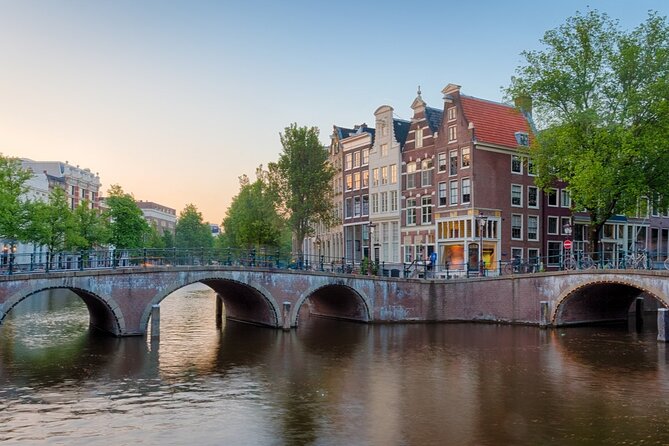
If you want a Halloween-feeling evening without giving up on real history, I’d book it. Start with Dam Square, then let the tour move you through prisons, courtyards, violent street legends, and Enlightenment morbid science. Even if you don’t buy every supernatural detail, the historical atmosphere is the point.
Book it especially if you:
- enjoy walking tours that connect multiple landmarks
- like dark stories told with humor and clarity
- want to see Amsterdam back streets and courtyards you might miss alone
Skip it if you:
- expect nonstop ghost sightings or extreme scares throughout
- want food included, because there’s no food or drinks on the schedule
- dislike heavy themes like incarceration and punishment
FAQ
FAQ
Where does the tour start?
You meet in front of Hotel Krasnopolsky, behind the monument at Dam Square.
How long is the tour?
The tour runs for 2 hours.
What’s the tour language?
The tour is offered in English.
How much does it cost?
The price is about $30 per person.
Is the tour mainly history or mainly ghosts?
It’s better to expect a mix of dark history and eerie storytelling. The ghost element is part of the presentation, but it can lean more history-focused depending on the guide.
What stops will I visit?
The route includes Dam Square, the Nieuwe Kerk, the Spinhuis, the Begijnhof, Blood Street, and ends at the Purgatory of the Waag.
What should I bring?
Wear comfortable shoes for a walking route. In cooler or wet weather, bring warm layers and rain protection.
Is food included?
No, food and drinks are not included.
Can I cancel if my plans change?
You can cancel up to 24 hours in advance for a full refund.
Amsterdam on Foot






More Tours in Amsterdam




More Tour Reviews in Amsterdam






Newly reviewed around Amsterdam




Walking Tours, side by side.
 ★ 5.0Anne Frank’s Story – Guided Walking Tour through AmsterdamFrom $3911,619 reviews
 ★ 4.8Life of Anne Frank and World War II Walking TourFrom $3710,467 reviews
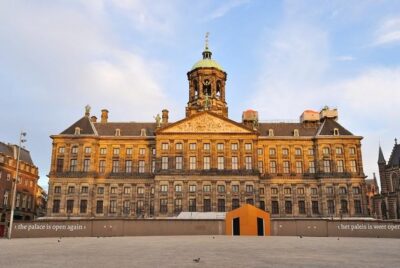 ★ 5.0Absolutely Amsterdam – the Essential Introductory Walking TourFrom $53,629 reviews
 ★ 4.8Anne Frank Guided Small Group Walking TourFrom $282,722 reviews
 ★ 4.9Anne Frank Walking Tour – Guided in EN/DE/IT/ESFrom $282,676 reviews
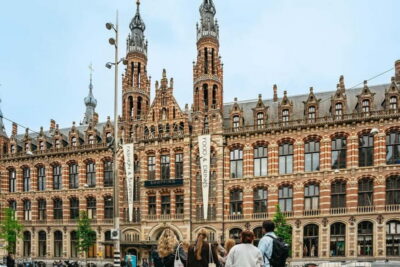 ★ 4.9Guided Cultural Walking TourFrom $292,384 reviews
 ★ 4.2Guided Ganja Walking Tour of Coffee ShopsFrom $272,092 reviews
 ★ 5.0Anne Frank Walking Tour Amsterdam Including Jewish Cultural QuarterFrom $751,879 reviews
More ways to plan this visit