
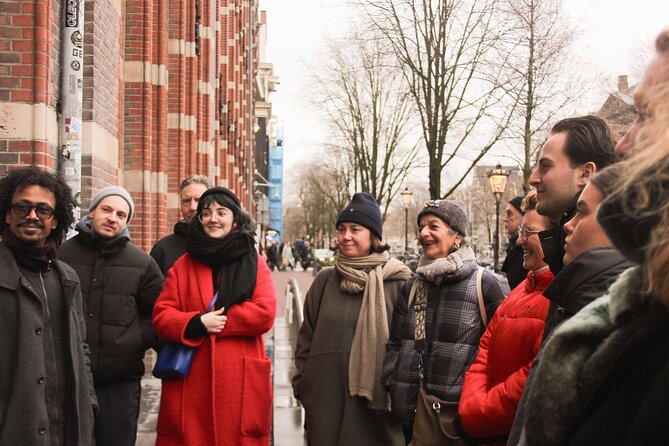
REVIEW · RED LIGHT DISTRICT TOURS
Red Light District private tour with a local
Amsterdam whispers right outside the Red Light District. I love the local guide angle, because the stories feel human and grounded in real daily life. I also like that you get a practical map at the end, so you are not just watching from the sidewalk. One drawback to plan for: this tour does not go inside the Red Light windows area.
On the route, guides including Manouk tend to mix history with the practical side, including how people actually experience the neighborhood and why Amsterdam’s approach is so different from what you might expect elsewhere. If you go in thinking you will see everything up close, you will need to reset your expectations and enjoy the view of the district from the outside.
You cover several key streets in about 1.5 hours, with a private group size that stays small enough to ask questions. It is also flexible in the sense that you can keep the pace with your group, since it is a walking tour and not a museum-style stop-and-go.
Key highlights you should care about
- Local, personal storytelling that connects history to today, not just facts on a page
- Outskirts focus that works within current rules, with a map to explore the rest safely on your own
- Stop-by-stop context across De Wallen, Dam Square, Warmoesstraat, Zeedijk, Nieuwmarkt, and beyond
- Coffeeshop and drug-policy context around Kloveniersburgwal, explained with the neighborhood in mind
- A small gift plus a smile at the end, because practical tours should feel friendly too
Other history-led walks through De Wallen
Walking the edges, not the windows
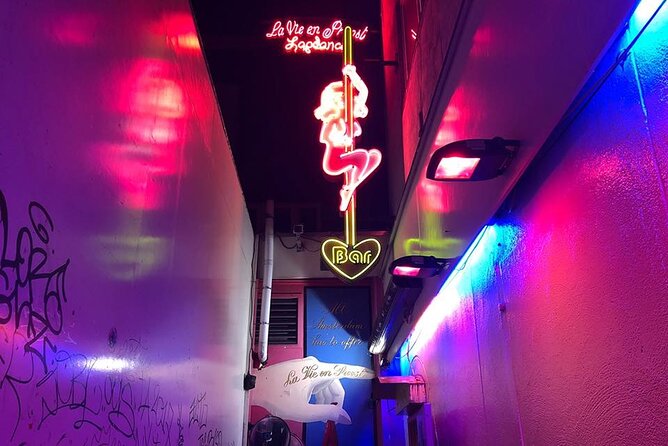
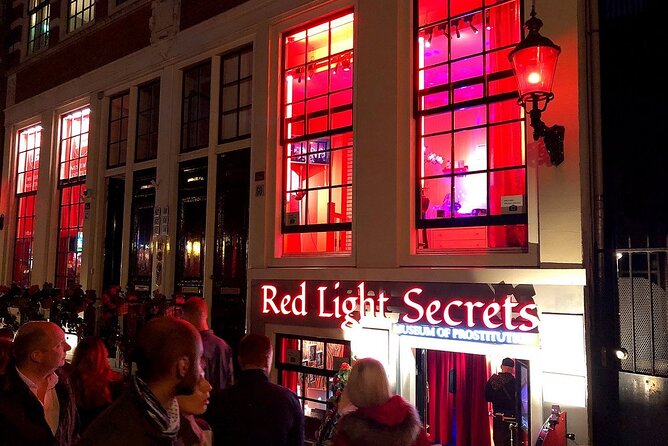
This is the Red Light District, but it is not a windows tour. There is a real boundary here, and it matters for your experience. The tour takes you around the outskirts, which means you get context without the expectation that you will be guided right into the most sensitive parts of the neighborhood.
For me, that is a plus. You still learn what shaped the area, why sex workers were drawn to this place, and how Amsterdam built its international reputation for tolerance and regulation. You also get the chance to observe how the district functions as part of the city, not just as a tourist attraction.
The best way to think of it is like this: you are getting the neighborhood explained by someone who lives nearby, then you are left with tools to finish the last steps yourself.
Meet at Beursplein and why the timing feels right
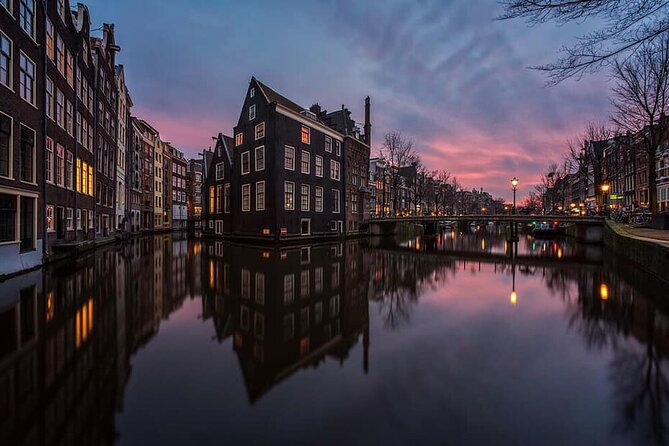
You start at Beursplein, 1012 Amsterdam and finish back there. The tour lasts around 1.5 hours, and most of that time is walking between highlights while your guide shares the story behind each street.
That length is practical. Amsterdam is a city where you can easily lose hours doing nothing but turning corners, and this itinerary keeps you oriented while still giving you room to ask questions. It also helps you avoid the two extremes: an ultra-fast photo walk that tells you nothing, or an all-day slog that blurs details.
You get a mobile ticket, and the meeting point is near public transportation. In plain terms, it is easy to plug into a day that already includes canal walks, museums, or a general city wander.
Stop-by-stop: what you will actually learn on the loop
Your route is built around a handful of places that each explain a different piece of the Amsterdam story. You are not just passing by streets, you are being guided through what those streets meant then, and what they mean now.
Other private routes shaped around your group
- Rijksmuseum Amsterdam Small-Group Tour with Private Upgrade★ 4.5 · 1,547 reviews
- Van Gogh Museum Tour Reserved Entry Semi Private★ 5.0 · 1,437 reviews
- Private Amsterdam Red Light District and Coffee Shop Tour★ 5.0 · 763 reviews
- Anne Frank and Jewish Quarter Amsterdam Private Walking Tour★ 5.0 · 684 reviews
De Wallen: where the district earned its name
You begin at De Wallen, the classic reference point for the Red Light District. This stop sets the tone with the history of the area and the profession that became associated with it. You learn why sex workers chose to settle in this particular part of Amsterdam, and how the city’s broader attitude helped the district develop its reputation.
Even if you have read bits online, hearing the explanation in a live conversation helps. The guide frames the neighborhood as a long-running social and political reality, not as one big scandal. That shift alone changes how you walk the streets afterward.
Dam Square: tolerance, coffee shops, and a bigger idea
From there, you head to Dam Square. The interesting part here is not the square itself, but what your guide ties to it: how the concept of the coffee shop originated here, and how the square once functioned as a center of Amsterdam tolerance and freedom.
This stop is useful because it connects two things people often separate in their minds: the nightlife side and the broader civic attitude. You start to see how Amsterdam sells its own version of order, where regulations and social tolerance sit side by side.
Warmoesstraat: old street, new entertainment energy
Next is Warmoesstraat, one of Amsterdam’s older streets that now serves as an entertainment center. You also catch a glimpse of the Old Church.
This is one of those stops that helps you understand how cities layer time. You are walking through an area that keeps its old bones while adapting to newer uses. The guide’s job is to explain why that matters, not just point at buildings.
If you are hoping for quiet, contemplative Amsterdam, you might find this stretch more lively than expected. That is the tradeoff for learning how the district lives in the present.
Zeedijk: Chinatown’s rise, fall, and reinvention
At Zeedijk, you go into the story of Chinatown, including how the area was once considered the most dangerous in Amsterdam in the 1970s. Then you learn how it declined and transformed into a favorite spot for many Amsterdammers.
This stop is a great reminder that neighborhoods do not stay fixed. When you connect past fear with later normalcy, the Red Light District conversation gets broader. It is not only about sex work, it is about how cities handle conflict, safety, and change over time.
Nieuwmarkt: legalization and the real challenges today
At Nieuwmarkt, the focus shifts to legalization and what that means on the ground. You learn about the legal status of prostitution and the challenges sex workers face today.
I like how this stop balances two angles at once. It is not just history, and it is not just theory. You get a sense of why legal frameworks do not automatically solve every problem, which is a thoughtful takeaway for anyone who wants more than headlines.
Kloveniersburgwal: coffeeshops, law, and neighborhood culture
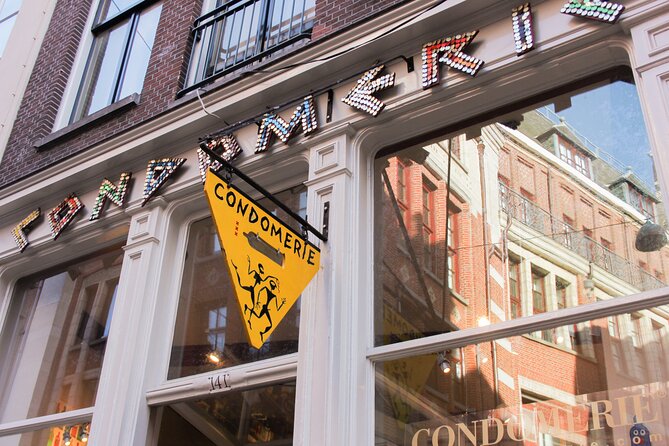
Then you reach Kloveniersburgwal. This is where coffeeshops come into the conversation, including their cultural significance and their legal status.
This is a key reason to book this particular tour format. Many Amsterdam tours mention coffeeshops like trivia. Here, your guide places them in the local context of tolerance and regulation. You walk away with a clearer sense of how Amsterdam talks about policy in everyday terms.
Also, this is a practical moment: you get a better feel for where coffeeshops fit into the district’s ecosystem, without needing to guess.
Paulusbroederssluis: your map to finish on your own
Finally, at Paulusbroederssluis, you receive the map that helps you explore the famous area yourself.
That is smart. The tour does what it is allowed and what it does well, then it equips you for the parts that are better handled at your own pace. You end the guided portion with a tool, not just memories.
And yes, there is also a small gift included, one that the operator promises will bring a smile. It might sound like a small detail, but I appreciate the extra friendliness. It keeps the tone from feeling clinical.
What makes the local guide factor so valuable
The guides are the whole point here. In past tours, the name Manouk stands out. The common thread in the experience is how she blends history with personal anecdotes, and how she answers questions in a way that feels grounded rather than scripted.
You also get that helpful mix of big-picture context and practical neighborhood reality. One moment you are learning the long development of tolerance in Amsterdam, and the next you are hearing the kind of small details that help you understand what you are seeing as you walk.
If you enjoy turning a city into a conversation, this tour fits your style. It is not a lecture, it is more like a guided walk with someone who actually knows the streets.
Why the outskirts route can be the smarter choice
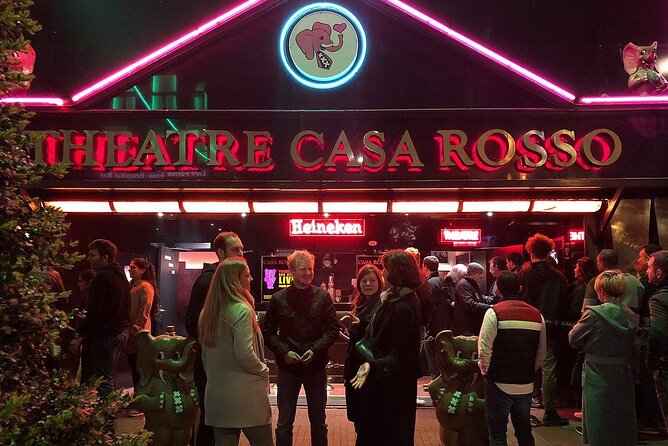
Not going inside might sound limiting, especially if your idea of the Red Light District is based on images from movies or tourism brochures. But keeping to the outskirts is often what makes the information land better.
You avoid the awkward mismatch between tourist curiosity and real-world sensitivity. Instead, you learn the framework, then you can decide what, if anything, you want to do afterward.
It also helps you keep your expectations realistic. The district is not a single scene. It is a working neighborhood, with many layers happening at once. An edge-walk is a more respectful, clearer way to understand that.
One more practical point: walking for 1.5 hours in Amsterdam can include weather changes. If it rains, you will still have a guided path and conversation to keep the momentum.
Price and value for a private group up to 15
The price is $231.72 per group, up to 15 people, and it is booked around 98 days in advance on average. That group pricing is where the value comes in.
For couples, it is usually a bigger spend. But for families or groups of friends, the math can improve quickly, because the cost stays tied to the group rather than per person. Think of it as paying for access to a local voice and a tailored question-friendly walk.
Also, you are not paying only for a route. You are paying for interpretation: the why behind the layout, the legal context, and the way Amsterdam’s tolerance story connects sex work, coffee shops, and drug policy to the city’s identity.
If you want this kind of context without the hassle of assembling a larger group or waiting for a generic schedule, a private tour can be a solid choice.
Who this tour is best for (and who might want something else)
This tour fits best if you want:
- Real local storytelling instead of a rapid checklist
- A guided orientation to the district’s main streets and the surrounding context
- A chance to ask questions and get explanations in plain language
It might be less ideal if you are hoping for:
- A guided walk inside the windows area (the tour stays around the outskirts)
- A mostly quiet, reflective experience (some streets are more entertainment-oriented than others)
If your travel style is curious but also respectful, you will likely enjoy how the guide keeps things grounded.
After the tour: use the map and keep your balance
The best part of this experience is that it does not end when the walking stops. You get a map and info to help you explore the final stretch on your own.
That matters because it lets you choose your comfort level. Some people want a quick look and then move on. Others want to slow down, check a street corner again, or connect what they heard to what they see.
The tour gives you a framework, and the last part becomes your decision.
Should you book this Red Light District private tour with a local?
I would book it if you want a local-guided understanding of the neighborhood’s history, how legalization and policy are discussed in Amsterdam, and how coffeeshops fit into the same broader tolerance story. The outskirts approach also feels like the right balance between learning and staying respectful.
I would skip it if your main goal is an inside-the-windows experience, or if you dislike walking for about 1.5 hours around an area that can be lively and crowded.
If you are the type of traveler who likes asking questions and coming home with a clearer mental map, this tour is a strong bet.
FAQ
How long is the tour?
The walking tour takes about 1.5 hours.
Is this tour private?
Yes. It is a private tour/activity, with only your group participating. The group size is up to 15.
Where does the tour start and end?
It starts at Beursplein, 1012 Amsterdam, Netherlands and ends back at the same meeting point.
Does the tour go inside the Red Light District?
No. Tours in the Red Light District have been prohibited since 2020, so this tour goes around the outskirts.
What is included?
Included items are the 1.5-hour walking tour around the Red Light District area, a map with information for the last stretch, a small gift, and the fact that it is private.
What ticket type is used?
You get a mobile ticket.
Can I cancel for free?
Yes. Free cancellation is available up to 24 hours before the experience’s start time for a full refund. After that window, refunds are not available. Service animals are allowed, and the meeting point is near public transportation.
More Tours in Amsterdam





More Tour Reviews in Amsterdam



De Wallen Beyond the Spectacle



Newly reviewed around Amsterdam
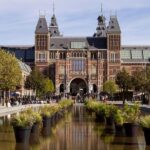
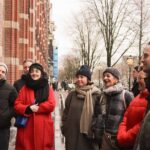


Red Light District Tours, side by side.
 ★ 4.2Red Light Secrets Museum Entry TicketFrom $175,722 reviews
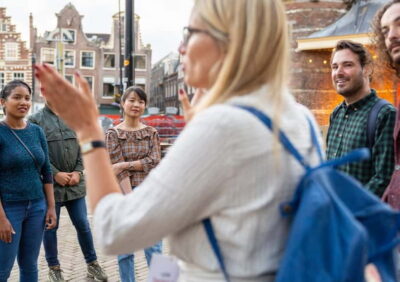 ★ 4.9Red Light District Tour in German/English/ItalianFrom $285,623 reviews
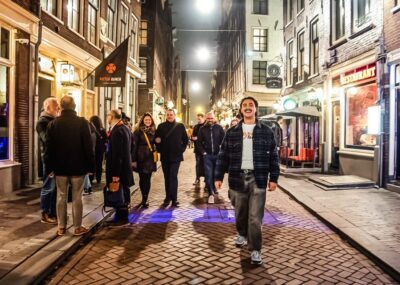 ★ 4.6Amsterdam Red Light District & Coffee Shop TourFrom $294,134 reviews
 ★ 4.1Red Light District Pub Crawl with Unlimited ShotsFrom $242,130 reviews
 ★ 4.5Amsterdam Red Light District Pub CrawlFrom $241,497 reviews
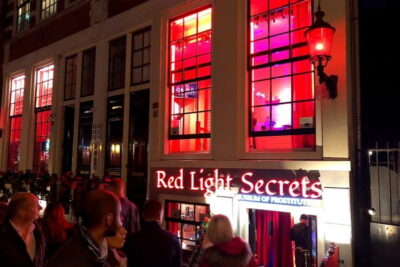 ★ 4.5Red Light District TourFrom $331,135 reviews
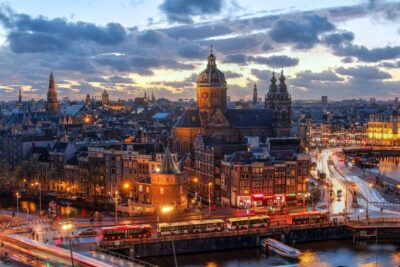 ★ 4.1After Dark Red Light District TourFrom $571,030 reviews
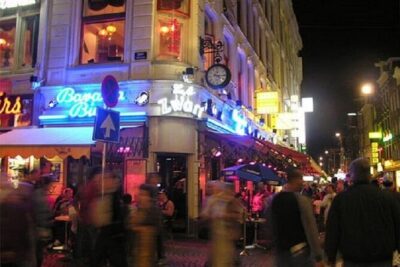 ★ 5.0Private Amsterdam Red Light District and Coffee Shop TourFrom $41763 reviews
More ways to plan this visit