
REVIEW · WALKING TOURS
Amsterdam: Guided Cultural Walking Tour
Dam Square is your fast track to Amsterdam. This guided walk stitches together the city’s past and present as you move from Dam Square toward Begijnhof, with stories that connect canals, art, and tough 20th-century moments into one clear route.
Two things I really like. First, you get a sense of Amsterdam’s big storyline in plain language, from medieval life and the Golden Era of art to how World War II changed the people of the city and how it feels today as a tolerant, multicultural place. Second, the guide adds practical value at the end, with recommendations so you know what to do next instead of just hoping you guess right.
One thing to keep in mind: your guide is marked with a red name tag, and on a crowded square it can be a little tricky to spot the right person quickly. I’d show up a few minutes early at the National Monument stairs, especially if it is busy or rainy.
Key things worth knowing before you go
- Dam Square orientation: start where Amsterdam’s story is tied to the founding of the city
- Canals and city-links: you walk past canal houses and bridges like Torensluis Bridge while hearing how the city grew
- Culture plus real history: medieval living, the Golden Era, and World War II all get covered in context
- Amsterdam’s memory sites: you stop at the Anne Frank Monument and finish with the National Monument’s wider war memorial meaning
- Begijnhof stop: you get a look at a quieter, tucked-away side of the city
- Hands-on local help: you leave with guide suggestions for food and neighborhoods you can explore on your own by bike
Amsterdam at street level, a few more routes
Start at the National Monument, then let Dam Square do the talking
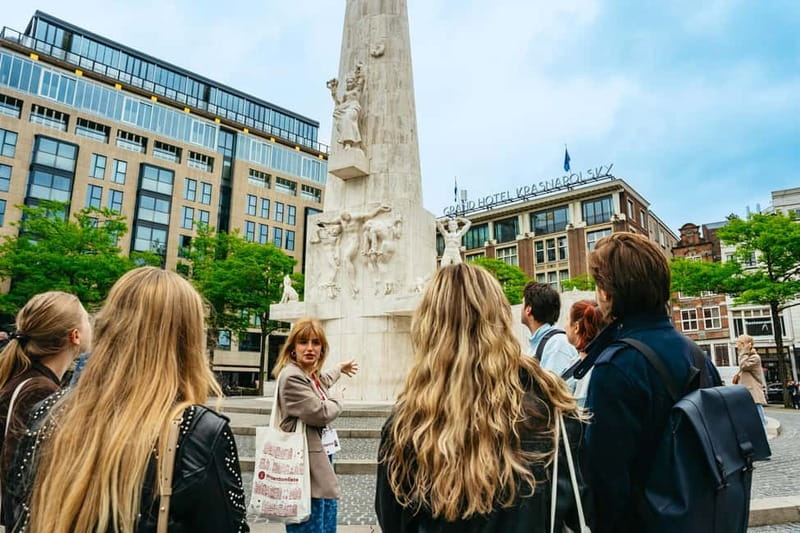
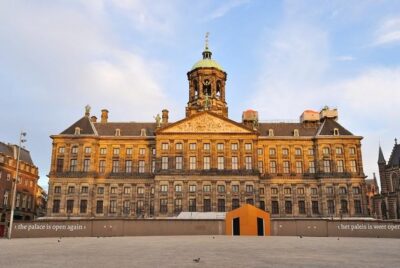
The tour kicks off at the National Monument on Dam Square, right by that big white pillar/obelisk. Meeting here is smart because you can immediately orient yourself: you are in the center of the action, with clear landmarks in every direction.
From there, Dam Square sets the tone. You’ll do a short photo stop and get the key context for why this area matters, including the founding link that people associate with Amsterdam. It’s a fast way to turn a busy square from something you walk through into something you understand.
Royal Palace, Nieuwe Kerk, and the city center power map
As you head along the main sights around Dam Square, you’ll pass the Royal Palace of Amsterdam and the New Church (Nieuwe Kerk) area. Even if you have no interest in palace rooms, this is where you learn how power and public life used to sit side by side in the heart of the city.
You also hear about the former main post office as part of the same walking thread. It’s a small detail, but it helps you read the center like a system: commerce, communication, and official buildings all shaped daily life.
Practical tip: bring your camera brain, not your museum-brain. This tour is about learning how to see, so you’ll want a steady gaze on façades, angles, and city layouts as you walk.
Torensluis Bridge and the Amstel connection you might miss on your own
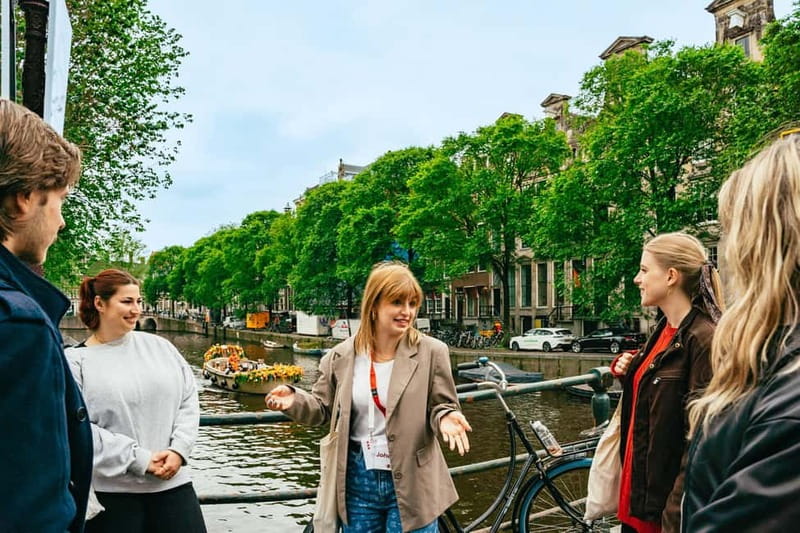
One of the joys of walking Amsterdam is how quickly the city forces you to notice water. You’ll pass Torensluis Bridge and hear why the Amstel River matters, including the connection between the river and the city’s name.
Later on, as the route loops back, you finish by going back past the river that gave Amsterdam its identity. If you’ve only seen canals from a boat, this land-based version hits differently. You learn the lines and crossings that boats glide over.
Worth comparing with this Amsterdam choice:
- Amsterdam: 75 Minute City Canal Cruise with Audio Guide★ 4.4 · 17,501 reviews
- Anne Frank’s Story – Guided Walking Tour through Amsterdam★ 5.0 · 11,619 reviews
- Amsterdam: Johan Cruijff ArenA Tour with Optional Guide★ 4.6 · 8,954 reviews
- Amsterdam: Royal Palace Entry Ticket and Audio Guide★ 4.6 · 6,475 reviews
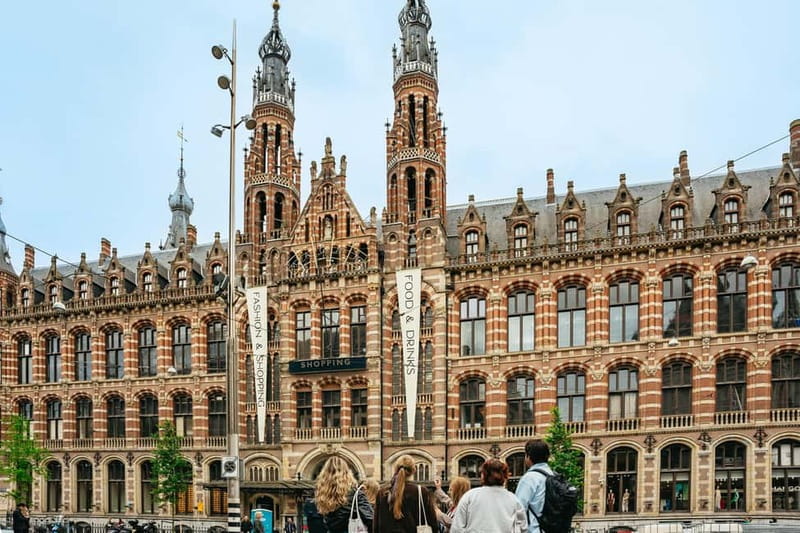
Beurs van Berlage and Magna Plaza, from trade to modern shopping
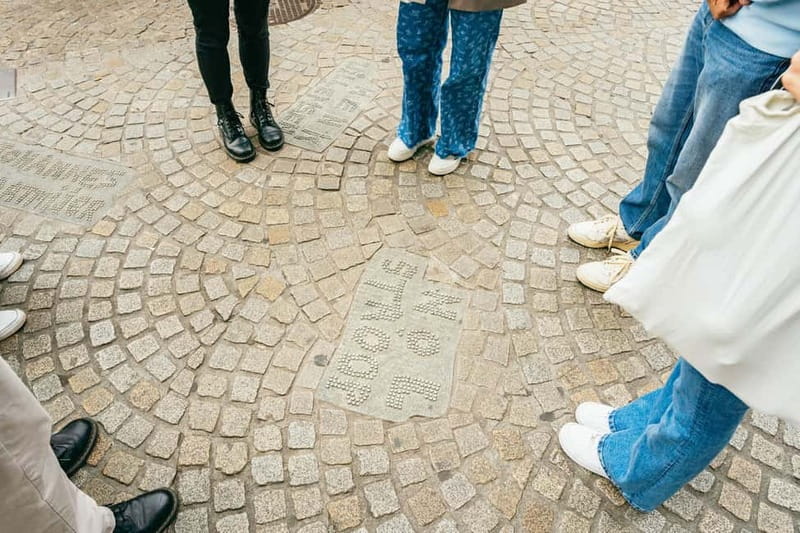
The stop at Beurs van Berlage is a good example of why a guided walk beats aimless wandering. You get context for how merchants and salesmen fit into the city’s earlier economic life, and how the built environment reflected those priorities.
Then you shift from finance-era context to a more modern feel as you pass Magna Plaza. Even though it’s not the same kind of historic building, it helps you understand continuity. Amsterdam keeps reusing and reinterpreting central locations, so the city does not freeze in time.
If you like architecture, this part is worth paying attention to. You’ll also hear how different architectural styles were popular in the past and what that means for how people lived.
The Multatuli statue, tiny houses, and a colonial-era reality check
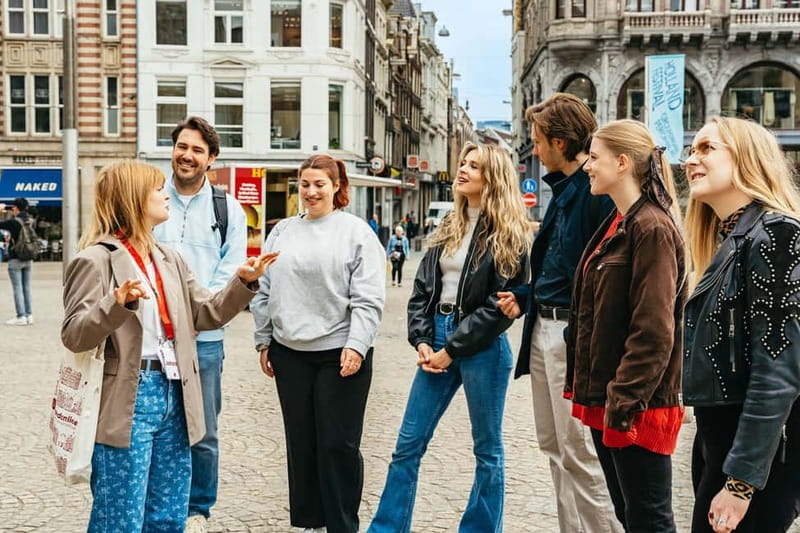
At Multatuli Statue on Torensluis Bridge, the tour adds a sharper edge. You’ll learn about the colonial era through the statue’s presence and the stories tied to it, plus you’ll spot one of the tiniest houses in the city.
That combination is effective: it is not just facts on paper. You see a physical reminder of how housing constraints and global histories intersected in everyday life.
I like this segment because it keeps the tour honest. Amsterdam’s charm is real, but so are the systems behind it.
Anne Frank Monument and Westerkerk, remembering without turning history into a lecture
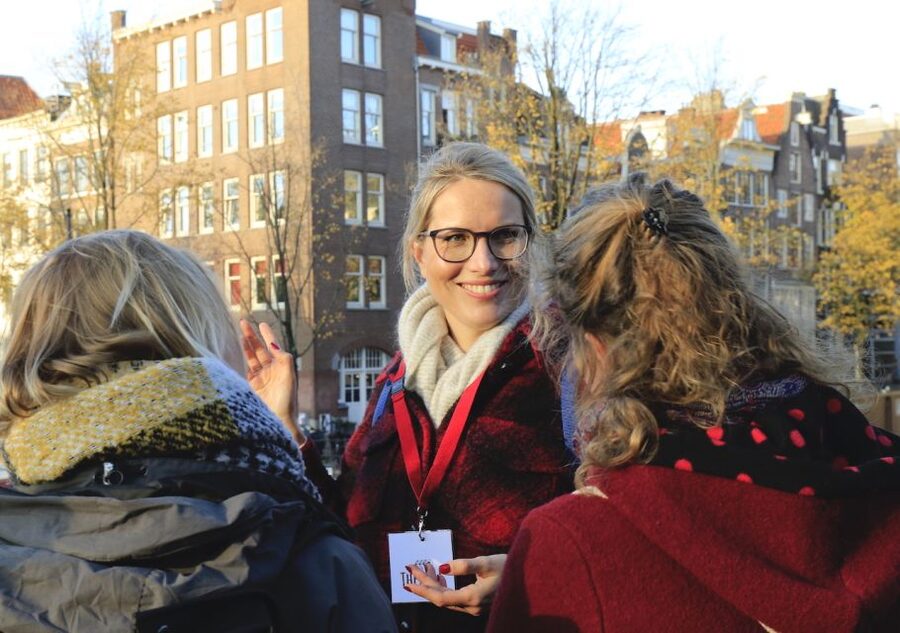
When you reach the Anne Frank Monument, the route slows in tone. You hear how World War II changed the people of the city, which matters because Anne Frank is more than a single story. It represents how disruption and fear reshaped normal life.
A short walk brings you to Westerkerk. The stop is brief, but it gives another layer to how the city’s institutions and landmarks played into broader history.
Tip for your pacing: if a topic hits hard for you, take your time on this stretch. The walk is mostly outdoors, and you can step back a moment when you need space.
Homomonument and De Negen Straatjes, culture you can feel in the streets
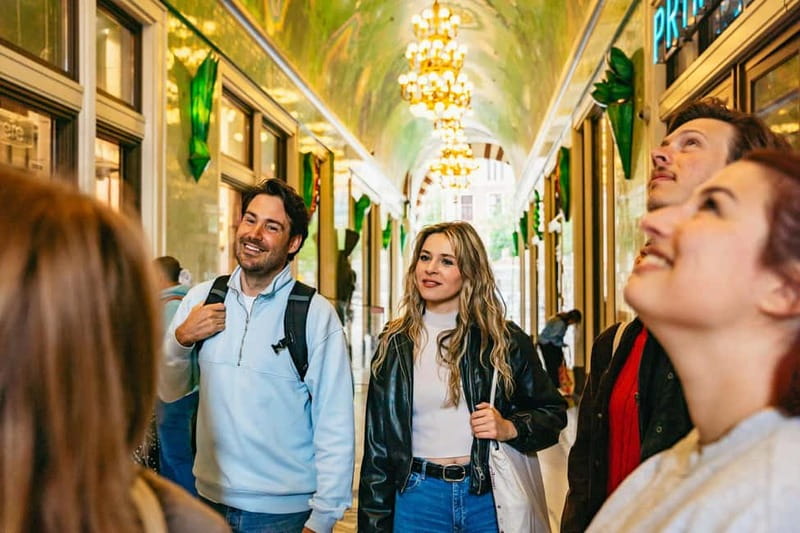
The Homomonument stop is one of the strongest “today matters” moments on the route. You’ll hear about the city’s path to a tolerant, multicultural present, framed by what people fought for and what changed over time.
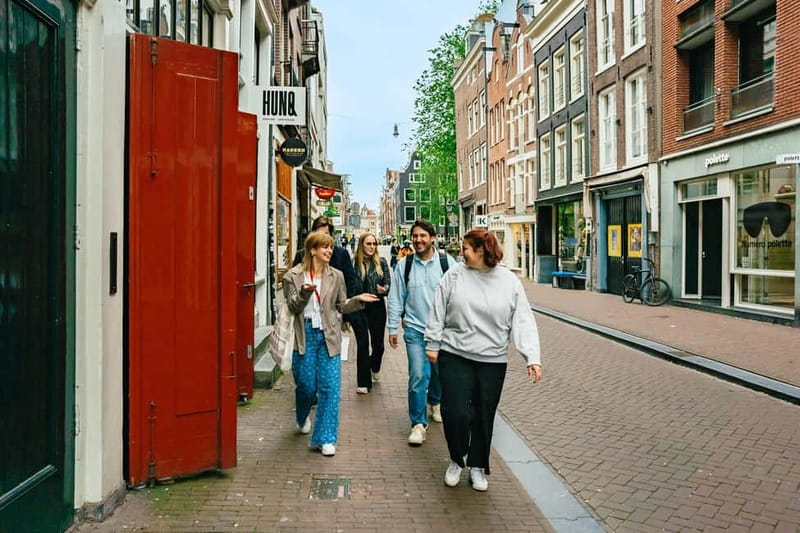
Then you cross into De Negen Straatjes, the Nine Little Streets area. This is one of those places where a guide turn makes a difference because you get a sense of what to look for and how to move through the neighborhood without getting stuck.
If you want to extend your day, this is a great place to break off later and explore on your own, since the tour naturally sets you up with neighborhood awareness.
Begijnhof: the quiet counterpoint to the center
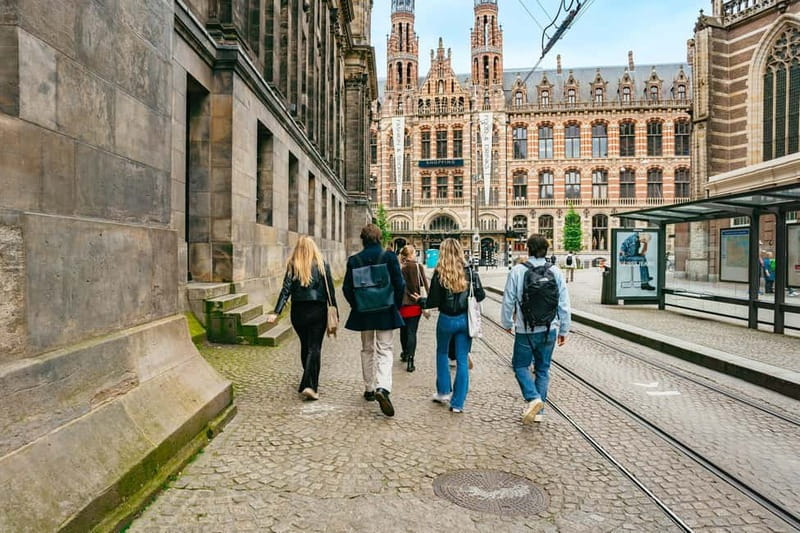
The route eventually leads you to Begijnhof, often described as a pearl of Amsterdam, and you’ll see why. This is the calm contrast after busy streets and major landmarks, a tucked-away feeling that makes you slow down.
You’ll also hear what makes Begijnhof special culturally and historically, plus you’ll get local guidance on foods you must try and districts you can discover independently by bike. That matters because Begijnhof can tempt you to linger in the scenery, but you also leave with a plan for what to do next.
Practical note: this stop is also a reminder that Amsterdam is best experienced at two speeds. Enjoy the quiet for a moment, then use what the guide gave you to keep the momentum.
The return to Dam Square, with the WWII memorial meaning in full view
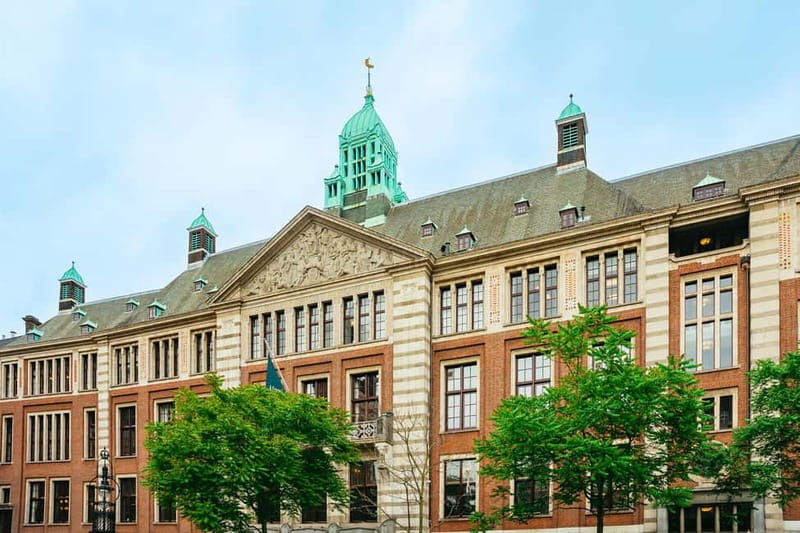
On the way back, you’ll see more of the water lines and the bridges that connect the center. The walking rhythm helps these details land, so Amsterdam starts to feel like a map you can actually navigate.
You end back at the National Monument at Dam Square. Here’s the key context you take with you: it was originally built to remember victims of World War II, but it now serves as a memorial to victims of all wars worldwide. That broader meaning changes how you look at the monument, even if you’ve walked past it before.
What the $29 price buys you, and why it can be good value
At $29 per person for a 2-hour walking tour, the value is less about a pile of paid attractions and more about the orientation you gain. You cover a dense set of landmarks in the city center without getting lost in trivia.
A big money saver: no admission fees are required for the sights on the route. That means you’re paying primarily for the guide, the structure, and the context that turns street corners into a story.
Also included: the tour, the guide, and city tax. Not included: food and drinks, so plan on grabbing snacks on your own after. That’s normal for a short walking tour, and it keeps the experience flexible.
If you are paying for your first day in Amsterdam, this kind of guided overview often pays off because it reduces decision fatigue. You spend your next hours choosing well instead of guessing.
Pace, timing, and what to bring so you enjoy the walk
The tour lasts around 2 hours, with guided stops and photo breaks along the way. That stop-and-go pacing is ideal for city sightseeing because it prevents the common problem of a long walk becoming a shuffle.
Bring comfortable shoes first. This is Amsterdam in the real world, which often means cobblestones, uneven sidewalks, and lots of short turns.
Bring an umbrella and water too. Even if it is not raining, weather changes fast near the canals, and you’ll feel better if you are prepared.
Because the tour is suitable for children, it’s also a solid option for families who want structured stops and simple explanations.
Who should book this Amsterdam cultural walking tour with Amsterdamliebe
Book it if you want:
- a smart first-day overview focused on history, culture, and current affairs
- help seeing the city beyond photos, especially around Dam Square, canal areas, and Begijnhof
- practical guidance for what to do next, including food ideas and neighborhood suggestions for independent exploring
Skip it if you:
- prefer a totally free-form day with no set route
- get irritated by walking schedules, because this experience is built around a continuous path with multiple stops
If you want a tip from my perspective, aim to do this early in your trip. You’ll get more use out of the advice once you’re actually planning your remaining hours.
Should you book?
Yes, I’d book it. This tour is a strong value for your time because it connects major landmarks with the reasons behind them, not just the labels on signs. You also leave with a clearer mental map of Amsterdam, plus guidance that helps you spend the rest of your visit more intentionally.
Just arrive early enough to find your guide at the National Monument stairs, keep your umbrella handy, and wear shoes you can walk in for two hours without thinking about it. Then you can focus on what makes Amsterdam work: the way the city’s streets, water, and history all talk to each other.
FAQ
How long is the Amsterdam guided cultural walking tour?
It lasts about 2 hours.
Where do we meet for the tour?
Meet on the stairs of the National Monument at Dam Square. The guide wears a red name tag.
What is the price per person?
The price is $29 per person.
What languages are the tours offered in?
The live tour guide offers English and German.
Is the tour wheelchair accessible?
Yes, it is wheelchair accessible.
Do I need to pay admission fees for the sights on the tour?
No. You will not have to pay admission fees during the tour, since all sights can be visited for free.
What should I bring?
Bring comfortable shoes, an umbrella, and water.
Amsterdam on Foot






More Tours in Amsterdam




More Tour Reviews in Amsterdam





Newly reviewed around Amsterdam



Walking Tours, side by side.
 ★ 5.0Anne Frank’s Story – Guided Walking Tour through AmsterdamFrom $3911,619 reviews
 ★ 4.8Life of Anne Frank and World War II Walking TourFrom $3710,467 reviews
 ★ 5.0Absolutely Amsterdam – the Essential Introductory Walking TourFrom $53,629 reviews
 ★ 4.8Anne Frank Guided Small Group Walking TourFrom $282,722 reviews
 ★ 4.9Anne Frank Walking Tour – Guided in EN/DE/IT/ESFrom $282,676 reviews
 ★ 4.2Guided Ganja Walking Tour of Coffee ShopsFrom $272,092 reviews
 ★ 5.0Anne Frank Walking Tour Amsterdam Including Jewish Cultural QuarterFrom $751,879 reviews
 ★ 5.0Amsterdam Highlights Walking Tour: Small Group ExperienceFrom $361,132 reviews
More ways to plan this visit