
REVIEW · WALKING TOURS
Amsterdam: Anna Frank and World War II History Walking Tour
Anne Frank walks can change how you see Amsterdam. This 2-hour WWII history walk traces the city’s shift during Nazi occupation, through the Jewish community’s roots and the ex-Jewish district, ending at the outside of the Anne Frank House. I really like how the tour connects Anne Frank’s story to real streets, so the background feels human instead of abstract, and the writing takes on weight as the guide ties places to what happened.
One thing to consider: Anne Frank House entry is not included, so if you want to go inside, you’ll need a separate ticket after the walking tour ends. Also note the live guide is Italian, so plan for that if you’re not comfortable in Italian.
Key highlights worth your attention
- 120,000 victims named in the WWII memorial linked to Jewish, Sinti, and Rom histories
- Origins of Amsterdam’s Jewish community around 1600, explained in plain terms on foot
- Ex-Jewish district framing, showing how this neighborhood related to the wider city
- Nazi occupation and the Holocaust, with a focus on what Amsterdam experienced
- Outdoor visit to Anne Frank House, then option to continue with an audio-guided interior visit
Amsterdam at street level, a few more routes
Starting at H’ART Museum (ex-Hermitage), then walking with purpose
The tour meets at the entrance of the H’ART museum, the former Hermitage building on the Amstel side of Amsterdam. That spot matters because it puts you in the middle of the city’s everyday flow, then gradually reframes what you’re seeing. You’re not just collecting facts, you’re learning how Amsterdam changed, block by block, during the Second World War.
You’ll quickly get your bearings for the rest of the walk. The guide sets expectations for the stories ahead, from the Jewish community in Amsterdam to the Nazi occupation and the deportations that followed. Even with only two hours, the pacing is designed to give you a clear timeline, not a scattered list of sites.
A practical note: because this is a walking tour, you’ll want comfortable shoes and a bit of patience for city sidewalks. You’ll be covering ground as you cross parts of Amsterdam to reach the area tied to the Frank family’s hiding.
The memorial stop that hits hardest: 120,000 during WWII
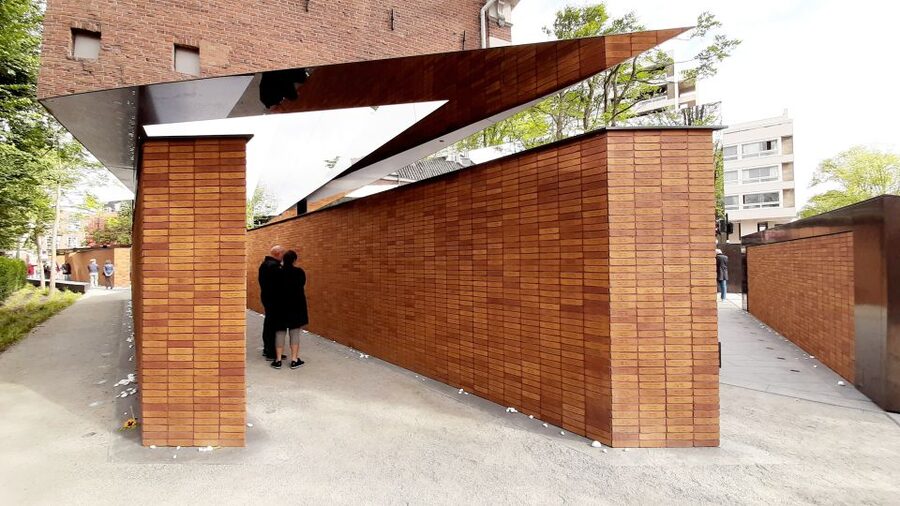
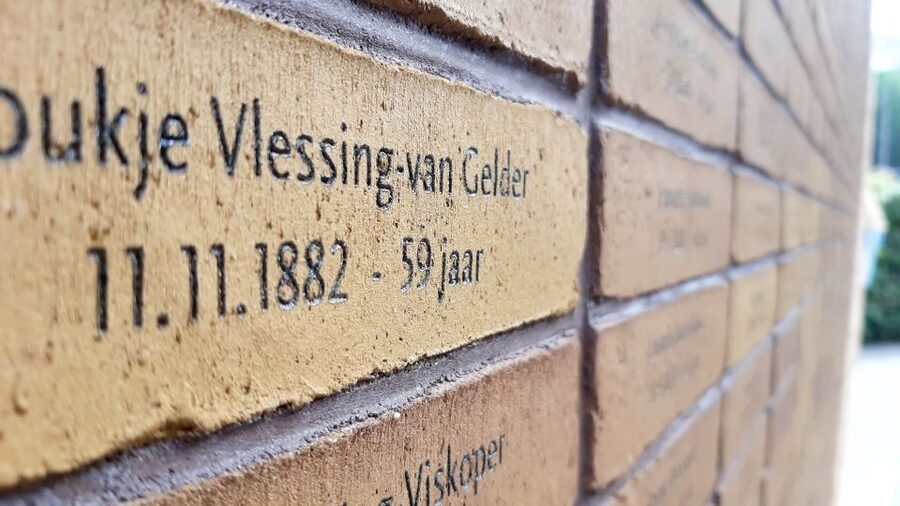
One of the most important parts of the walk is the name memorial monument. You’ll learn about the deaths of about 120,000 Jewish, Sinti, and Rom people during the Second World War, and you’ll see how that remembrance connects to Amsterdam itself.
This is where the tour does something valuable for your understanding. It refuses to treat the Holocaust as a distant historical topic. Instead, it anchors the tragedy to names, to community, and to a city that both contained and became complicit in what followed.
For me, this stop works because it creates a mental foundation before you move on to neighborhoods and buildings. If you start with the human cost, then later explanations about district life and occupation policies make more sense. You’re not just learning what happened, you’re absorbing why it matters in the physical city you’re walking through now.
Amsterdam’s Jewish district story, from origins around 1600
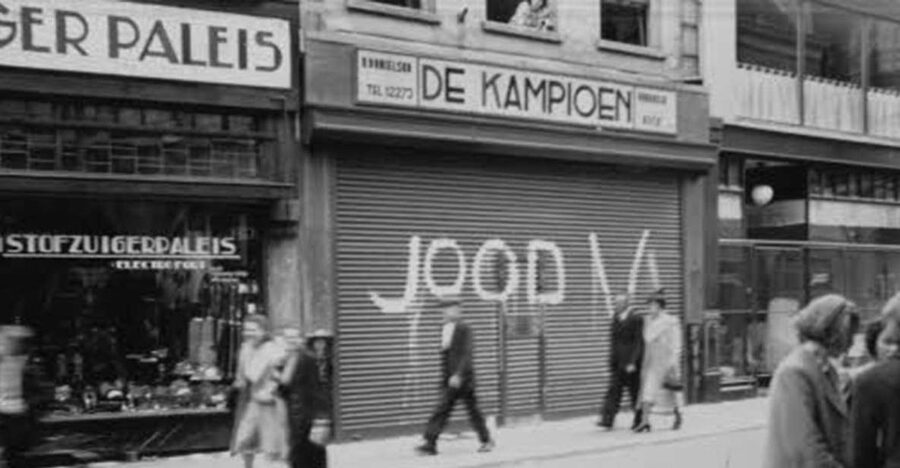
After the memorial, you move toward the ex-Jewish district and the broader Jewish community story in Amsterdam. The tour explains the district’s relationship to the rest of the city and points to the first origins of the Jewish community in Amsterdam around 1600.
That timeline detail is more useful than it sounds. It pushes the narrative away from the narrow “Anne Frank” focus and reconnects the Jewish community to earlier centuries of life, work, and place. It’s also a reminder that the community you’re learning about was not just a wartime footnote. It grew over time, became part of Amsterdam’s fabric, and then was violently targeted when the occupation came.
As you walk through this area of the city, listen for how the guide ties streets to community life. You’ll hear how Amsterdam’s Jewish quarter fit into the wider city, which helps you avoid the common mistake of viewing it as isolated or sealed off. Instead, you’ll see it as an integrated part of the city that was later disrupted.
More chapters of old Amsterdam, told on foot
- Amsterdam Food and Cultural Tour with Tastings★ 5.0 · 2,442 reviews
- Amsterdam High-End Dutch Food & History Tour – Up to 8 guests★ 5.0 · 482 reviews
- Amsterdam: Historic City Sightseeing Canal Cruise★ 4.5 · 444 reviews
- Anne Frank and the Jewish History of Amsterdam Private Tour★ 5.0 · 307 reviews
Nazi occupation explained in city terms, not just classroom terms
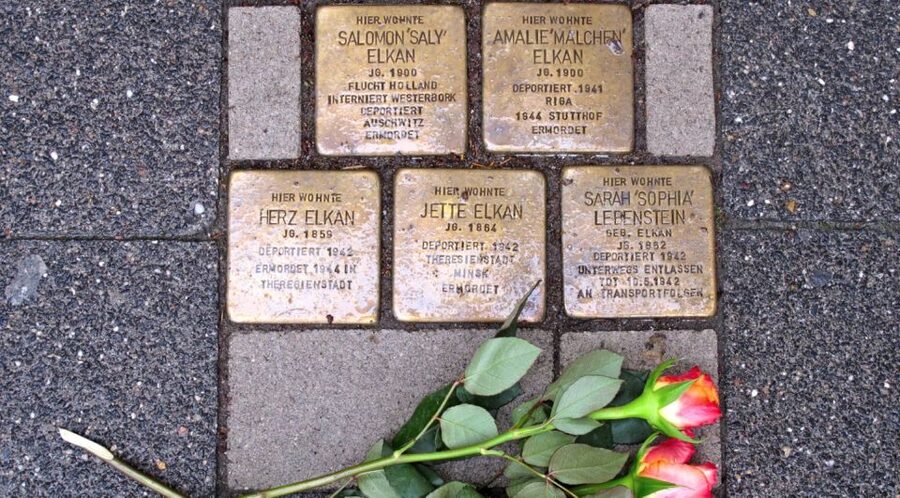
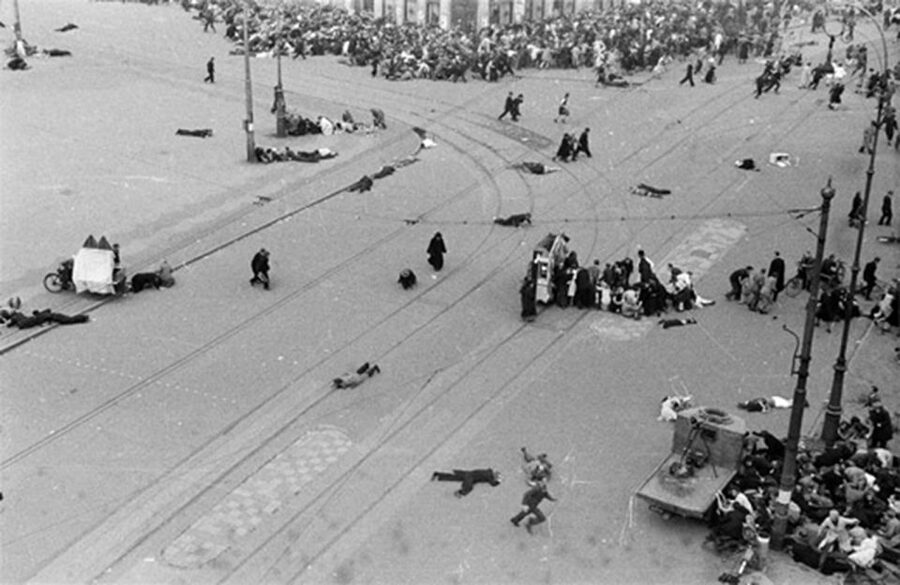
The tour then moves into the Nazi occupation period, including the horrors of the Holocaust as they relate to Amsterdam. You’ll learn how the occupation changed daily life and how persecution escalated until people were deported.
This is a sensitive topic, but the structure of the walk helps you process it. The guide builds the story so it doesn’t feel like random stops with heavy themes. The memorial gives you the scale, the district section gives you context, and then the occupation portion explains the shift from normal city life into systematic terror.
If you’re the kind of traveler who likes history that connects to place, you’ll probably appreciate this method. It’s easier to grasp what occupation meant when you can imagine people moving through the same streets you’re standing on, even if their reality was unimaginably different.
Crossing the city to the hiding-place area linked to two years in hiding
One of the key experiences on this tour is reaching the area where Anne Frank and her family stood in hiding for two years before deportation. The walk brings you across Amsterdam to the part of the city tied to that period, and you’ll get historical context around how the hiding fit into the wider story unfolding around them.
This is where the tour’s emotional focus becomes very clear. The guide doesn’t just point and stop at a location. The goal is to make the Anne Frank story feel anchored in Amsterdam, not floating in time. The provided highlight about Anne Frank’s writing taking life connects here. Expect the guide to link the places you see with what the Frank family experienced, so the narrative comes alive in the streetscape around you.
A helpful way to approach this segment: don’t rush it for photos. Let the guide’s story land first. When you do that, the outdoor view later makes more impact, and you’ll leave with a clearer sense of how hiding in that city unfolded against the occupation happening all around.
Anne Frank House exterior, then what happens next (tickets are separate)
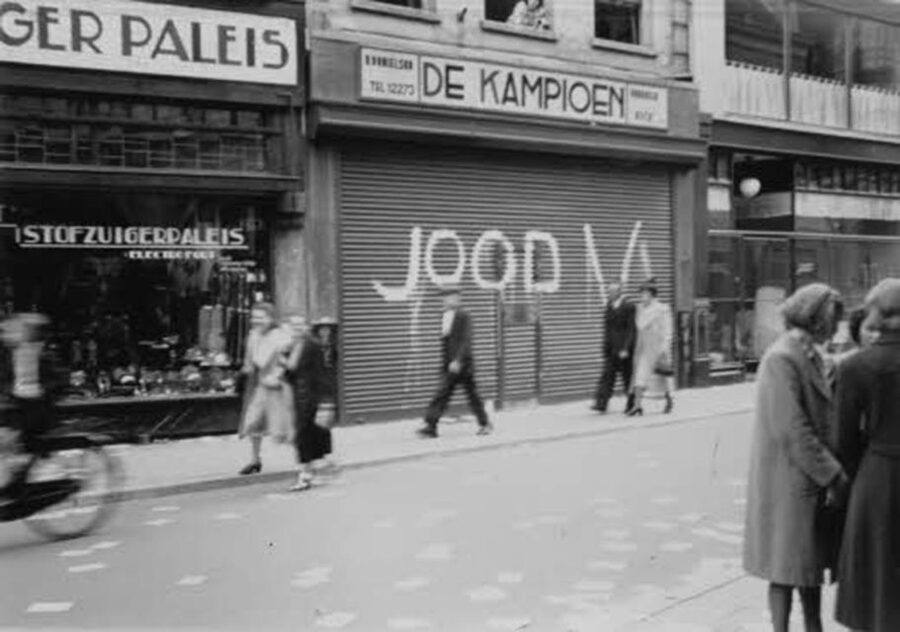
The tour ends at the entrance of the Anne Frank House, and you’ll see it from the outside during the walking portion. This matters because it lets you understand why the building is so important before you decide whether you want to go in.
If you want to visit the interior, the tour information is straightforward: the Anne Frank House entry ticket is not included. However, an audio guide is supplied. That means you can still do the inside visit at your own pace once you have your ticket.
Think of the walking tour as the historical orientation, and the house visit as the personal experience layer. Doing both usually works best. The walking tour helps you understand the community context and occupation framework. Then the house visit gives you the setting for the story in a direct way.
Because it ends right at the entrance area, you can decide on the spot whether you want to buy tickets and continue immediately or come back later. Just plan your time so you’re not stuck rushing, especially if you’re traveling during a busy season.
Price and value: why $28 makes sense for what you get
The price is $28 per person for a two-hour guided walking tour. On paper, that can sound simple, but the value comes from what’s included: a local guide and the walking experience that connects multiple WWII themes in one coherent route.
You’re paying for more than movement across the city. You’re paying for the guide’s ability to connect the Jewish community’s origins around 1600, the ex-Jewish district perspective, the Nazi occupation and Holocaust context, and the specific connection to Anne Frank’s two years in hiding. That’s a lot to understand in a short time, and the walking format helps because you learn using the city as your map.
What’s not included is the Anne Frank House entry ticket. That’s normal for tours like this, but it does affect your overall budget. If you want the interior visit, you should budget extra for the ticket. The good news is the tour still sets you up well with the audio guide material, so you’re not starting from zero.
Also, the tour rate pairs nicely with other Amsterdam plans. Two hours is long enough to feel meaningful, short enough to fit into a day that includes museums, canals, or a simple neighborhood wander afterward.
Language matters: live guide in Italian
The live tour guide is Italian, and the tour language is listed as Italian. If you speak Italian well enough to follow detailed history explanations, you’ll likely enjoy it a lot. If your Italian is basic, you might still catch the core story, but the nuance around names, dates, and neighborhood context could be harder.
If you’re deciding based on language, be honest with yourself. A WWII walking tour can be emotionally intense, and you’ll want to understand what’s being said. If you’re not confident in Italian, consider whether you can manage with audio tools during or after the walk, since the house visit has an audio guide available.
Who should book this tour, and who might skip it
This tour is a strong fit for history lovers and anyone who wants a better understanding of Anne Frank, not as a single-page biography, but as part of what happened in Amsterdam during the Second World War. The emphasis on the Jewish community, the ex-Jewish district, and the Nazi occupation makes it feel more complete than a short Anne Frank stop alone.
It also makes sense for travelers who like guided storytelling tied to real streets. You get an outside look at the Anne Frank House during the walk, and then you have the option to continue inside on your own.
You might want to look for a different format if you need an English language tour, or if you’re only interested in the house interior and nothing else. Since the entry ticket is not included, this walk is best treated as the foundation, not the full package of the visit.
Tips to get the most from a 2-hour walk
Because you’re on your feet for about two hours, bring the basics that help you stay present. Comfortable shoes help. If you’re sensitive to heavy topics, pace yourself and be ready to take quiet moments when you need them.
Also, when the guide starts connecting Anne Frank’s writing to the locations around you, slow down. Let those connections work on you. The tour works best when you’re not sprinting from stop to stop, but instead letting the story create a sense of continuity.
Finally, if you plan to visit the interior afterward, think about timing. The walking tour ends at the Anne Frank House entrance area, so you’ll likely be able to continue right away if that fits your schedule.
Should you book the Anne Frank and WWII walking tour?
If you want a guided Amsterdam walk that explains how the Jewish community, the ex-Jewish district, and the Nazi occupation connect to Anne Frank’s story, then yes, I think this is a good booking. The $28 price feels fair for a focused two-hour session with a local guide, and the memorial stop anchored to the 120,000 victims gives the whole experience emotional clarity.
The biggest reason to pause is practical: Anne Frank House entry is not included. If you only want to pay for the house visit and you don’t care about the surrounding WWII context, you might feel like you’re missing something. But if you’re okay treating the house ticket as an add-on and you want the broader Amsterdam story, this tour is a solid way to get there.
FAQ
How long is the Amsterdam Anna Frank and World War II History walking tour?
The tour lasts 2 hours.
Where is the meeting point?
You start at the entrance of the H’ART museum, which is the ex-Hermitage, in the Amstel part of Amsterdam.
Where does the tour end?
The tour ends at the entrance of the Anne Frank area, and it returns to the meeting point.
Is entry to the Anne Frank House included?
No. The tour includes an exterior visit, and Anne Frank House entry is not included. You can visit inside independently, using an audio guide that is supplied.
What is included in the price?
The included items are the local guide and the walking tour.
What language is the tour conducted in?
The live tour guide is Italian.
Amsterdam on Foot






More Tours in Amsterdam




More Tour Reviews in Amsterdam






Newly reviewed around Amsterdam




Walking Tours, side by side.
 ★ 5.0Anne Frank’s Story – Guided Walking Tour through AmsterdamFrom $3911,619 reviews
 ★ 4.8Life of Anne Frank and World War II Walking TourFrom $3710,467 reviews
 ★ 5.0Absolutely Amsterdam – the Essential Introductory Walking TourFrom $53,629 reviews
 ★ 4.8Anne Frank Guided Small Group Walking TourFrom $282,722 reviews
 ★ 4.9Anne Frank Walking Tour – Guided in EN/DE/IT/ESFrom $282,676 reviews
 ★ 4.9Guided Cultural Walking TourFrom $292,384 reviews
 ★ 4.2Guided Ganja Walking Tour of Coffee ShopsFrom $272,092 reviews
 ★ 5.0Anne Frank Walking Tour Amsterdam Including Jewish Cultural QuarterFrom $751,879 reviews
More ways to plan this visit