
REVIEW · HISTORICAL TOURS
History & culture tour in Amsterdam with a local
One great way to feel Amsterdam fast is on foot. This 2-hour history and culture walk connects big landmarks to the city’s everyday story, from the rise of the 17th century economy to the quieter courtyards that show a different side of the Dutch capital. You’ll get a small-group pace, so the guide can answer questions as you walk and point out details most people miss.
I especially like how the route mixes major squares with street-level Amsterdam. You’ll look at places tied to power and conflict at Dam Square, then soften into Begijnhof, a calm courtyard built around religious life and tolerance. Another strong point is the people, with guides like Manouk and Malik earning standout notes for clear explanations and for tailoring the walk to the group’s interests, plus that classic Dutch sweet break along the way.
One drawback to consider: this is a walking route, and you cover several central areas in about 2 to 2.5 hours, so wear comfortable shoes and plan for a steady pace even though each stop is brief.
Key highlights to look for
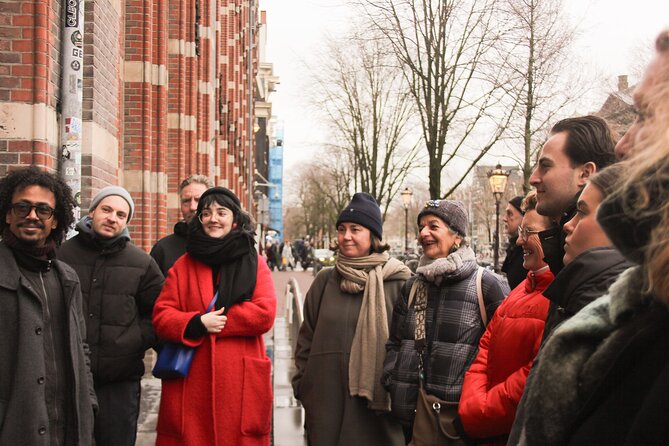
- Small group size (max 15) helps you actually hear and ask questions during the walk
- Stroopwafel included, a real Dutch snack break built into the experience
- A mix of eras, from medieval-ish origins to the 17th century and then into WWII and modern Amsterdam
- Street-level culture stops, like courtyards and canal-side details, not just photo moments
- Neighborhood history, including Zeedijk’s Chinatown story and how it changed over time
- Centraal Station as more than a landmark, with context on why it mattered for centuries
More chapters of old Amsterdam, told on foot
Why This Amsterdam History Walk Feels Practical and Fun
If you want Amsterdam to make sense quickly, this kind of local-led route is a strong start. The tour is built like a guided walk through the city’s identity, not a checklist of sights. You’re moving through the center, stopping for short conversations at each major point, then walking on while the guide ties one moment to the next.
At a price of $30.07 per person for around 2 hours, it also has the feel of good value. You’re paying for interpretation, timing, and a guide who can connect architecture and street names to why Amsterdam developed the way it did. And because the stops are spread out but kept manageable, you get context without spending half a day in transit or waiting in lines.
The biggest win is that the guide’s storytelling style is clearly a priority. Reviews call out that guides like Manouk and Malik were friendly, adjusted the pace to the group, and made the history land in a way that helps you understand Amsterdam today. That matters because Amsterdam’s past can feel abstract if you only read plaques. On this walk, the stories are tied to what you can still see.
Beursplein Start: How a Fishing Place Becomes Global Business
You begin at Beursplein, a square tied to trade and finance, and that sets the tone right away. The guide explains the origins of the city and how its identity shifted from early settlement patterns to a hub of global commerce in the 17th century. It’s the kind of context that helps you understand why Amsterdam’s buildings, canals, and institutions look the way they do.
Even though Beursplein is not the most “quiet postcard” spot, it’s a smart opener. It gives you a framework, so when the route later moves through civic squares and old neighborhoods, you’re not just collecting images. You’re building a story.
How long is this first segment? About 10 minutes, which is perfect. It’s long enough for the main idea, but short enough that you’ll keep moving and stay engaged. If you’re the type who loves the why behind city design, this start will feel especially satisfying.
Dam Square and the Royal Palace, Plus WWII Memory
Next up is Dam Square, the beating heart of central Amsterdam. Here the focus isn’t just on the Royal Palace facade and the wide open square. The guide links the square’s significance to the city’s formation and explains what it meant in later turning points, including its role during the Second World War.
This is where Amsterdam’s public space becomes history you can stand inside. Dam Square is busy, so the walking pace and stop length help you absorb the meaning without getting lost in the crowd. You get a quick orientation on why this area matters, and then you move on before you burn out.
Possible drawback here: Dam Square is a prime tourist area. That’s not a reason to skip it, but it does mean your view angles may change depending on the time of day. If you hate crowds, try to choose a calmer time for your walk, or be ready to focus on details the guide points out rather than trying to get a perfect wide shot.
- Amsterdam Classic Saloon Boat Cruise with Drinks and Cheese★ 5.0 · 31,825 reviews
- Amsterdam Luxury Canal Cruise + Unlimited Drinks & Bites option★ 5.0 · 30,518 reviews
- Amsterdam: Heineken Experience Ticket★ 4.6 · 30,055 reviews
- Amsterdam: Rijksmuseum Entry Ticket★ 4.7 · 25,535 reviews
Begijnhof: The Courtyard That Explains Amsterdam’s Tolerance
Then you’ll slow down at Begijnhof, one of those places that feels like you slipped behind a curtain. The guide talks about the religious history of the courtyard and what it reveals about Amsterdam’s famous tolerance. That theme is important, because it’s easy to think of Amsterdam only as commerce and canals. Begijnhof brings in the human side, the rules of everyday life, and the way different communities coexisted.
You’ll also learn about one of the oldest houses in Amsterdam, including one of the two wooden cottages. Even if you’re not a serious architecture fan, these details work because the guide connects them to the city’s changing needs over time.
The courtyard vibe is a real advantage for this tour format. A 15-minute stop gives you time to look around, not just glance and go. If you’re traveling with someone who needs breaks, Begijnhof is a natural reset point.
House on the Three Canals and the Bicycle Bridge Detail
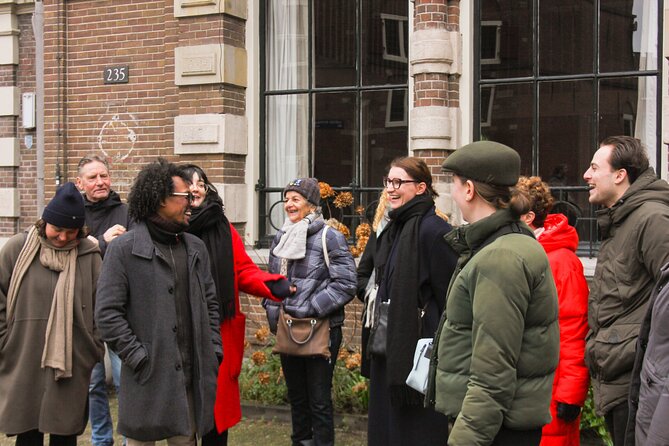
From there, the walk turns more visual and clever. At the House on the Three Canals, you learn about a house with a special relationship to the water and canals around it. The guide also explains the idea of the bicycle bridge, a Dutch detail that sounds quirky until you connect it to how Amsterdam thinks about movement.
This is the kind of stop I like for travelers who feel like they’ve seen canals but want something more specific. The canals in Amsterdam can look similar from far away, so context matters. A guide helps you read the canal network like a map of daily life.
One thing to keep in mind: this stop is short, about 10 minutes. You’ll get the key point and enough to recognize it later, but you probably won’t have time for extended exploring on your own. If you want more time around the canals, treat this moment as a highlight, then plan a second walk nearby on your own afterward.
Nieuwmarkt: Waag, Guilds, and the Dancing Houses
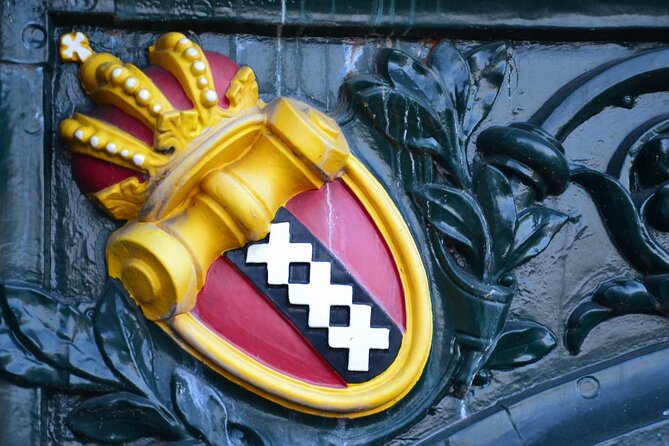
At Nieuwmarkt, you shift into a part of the city where medieval and early civic life still shows through. The guide points out the Waag, one of the old city gates that later became a guild hall. Then you get the larger story of guilds in Amsterdam, why they mattered, and how they helped shape the city’s economy and craft culture.
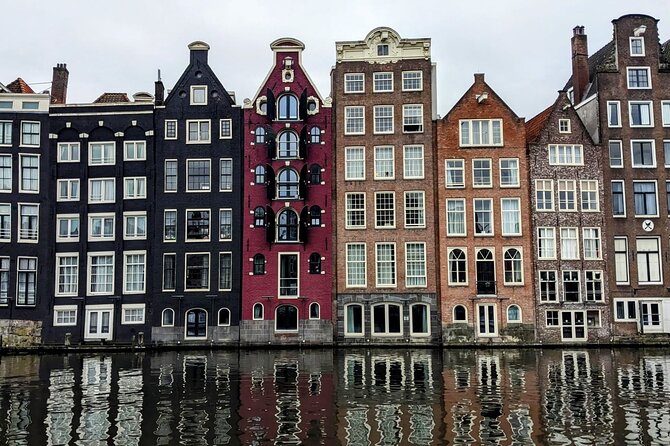
This is also where you’ll see the dancing houses, buildings that earned that nickname because of how they look at street level. The guide’s explanations turn the visual into a story, instead of just a fun label for a photo.
The value here is that you learn how Amsterdam organized work and skills. When the 17th century trade theme from Beursplein shows up again later as guild structure, it starts to click. You see how economic power was built not only through ships and markets, but through skilled communities and controlled standards.
Like earlier stops, this is about 10 minutes, so keep your questions for the moments when the guide pauses. If you ask thoughtful questions at the right time, this stop can become one of your favorites.
Zeedijk and Chinatown’s Shift Over Time
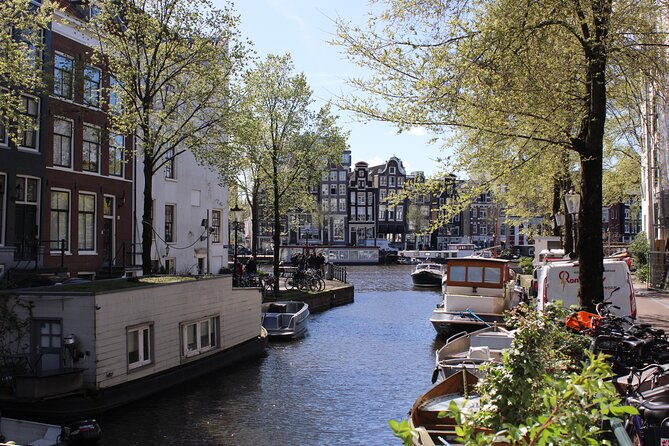
Next is Zeedijk, a street with layered identity. You’ll learn about Chinatown and how, at one point, Zeedijk was known as a dangerous area in the 1970s. Then the guide explains how the area declined in that reputation and how the street transformed into a favorite destination for many locals.
This is a good reminder that neighborhoods don’t stay fixed. Amsterdam has always been a port city, so change is part of the DNA. Learning the neighborhood arc helps you interpret what you see now, whether that means restaurants, foot traffic, or the general vibe.
Practical tip: this stop can feel more active depending on the time of day. That’s not a flaw, it’s part of the lived-in Amsterdam experience. If you like people-watching, you’ll probably enjoy the way the guide’s history story lines up with what you can observe around you.
Stop time is again about 10 minutes, which is perfect for this kind of narrative. You’ll leave with the understanding, not a textbook.
Centraal Station: Architecture With a Century-Long Job
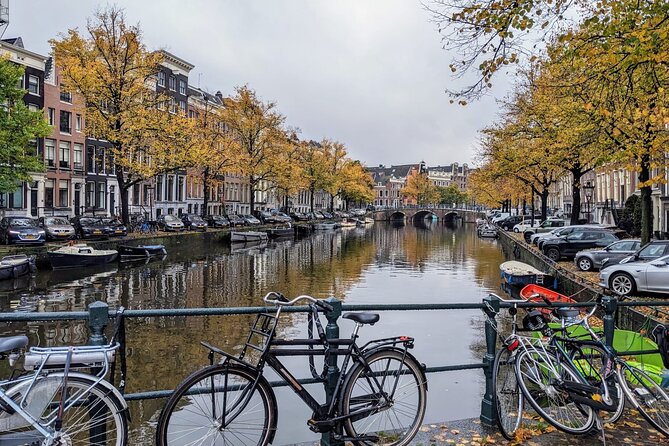
The tour finishes by Centraal Station, and it makes sense. Centraal Station isn’t just a famous building, it’s a symbol of connection and prosperity. The guide also explains why the location mattered for centuries as a transportation hub.
This is where Amsterdam’s story ties together. Earlier stops focus on trade and institutions, guilds, and civic squares. Here you see how the physical hub of movement helped keep the city linked to the world. Even if you’ve passed by the station before, a guide can make you notice different parts of the architecture and understand why the building carries meaning.
Expect about 10 minutes here. That’s enough to get the big picture and appreciate the structure. But if you want to linger, you’ll likely want to keep exploring on your own after the tour ends back at the meeting point.
Price and Value: What $30.07 Buys You in Real Terms
Let’s talk value without pretending every tour is a bargain. At $30.07, you’re paying for:
- A local guide’s explanations at multiple high-impact stops
- A small group format (max 15), which usually means better interaction than big-bus tours
- A walking route that gives you context without additional museum-style ticket costs at the listed stops
- A classic Dutch Stroopwafel included as a snack break
The “value” part isn’t only the fact that you pay for a guide. It’s how the guide connects points across time. If you’re in Amsterdam for only a day or two, interpretation can save you from spending that time clicking through random facts later.
Also, the tour is in English and is designed so most travelers can participate. That lowers the friction if you’re trying to plan a first-day activity when your energy is still intact.
Who This Tour Is Best For (and Who Might Want Something Else)
This tour is a great fit if you’re the type who likes history, but also wants it translated into what you can see right now. It’s especially good for first-timers because it covers major central landmarks plus smaller spaces like Begijnhof and canal-related details.
You’d also enjoy it if you like a balanced approach. The walk includes power and war memory at Dam Square, tolerance and religion at Begijnhof, and neighborhood change at Zeedijk. It’s not all castles and it’s not all modern culture either.
If you want long, slow sightseeing with lots of time to wander indoors, this might feel too tight, since stops are short and the focus is on the guide’s narrative. In that case, you might take this as a foundation tour, then return to your top two areas later for a longer self-guided look.
Should You Book This Amsterdam Local Walking Tour?
Yes, you should book it if you want a fast, human, history-based orientation to central Amsterdam. The small-group size, strong guide feedback (including guides like Manouk and Malik), and the included Stroopwafel make it feel both practical and enjoyable, not stiff or academic.
Book it especially if you’re trying to get your bearings on a first day, or if you want your next museum visits to make more sense because you understand the city’s big economic and cultural themes. I’d skip it only if you strongly dislike walking or you prefer deep, long visits inside specific sites rather than a guided city story across multiple locations.
FAQ
Where does the tour start?
The tour starts at Beursplein, 1012 JW Amsterdam, Netherlands.
How long is the walking tour?
It runs for about 2 hours (with a total time of 2 to 2.5 hours).
What is the price per person?
The price is $30.07 per person.
Is the tour offered in English?
Yes, the tour is offered in English.
What is the maximum group size?
The tour has a maximum of 15 travelers.
Does the tour include food?
Yes. You’ll enjoy a classic Dutch Stroopwafel along the way.
Do I need to buy admission tickets for the stops?
The listed stops are marked free, so you shouldn’t need to pay for entry tickets at these points.
Is it near public transportation and suitable for most people?
Yes, it’s near public transportation, and most travelers can participate.
Are service animals allowed?
Yes, service animals are allowed.
Can I cancel for a full refund?
Yes. You can cancel up to 24 hours in advance for a full refund.
The Older City, Told Properly






More Tours in Amsterdam






More Tour Reviews in Amsterdam






Newly reviewed around Amsterdam





Historical Tours, side by side.
 ★ 5.0Amsterdam Food and Cultural Tour with TastingsFrom $912,442 reviews
 ★ 4.5Haunted History and Ghost Walking TourFrom $30488 reviews
 ★ 5.0Amsterdam High-End Dutch Food & History Tour – Up to 8 guestsFrom $157482 reviews
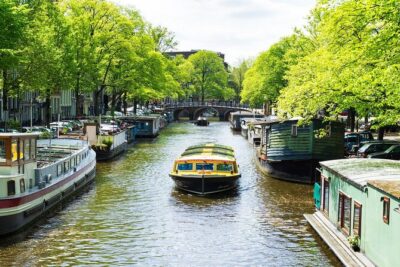 ★ 4.5Historic City Sightseeing Canal CruiseFrom $18444 reviews
 ★ 4.6Historical Highlights Walking Tour with TastingFrom $34381 reviews
 ★ 5.0Anne Frank and the Jewish History of Amsterdam Private TourFrom $95307 reviews
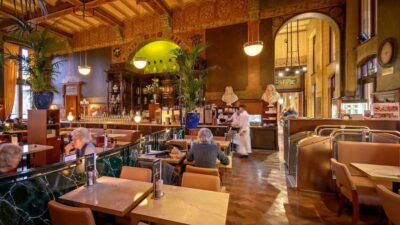 ★ 4.53-Course Meal in Historic 1st Class Waiting RoomsFrom $61292 reviews
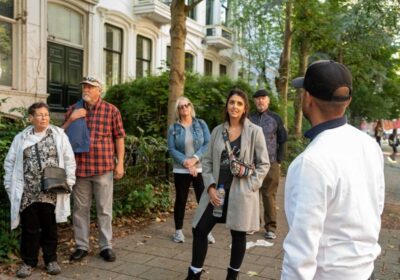 ★ 4.8Highlights & History Walking TourFrom $32266 reviews
More ways to plan this visit