
REVIEW · ANNE FRANK & JEWISH QUARTER TOURS
Liberal Amsterdam: Small-Group Walking Tour & Anne Frank VR
Amsterdam turns WWII into street stories. In Amsterdam, I liked how guide Antonis makes the city feel personal, using stories and simple audience questions instead of a lecture, and I also liked the ending with optional Anne Frank VR that lets you connect history to place. One thing to consider: the VR is not a formal show, it is a shared headset and only happens if everyone wants to try it.
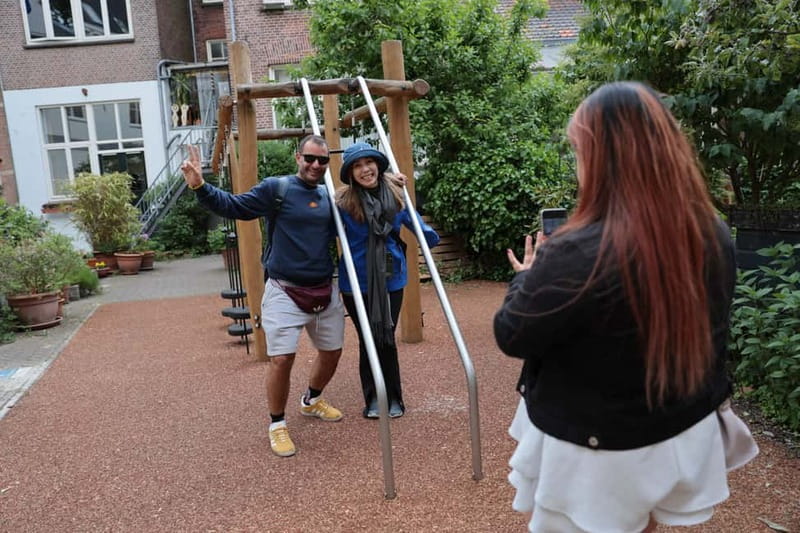
This is a small-group, relaxed paced walking tour (max 6) built around compassion, resistance, and the liberal side of Dutch culture, not just postcards. You get a coffee break with bottled water, a daily sweet, a mini Polaroid photo, and a unique postcard with an official stamp plus a handwritten message. Along the way, you also get practical local tips for bars and restaurants, which is a nice bonus when you want dinner plans fast.
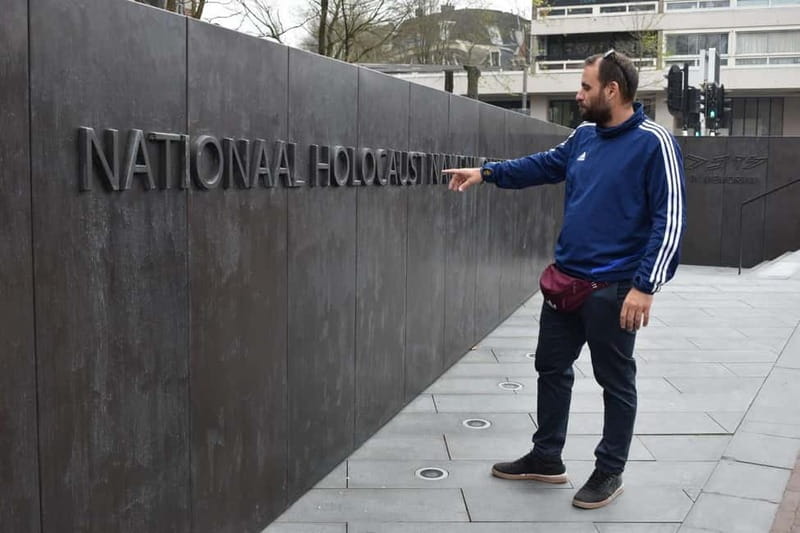
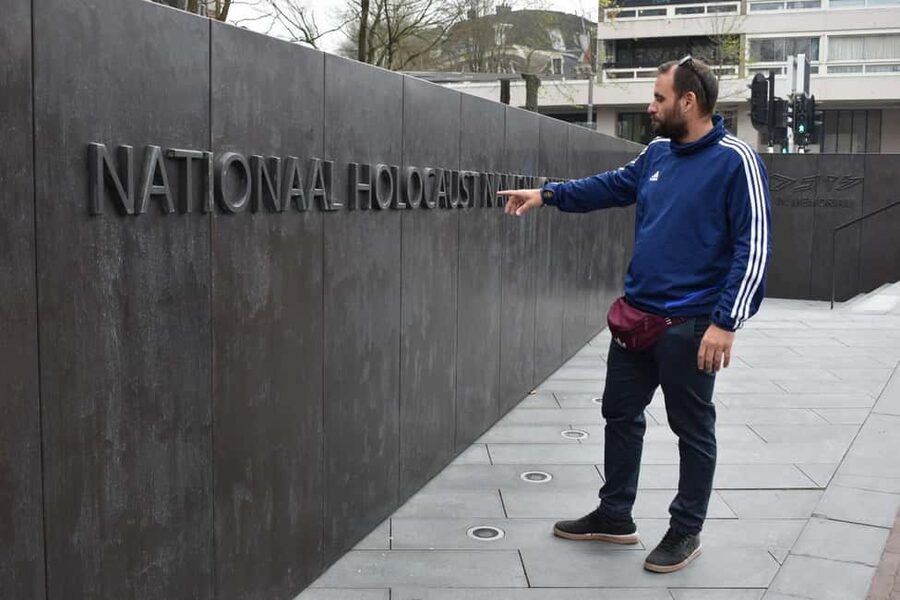
I found the mix of light moments and heavy moments well handled, with time to pause at the National Holocaust Names Monument. The vibe is thoughtful, with humor and curiosity, and it moves at a pace where you can actually ask questions.
Key takeaways before you go
- Antonis storytelling style uses books, chalk drawings, and real questions, so you are not just listening
- WWII and liberal culture in one walk connects resistance stories and human rights to everyday Amsterdam
- Bridges and canals teach water management plus the charm of life around leaning houses and houseboats
- Jewish Quarter and Holocaust reflection stops include the National Holocaust Names Monument for quiet context
- Coffee break with local tips keeps the tour social, with recommendations you can use right away
- Anne Frank House VR is optional with a shared headset, more conversation starter than scheduled event
More careful routes through Amsterdam’s Jewish history
Getting oriented at De Silveren Spiegel and Kattengat
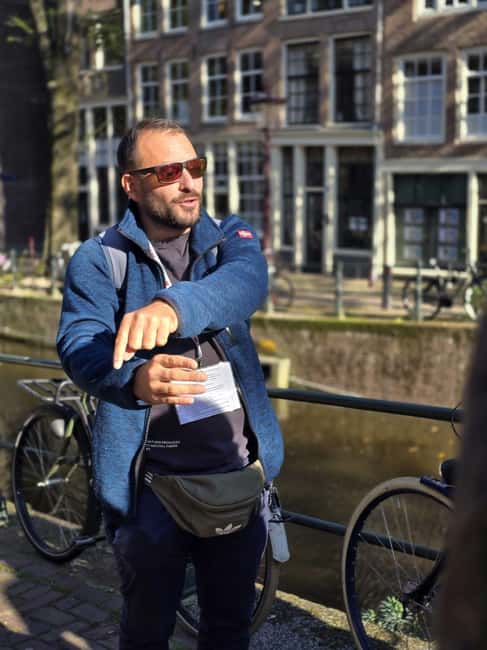
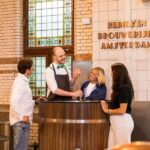
The tour starts at De Silveren Spiegel, in the Kattengat 4-6 area. It is a smart choice because you can meet easily, get your shoes sorted, and then get right into the story before you wander too far.
Right away, the tone is set: this is not a “stand here and read the plaque” experience. There is a quick safety briefing, then you are walking, stopping for photos, and hearing how Amsterdam’s history shows up in small details.
If you like your guide to feel like a host, not a performer, you are going to enjoy Antonis. The best tours make you curious while you move, and this one keeps that rhythm.
A stop-by-stop route through Amsterdam’s wartime and liberal corners
Here is how the walk typically unfolds, and what each stop means for you.
Stop 1, Kattengat 4-6, the hidden-people starting point
You begin outside a WWII building connected to Jewish families who were hidden. This matters because the tour does not start with abstract dates. It starts with the idea of people surviving, hiding, and trying to stay human in impossible circumstances.
Even when the tour turns to lighter Amsterdam topics, that early anchor keeps the rest of the story grounded.
Amsterdam at street level, a few more routes
- Anne Frank’s Story – Guided Walking Tour through Amsterdam★ 5.0 · 11,619 reviews
- Amsterdam: Life of Anne Frank and World War II Walking Tour★ 4.8 · 10,467 reviews
- Absolutely Amsterdam – the Essential Introductory Walking Tour★ 5.0 · 3,629 reviews
- Amsterdam: Anne Frank Guided Small Group Walking Tour★ 4.8 · 2,722 reviews
Stop 2, HIV/AIDS monument, photo stop with social context
You swing by the HIV/AIDS monument for a short guided moment and a photo stop. It is brief, but it signals a key theme of the walk: liberal culture is not only about art and freedom, it is also about public compassion and social change.
Since it is a quick stop, don’t expect a deep explanation here, but you will likely hear the broader point from your guide.
Stop 3, Amsterdam Centraal Station, photo stop and orientation
Next is Amsterdam Centraal Station. It is a familiar landmark, but the tour uses it as a way to reframe what you are seeing, not just to tick off a big sight.
Photo stops move fast. If you need time to adjust your camera or just want a slow look, plan for that by arriving slightly early so you are not rushed at the first stops.
Stop 4, Tony’s Chocolonely, a sweet breather
Then you hit Tony’s Chocolonely for a short photo stop. This is a fun palate cleanser in a tour that includes very heavy WWII moments later.
It is also a good place for your brain to reset. If chocolate is not your thing, you can still appreciate the brand as a quick slice of modern Dutch culture.
Stop 5, Aluminium Bridge, water, bridges, and daily life
You cross through the canal world, starting with the Aluminium Bridge. This is where the tour’s “how Amsterdam works” angle gets real, especially water management and how people live around it.
You also hear why the city’s buildings and homes can look a certain way, including the leaning houses theme mentioned in the highlights. It is the kind of detail you would walk past without a guide.
Stop 6, Staalmeestersbrug, more bridge storytelling
Staalmeestersbrug is another bridge photo stop. Expect more short guided storytelling here, likely connecting the city’s engineering and water behavior to everyday Amsterdam habits.
Photo stops keep the pace moving. The tradeoff is that you get less time for slow wandering, so this is best if you enjoy a structured route with frequent story stops.
Stop 7, Jewish Quarter, guided walking and quick focus time
Now you settle into a guided Jewish Quarter segment. This part is one of the more directly meaningful chunks, and it helps you understand why this neighborhood matters to the WWII story beyond names in textbooks.
Because the time here is around 15 minutes, you get a focused overview rather than a deep lecture. If you want more detail later, take notes and then use the postcard and recommendations as your next step.
Stop 8, Magere Brug, a classic canal moment
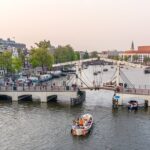
Magere Brug is next for a guided photo stop. Even without getting lost in bridge trivia, you feel the canal rhythm, and it sets up the emotional stops coming after.
This is the sort of photo moment you can take even if you are not a “must photograph everything” person. It works as a calm breath in the flow.
Stop 9, National Holocaust Names Monument, reflection time
Then comes one of the most important moments: the National Holocaust Names Monument. This is a guided stop where you pause and reflect, not just take pictures.
Your guide’s tone here tends to be respectful and careful, and you will likely notice how the tour makes room for your reactions. If you are sensitive to WWII topics, give yourself a little mental buffer before you reach this stop.
Stop 10, Blauwbrug, another bridge stop with quieter context
Blauwbrug is another photo and short guided point. The tour uses these bridges like punctuation marks, breaking the walk into sections so you can process what you just learned.
In general, bridge stops here are short and story-forward. If you want long views from a bench, you might have to save that for later.
Stop 11, Zuiderkerk, a quick photo and atmosphere check
At Zuiderkerk you get another short photo stop with guided context. This is not the kind of stop where you will go inside, so treat it as a way to connect the neighborhood feeling to the story.
It is also a reminder that Amsterdam’s past and present overlap in the same block. Even when the subject is WWII, your senses still track the city around you.
Stop 12, Nieuwmarkt Square, the area’s WWII pulse
Nieuwmarkt Square gets both a photo stop and guided time. This area is tied closely to the wartime context in the tour’s arc, so you feel the shift from “nice streets and canals” to “real places where people lived.”
If the square feels busy around you, that is part of why a guide helps. You are not trying to decode everything while dodging crowds and bikes at the same time.
Stop 13, Waag, wrap-up point for the walking piece
The route lists a finish around Waag. What you get here is the transition from walking to the final parts of the tour, including coffee and Anne Frank VR.
After Waag, you still have the tour’s reflective, take-home finale. And the overall tour ends back at the meeting area near De Silveren Spiegel, so you are not left stranded.
The coffee break: recommendations, water, and a daily sweet
Between the walking and the final VR moment, there is a coffee break with warm coffee included. Bottled water is also provided, which I really appreciate in Amsterdam because walking and canal air can make you forget to hydrate.
This is also the moment where your guide hands over a list with recommendations and gives insider tips for nearby bars and restaurants. That part is practical. You get suggestions that match your interests because you can ask questions while you are sitting down.
Then there is the local sweet surprise. It changes daily, and it can be chocolate or Dutch cookies. It sounds small, but it keeps the tour from feeling purely heavy, and it gives you something fun to share later.
Anne Frank House VR at the end: optional and built for conversation
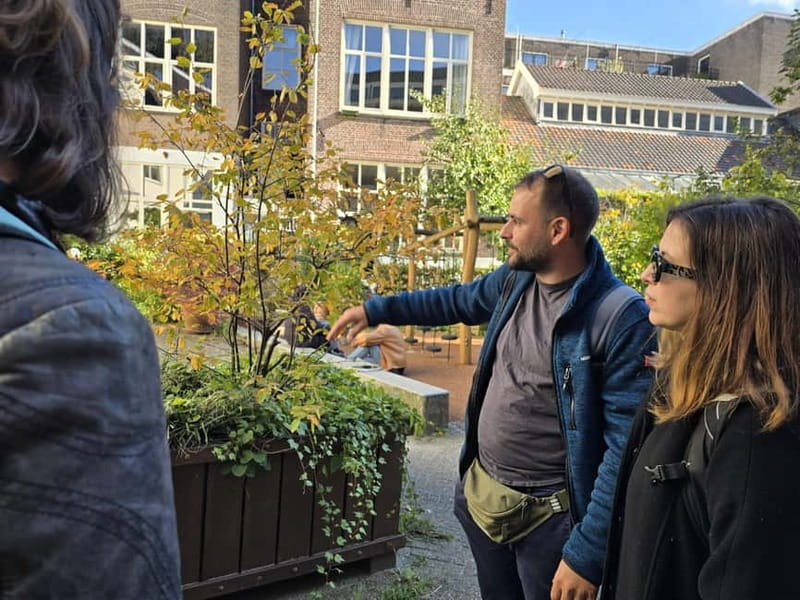
The final act is Anne Frank VR, and it is totally optional. There is just one headset, so the group passes it around only if everyone feels like it.
That detail changes the whole vibe. This is not treated like a ticketed, timed show. It is more of a conversation starter while you hang out, chat, and unwind.
If you want a guaranteed, private VR experience with strict timing, this might not be your setup. But if you like the idea of seeing the Secret Annex virtually as a complement to what you learned outside, it can hit hard in a good way.
You do not need a separate ticket for the VR part as presented on the tour, which is a nice pressure-off benefit if your schedule is tight.
What I learned from the route: water, education, and liberal culture
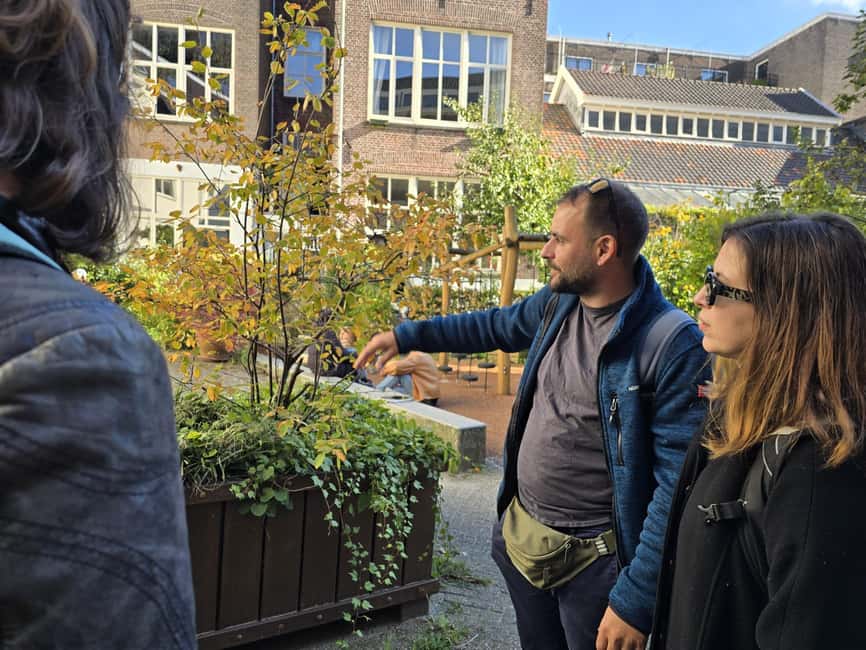
This tour keeps turning history into cause-and-effect for the city you are standing in.
You get lessons tied to water management, not as trivia, but as the reason Amsterdam is shaped the way it is. You also hear about leaning houses and the charm of living on houseboats, which helps you understand why the city feels both practical and oddly romantic.
Another unexpected theme is the Dutch educational system and how it supports the country’s progress. Even when the tour is focused on WWII, the guide keeps pointing toward how liberal values show up over time, not only in wartime resistance.
There are also small cultural quirks explained along the way. For example, the tour includes quirky details like weird toilets, and that kind of humor makes the whole experience feel more like walking with a smart friend than being fed a script.
Value and price: what you actually get for $33
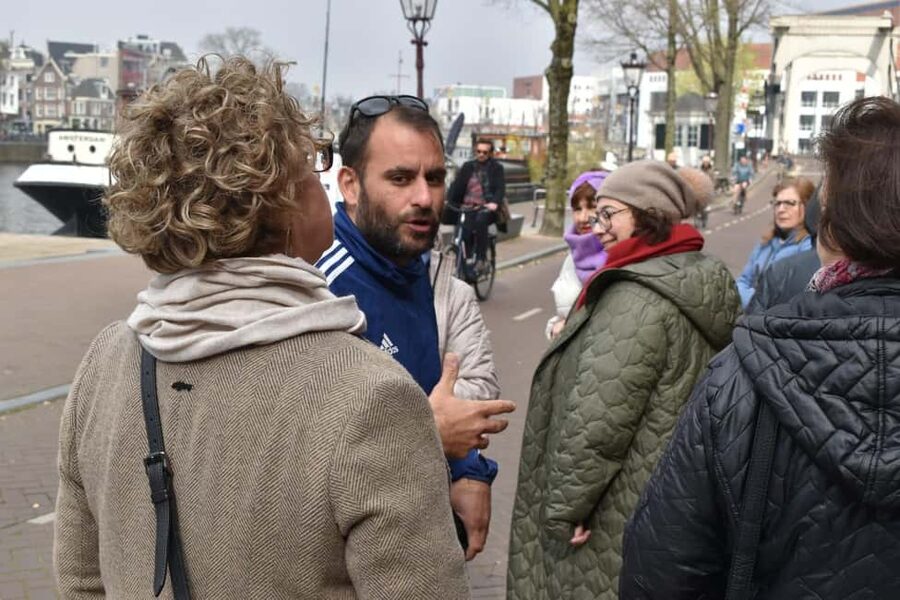
At $33 per person for about 3 hours, I see this as a strong value if you want more than just “see the sites” sightseeing.
You are paying for:
- a small-group walk with a live English guide, Antonis
- a coffee break plus bottled water
- a sweet treat
- a mini Polaroid photo souvenir
- a postcard with an official stamp and a personalized handwritten message
- the optional Anne Frank VR experience
- a guide list of recommendations, plus real tips for food and drinks nearby
A lot of tours bundle only walking and maybe a small snack. This one adds memory keepsakes and a real-world plus VR finale. That is where the price starts to feel fair, because it replaces some of the extras you would otherwise pay for separately.
Practical tips so you enjoy the 3-hour pace
This is a walking tour with a relaxed pace, but it still means you will be on your feet for about 2 hours, plus a coffee and VR segment.
Wear comfortable shoes, and bring a camera if you like photos at the canal bridges and memorial points. Also bring water and weather-appropriate clothing, because the route is outdoors and your comfort affects everything.
Two other practical notes:
- The tour is not suitable for wheelchair users.
- Expect a conversation style. If you like asking questions, you will get more out of the time.
Should you book Liberal Amsterdam with Antonis?
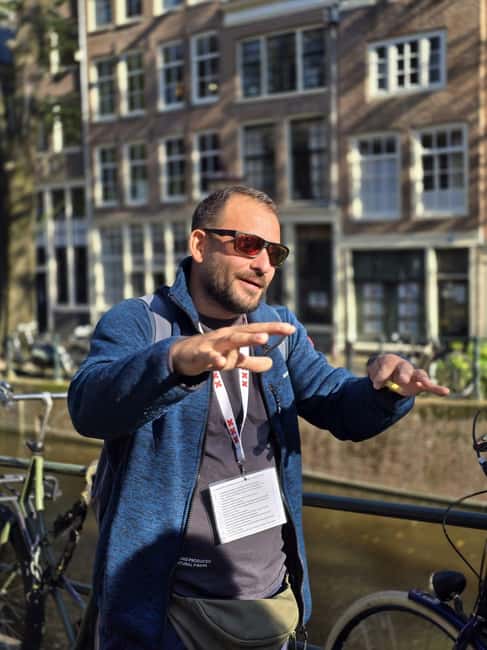
Book it if you want Amsterdam with meaning, not just a checklist. This tour is ideal for curious travelers, solo adventurers, and couples who care more about stories and context than selfies. I would also recommend it if you already know a bit of Amsterdam and you want a fresh angle on WWII, resistance, and the city’s liberal identity.
Skip it if you want an easy, purely scenic canal stroll. This walk includes Holocaust-related reflection, so it is emotionally serious in parts, with time built in for that. And if you want VR at a fixed, guaranteed moment, remember it is optional and uses a shared headset.
If you are happy with thoughtful pacing, conversation with a passionate guide, and a mix of coffee break comfort plus a powerful finale, you will probably love how this one brings the city into focus.
FAQ
How long is the tour?
The tour lasts 3 hours total. The walking portion is about 2 hours, followed by about 1 hour for the coffee plus VR session. Starting times vary, so you need to check availability.
What language is the guide?
The live tour guide speaks English.
How big is the group?
The tour is a small group, limited to 6 participants.
Where does the tour meet and where does it end?
You meet in front of De Silveren Spiegel at Kattengat 4-6. The tour ends back at the meeting point, even though the walking route finishes around Waag.
What is included in the coffee break?
The coffee break includes warm coffee, bottled water, and a local sweet surprise. The sweet can change daily.
What souvenirs do I get?
You get a mini Polaroid photo souvenir and a unique postcard with an official stamp plus a personalized handwritten message. The postcard is from Anne Frank Museum or City Archives.
Is the Anne Frank VR experience required?
No. The Anne Frank VR part is totally optional. There is one headset, so the group passes it around only if people want to try it.
What should I bring, and are snacks included?
Bring comfortable shoes, a camera, water, and weather-appropriate clothing. Snacks and drinks are not included beyond what the tour provides in the coffee break.
Is it wheelchair accessible, and what is the cancellation policy?
The tour is not suitable for wheelchair users. You can cancel up to 24 hours in advance for a full refund.
More Tours in Amsterdam




More Tour Reviews in Amsterdam

Continue through the Jewish Quarter



Newly reviewed around Amsterdam


Anne Frank & Jewish Quarter Tours, side by side.
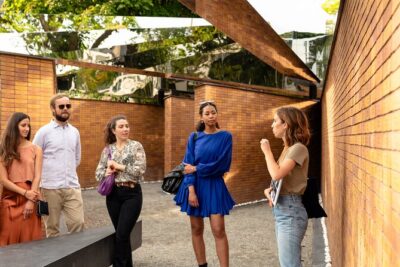 ★ 5.0Anne Frank’s Story – Guided Walking Tour through AmsterdamFrom $3911,619 reviews
 ★ 4.8Life of Anne Frank and World War II Walking TourFrom $3710,467 reviews
 ★ 4.8Anne Frank Guided Small Group Walking TourFrom $282,722 reviews
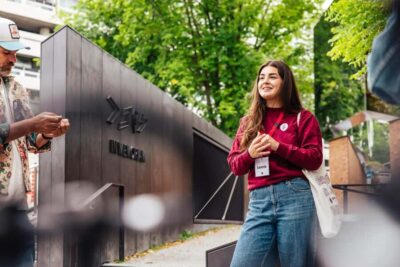 ★ 4.9Anne Frank Walking Tour – Guided in EN/DE/IT/ESFrom $282,676 reviews
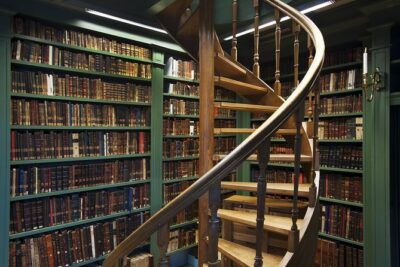 ★ 5.0Anne Frank Walking Tour Amsterdam Including Jewish Cultural QuarterFrom $751,879 reviews
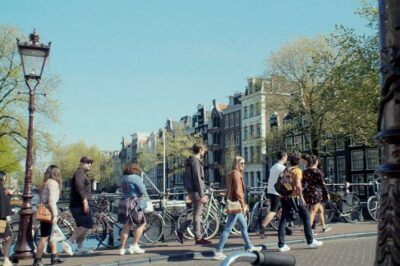 ★ 5.0Anne Frank’s Last Walk & See Anne Frank House in Virtual RealityFrom $42957 reviews
 ★ 4.7Dutch WWII Resistance Museum Entry TicketFrom $21951 reviews
 ★ 5.0Anne Frank and Jewish Quarter Amsterdam Private Walking TourFrom $157684 reviews
More ways to plan this visit