
REVIEW · ANNE FRANK & JEWISH QUARTER TOURS
Amsterdam: Dutch WWII Resistance Museum Entry Ticket
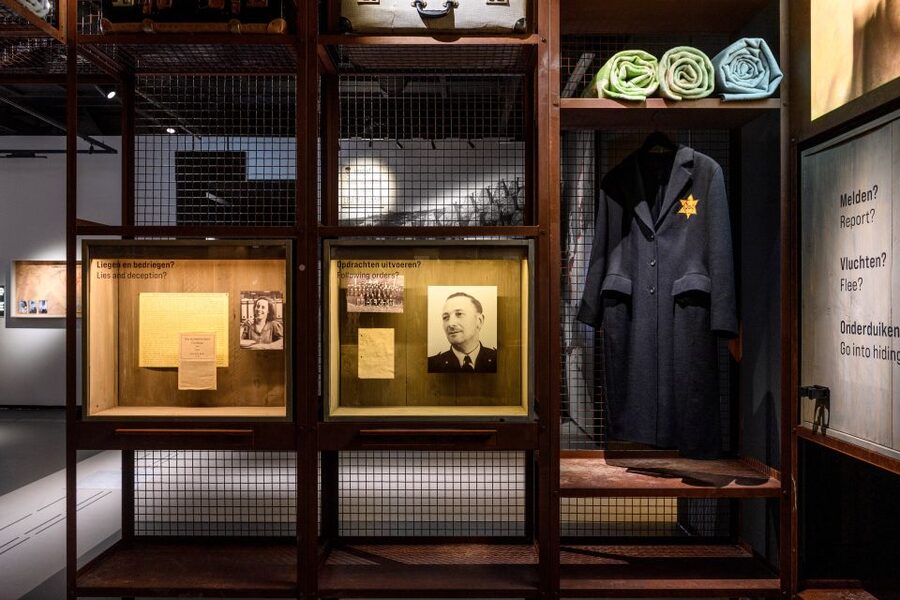
Nazi occupation, told through Dutch choices. At the Verzetsmuseum Amsterdam, I like how it turns WWII resistance into something you can see and hear, not just read in a textbook. You get an audio guide and you move through rooms of everyday resistance stories and objects. One consideration: the content is emotionally heavy, so you’ll want enough time to slow down and take it in.
This is not a single-theme museum. It covers how Dutch people responded to occupation in many ways, including strikes, forged documents, helping people go into hiding, underground newspapers, escape routes, armed resistance, and espionage.
There’s also a separate section on the Dutch East Indies and the experience of people under Japanese rule. If you only have a quick stop in Amsterdam, plan carefully, but if you can spare a solid chunk of your day, this ticket is a strong use of time.
Key Things to Know Before You Go
- Audio guide with multiple language options means you control the pace while staying in your comfort zone
- Resistance comes in many forms (not just one famous story), from paperwork to hiding people to sabotage
- Objects and personal documents help explain why ordinary choices became life-and-death dilemmas
- The Dutch East Indies and Japanese occupation section expands the WWII story beyond Europe
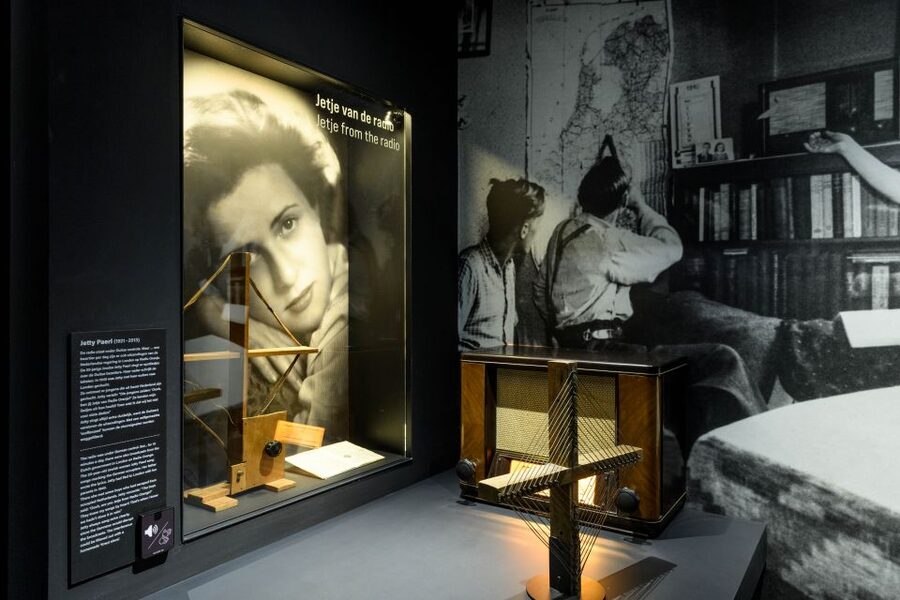
- Interactive elements and worked headsets make it easier to focus, even when the topic is grim
- Barrier-free design helps most visitors move through the exhibition without hassle
More careful routes through Amsterdam’s Jewish history
Why This WWII Museum Feels Personal, Not Just Historical
The Verzetsmuseum Amsterdam is built around the idea that resistance is bigger than dramatic moments. You’ll see how people living through the occupation faced constant pressure, fear, and impossible decisions. That focus is exactly why the museum tends to land with more weight than the standard WWII museum route.
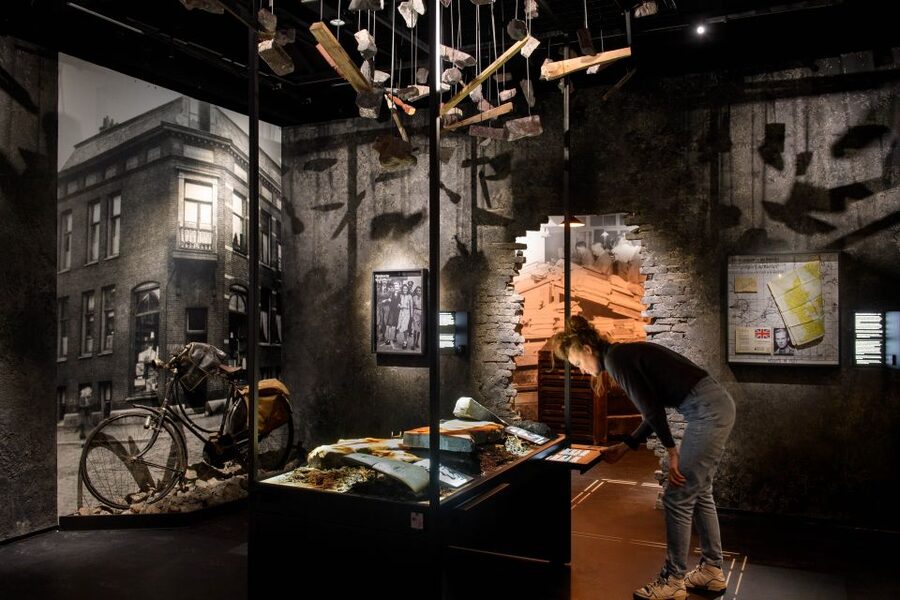
I also like how the museum balances the big picture with the human scale. You get context for what was happening in the Netherlands, then you’re repeatedly brought back to individual lives, handwritten materials, and everyday items that explain how resistance worked in practice.
One more thing: the museum doesn’t treat resistance as a simple moral scoreboard. You’ll learn about resistance groups, collaborators, and the day-to-day worries that shaped what people did next. It keeps things more honest, and it makes you think longer after you leave.
Entering the Exhibition Rooms: Resistance in Every Shape
Your visit starts at the museum counter with your ticket(s). After that, you’re free to move through the exhibition at your own pace, guided by the included audio system.
As you walk in, you’ll encounter areas that cover the different ways resistance showed up during the occupation. The museum’s themes include:
- strikes
- forging documents
- helping people hide
- underground newspapers
- escape routes
- armed resistance
- espionage
What makes this useful is that it prevents a common mistake. If you only associate resistance with weapons and action, you’ll miss how much resistance was built on small, risky work. Forged papers, coded messages, and safe houses are all forms of pushing back, and the exhibition treats them with real seriousness.
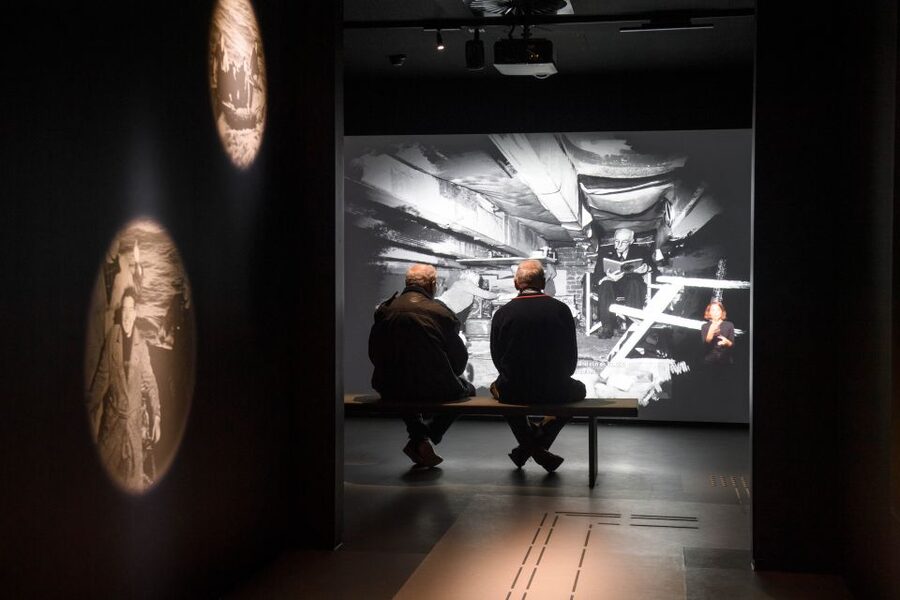
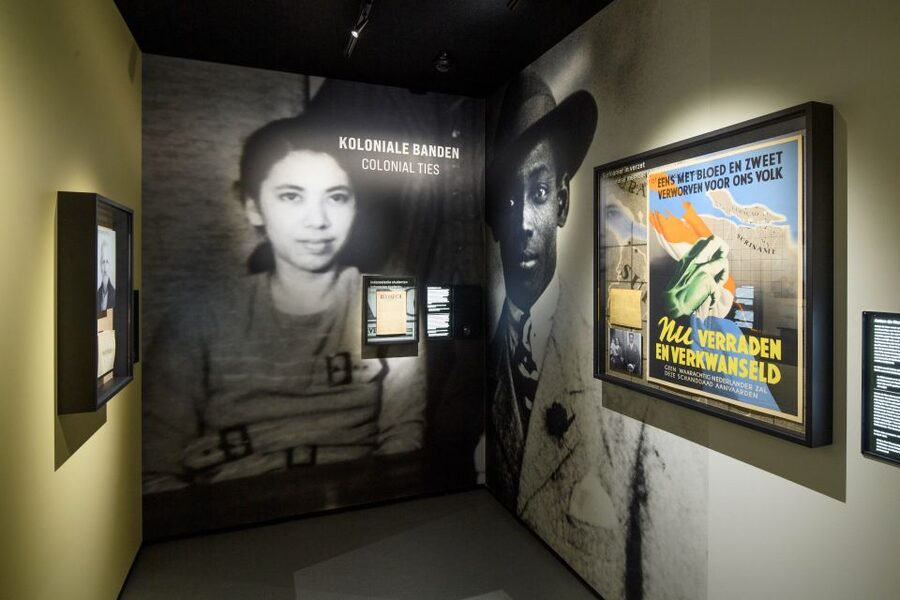
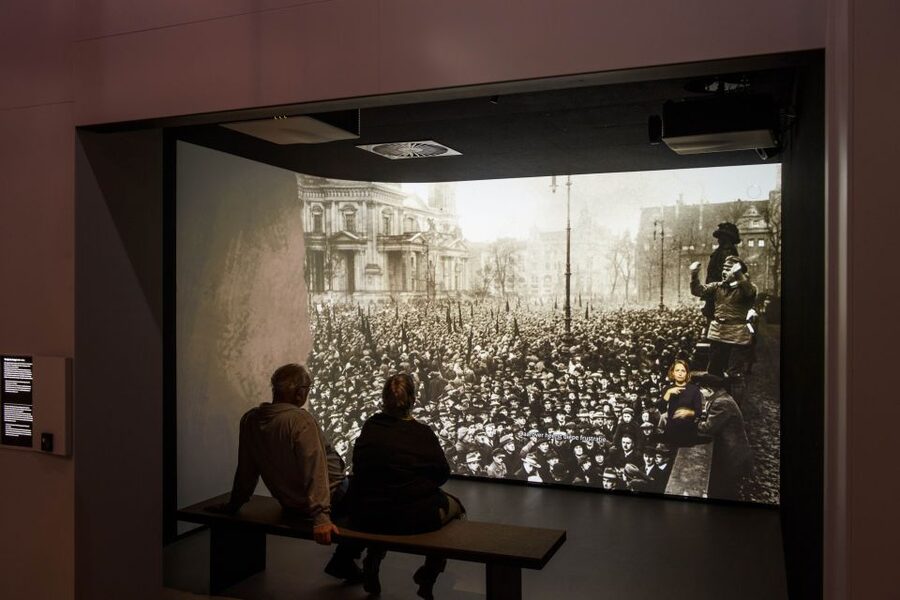
You’ll also notice walls full of photos. They help set the atmosphere of the war years, and they make the stories feel less abstract. Even if your WWII knowledge is partial, the way the exhibits introduce each topic is easy to follow, and the audio guide helps you stay oriented.
The Audio Guide System: How You Can Control What You Hear
This is a self-guided ticket, so the audio guide is the heart of the experience. It’s included, and it comes with sound options in Dutch, English, French, German, Italian, Spanish, and Portuguese.
What I found practical is the way the museum lets you choose depth. Many exhibits include audio you can trigger as you move from station to station. In addition, some visitors report using handheld units to scan QR codes at exhibits. Even if you don’t use every feature, the overall setup makes it easier to focus on what you care about rather than being forced through a fixed script.
That matters because the museum covers both the exceptional and the everyday. You might want to spend extra time on one section about resistance work, then skim faster through a more general overview. The system supports that flexible pacing.
Also, the equipment seems designed to work smoothly in practice. People highlight that headsets and stations behave well, and that the audio is accessible and easy to use. If you’ve ever had a museum audio guide fail halfway through, this is the kind of detail that can make your visit either smooth or frustrating.
Worth comparing with this Amsterdam choice:
- Amsterdam: Heineken Experience Ticket★ 4.6 · 30,055 reviews
- Amsterdam: Rijksmuseum Entry Ticket★ 4.7 · 25,535 reviews
- Amsterdam: Icebar Entry Ticket with 3 Drinks★ 4.2 · 14,562 reviews
- Amsterdam: Keukenhof Ticket and Roundtrip Shuttle Transfer★ 4.7 · 11,799 reviews
The Personal Documents and Photo-Wall Storytelling
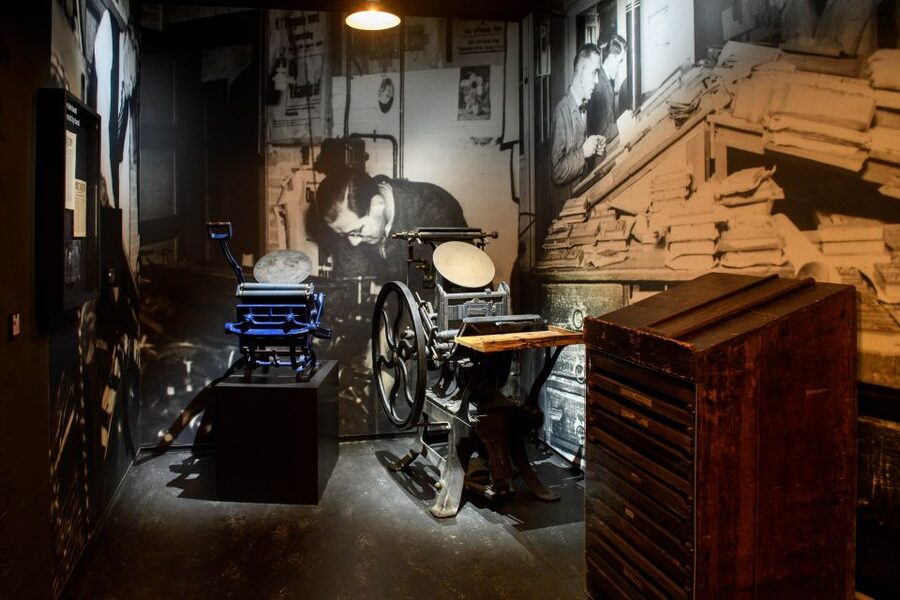
One of the strongest parts of the museum is the emphasis on personal documents. The exhibition uses moving, real-feeling materials to explain what people faced under Nazi occupation. You’ll see how people were confronted with dilemmas, forced into choices, and affected in ways that weren’t always obvious from the outside.
This is more than a design choice. It changes how you process history. Instead of thinking resistance is only a list of events, you start to understand the constant tension behind those events: fear, survival, and the consequences of being wrong.
The photo walls do the same job, but in a different way. They give you faces, names, and scenes that make it harder to distance yourself from what happened. That’s when the museum earns its reputation for being both informative and thought-provoking.
If you’re sensitive to heavy topics, this is where you’ll feel it most. Expect the museum to ask you to sit with difficult realities, not just learn facts and move on.
The Dutch East Indies Section: A WWII Story You Should Not Miss
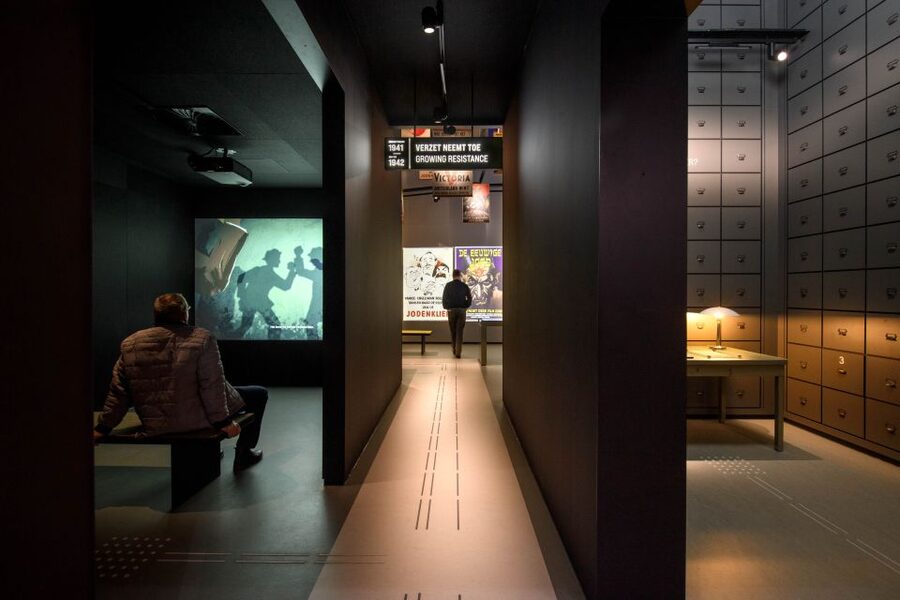
Another reason I’d recommend this museum to more than just WWII buffs is the dedicated focus on the Dutch East Indies. The exhibition includes a section that covers people from the former colonies and their harrowing experiences under the Japanese regime of terror.
This matters because it widens the lens. Many people come to Amsterdam’s WWII story thinking only about Germany and Western Europe. Here, the museum connects the dots so you understand WWII as a much larger conflict affecting more regions and more communities than the usual Europe-only timeline.
When you leave this section, the rest of the museum hits differently. You start comparing how occupation and terror functioned across contexts, and you also see how vulnerable civilians were to the decisions of occupying forces.
If you want a museum that makes WWII feel like one interconnected, global tragedy instead of separate textbook chapters, that East Indies segment helps a lot.
How Long to Stay, and How to Pace It
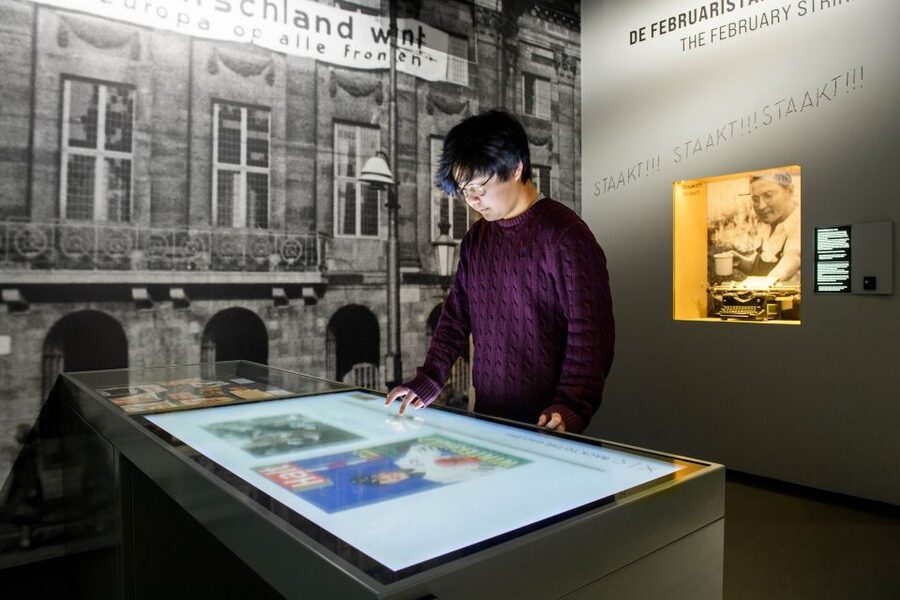
The museum is often described as having lots more inside than you’d guess at first glance, so give yourself room to move slowly. A practical target is about 2-3 hours if you want to follow many exhibits and actually listen to the audio.
If you rush, you’ll still get the overall message, but you’ll miss the details that make this museum special: the personal objects, the small moments of explanation, and the parts that require a bit of emotional processing.
Here’s a pacing approach that works well:
- Start with the main resistance themes so you understand the categories first.
- Then move into personal documents and photo-heavy areas.
- Save the East Indies section for later when you’re ready for a heavier emotional shift.
The exhibition includes “see, hear, and read” formats, including stories and objects. That variety is great, but it also means your attention will naturally drift in different ways depending on the station. Giving yourself time keeps the visit from turning into a checklist.
Value and Ticket Price: Why $21 Can Be a Good Deal
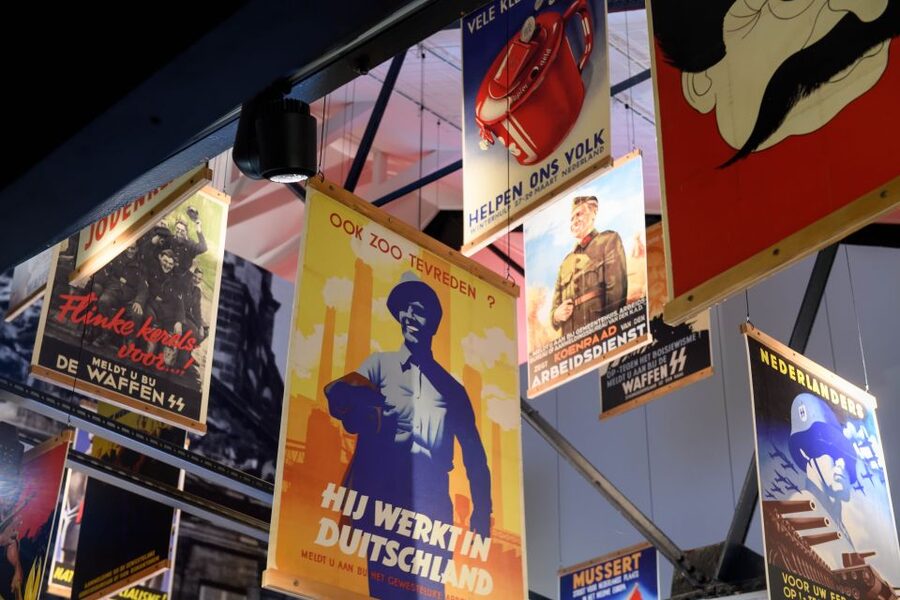
At about $21 per person, this ticket can be good value, mainly because the entry includes the audio guide and you can spend the time you need. You’re not paying for a rushed guided walk where you have to keep up. Instead, you get a structured museum plus a multi-language audio system that lets you pause when something matters.
Also, the included audio guide is a real advantage for language and comfort. If you’re traveling as a couple or family and each person has different knowledge levels, the audio helps everyone stay engaged without someone feeling lost.
One more value point: the museum’s scope is wide. You’re not only learning about one resistance method or one group. You’re getting coverage of strikes, forged documents, underground newspapers, escape routes, espionage, armed resistance, and the Dutch East Indies chapter as well. For many visitors, that breadth is what makes the ticket feel justified.
Accessibility and Museum Layout: Moving Through Without Stress
This museum is listed as wheelchair accessible. From the way the exhibition is described, the layout is designed for smooth movement through the experience, not tight turn-by-turn navigation.
I’d still suggest you plan for comfort if you’re sensitive to long indoor time, because the museum’s content is not light. Even if the physical accessibility is good, the mental pacing matters. If you know you may need breaks, build them in rather than trying to “power through.”
Some visitors also mention handheld audio devices that allow sitting down at intervals. Even without that specific device option, the museum format is station-based, so you can step out, reset, and come back in.
Pair It With Another WWII Stop in Amsterdam
If you want to connect this museum to the city itself, you might consider adding a nearby related site. One landmark that comes up is Hollandische Schouwburg, now a memorial, which can make the deportation story feel more real once you’ve learned about resistance and occupation pressures inside the museum.
You don’t have to turn your day into an intense history marathon. Use the museum as your main anchor, then pick one extra stop if your energy is there.
Should You Book This Amsterdam WWII Resistance Museum Ticket?
Book it if you want a WWII museum that explains how resistance worked in real life, not just in heroic slogans. I think it’s especially worth it when you value personal documents, audio storytelling, and a structure that covers many resistance methods, plus the Dutch East Indies section.
Don’t book it if you only want a light, quick sightseeing break. The topic is heavy, and you’ll get the best results when you can slow down for a couple of hours.
If you like history that connects to choices people had to make under pressure, this ticket is a strong way to spend your day in Amsterdam, with audio guide convenience and a museum experience that keeps the story human.
FAQ
How long should I plan to spend at the Dutch Resistance Museum?
You should plan for about 2-3 hours if you want time to listen to many exhibits and take in the full exhibition flow.
Is an audio guide included with the entry ticket?
Yes. The entry ticket includes an audio guide.
What languages are available for the audio guide?
The audio guide is available in Dutch, English, French, German, Italian, Spanish, and Portuguese.
Do I need a live guide for this experience?
No. A guide is not included. You explore independently with the audio guide.
Where do I show my ticket when I arrive?
Please show your ticket(s) at the museum counter.
Is the museum wheelchair accessible?
Yes, it is listed as wheelchair accessible.
Can I cancel the ticket if I need to change plans?
You can cancel up to 24 hours in advance for a full refund.
More Tickets in Amsterdam






More Tour Reviews in Amsterdam




Continue through the Jewish Quarter






Newly reviewed around Amsterdam




Anne Frank & Jewish Quarter Tours, side by side.
 ★ 5.0Anne Frank’s Story – Guided Walking Tour through AmsterdamFrom $3911,619 reviews
 ★ 4.8Life of Anne Frank and World War II Walking TourFrom $3710,467 reviews
 ★ 4.8Anne Frank Guided Small Group Walking TourFrom $282,722 reviews
 ★ 4.9Anne Frank Walking Tour – Guided in EN/DE/IT/ESFrom $282,676 reviews
 ★ 5.0Anne Frank Walking Tour Amsterdam Including Jewish Cultural QuarterFrom $751,879 reviews
 ★ 5.0Anne Frank’s Last Walk & See Anne Frank House in Virtual RealityFrom $42957 reviews
 ★ 5.0Anne Frank and Jewish Quarter Amsterdam Private Walking TourFrom $157684 reviews
 ★ 4.3Canal Cruise from Anne Frank MuseumFrom $18563 reviews
More ways to plan this visit