
REVIEW · ANNE FRANK & JEWISH QUARTER TOURS
Amsterdam: The Life of Anne Frank Walking Tour
Anne Frank’s story starts long before the Annex.
This 1.5-hour walk gives you a street-level look at her childhood in Amsterdam South, with stops tied to schools and the diary that made her famous. You get the context that usually gets skipped when everyone rushes straight to the house. The big catch is that this tour is about the outside places and the background, not inside access.
I like how the pace stays manageable while the guide turns ordinary corners into meaningful history, and I also like the off-the-radar setting in a neighborhood many first-time visitors miss. A drawback to weigh: it involves walking, and it does not include entry to the Anne Frank House.
Key Stops and Why They Matter
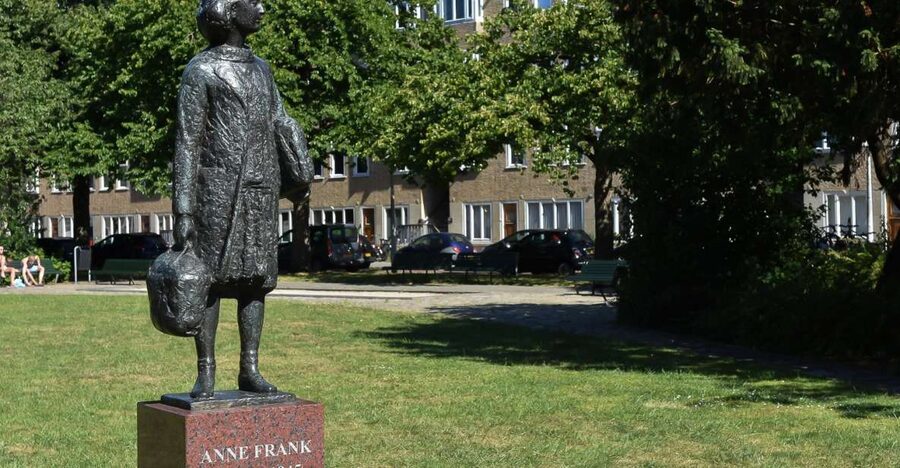
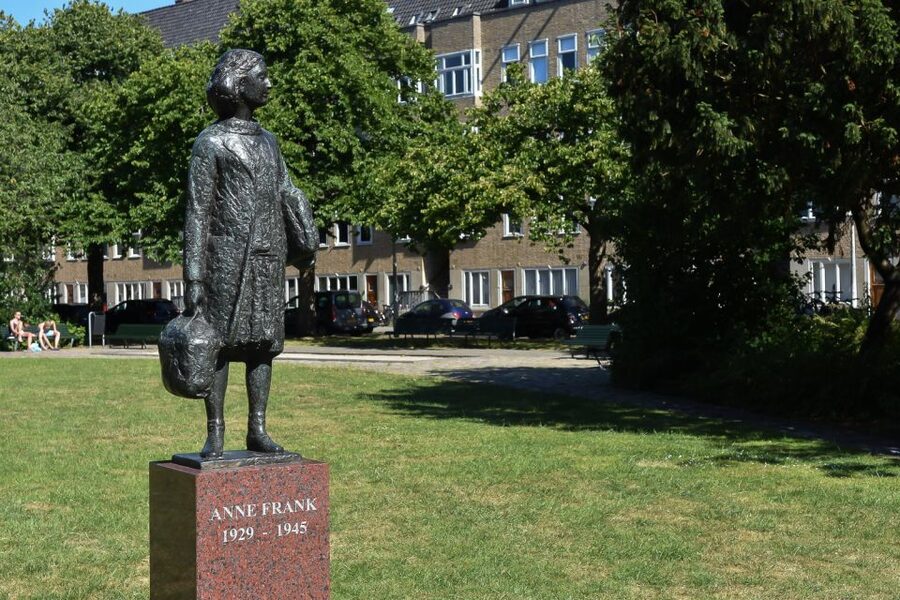
- Anne’s statue at Merwedeplein anchors the tour in her real neighborhood, not just the famous building
- Schools and street scenes show how her daily life worked before hiding started
- The bookstore stop connects to the diary moment that later became world reading
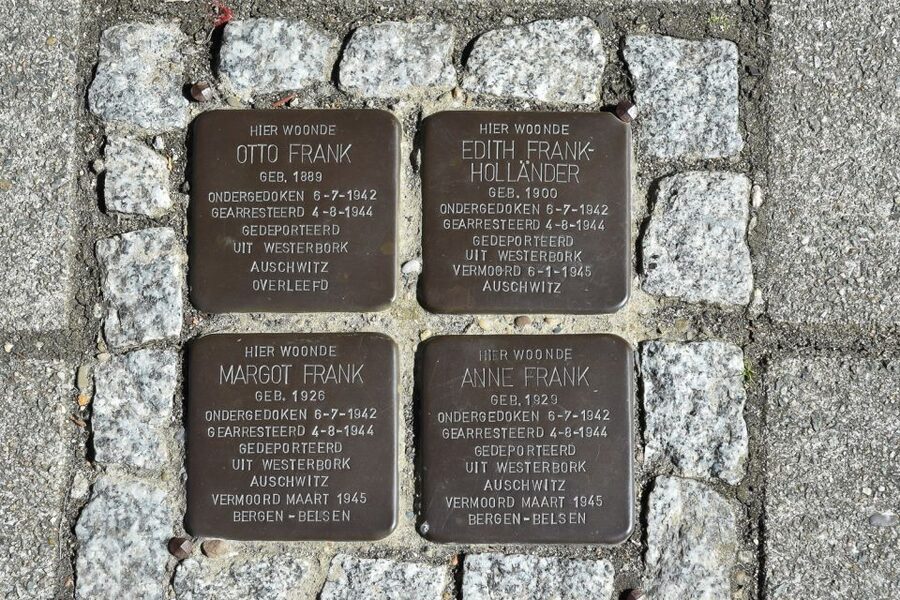
- Miep Gies’ home highlights the helpers who protected the family and preserved the diary
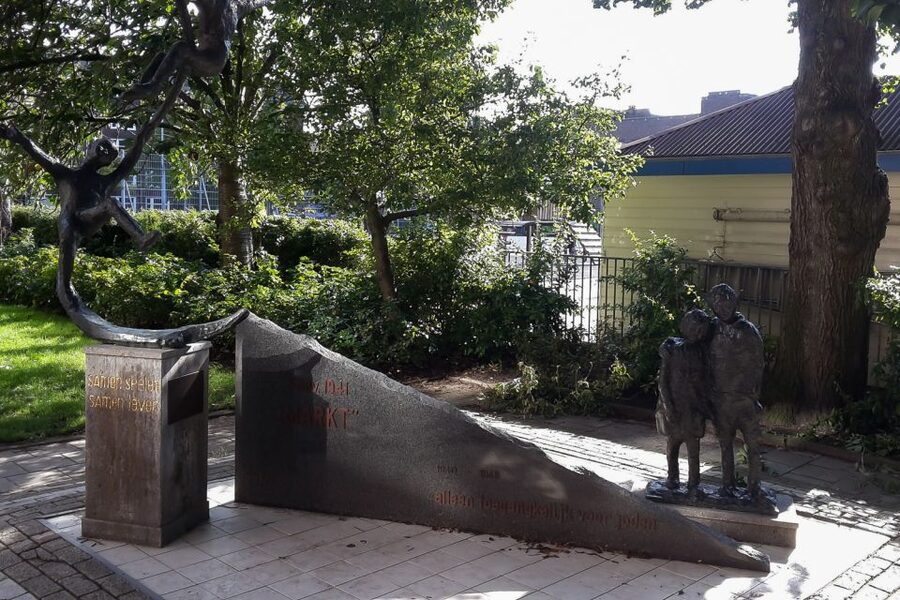
- Amsterdam-Zuid streets from the 1920s and 1930s show how planning and housing shaped community life
More careful routes through Amsterdam’s Jewish history
Anne Frank Before the Secret Annex: What You Actually See
Most people know Anne Frank through one locked-in image: the Secret Annex. This tour helps you widen that view. You start with the person she was before the hiding began, and you learn how a young girl growing up in Amsterdam formed her opinions, her routines, and her voice.
You also get grounded facts that make the story feel less like a museum script. Anne was born June 12, 1929, in Frankfurt am Main. In 1933, her family moved to Amsterdam because Otto Frank was looking for safety as antisemitism rose in Germany. That is the human starting point. Everything else on the walk makes more sense when you keep it in view.
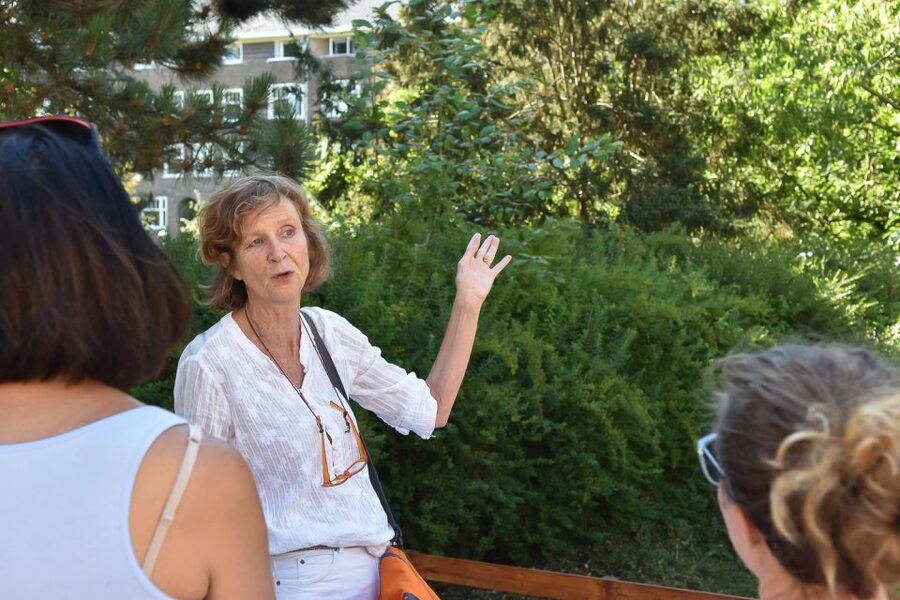
The format is simple: a live English guide leads you past places connected to her early years, with time for questions and discussion. One key point for your expectations, this is not a silent walk where you are left to piece together the puzzle. It is a narrative stroll where the guide explains why each address matters.
Amsterdam-Zuid Matters More Than You Think
The tour takes place in Amsterdam South, in a part of the city built largely in the 1920s and 1930s. If you have only explored the canal core and the top sights, this area can feel like a different Amsterdam. The streets and planning here reflect older ideas about housing and community life, so you can picture where people spent their days.
This is also where the tour quietly delivers value. You are learning Anne Frank’s story, but you are doing it without being trapped in the heaviest tourist flow around the most famous sites. You get a sense of neighborhood rhythm. That matters because Anne’s diary was not written by someone living in isolation. She was a normal kid in a real city, with real streets around her.
I especially like that the tour does not try to turn Amsterdam South into a generic “history lesson.” The guide ties the places back to the way Anne lived, learned, and looked at the world.
Merwedeplein 61 Start Point and How to Set Your Pace
You meet at Merwedeplein 61, on Square Merwedeplein, in Amsterdam South, in front of the statue of Anne. That is not just a convenient spot. It is a clever way to set context immediately, you begin in her actual neighborhood area rather than traveling in after the fact.
The tour returns to the same meeting point after about 1.5 hours. That helps you plan the rest of your day. If you have another timed entry elsewhere, this one is a good “in-between” activity.
Since it includes “a small amount of walking,” you should bring the basics that keep you comfortable instead of planning to tough it out. Comfortable shoes matter. A camera helps because you will see specific outside landmarks you can later connect with what you learned.
Amsterdam at street level, a few more routes
- Anne Frank’s Story – Guided Walking Tour through Amsterdam★ 5.0 · 11,619 reviews
- Amsterdam: Life of Anne Frank and World War II Walking Tour★ 4.8 · 10,467 reviews
- Absolutely Amsterdam – the Essential Introductory Walking Tour★ 5.0 · 3,629 reviews
- Amsterdam: Anne Frank Guided Small Group Walking Tour★ 4.8 · 2,722 reviews
School Buildings and Street Corners That Shaped Anne
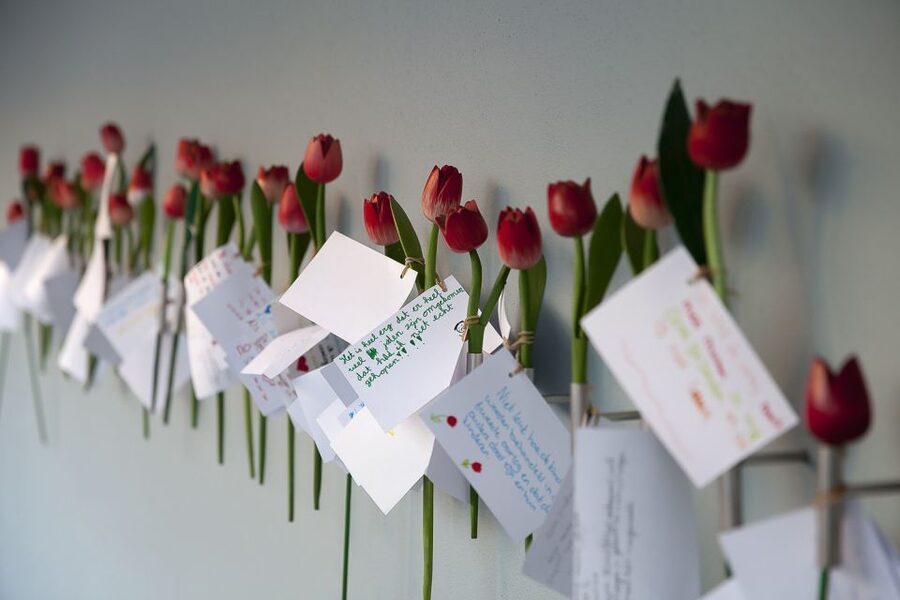
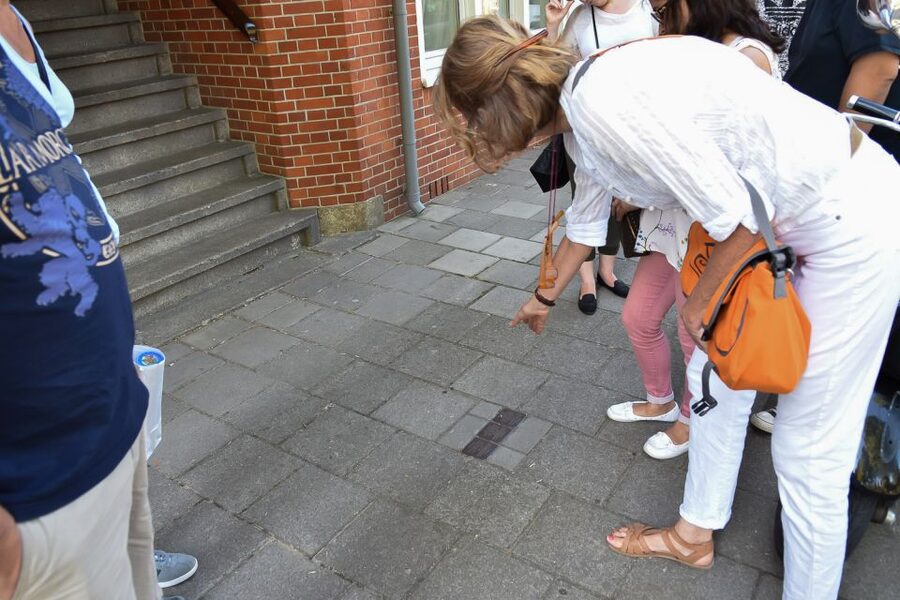
Anne Frank’s childhood was built around education and everyday life. On this walk, you see the schools and neighborhoods connected to her earlier years. Even when you are only viewing buildings from the outside, the guide helps you understand what daily routines might have looked like.
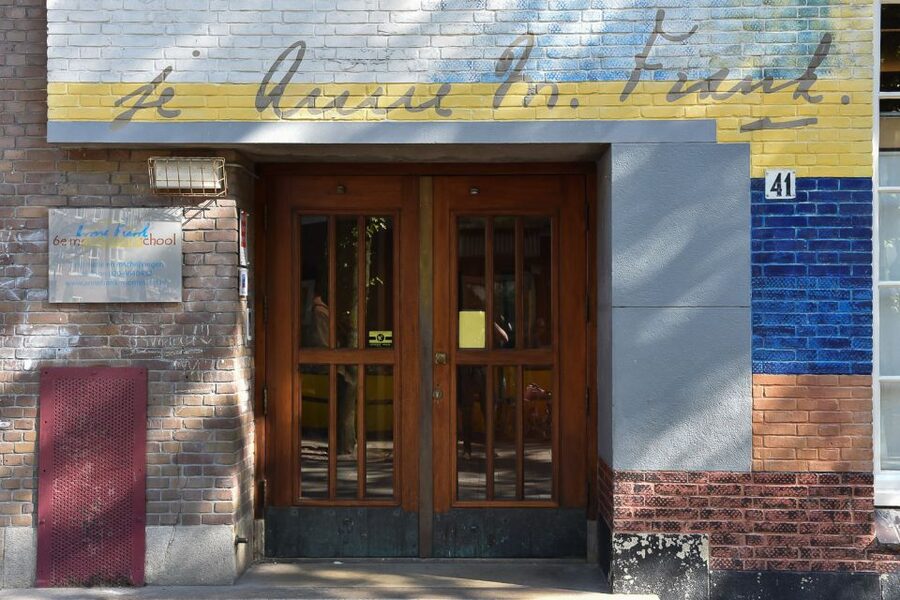
One of the especially memorable moments on this kind of tour is how it makes learning feel concrete. The route includes the kind of school architecture and campus setting that helps you picture where Anne walked, waited, and spent her time. In one account of the experience, the Montessori school building stood out as a real-feeling clue to her childhood world.
Here is what to watch for on your end: do not treat the stops like checkboxes. Let the guide’s explanations land, then look again at what you are seeing. A quiet street or a school facade can start to “make sense” once you know what role it played in her life.
The Bookstore Stop and the Diary Story That Became World Famous
The tour includes seeing the bookstore where Anne bought her diary. This is one of those stops that feels small at first, then grows on you once you connect it to the outcome. You know the diary today as one of the most widely read books in history, with more than 30 million copies sold. Standing near the kind of shop where it began helps you remember the diary started as a personal object, not a global artifact.
This is also where the story becomes about the transformation of thoughts into words. The diary was written while Anne and her family were hiding from Nazi occupiers during World War II. The diary was published after her death, and it reached readers worldwide because it captured more than fear. It captured a mind processing injustice, family life, and identity in real time.
What makes this stop worth your attention is that it is not only about the famous document. It is about the ordinary moment of buying a diary, the start of writing, and the idea that a child’s voice can outlast her circumstances.
Miep Gies and the Helpers You Hear About Later
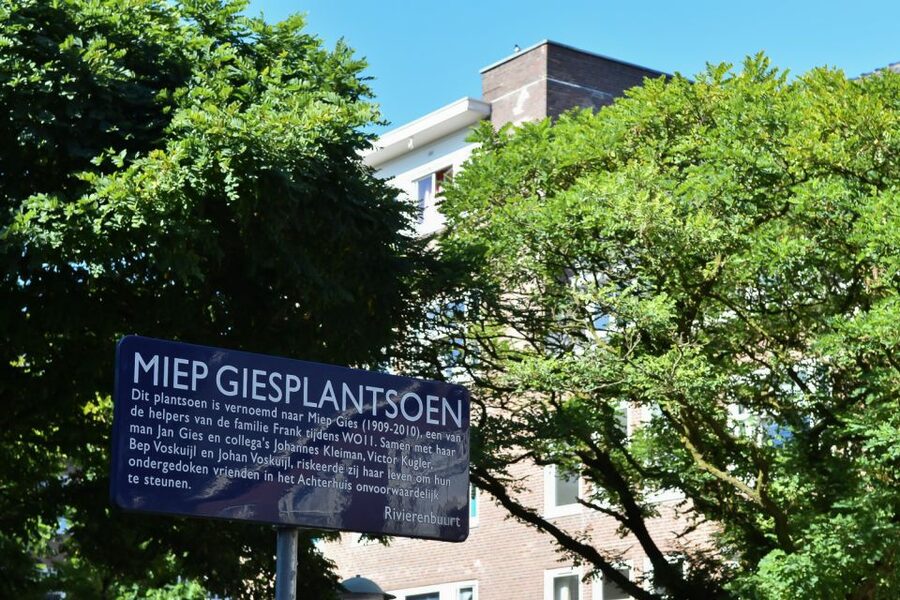
A major highlight on the walk is discovering the home of Miep Gies, one of the courageous helpers connected to the family. Miep Gies is also known as Otto Frank’s secretary, and she later helped preserve Anne’s diary after the arrest. That detail gives the story a second layer: survival was not only about the hidden rooms, it was also about the people willing to risk themselves.
On this tour, you do not go inside. You pass the home and learn the background so the address becomes meaningful. That approach works well for most people, because it keeps the focus on understanding rather than waiting in a line.
If you want the strongest impact from this stop, listen for how the guide frames courage. It was not a dramatic movie moment. It was a network of choices, secrecy, and responsibility that continued even after the arrest.
Off-the-Tourist-Trail Architecture and Neighborhood Life in the 1920s and 1930s
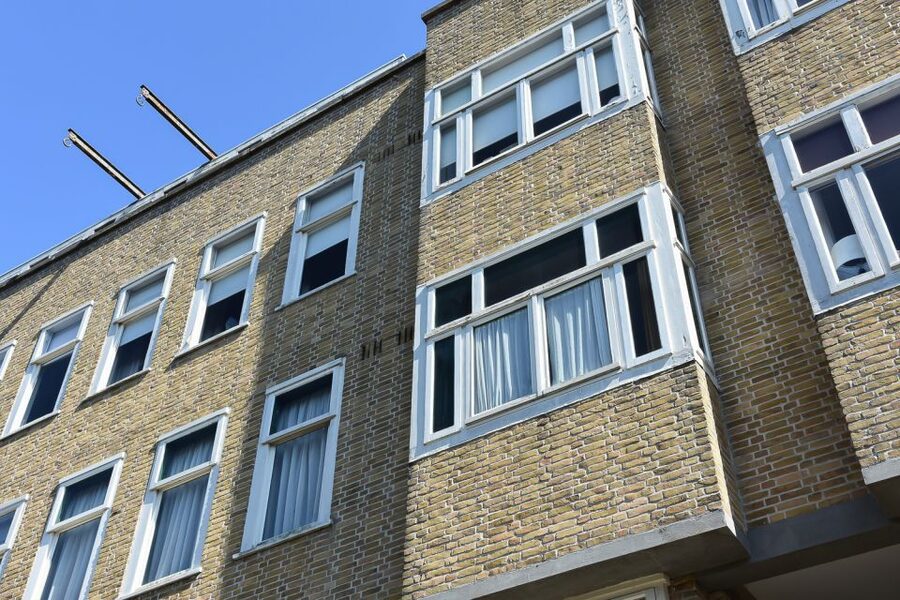
One reason the tour ends up feeling better than expected is the setting. Amsterdam South was built with planning and housing ideals from the 1920s and 1930s. That means the streets you walk help you picture how neighborhoods worked beyond the postcard canals.
This matters because Anne Frank’s story is not only about what happened during the hiding. It is also about where she lived before it, and how a city’s built environment shapes daily life. School commutes, neighborhood networks, and the everyday texture of streets are part of the human story behind the diary.
This is also a good reminder for you if you have been to Amsterdam before. You can return and still find new angles. Even if you have done other Anne Frank-related sights, this neighborhood focus can change how you interpret what you already saw.
Timing, Group Feel, and the Practical Details That Keep It Smooth
The tour runs for 1.5 hours in English. It is designed as a walking experience, with a small amount of walking. That makes it a solid choice if you are squeezing history into a day that also includes canals, museums, and food.
The guide style is part of the value here. The experience is described as energetic, with a lot of facts, and with plenty of room for questions. If you enjoy interactive tours where you can ask a follow-up and get a real answer, this format should fit.
You also get a helpful clarity upfront: this tour does not grant access or allow entry to the Anne Frank House. If your priority is going inside the Secret Annex, you will need a separate plan for that. Think of this walk as the “before” story, which makes the later sites hit harder.
Price and Value: Is $18 for 1.5 Hours Fair?
At $18 per person for a 1.5-hour guided walking tour, the cost is pretty reasonable for what you get. Your ticket covers the guide, the walking tour itself, and taxes and handling charges.
The value equation changes if you are expecting the Anne Frank House ticket included. It is not. So if you want both the neighborhood context and the interior entry, you should budget for the house separately.
Still, there is a smart way to use this price point. If you want Anne Frank context but you do not want to spend half your day in lines, this tour gives you meaningful background at a lighter time cost.
What to Bring, and What to Plan For
Bring comfortable shoes. Bring an umbrella if rain is on the forecast, because the tour is outdoors. A camera helps too, since you will want pictures of the specific street locations connected to the story.
Two practical “know before you go” notes are worth your attention. Pets are not allowed. And it is not suitable for people with mobility impairments or wheelchair users.
If you are on the edge with mobility, be honest about what you can handle for 1.5 hours of walking. Even if the walk is described as small, the route is still outdoors and you may be standing at stops for discussion.
Who Should Book This Tour (and Who Might Skip It)
This tour is a great fit if you want the Anne Frank story with more texture. It is ideal for people who have time for a short walking activity and prefer neighborhood-scale history over large indoor crowds.
I also think it works well if you already plan to visit the Anne Frank House. Seeing the broader early-life context first can make the House experience feel less like a standalone tragedy and more like a chapter in a longer life.
You might skip it if your top goal is only to enter the Anne Frank House and you do not want to add any extra walking. Also skip if mobility limitations make walking difficult.
Should You Book This Anne Frank Walking Tour in Amsterdam South?
Book it if you want to understand Anne Frank as a kid in her real city, not only as a headline. The combination of early-life school stops, the diary bookstore connection, and Miep Gies’ link gives the story an emotional and practical backbone.
I would especially recommend it for first-timers who feel like they see only the famous center. Amsterdam South offers a different angle, with older neighborhood planning that helps the history feel lived-in.
If you need inside access to the Secret Annex, remember this tour does not provide that. Plan accordingly, and you will get the best of both worlds.
If you like guides who are energetic, answer questions clearly, and help you connect addresses to meaning, this is the kind of tour that can make your Amsterdam day feel purposeful.
FAQ
How long is the Anne Frank walking tour?
The tour lasts about 1.5 hours.
Where does the tour start and end?
You meet at Merwedeplein 61, Square Merwedeplein, in Amsterdam South, in front of the statue of Anne. The tour returns to the same location.
Is the Anne Frank House entry ticket included?
No. The tour does not include entry to the Anne Frank House and does not provide access to it. It shows the area connected to where Anne grew up.
What language is the tour offered in?
The live guide speaks English.
Is this tour suitable for wheelchair users or people with mobility impairments?
No. It is not suitable for people with mobility impairments or wheelchair users.
What should I bring?
Bring comfortable shoes, an umbrella, and a camera.
Can I cancel, and is there a pay-later option?
Yes. You can cancel up to 24 hours in advance for a full refund. You can also reserve now and pay later.
More Tours in Amsterdam






More Tour Reviews in Amsterdam






Continue through the Jewish Quarter




Newly reviewed around Amsterdam




Anne Frank & Jewish Quarter Tours, side by side.
 ★ 5.0Anne Frank’s Story – Guided Walking Tour through AmsterdamFrom $3911,619 reviews
 ★ 4.8Life of Anne Frank and World War II Walking TourFrom $3710,467 reviews
 ★ 4.8Anne Frank Guided Small Group Walking TourFrom $282,722 reviews
 ★ 4.9Anne Frank Walking Tour – Guided in EN/DE/IT/ESFrom $282,676 reviews
 ★ 5.0Anne Frank Walking Tour Amsterdam Including Jewish Cultural QuarterFrom $751,879 reviews
 ★ 5.0Anne Frank’s Last Walk & See Anne Frank House in Virtual RealityFrom $42957 reviews
 ★ 4.7Dutch WWII Resistance Museum Entry TicketFrom $21951 reviews
 ★ 5.0Anne Frank and Jewish Quarter Amsterdam Private Walking TourFrom $157684 reviews
More ways to plan this visit