
REVIEW · WALKING TOURS
Amsterdam Small-Group Walking Tour
Amsterdam makes sense on a short walk. This 2.5-hour small-group tour turns famous postcard spots into a story you can actually follow, from canals and commerce to the city’s tougher chapters. What I like most is that it’s built for getting oriented fast without feeling rushed.
My second favorite part is the way the guide connects layers of Amsterdam, not just dates and buildings. You’ll hear how a muddy settlement on the Amstel became a trading powerhouse in the Dutch Golden Age, and then you’ll watch those themes shift into modern social history. In particular, guides like Rob and Laura are praised for an upbeat, question-friendly style that keeps the pace easy.
One thing to consider before you go: this walk includes sensitive topics and some walking on uneven streets. If that makes you uneasy, or if you need very limited walking, you should think twice and ask the operator what route and terrain to expect.
Key highlights at a glance
- A tight 2.5-hour walk that helps you understand Amsterdam on day one
- Golden Age stories plus modern social history, including Red Light District context
- Real landmarks and courtyards, with guided stops like Begijnhof
- Small group size (up to 10) that makes it easier to ask questions
- Guide energy that varies in a good way, from dry humor to warm, practical tips
- A route that includes photo stops and short visits, so you don’t feel stuck in one spot
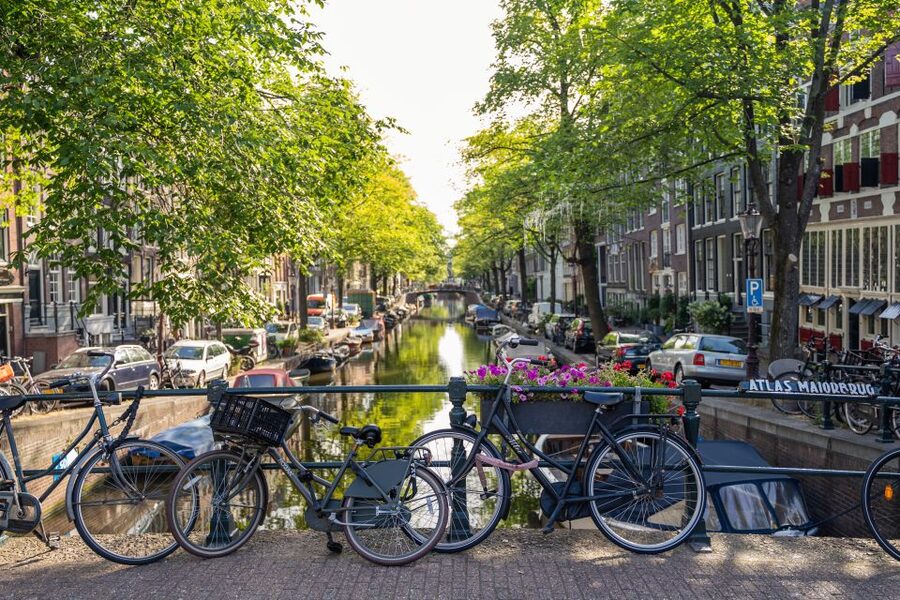
Amsterdam at street level, a few more routes
Why $20 for 2.5 hours feels like good Amsterdam value
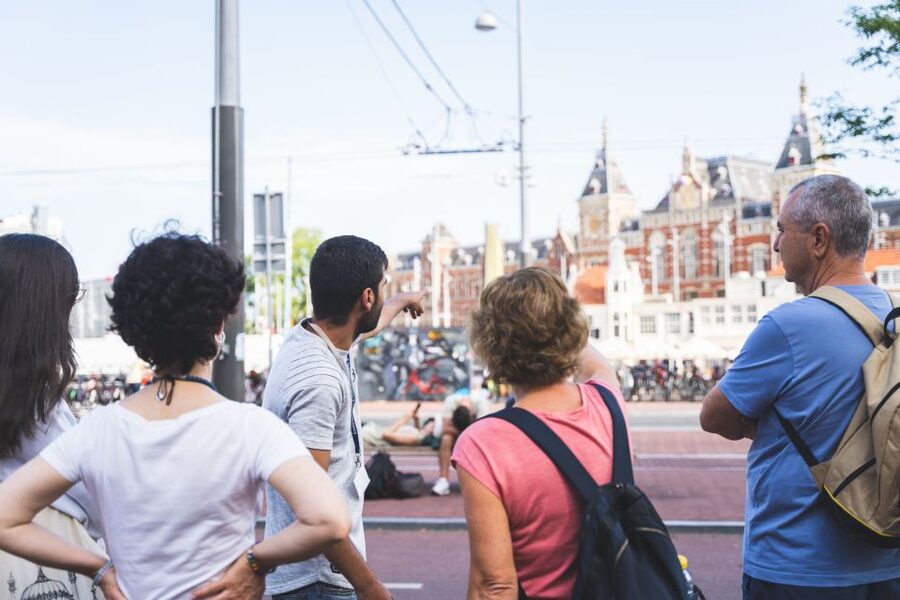
At $20 per person, this tour is priced like an “orientation” product, not a museum ticket. And that matters in Amsterdam, where you can spend a full day paying entry fees and still not know why the city looks the way it does.
You’re paying for three things: time, storytelling, and direction. The time is the 2.5-hour window, long enough to cover a meaningful slice of the center but short enough to leave you flexible for a coffee, a canal cruise later, or a museum booking. The storytelling is what makes the landmarks connect, so Dam Square, churches, and courtyards feel like part of one human timeline instead of separate photo backdrops. And the direction is practical: by the end, you should know where you are, which neighborhoods are nearby, and how the city “works” at street level.
The small-group setup, limited to 10 participants, is also a value booster. In a city where you can easily get stuck behind crowds, a smaller group makes it easier to follow along and hear the guide. People have noted that some groups are even smaller, which can turn the walk more personal and conversational, like when Toni encouraged questions and kept things relaxed.
Starting at Beursplein 1: where modern Amsterdam meets old trade
The tour begins at Beursplein 1, a smart choice because it sits in the heart of the central business-and-legacy zone. Even before you hit the big squares, you’ll start hearing the bigger idea behind Amsterdam: this city didn’t grow just because it was pretty. It grew because it was useful, profitable, and connected.
In the first stretch, you get a guided introduction at Beursplein itself, which sets the tone for everything that follows. You’ll start with trade, shipping, merchants, and the way wealth shaped the city’s layout. It’s one of those early moments where you can almost “read” the streets differently after the explanation.
Practical win: this early start also helps you later. If you return to the center on your own, you’ll recognize what you’re seeing and why it’s there. That’s the kind of confidence you want on a first visit, especially in a city where canals can make directions feel deceptively simple from one bridge and confusing from the next.
Dam Square and the Royal Square of power
Next comes Dam Square, one of the most central and recognizable spaces in Amsterdam. You’ll get a short, focused guided stop that’s less about standing around and more about giving you context for what you’re looking at. Dam Square is where Amsterdam’s public life spills into your view, and the guide uses that stage to explain how the city’s identity formed.
From there, the tour moves into iconic church-and-palace territory. You’ll make a brief stop at the Nieuwe Kerk for a photo moment, then another photo stop at the Royal Palace. The key here is what the guide does with your attention: they don’t just point at “big famous buildings.” They connect the religious and political significance to the way Amsterdam developed its institutions.
Potential drawback: because some stops are photo stops, you may feel like you blink and you miss a few details if you’re the type who likes to linger. The tradeoff is that you keep moving and you still cover a lot in 2.5 hours.
- Amsterdam Classic Saloon Boat Cruise with Drinks and Cheese★ 5.0 · 31,825 reviews
- Amsterdam Luxury Canal Cruise + Unlimited Drinks & Bites option★ 5.0 · 30,518 reviews
- Amsterdam: Heineken Experience Ticket★ 4.6 · 30,055 reviews
- Amsterdam: Rijksmuseum Entry Ticket★ 4.7 · 25,535 reviews
Zeedijk and Nieuwmarkt: where everyday city life tells the story
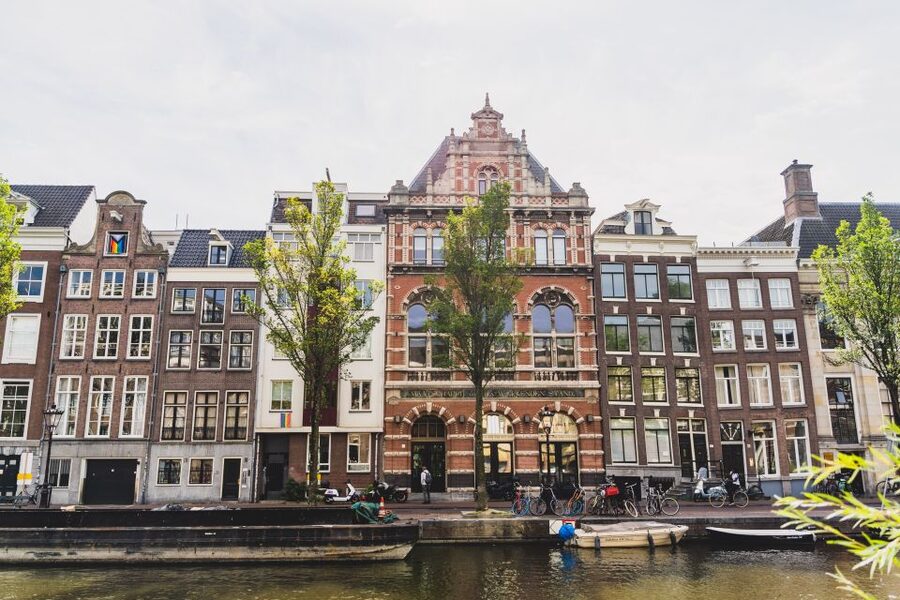
Then you get into Zeedijk Street for a guided segment. This area feels more grounded and less “museum-lined,” and that’s exactly why it works. Amsterdam’s history is not only written in palaces. It’s written in streets where people lived, worked, shopped, and carried traditions through changing times.
After that, you’ll reach Nieuwmarkt Square, with guided time to look around and understand what made this neighborhood important. You’ll also spend time in the Jewish Cultural District, which helps explain Amsterdam’s community history in a way that’s usually missing when you only see the glossy highlights.
This is one of the tour’s strongest points for first-timers: it gives you a framework for understanding why certain parts of the city carry specific cultural weight. And it sets up the more sobering historical segments the guide brings into the walk, including the Nazi occupation and the story of Anne Frank.
If you’re sensitive to heavy topics, it’s worth noting that the guide is bringing these subjects into a walking rhythm, not turning it into a classroom lecture. Still, don’t plan a “light and fun only” day if you’re not comfortable with WWII history and human loss.
Zuiderkerk and Begijnhof: two kinds of calm, both worth your time

You’ll pause at Zuiderkerk for a photo stop. Even when you don’t go inside, this kind of stop matters because it gives you scale and style. It’s a reminder that Amsterdam’s skyline isn’t just modern rooftops. There’s a long architectural story above your head.
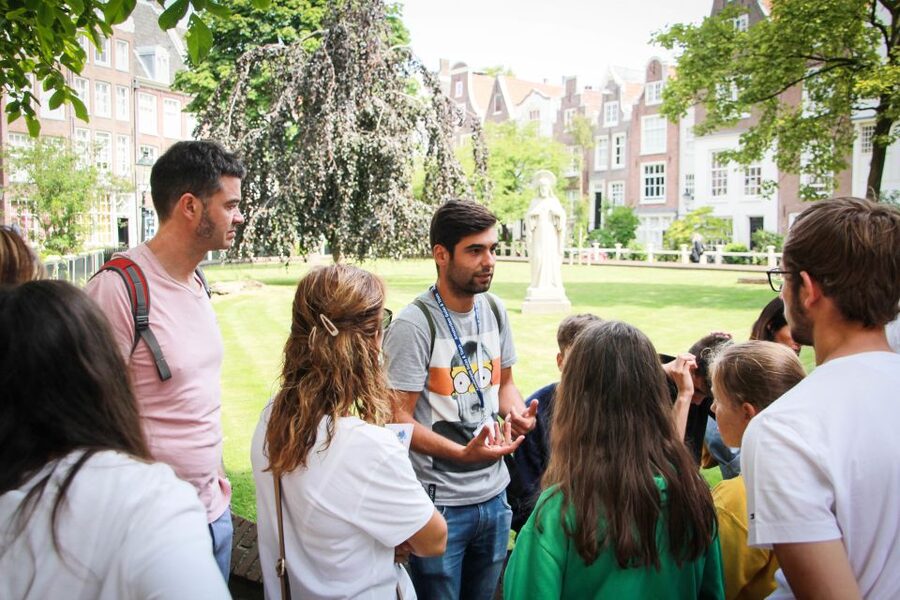
Then comes one of the most satisfying stretches: Begijnhof. You’ll get about 20 minutes for a guided walk in this courtyard-like space. Begijnhof is the kind of place where the city feels quieter, even though you’re still in the center. The value isn’t only the scenery. It’s the contrast. After big squares, you get a human-scale pocket where daily life and community structure show up more clearly.
Why I think this stop is a “must” on an orientation walk: it teaches you how to notice Amsterdam’s smaller textures. On your own later, you’ll start spotting doorways, courtyards, and tucked-away passages you would have otherwise walked past without a second look.
Flower Market and Muntplein: using the tour as a day-planning tool

A highlight on many itineraries is the Amsterdam Flower Market. You’ll have around 20 minutes to visit. Expect it to be lively and very Amsterdam in the way it turns commerce into visual color. Practical note: if you’re in cool weather, plan your time so you’re not standing there too long without breaks.
Then you’ll reach Muntplein for a photo stop. This is useful because it’s another “anchor” point. Once you know what’s around Muntplein, you can map the rest of your day more confidently, whether that means heading toward museums, wandering toward the canal belts, or finding a café without zigzagging through crowds.
By the time you’re back at Beursplein 1, you should feel like Amsterdam stops being a blur of streets and starts being a set of understandable zones.
The Red Light District and drug policy context: Amsterdam’s contradictions, explained
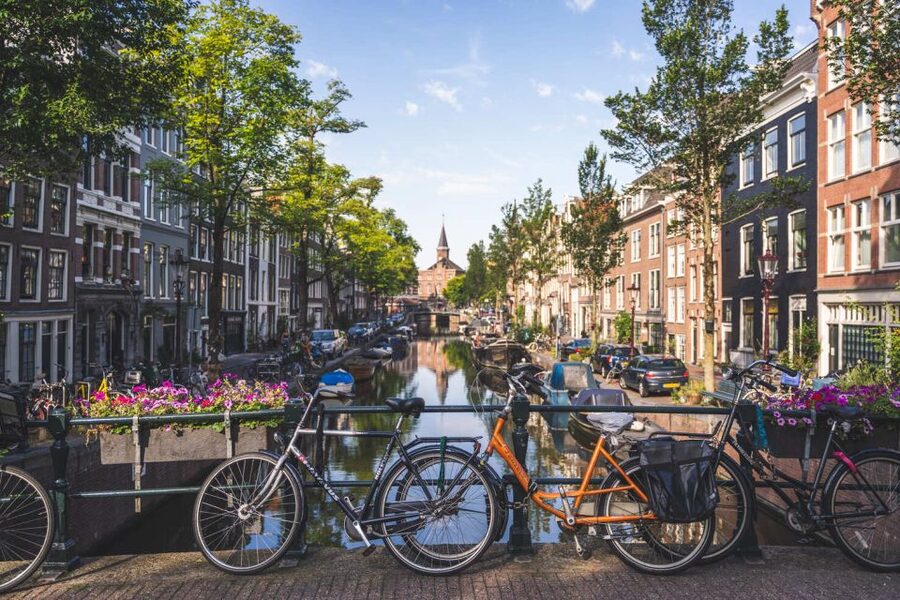
This tour doesn’t treat Amsterdam like a theme park. It covers controversial history, including the evolution of the Red Light District, the city’s liberal approach to prostitution, and drug decriminalization policies, plus the darker chapters of the 20th century.
What makes this valuable is the way the guide handles contradictions. Instead of one-sided storytelling, you get context for how social policy, economics, and human experience collided in Amsterdam over time. That’s part of why Amsterdam feels different from other European capitals. It has rules, debates, and outcomes, not just stereotypes.
You should go in with one expectation set clearly: if you prefer a “comfortable only” route, this won’t match that. But if you want the real Amsterdam, not the simplified version, this is where the tour earns its price.
Also, the tone matters. People consistently point out that guides keep things engaging and answer questions. For example, Ilyan is noted for dry humor and for foreshadowing stories so you pay attention even when topics get heavy. That pacing is not just entertainment. It helps you process what you’re hearing without feeling blindsided.
How to keep the momentum after the walk ends
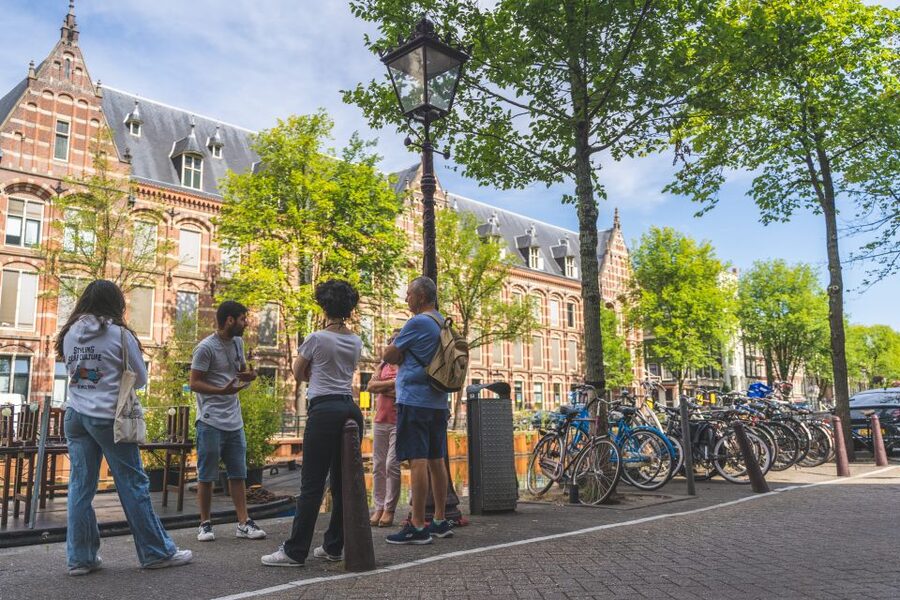
The biggest win of a first-day walking tour is what you do afterward. Here, the guide’s “personalized tips” are the bridge between knowing the city and living in it for a few days.
Use the tour to:
- Pick one nearby museum or cultural stop while you still remember what the guide said
- Plan your canal-area wandering with more confidence, since you’ll have mental landmarks
- Choose cafés and practical food stops with the guide’s guidance, not random luck
Some guides also add little “comfort breaks” when weather is rough. In feedback, people have mentioned warm-up café stops in cold conditions, and even quick local-drink moments when appropriate. In winter, that’s not a gimmick. It’s the difference between enjoying Amsterdam and spending your day shivering by accident.
Tip for your own follow-up: on a day with a walk like this, schedule at least one unplanned hour afterward. Your brain needs time to connect streets and stories.
Who this tour is best for, and who should skip it
This is a great fit if you:
- Are visiting Amsterdam for the first time and want an orientation in central areas
- Enjoy history but don’t want it in a museum-only format
- Want a guide who can handle sensitive topics with context
- Prefer small groups where you can actually hear and ask questions
You might think twice if you:
- Have mobility challenges that make uneven, continuous walking hard (even though it’s listed as wheelchair accessible, the operator also states it is not suitable for people with mobility impairments)
- Strongly prefer tours that avoid prostitution and drug-policy discussion
- Need very long rests between stops
If you’re unsure, it’s worth contacting the operator with your specific mobility limits so they can advise based on the route conditions.
Should you book this Amsterdam small-group walking tour?
I’d book it if you want a first-day foundation that goes beyond pretty views. For $20, you’re getting more than a checklist of sights. You’re getting a guided way to understand how Amsterdam’s Golden Age prosperity connects to later social debates, including the Red Light District and drug policy, and to the WWII history that shapes how people remember the city today.
Book it especially if you like storytelling guides who stay flexible and conversational. Names like Rob, Laura, Claire, and Richard come up often for mixing facts with an easy pace, and that kind of delivery matters on a 2.5-hour walk in a real city.
If your idea of the trip is only light, postcard sightseeing, you may find the tour’s topics less comfortable. But if you’re open to learning how Amsterdam became itself, this walk is a strong start, and it should make the rest of your days in town far easier to plan.
FAQ
How long is the Amsterdam Small-Group Walking Tour?
The tour is approximately 2.5 hours. The exact route length is described as approximate, and it may vary based on the guide and the group’s needs.
Where does the tour meet and end?
The tour meets at Beursplein 1 and ends back at Beursplein 1. The guide waits in front of the Cafe Bistro next to the bull figure, with a blue umbrella or a tag with the Amsterdam Guides & Tours logo.
How much does it cost?
It’s priced at $20 per person.
What group size should I expect?
This is a small-group experience limited to 10 participants.
What languages are the guides?
The live guide speaks Spanish and English.
Is museum entry included?
No. Entrance fees to museums or other attractions are not included. The tour focuses on walking and guided stops, with some photo moments and short visits.
What should I bring for the tour?
Wear comfortable shoes and bring drinks. The tour involves walking through the city.
Is the tour wheelchair accessible?
It is listed as wheelchair accessible, but it is also stated as not suitable for people with mobility impairments. If you have mobility limitations, it’s best to confirm with the operator based on your needs.
Can I get a refund if my plans change?
You can cancel up to 24 hours in advance for a full refund. The booking is also described as reserve now and pay later, so you can keep plans flexible.
Amsterdam on Foot






More Tours in Amsterdam




More Tour Reviews in Amsterdam





Newly reviewed around Amsterdam




Walking Tours, side by side.
 ★ 5.0Anne Frank’s Story – Guided Walking Tour through AmsterdamFrom $3911,619 reviews
 ★ 4.8Life of Anne Frank and World War II Walking TourFrom $3710,467 reviews
 ★ 5.0Absolutely Amsterdam – the Essential Introductory Walking TourFrom $53,629 reviews
 ★ 4.8Anne Frank Guided Small Group Walking TourFrom $282,722 reviews
 ★ 4.9Anne Frank Walking Tour – Guided in EN/DE/IT/ESFrom $282,676 reviews
 ★ 4.9Guided Cultural Walking TourFrom $292,384 reviews
 ★ 4.2Guided Ganja Walking Tour of Coffee ShopsFrom $272,092 reviews
 ★ 5.0Anne Frank Walking Tour Amsterdam Including Jewish Cultural QuarterFrom $751,879 reviews
More ways to plan this visit