
REVIEW · ANNE FRANK & JEWISH QUARTER TOURS
Amsterdam: Private Anne Frank and Jewish Quarter Tour
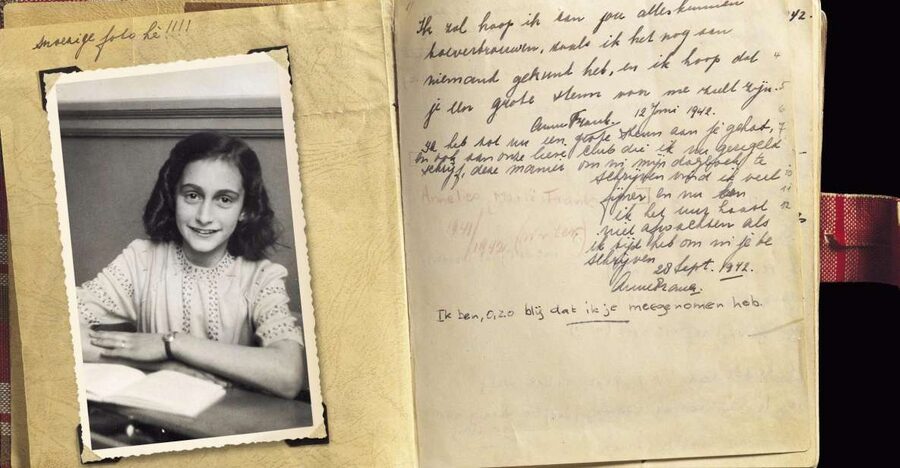
Anne Frank comes alive on these quiet streets. I really like how this tour ties Anne Frank’s diary and her family story to the actual street plan of Amsterdam’s Jewish Quarter. I also love the guided, stop-by-stop way you visit major sites, from the Portuguese Synagogue area to the Auschwitz Monument and the National Holocaust Names Monument. One thing to plan for: the tour ends at the Anne Frank House, but entrance tickets are not included.
This is a 2-hour private walking tour, built for small groups or private time with a local guide, with English, Dutch, or Spanish. I like that it moves fast enough to feel complete, yet it still pauses at each landmark so you can absorb names, dates, and the meaning of each place. The subject matter is heavy, so it can feel serious even with the guide’s human touch and pacing.
If you want a quick Amsterdam hit that goes beyond photos, this is a strong pick. You’ll cover a focused route, learn how the neighborhood changed over time, and get clarity on how Anne Frank’s diary was published by her father and became famous worldwide. You’ll want good walking shoes, because it is real city walking for about two hours.
Key highlights and what makes them matter
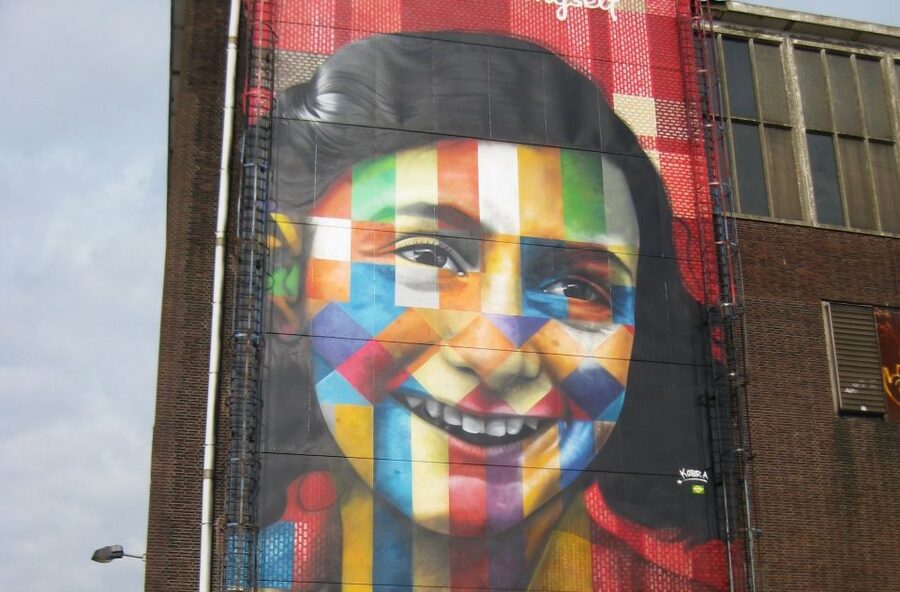
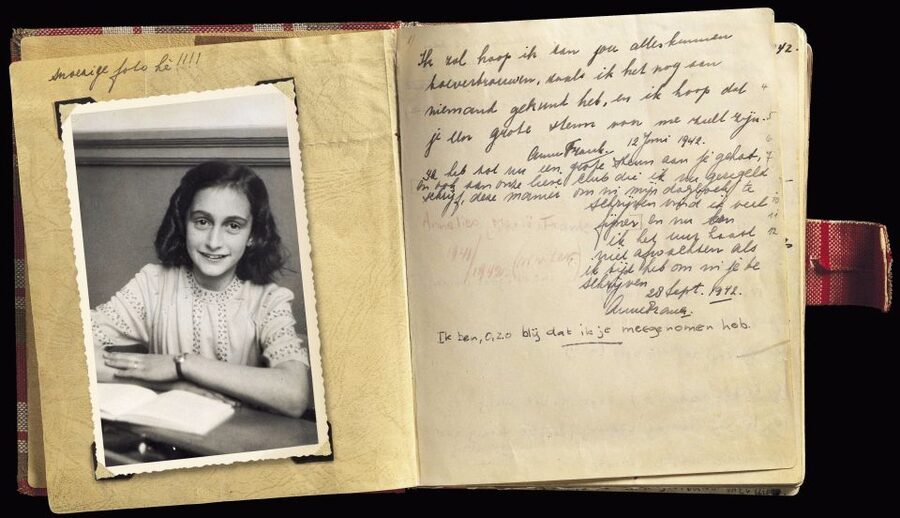
- Anne Frank story with diary context, including how her father published it and how it gained worldwide fame
- Jewish Quarter orientation in small chunks, so the streets and places start to click
- Auschwitz Monument stop, giving a sobering reminder of what happened beyond Amsterdam
- Portuguese Synagogue area, where culture and community leave visible traces
- Memorial stops and names, including the National Holocaust Names Monument
- Anne Frank House as a final walkthrough point, even without entry tickets
More careful routes through Amsterdam’s Jewish history
How a 2-hour private walk turns into real understanding
Amsterdam can feel like a postcard city, but the Jewish Quarter tells a different story. This tour helps you connect the city’s layout to people’s lives, rather than treating it as a set of monuments. In just two hours, you get a guided path that explains what you see and why it matters.
The format is also smart for most schedules. You do not need half a day of museum time to get the big picture. Instead, you get short guided stops, and the guide stitches it all together as you walk. That means you can keep moving, while still getting enough time at each site to process it.
And because it is private or small-group style, you should get more chances to ask questions. Many guides on this kind of route are praised for handling a very solemn topic with care, while still making the pace workable. If you tend to ask lots of questions, this tour usually rewards that.
One more practical note: you will be on foot, so plan for a steady pace. If your day already includes lots of walking, you may want to keep your next stops lighter.
Starting at Hermitage Pier, with the river as your orientation point
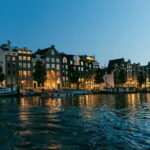
You meet at Hermitage Pier, in front of the main entrance of the H’ART Museum, right by the Amstel River. It is a useful starting spot because the river helps anchor your sense of place fast. You are not hunting for a random street corner, and you are close to a central landmark area.
At the beginning, your guide frames what you will see. Expect context about the neighborhood’s earlier Jewish presence and how the area evolved over the centuries. That matters because the streets you walk past are layered. Without a guide’s timeline, it is easy to miss how one era overlaps another.
This is also a good time to set expectations for what kind of tour you are doing. You are not just looking at buildings. You are learning about a community, then learning about the rupture of World War II, and finally understanding what survived in memory and in writing.
Nieuwmarkt and Lastage: learning the neighborhood before the memorials
One of the first guided stops is around Nieuwmarkt and Lastage. This is where the tour starts teaching you how the Jewish Quarter fits into the broader Amsterdam story. You get background on where the community settled, how the area changed, and how Amsterdam’s social fabric shifted over time.
This is the part that helps the rest of the route make sense. If you come in only knowing the Anne Frank House angle, the extra neighborhood context gives you perspective on what life was like before the hiding. It also prevents the tour from feeling like one straight line from 1940 to 1945. The guide can show the long arc, which is important for understanding why the wartime story is so devastating.
If you are the type who likes to map what you learn, this is the stop to mentally mark. You should start noticing how each later memorial stop is not just an isolated site. It is connected to the same lived geography.
Other private routes shaped around your group
- Rijksmuseum Amsterdam Small-Group Tour with Private Upgrade★ 4.5 · 1,547 reviews
- Van Gogh Museum Tour Reserved Entry Semi Private★ 5.0 · 1,437 reviews
- Private Amsterdam Red Light District and Coffee Shop Tour★ 5.0 · 763 reviews
- Anne Frank and Jewish Quarter Amsterdam Private Walking Tour★ 5.0 · 684 reviews
The Auschwitz Monument: a sober pivot point in the walk
Next comes the Auschwitz Monument. Even if you think you know the basics, seeing it during a walk through Amsterdam can hit differently than reading about it. Your guide uses the location to connect the broader Holocaust to what people experienced in this city.
The stop is brief, but that brevity is intentional in a walking tour. You get essential meaning, then you move on to other sites where the story shifts back to community life and individual names. In my opinion, this is one of the places where the guide’s tone matters most. You want a guide who can keep the discussion respectful, not rushed.
A practical tip: if you tend to get overwhelmed, take a slow breath before you move on. Let the weight of the subject settle. Then use the next stop to re-center your attention on the places tied to daily life and culture.
Portuguese Synagogue: seeing how faith and community lived in the city
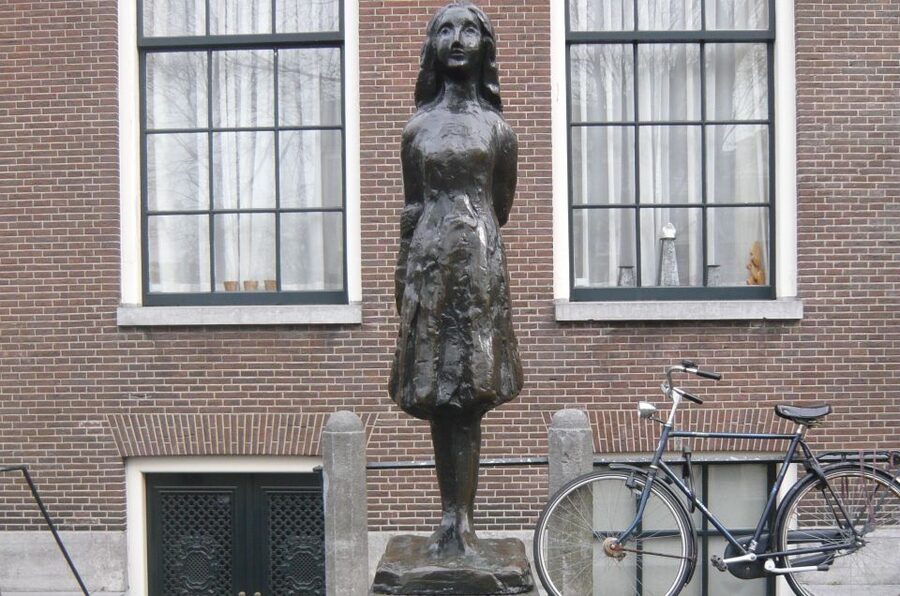
The tour also includes the Portuguese Synagogue stop. This is where you start seeing how Jewish life in Amsterdam had different threads and traditions. Your guide explains the community background and helps you understand the significance of the area, rather than just pointing at a famous site.
What I like here is that it balances the sadness of later WWII content. You are reminded that Jewish culture was not only something connected to tragedy. It was also community, education, worship, and everyday structure.
Even if you do not go inside for this stop, you still get the key idea: buildings and locations can tell you about identity, continuity, and change. The guide’s job is to connect the visible landmark with the invisible human story.
If you’re someone who loves architecture and city design, you may find yourself pausing more than you expected. Just remember that the meaning is the point, not the photo.
Zuiderkerk: a quick stop that adds depth to the route
Then you head to Zuiderkerk. This is another short, guided segment, but it contributes to the bigger lesson. Your guide links what you see here to the wider neighborhood context and time period you are studying.
A short stop can be frustrating on tours if you want every detail. But in a 2-hour route, short visits are a tradeoff. Here, the guide uses the time to keep you from getting lost in too much one location. You leave with enough understanding to feel oriented, not overwhelmed.
Think of Zuiderkerk as a connective tissue stop. It helps explain the broader surroundings so you can see the Jewish Quarter as part of Amsterdam, not a sealed-off pocket.
Joods Historisch Museum area: where artifacts and memory meet
You will also spend time near the Joods Historisch Museum. This stop helps you understand that Jewish history in Amsterdam is not only preserved in memorials. It is preserved through records, objects, and museum interpretation too.
The value here is the “bridge” effect. After visiting Holocaust-related sites, you get a reminder that history can be documented and studied. Your guide can point you toward the idea that learning is part of honoring the past.
Even if you do not enter the museum during this tour, the guidance helps you know what to look for if you do return later on your trip. You might find yourself noticing how museums tell stories, not just how they display items.
If you like to plan ahead, this stop is your cue to decide whether you want museum time later. The walking tour gives you context, and a museum can give you depth if you want it.
The Dokwerker and the National Holocaust Names Monument
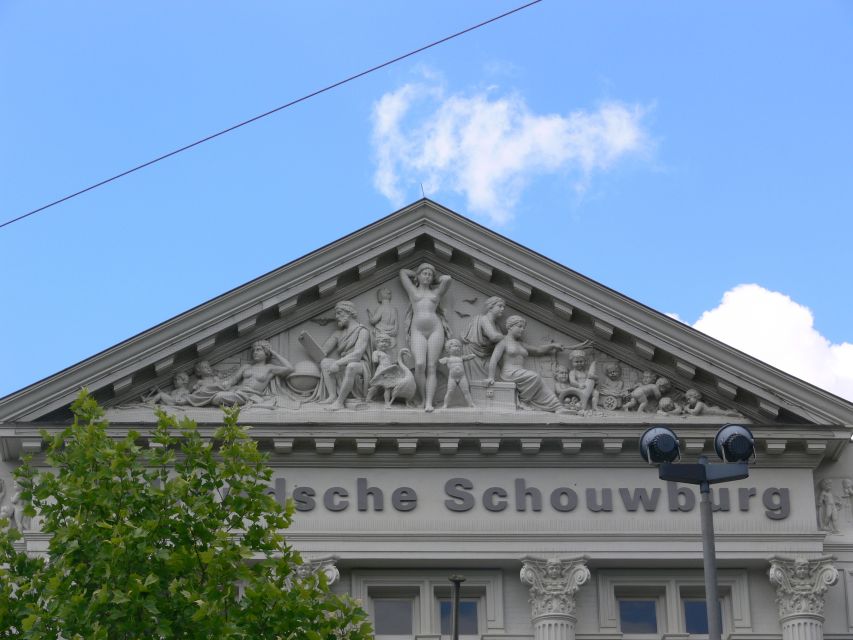
The route includes The Dokwerker, then finishes with the National Holocaust Names Monument. This combination is powerful because it shifts from buildings and neighborhood context into remembrance with a human edge.
The guide uses these locations to keep the story from drifting into abstraction. Names and memorial framing matter. They turn large, world-scale events into something tied to real people who had lives, not just statistics.
If you are visiting during a busy time, you might encounter other pedestrians nearby. Either way, the stop works because you are not only watching passersby. You are listening to how the guide interprets what the place represents.
One thing I would recommend: give yourself a moment of silence here, even if you are the type who never does. A short pause helps the meaning land. Then you can keep walking with a steadier mind for the final stop.
Anne Frank House as the finishing point, and how to handle the ticket gap
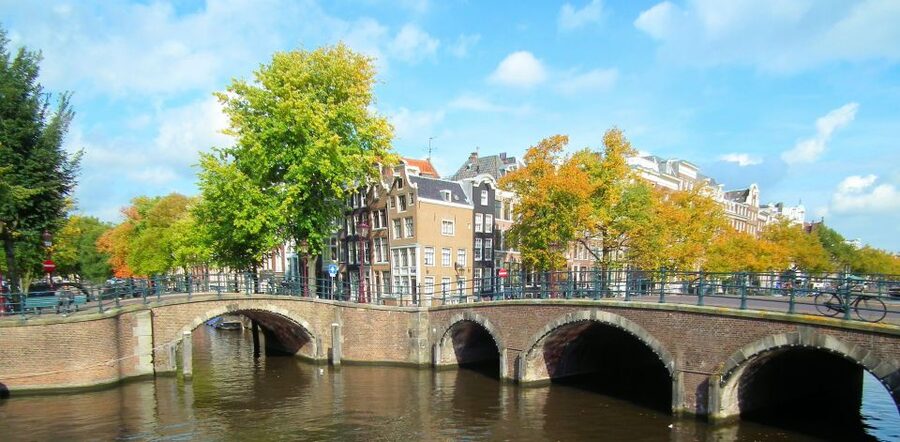
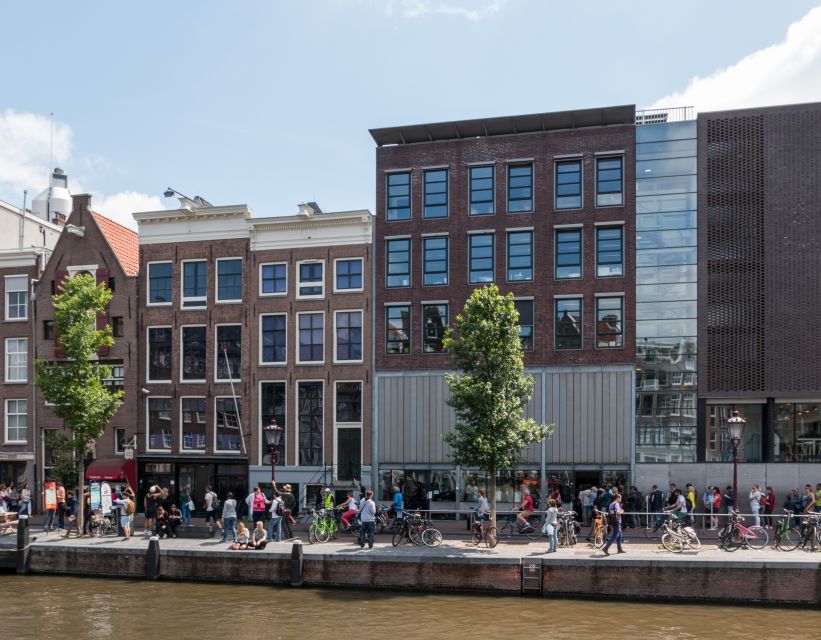
Finally, the tour ends at the house of Anne Frank. You should treat this as a strong arrival moment, not as the end of your Anne Frank experience. The tour does not include entrance tickets to the Anne Frank House, so plan what you want to do next.
In practice, there are two good approaches:
- If you want the full house visit, book tickets separately and use this tour as your preparation. You will understand what you are seeing much better after hearing the story through your guide’s lens.
- If you are not doing entry that day, still take time at the exterior and around the area. You will likely see more meaning in the details once you know how the diary was published and why it became worldwide famous.
Your guide connects Anne Frank’s love of writing to the circumstances she experienced in Amsterdam during the 1930s and 1940s. You also learn about her move from Germany, the time she was hiding, and her father’s life after the war. The tour even talks about hidden places connected to how the writer sought refuge during the Dutch resistance in World War II.
Because the tour ends here, you can decide on the spot how much more you want. Either way, you finish with a clearer sense of how the diary went from a private document to a public symbol.
Price and value: why about $25 can make sense here
At $25 per person for a 2-hour private or small-group walking tour, the biggest value is not the number of stops. It is the guidance that turns stops into understanding.
Here’s what you are really paying for:
- A local guide who explains what you are seeing, including Anne Frank’s family story and the diary’s path to worldwide fame
- A focused route through key sites, so you are not spending your limited time in Amsterdam guessing what matters most
- The ability to ask questions, which matters a lot on heavy-history tours
This is not a bargain museum day where you get unlimited tickets and long self-paced wandering. It is a curated learning walk. If you want maximum information per hour, this format often works better than trying to piece together the same themes by yourself across multiple days.
If you are traveling as a couple or with friends, private style can also feel efficient. You get a tailored pace and can move with less group friction.
What kind of traveler this suits best
This tour fits best if you want:
- A structured introduction to Amsterdam’s Jewish Quarter
- Anne Frank context tied to real places, not just a biography
- A route that covers memorials and cultural landmarks in a single run
It also works well if you are traveling with teenagers who can handle serious topics. The guide’s approach, when done well, is what makes the difference. Several guides on this route are known for balancing the somber tone with occasional lighter breaks in pacing, without losing respect.
If you want a fully silent, museum-style experience, you may find a walking tour a bit more active. If you want long inside access to the Anne Frank House, you will need separate tickets. This is the interpretation-focused companion to those deeper visits.
Should you book this private Anne Frank and Jewish Quarter tour?
I think you should book it if you want a smart, time-efficient way to understand what you are seeing in Amsterdam’s Jewish Quarter. The strongest reason is the way the guide connects Anne Frank’s diary, her family story, and the meaning of memorial sites to the actual streets and landmarks. For $25 and about 2 hours, you get a route that saves you from doing the research while walking, and that is time you can spend enjoying the city.
Book it with the understanding that you still need to plan the Anne Frank House entry separately if you want inside access. If you do that, you get the best of both worlds: a guided story up front, then your own time in the places that demand extra attention.
FAQ
How long is the Amsterdam Private Anne Frank and Jewish Quarter Tour?
It lasts about 2 hours.
Where do I meet the guide?
Meet your guide at Hermitage Pier, located in front of the main entrance of the H’ART Museum next to the Amstel River.
What is the price?
The price is listed as $25 per person.
Is this tour private?
Yes, it is a private tour, with private or small groups available.
What language options are offered?
The live tour guide is available in English, Dutch, and Spanish.
What does the tour include?
It includes a local guide and the private tour itself.
Is the Anne Frank House entrance ticket included?
No. Entrance tickets to the Anne Frank House are not included.
What places will we see during the walk?
The route includes Nieuwmarkt en Lastage, the Auschwitz Monument, the Portuguese Synagogue, Zuiderkerk, the Jewish Historical Museum (Joods Historisch Museum), The Dokwerker, the National Holocaust Names Monument, and the house of Anne Frank (where the tour ends).
Is food and drink included?
No, food and drinks are not included.
What cancellation options are available?
There is free cancellation up to 24 hours in advance for a full refund.
More Tours in Amsterdam






More Tour Reviews in Amsterdam




Continue through the Jewish Quarter




Newly reviewed around Amsterdam


Anne Frank & Jewish Quarter Tours, side by side.
 ★ 5.0Anne Frank’s Story – Guided Walking Tour through AmsterdamFrom $3911,619 reviews
 ★ 4.8Life of Anne Frank and World War II Walking TourFrom $3710,467 reviews
 ★ 4.8Anne Frank Guided Small Group Walking TourFrom $282,722 reviews
 ★ 4.9Anne Frank Walking Tour – Guided in EN/DE/IT/ESFrom $282,676 reviews
 ★ 5.0Anne Frank Walking Tour Amsterdam Including Jewish Cultural QuarterFrom $751,879 reviews
 ★ 5.0Anne Frank’s Last Walk & See Anne Frank House in Virtual RealityFrom $42957 reviews
 ★ 4.7Dutch WWII Resistance Museum Entry TicketFrom $21951 reviews
 ★ 5.0Anne Frank and Jewish Quarter Amsterdam Private Walking TourFrom $157684 reviews
More ways to plan this visit