
REVIEW · ANNE FRANK & JEWISH QUARTER TOURS
Amsterdam: Jewish Quarter and History Guided Tour
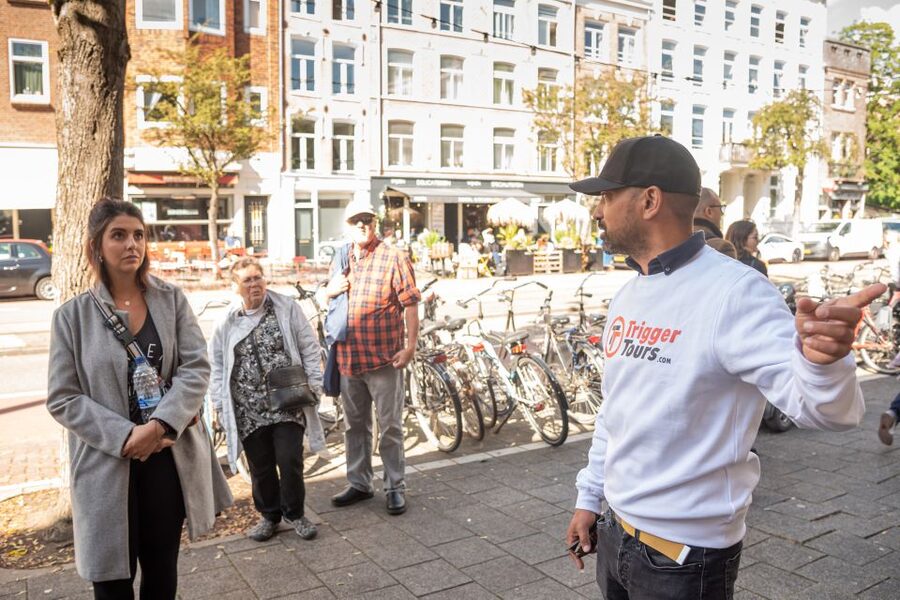
World War II shows up fast here. This walking tour of Amsterdam’s Jewish Quarter connects everyday Jewish life to Nazi-occupied Netherlands, with stops tied to places like the Anne Frank House and the Auschwitz Monument.
I really like how the format is practical and compact, just about 2 hours, so you can absorb the story without feeling dragged through a long checklist. I also like the care guides bring to the subject, with many guides such as James and Aaron described as balancing facts, context, and a sensitive tone. One possible drawback: because the theme is heavy, you may want this tour earlier in your Amsterdam plans, not right after a big day of museums, so you have space to process what you learn.
Key Things to Know Before You Go
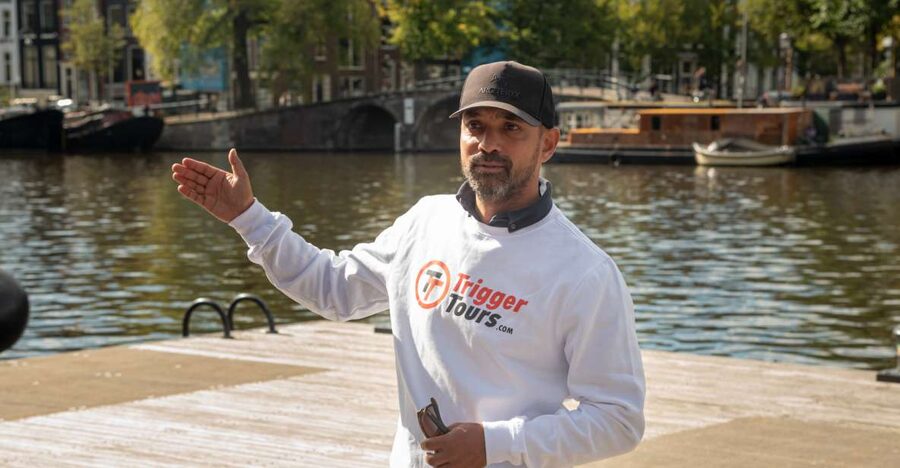
- 2 hours on foot through Amsterdam’s Jewish Quarter, starting by the Amstel River
- Major landmarks on the route, including the Portuguese Synagogue, the Jewish Historical Museum, and the Jewish Council headquarters
- A guided look at day-to-day life under occupation, not just famous memorial stops
- Stops that face the worst moments directly, including the Dokwerker and the Auschwitz Monument
- The tour is designed to end at Anne Frank House, tying the neighborhood story to her diary and its later publication by Otto Frank
- English or Spanish live guiding, offered as private or shared/small-group options
More careful routes through Amsterdam’s Jewish history
Why This Amsterdam Jewish Quarter Walk Feels So Direct
Amsterdam can look all canals and charm until you turn a corner and realize how much suffering happened right here. This tour uses the streets of the Jewish Quarter like a timeline, moving you from community landmarks toward the machinery of persecution during Nazi occupation from 1940 to 1945.
What makes it worthwhile is that it does not treat this as a set of photo stops. You get explanations that link specific buildings and memorials to real daily life, then to the sudden, brutal shift of occupation and deportation. You end with Anne Frank’s story, including how her diary was published later by her father, Otto Frank, and how it spread worldwide.
Starting by the Amstel River, Learning the Occupation Timeline
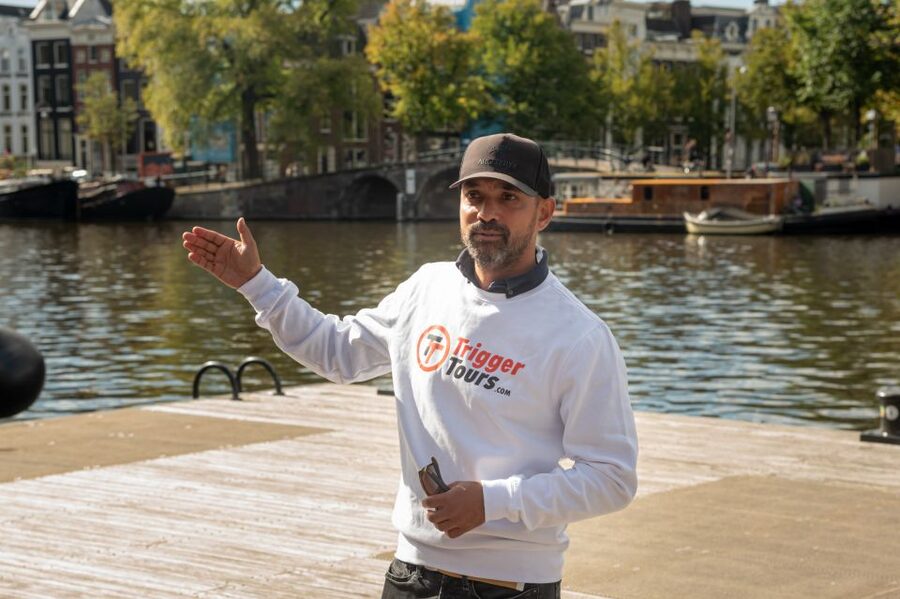
The walk begins near the Amstel River, a smart choice because it quickly grounds you in Amsterdam’s geography before the historical weight lands. Your guide sets the scene with the basics of Nazi control in the Netherlands, then narrows in on what it meant for people in the capital, especially the Jewish community.
This early context matters because the rest of the route can otherwise feel like a sequence of solemn locations. With the timeline in place, the neighborhood becomes easier to read, like you’re tracing causes and effects on foot. In a place like Amsterdam, where streets can look unchanged, that framing is how the past stops feeling abstract.
Expect your guide to talk about how occupation shaped daily routines, safety, and community structures. You’ll also hear about how the Dutch around them responded, including the uncomfortable range of behaviors that existed under pressure.
Portuguese Synagogue and the Jewish Historical Museum, Seeing Community Before the Break
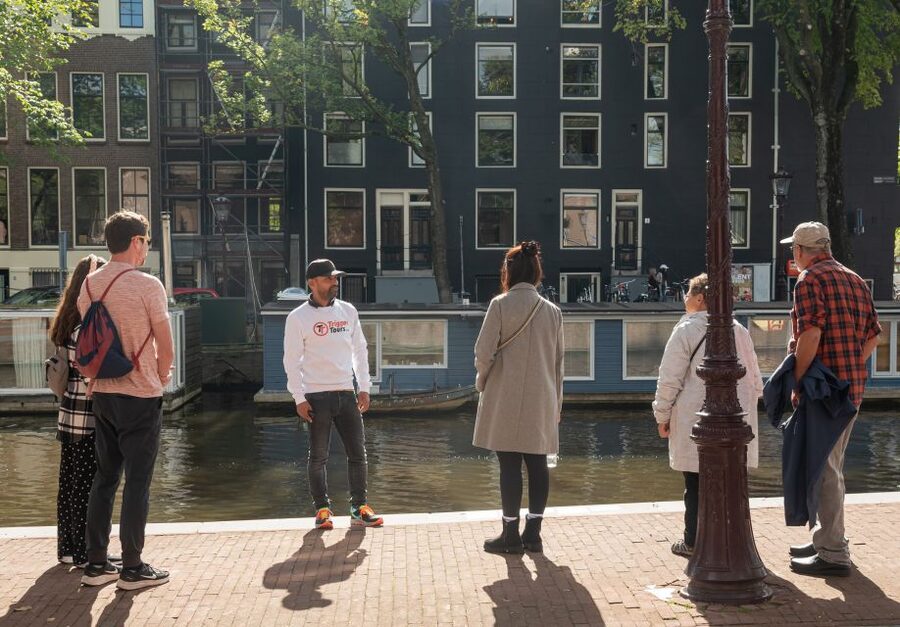
One of the best parts of this tour is that it doesn’t start with tragedy. You’ll pass sites tied to community institutions, including the Portuguese Synagogue and the Jewish Historical Museum, which help you understand what Jewish life in Amsterdam meant before the war tightened its grip.
I like this approach because it gives you a mental baseline. When a guide talks about a synagogue or a museum, you can connect it to people, traditions, and local identity, not only to the Holocaust.
As you move through the Jewish Quarter, the route also highlights how Jewish neighborhoods were built around shared spaces: places of worship, education, and community governance. That makes the later memorial stops hit harder, because you can feel what was lost, not only what survived.
Worth comparing with this Amsterdam choice:
- Amsterdam: 75 Minute City Canal Cruise with Audio Guide★ 4.4 · 17,501 reviews
- Anne Frank’s Story – Guided Walking Tour through Amsterdam★ 5.0 · 11,619 reviews
- Amsterdam: Johan Cruijff ArenA Tour with Optional Guide★ 4.6 · 8,954 reviews
- Amsterdam: Royal Palace Entry Ticket and Audio Guide★ 4.6 · 6,475 reviews
Jewish Council Headquarters and the Meaning of Power Under Occupation

A key stop on the walk is the headquarters of the Jewish Council. Hearing about this location is a gut-level way to understand how occupation systems used control and bureaucracy as tools.
Your guide connects the dots between the neighborhood and the structures imposed during the Nazi era. You’ll learn how Jewish institutions were affected, and how power became tangled inside a community trying to endure.
This part of the tour can be emotionally tough, but it is also where the storytelling becomes practical. Instead of just naming events, you start to see mechanisms, choices, and constraints. That is the difference between memorizing history and actually understanding it.
Dokwerker, The Hard Questions, and Why the Route Keeps Its Tempo
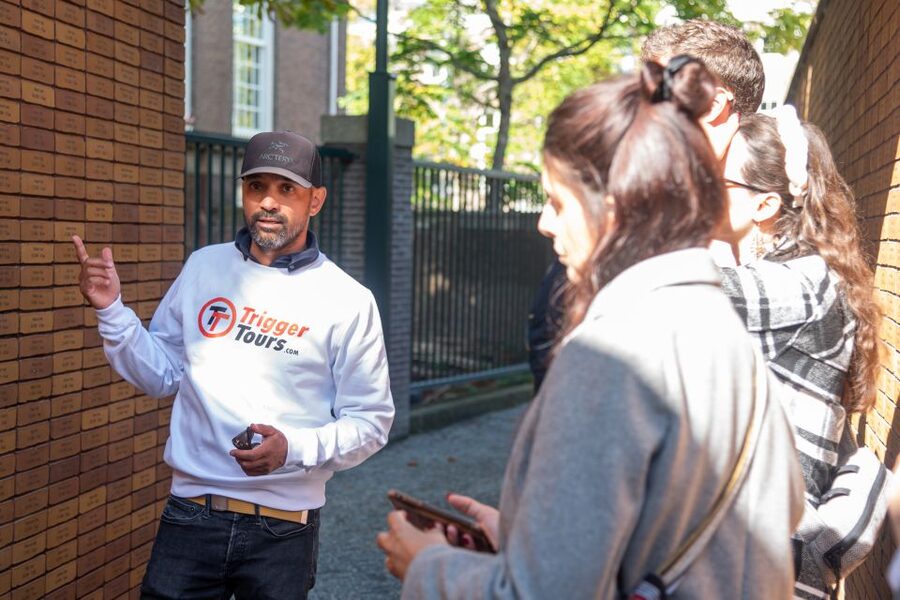
The tour includes the Dokwerker, a stop that signals the turning point where occupation shifts from control to mass violence. A guide’s job here is not to rush past the mood, and many guides on this route are praised for handling the topic with sensitivity while still staying factual.
You’ll also hear meaning tied to the Dokwerker site and how it fits into Nazi-occupied Netherlands. The point is not only to acknowledge what happened, but to show how the city itself was used in the process.
One thing to watch: the entire tour is only about 2 hours, so pacing can feel brisk when you reach a memorial. Some people want a little more time to simply stand still, look closely, and absorb what the guide explains. If you’re the type who likes to linger, plan to take a breath at each stop, and consider bringing a note app so you can capture key details without feeling rushed.
Auschwitz Monument, Where Memory Becomes Physical
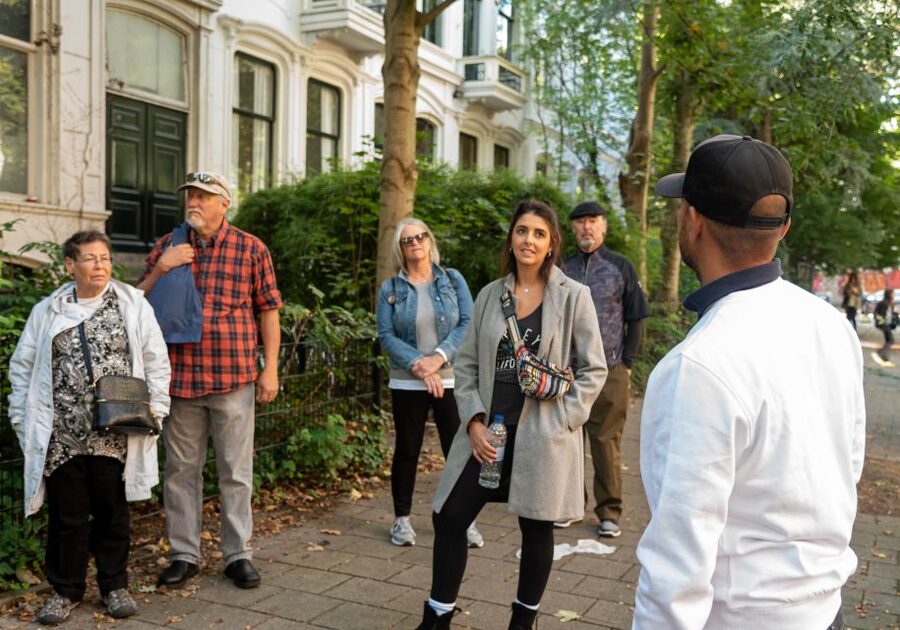
Another major highlight is the Auschwitz Monument. This is the kind of place where the guide’s words matter because monuments are open to interpretation if you do not have context. Here, you get the purpose behind what you’re seeing and how it connects to the broader story of genocide.
I like that the tour uses this stop as a bridge. You move from the mechanics of occupation into the reality of what victims endured, then you come out the other side with a clearer sense of historical scale.
And yes, it is heavy. But the tone you hear tends to be steady and careful, aiming for understanding rather than shock. That balance is part of why people consistently rate this experience highly.
Anne Frank House Ending, Diary Publication, and the Global Afterlife of a Personal Story
The tour finishes in front of Anne Frank House, bringing the route full circle to one of the most widely known stories from occupied Netherlands. Your guide explains what made Anne Frank’s diary so powerful, and how it was published by Otto Frank after the war.
This ending works well because the tour has already given you neighborhood context. When you reach the Anne Frank House area, it does not feel like a standalone attraction. It feels like a final chapter built on everything you just learned: the community institutions, the occupation timeline, and the way ordinary life collided with persecution.
If you want to maximize this ending, take a moment before you go quiet and snap photos. Let the story land first, then use your own pace to revisit what you most want to remember.
Price and Value: What $23 Buys You in Real Time
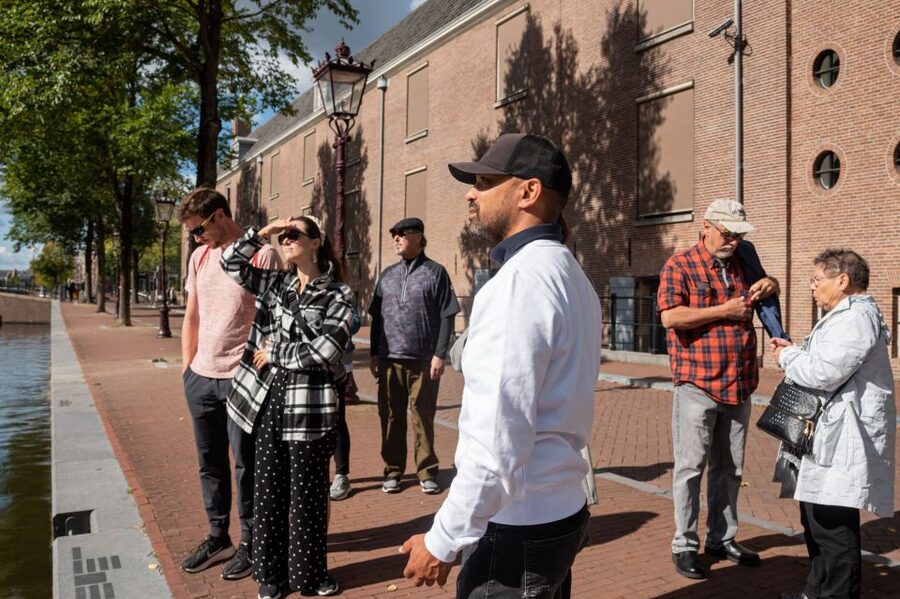
At $23 per person for about 2 hours with a live guide, this is one of those prices that makes sense if you care about context. You’re not paying for entry tickets or a bus ride. You’re paying for a person who can connect specific buildings, memorial locations, and wartime events into a coherent walking story.
That matters in Amsterdam because a lot of the city is visually consistent. Without guidance, you can see important sites and still miss why they matter. With a guide, each stop becomes more than a landmark, it becomes a clue.
You’ll also get flexibility. The experience is offered as private or shared/small groups, so you can choose the vibe that fits your travel style. And because it’s a walking tour, you can combine it with other neighborhood exploring afterward, rather than treating it as a stand-alone day.
Who This Tour Fits Best (And Who Might Need a Different Pace)
This is ideal if you want to understand Amsterdam beyond the canals. You’ll enjoy it if you like history grounded in place, and if you appreciate tours that treat tragedy seriously instead of turning it into trivia.
It is also a good fit for couples and solo travelers because many people value the chance to ask questions in a small-group or private setting. If you’ve done Holocaust or WWII tours elsewhere, this one still brings something specific: it focuses on Amsterdam’s Jewish Quarter as a living neighborhood, then shows how occupation changed it.
A word of caution: if you prefer lighter themes, this might feel too intense. The subject is meant to cover Nazi-occupied Netherlands and the persecution of Jewish people, so emotional heaviness is part of the package.
Practical Tips to Get More From the Walk
Amsterdam walking tours are straightforward until the city gets busy. Wear comfortable shoes. You’ll be on foot for about 2 hours, and you may want to keep your phone ready for quick reference without staring at it constantly.
If you’re choosing a day and you want fewer crowds, consider going on a Sunday morning. One guide-led experience like this can feel easier when the streets are calmer and you have room to stop and listen.
Also, go into the tour expecting a sensitive tone. You’ll hear about painful sites like the Auschwitz Monument, and you’ll likely want to give yourself a few minutes after the walk before jumping into cheerful plans.
Should You Book This Amsterdam Jewish Quarter Tour?
I’d book it if you want real orientation in Amsterdam’s Jewish Quarter, not just sightseeing. The strong points are the tight 2-hour format, the careful attention to how occupation affected daily life, and the route’s anchor points from community landmarks to Dokwerker and the Auschwitz Monument, then ending at Anne Frank House.
Skip it only if you know you cannot handle WWII history in a direct, memorial-connected way. Otherwise, for the money, this tour offers a lot of meaning per minute, and it gives you the kind of context that makes the city stick in your mind long after you leave.
FAQ
How long is the Amsterdam Jewish Quarter walking tour?
The tour lasts 2 hours.
Where does the tour start?
It begins by the Amstel River.
What landmarks will we see?
You’ll pass major sites including the Portuguese Synagogue, the Jewish Historical Museum, the headquarters of the Jewish Council, the Dokwerker, the Auschwitz Monument, and you finish in front of Anne Frank House.
Is the tour private or shared?
It is offered as private or small groups.
What languages are available?
The live tour guide is available in English and Spanish.
What’s included in the price?
The tour includes a walking tour and a guide.
Is food or drinks included?
No, food and drinks are not included.
What if I need to cancel?
You can cancel up to 24 hours in advance for a full refund. You can also reserve now and pay later.
More Tours in Amsterdam






More Tour Reviews in Amsterdam




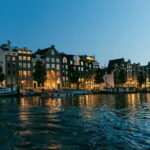
Continue through the Jewish Quarter




Newly reviewed around Amsterdam
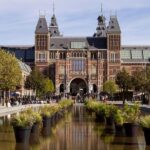



Anne Frank & Jewish Quarter Tours, side by side.
 ★ 5.0Anne Frank’s Story – Guided Walking Tour through AmsterdamFrom $3911,619 reviews
 ★ 4.8Life of Anne Frank and World War II Walking TourFrom $3710,467 reviews
 ★ 4.8Anne Frank Guided Small Group Walking TourFrom $282,722 reviews
 ★ 4.9Anne Frank Walking Tour – Guided in EN/DE/IT/ESFrom $282,676 reviews
 ★ 5.0Anne Frank Walking Tour Amsterdam Including Jewish Cultural QuarterFrom $751,879 reviews
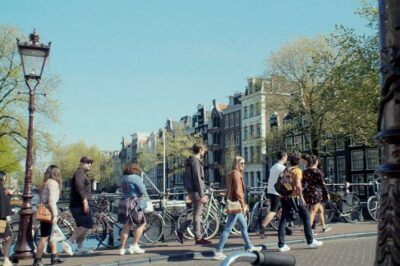 ★ 5.0Anne Frank’s Last Walk & See Anne Frank House in Virtual RealityFrom $42957 reviews
 ★ 4.7Dutch WWII Resistance Museum Entry TicketFrom $21951 reviews
 ★ 5.0Anne Frank and Jewish Quarter Amsterdam Private Walking TourFrom $157684 reviews
More ways to plan this visit