
REVIEW · WALKING TOURS
Amsterdam: Guided Off-The-Beaten-Track Walking Tour
Some cities work, some cities explain themselves.
This one does, fast, with a tight route that links canal-belt history to today’s neighborhoods. I especially like the way the tour turns big-name sights on Dam Square into a story about growth, trade, and the monarchy, then follows that logic into the Jordaan and the canal houses. One thing to consider is the pace, it is a proper walking tour, so plan for comfortable shoes and steady walking time.
You’ll start at Beursplein/Damrak and end back nearby, with a guide in a black-white striped band. The group stays small, and that matters because you get real back-and-forth, not just a lecture. The biggest potential drawback is language, the tour runs in German, so if you do not understand German well, you might want to look for another language option.
Key highlights you will actually feel on this tour
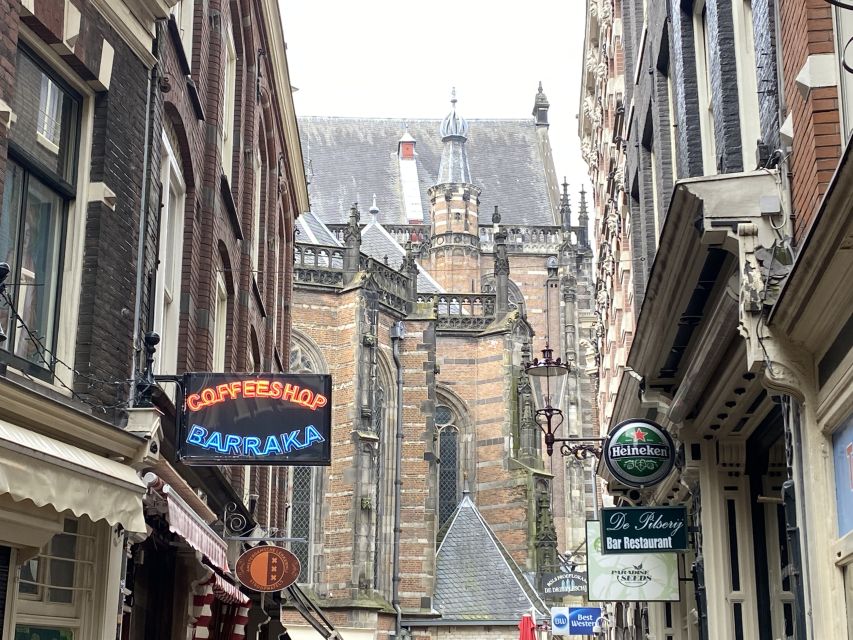
- Dam Square, Royal Palace area, and the Nieuwe Kerk with context beyond postcard facts
- Torensluis and the canal-belt creation story, including what the bridge used to be
- Jordaan streets and 17th-century canal house details you can spot while walking
- Westerdoks and houseboats, where the city’s modern edges meet older uses
- Noordermaarkt for a short market stroll on market days, plus food suggestions
- Anne Frank House and Westerkerk viewed in the flow of everyday neighborhood life
Amsterdam at street level, a few more routes
From Beursplein to Dam Square: how Amsterdam gets explained
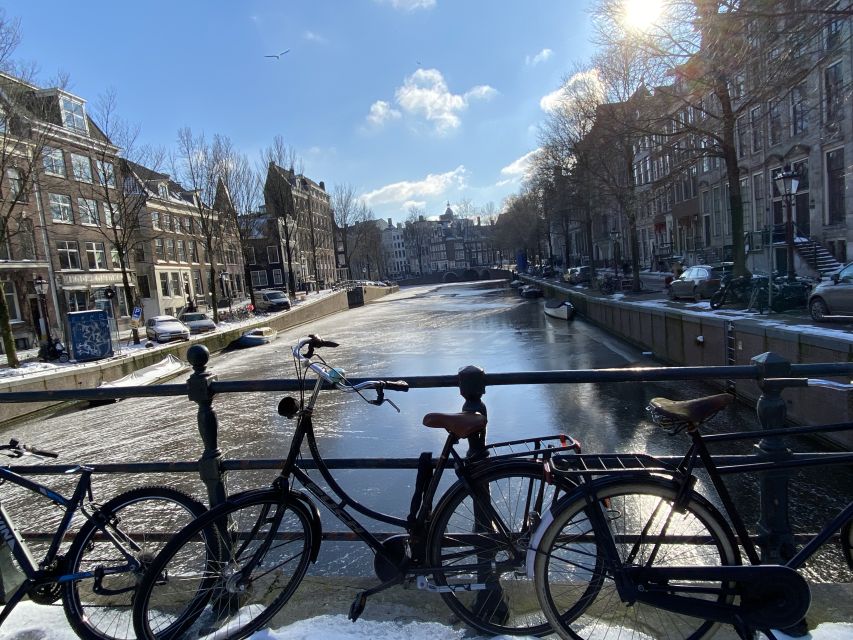
Your tour starts at BEURSPLEIN / Damrak, about 350 meters from Amsterdam Centraal Station. You are looking for a guide wearing a black-white striped band around the neck, which is helpful in a city where meeting points can turn into minor chaos.
From there, the walking route heads into the historic city center toward Dam Square. What I like about this opening is the order. Instead of jumping from one monument to another, the guide starts with the core anchors you will see anyway, then gives you the why behind them: how Amsterdam expanded into a major trading power in Europe.
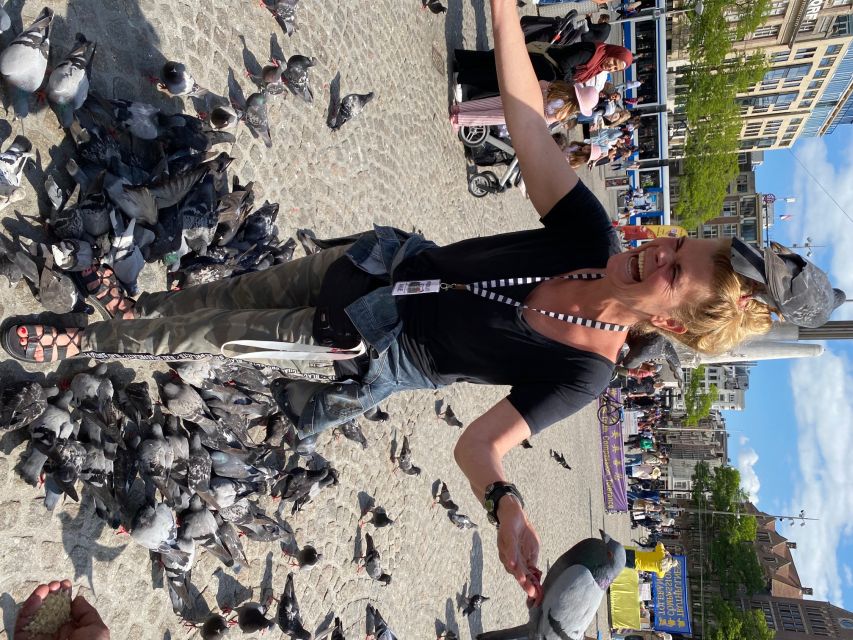
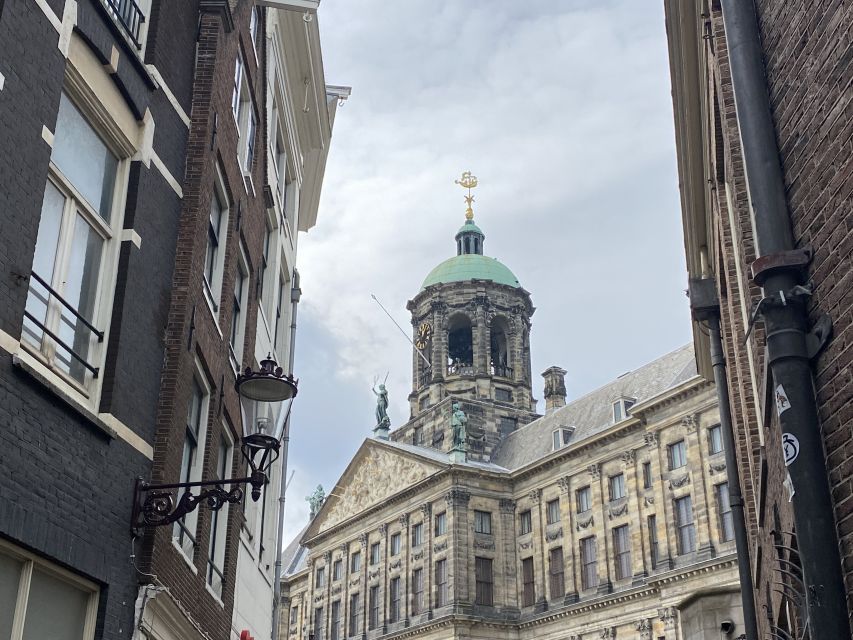
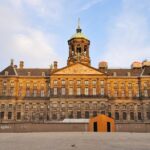
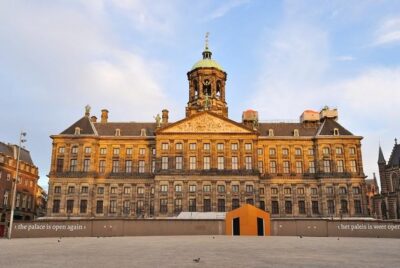
On Dam Square, you focus on the Royal Palace, the National Monument, and the Nieuwe Kerk. If the church is open to the public during your visit, you may step inside, which is a real bonus because you get visual scale and ornament, not just exterior views.
A small practical note: this is not a stop-and-chat kind of tour. You will be moving, and that is exactly what makes the context stick. Seeing how streets funnel you from landmark to landmark helps your brain map the city quickly.
Dam Square to Torensluis: the canal belt story in plain terms
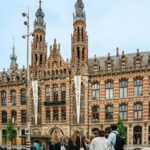
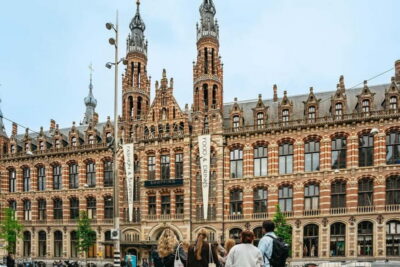
After Dam Square, the tour passes Magna Plaza on the way toward Torensluis. Torensluis matters because it is described as Amsterdam’s former Maut bridge, a link to the old systems that shaped how people and goods moved.
You also get the key idea behind the canal belt: how it was created and how it developed over time. I like that this is not just history trivia. It helps you understand why Amsterdam looks the way it does, why certain canals feel connected, and why the city’s wealth had a literal address along the water.
Along the walk, you are also guided through how Amsterdam built its reputation during the Golden Age, including the role of the Dutch monarchy. It can be easy to treat the Palace area as purely ceremonial, but the framing makes it feel like part of a whole system, politics plus trade plus infrastructure.
As you move, keep an eye on the architecture. The guide tends to point out small details, and once you start noticing them, you will spot canal house craftsmanship even on quick glances.
Jordaan and canal houses: 17th-century architecture that you can actually read
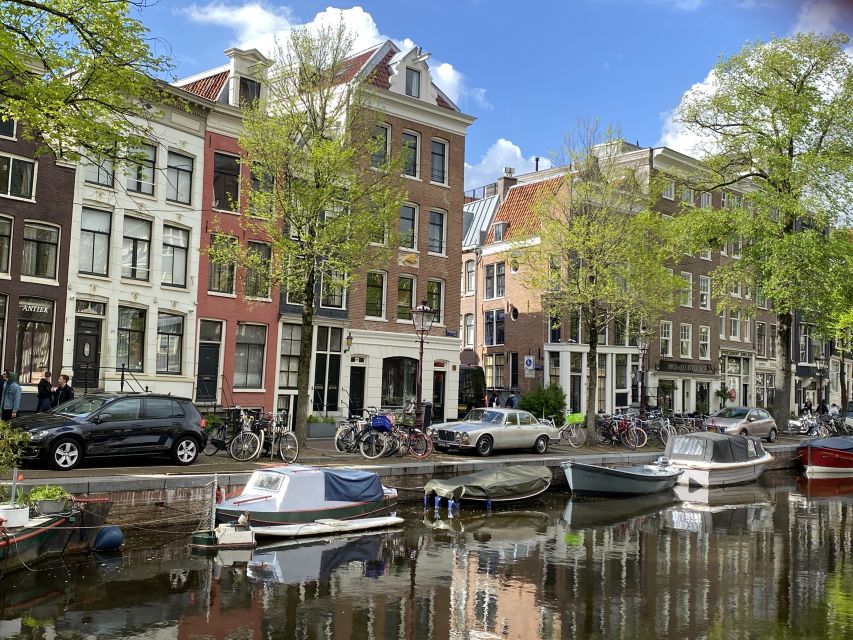
One of the tour’s best moves is bringing you into the Jordaan area. The Jordaan is often described as Amsterdam’s most lively and charming neighborhoods, and on this route you get to see why, without feeling stuck in a single photo spot.
The guide ties the Jordaan to the bigger Amsterdam story: it is not only about current-day atmosphere. You learn how the city’s layout and canal life shaped daily neighborhoods, including how people lived close to the trading and shipping infrastructure.
You also walk along famous canals in the direction of the Haarlemmer Buurt and toward the Western Islands. While the route is scenic, the value is the guidance on what you are seeing. For example, you are not just looking at water, you are learning how the canal belt helped Amsterdam function, and why the canal houses became symbols of wealth during the Golden Age.
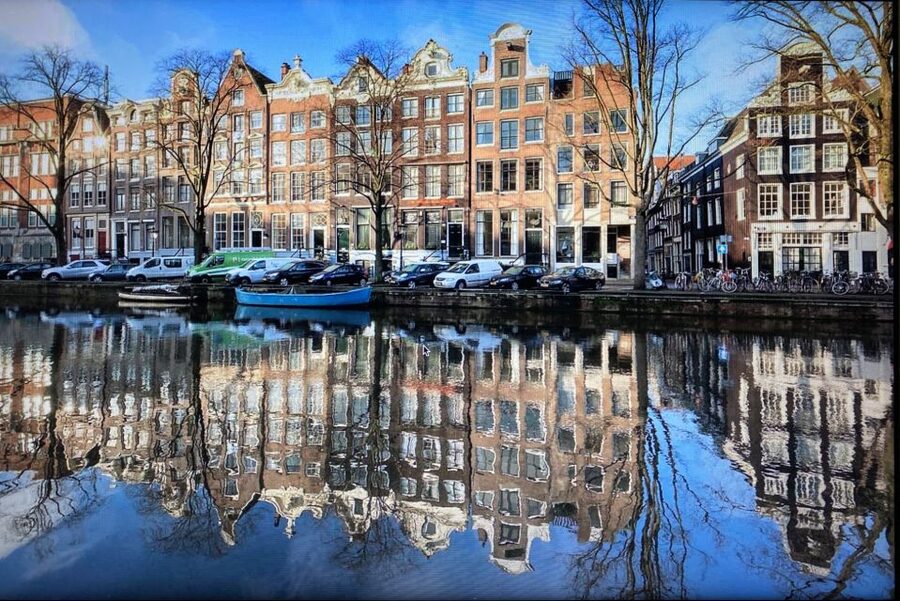
When you reach the canal house stretch near the outermost canal and Prinsengracht, the tour slows your attention. You start noticing the architecture details that make these buildings feel cared for, not just old. You will see the kinds of facades and features associated with the 17th-century boom, and it is easier to appreciate once you have the canal-belt context in your head.
This is also where the tour naturally points you toward Amsterdam’s smaller canal life. The Jordaan does not feel like a museum. You are walking through a working neighborhood, which helps the history feel less like a lecture and more like something still present.
Worth comparing with this Amsterdam choice:
- Amsterdam: 75 Minute City Canal Cruise with Audio Guide★ 4.4 · 17,501 reviews
- Anne Frank’s Story – Guided Walking Tour through Amsterdam★ 5.0 · 11,619 reviews
- Amsterdam: Johan Cruijff ArenA Tour with Optional Guide★ 4.6 · 8,954 reviews
- Amsterdam: Royal Palace Entry Ticket and Audio Guide★ 4.6 · 6,475 reviews
Anne Frank House and Westerkerk: viewpoints that fit the route
Near the Jordaan, the walking line brings you past the famous Anne Frank House. Even if you already know the name, the value here is perspective. You see it as part of a lived-in area, not as an isolated headline.
The route also includes Westerkerk, with its tower and eventful history. Again, the trick is timing. You are not snapping a random picture and moving on. You are seeing how the church and tower anchor the surrounding canal and street grid.
If you are the kind of person who likes to understand what a building meant in its time, this portion works well. The guide’s focus on how Amsterdam grew helps you connect why these landmarks sit where they do.
And if you want to continue on your own after the tour, this area sets you up nicely. From there, you can wander toward the 9 Straatjes shopping area, grab food, or just take your time on side streets.
Westerdoks and the Western Islands: modern lines, old water
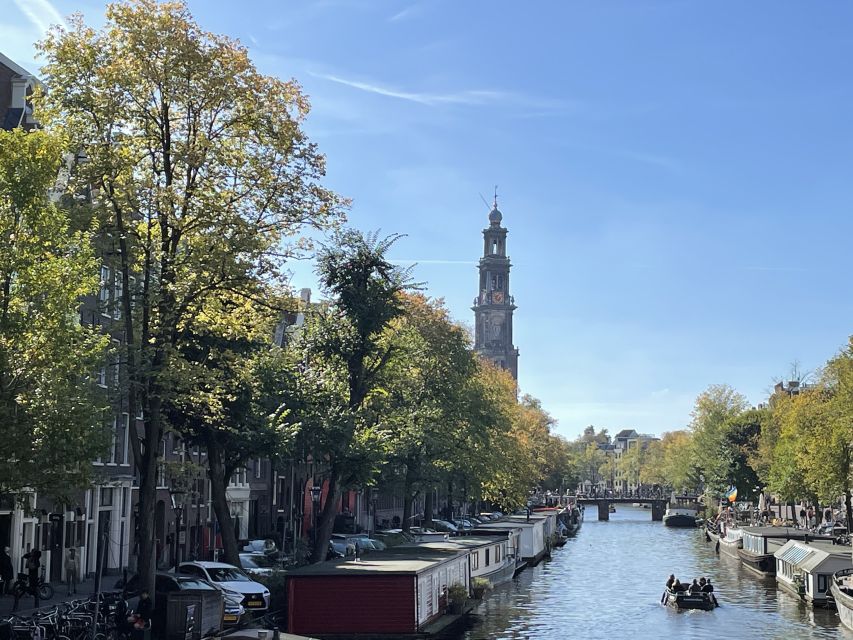
After the canal-house focus, the tour shifts to a different Amsterdam feeling at Westerdoks. These are described as newly designed, and they bring a modern, planning-focused look compared with the older core.
Still, the tour does not forget the older use of the land. You are walking toward the Western Islands, where you can see the former small shipyards and a sense of pure, local life by the water.
One detail I like from the description is that the route acknowledges the water as an everyday feature. It even mentions that you can swim if you want. Obviously, your actual ability depends on conditions, but it is a reminder that Amsterdam is not only about looking at canals. You can experience them, at least in small ways.
The tour also passes houseboats, which is one of those Amsterdam details that can be missed if you only stick to the most crowded sights. Here, you get them as part of the city’s living waterfront, not as a one-off novelty.
Then the walk continues along Brouwersgracht, including a stop in the flow of converted warehouses. That contrast, older industrial spaces turned into something more modern, is a strong theme for anyone curious about how Amsterdam adapts over time.
Noordermaarkt and food stops: light bites without losing the main story
A short segment of the tour includes Noordermaarkt, which becomes especially fun if it is a market day. If you land on the right date, you may stroll past diverse market stalls, and the guide can suggest what to try.
The description specifically mentions trying haring and possibly Amsterdams best ice cream. Even if you skip food purchases, the market stop gives you a human scale. You see what locals browse for, and you understand that Amsterdam neighborhoods have their own rhythms.
The guide may also share recommendations for dinner restaurants nearby, plus suggestions like the best appeltaart and tasty drinks. I treat those as optional, but useful. A good restaurant tip from someone who knows how the neighborhood works can save you time later.
The key point is that this does not turn into a full food tour. The market stop is brief, meant to refresh your senses while you still keep moving through the story of Amsterdam.
Guide quality in German: why this tour’s ratings feel deserved
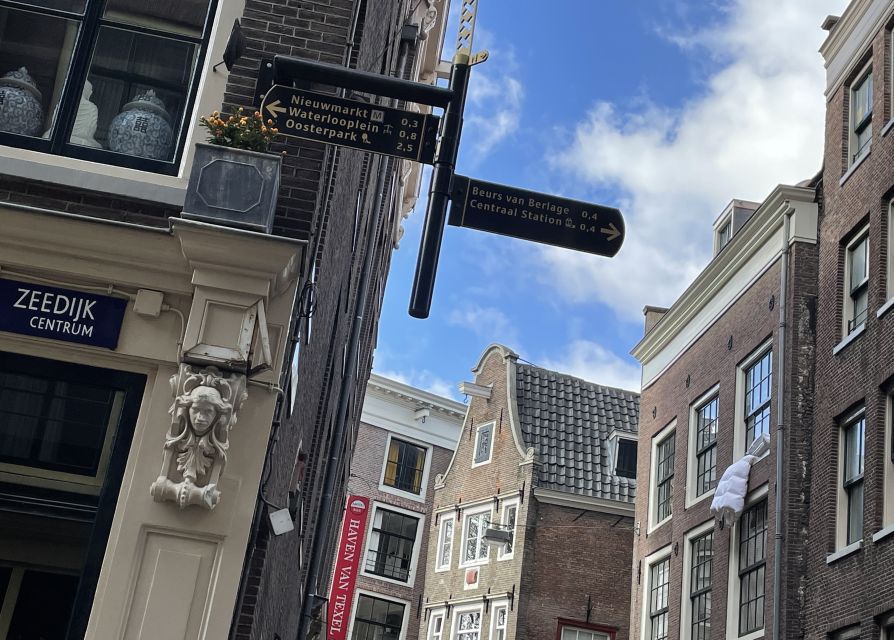
This experience is led in German, and the small group size is a big part of why it performs well. You are capped at 6 participants in the tour details, and the listing also notes a small group of up to 4 persons. Either way, it stays intimate enough for questions and clarifications.
The reviews you can rely on here are consistent about the guide style. For example, Anna is praised for being super friendly and for sharing lots of city information beyond standard talking points. Natascha is noted as a strong choice if it is your first day, because she helps you get your bearings faster. Fred is highlighted for excellent knowledge of Amsterdam’s history and architecture, with clear explanations you can remember.
I also like that the guide uses the walk itself as the teaching tool. You do not sit through slides. You learn while you shift direction, pass buildings, and compare canal-side architecture block by block.
If you understand German well, you will likely enjoy the flow more. If German is a struggle, your experience may feel more like a scenic route with partial context. The walking is still good, but the value depends on getting the explanations.
Price and time: where the $46 feels fair
At $46 per person for 2.5 hours, this is priced like an experience that you take early or mid-trip. The value comes from what it links together: Dam Square, canal belt engineering, Jordaan, Westerdoks, and Noordermaarkt in one route.
Two and a half hours sounds short, but Amsterdam rewards a concentrated route. A huge chunk of the city’s best atmosphere lives in small distances, and a guided loop helps you avoid wandering with no plan.
What you get for your time is also practical. The tour ends near where you started at Beursplein, so you are not stuck across town when you want dinner or a relaxed walk afterward.
You also get the benefit of flexibility and a small group. That usually means the guide can adjust pacing a bit if the city is moving slower than expected, like on a rainy day.
Who should book, and who should consider another option
This tour is a good fit for you if you want to see classic Amsterdam landmarks, but you also want the explanations that connect them. I think it is especially suited to first-timers who need direction. Natascha being described as ideal for getting your bearings is a clue here.
It is also a nice match for people who like architecture and canal details. The route is built around that theme, including 17th-century canal houses and the contrasts between older and newer Amsterdam spaces.
Consider another option if German is not comfortable for you. There is no other language option stated in the details you provided, so you might miss too much of the guide’s storytelling.
Also think about your walking tolerance. This is not a slow stroll with many long rests. You will cover a meaningful amount of ground over 2.5 hours, so plan for steady steps.
Practical tips so you enjoy every stop rain or shine
The tour runs rain or shine, so pack for weather changes even if the morning looks calm. The basics are listed clearly: comfortable shoes, water, sunscreen, and comfortable clothes.
Since the tour includes a market segment, it can help to be ready with small cash or a card, but the data does not require spending. If you want to try haring or ice cream, being prepared helps.
A few rules are part of the tour style. Intoxication and alcohol and drugs are not allowed, so keep the vibe low-key and respectful.
Wheelchair accessibility is stated as available. If you use a wheelchair, it is worth checking with the operator about your specific route comfort, but at least accessibility is recognized in the tour details.
Should you book the Amsterdam guided off-the-beaten-track walking tour?
Book this tour if you want Amsterdam in one smart 2.5-hour loop, with context for Dam Square and the canal belt, then neighborhoods like the Jordaan, plus a taste of Noordermaarkt. The strongest reason to choose it is the guide quality you see echoed in the reviews, whether it is Anna, Natascha, or Fred, all praised for friendly, clear explanations.
Skip it if you do not want a walking-heavy experience or if German is not a comfortable language. In those cases, you might prefer a different tour with your preferred language so you get the full value of the stories.
If you are flexible, this kind of guided walk is a great way to start building your own Amsterdam map, so later you can wander with confidence and spot details on your own.
FAQ
Where does the tour start?
The meeting point is BEURSPLEIN / Damrak, about 350 meters from Amsterdam Central Station. Your guide will be waiting for you and will wear a black-white striped band around the neck.
How long is the Amsterdam guided walking tour?
The tour lasts 2.5 hours.
What language is the live guide speaking?
The live tour guide speaks German.
Is the tour wheelchair accessible?
Yes, the tour is listed as wheelchair accessible.
Does the tour run in bad weather?
Yes, it takes place rain or shine.
What should I bring, and is anything not allowed?
Bring comfortable shoes, sunscreen, water, and comfortable clothes. Intoxication and alcohol and drugs are not allowed.
Amsterdam on Foot




More Tours in Amsterdam




More Tour Reviews in Amsterdam


Newly reviewed around Amsterdam


Walking Tours, side by side.
 ★ 5.0Anne Frank’s Story – Guided Walking Tour through AmsterdamFrom $3911,619 reviews
 ★ 4.8Life of Anne Frank and World War II Walking TourFrom $3710,467 reviews
 ★ 5.0Absolutely Amsterdam – the Essential Introductory Walking TourFrom $53,629 reviews
 ★ 4.8Anne Frank Guided Small Group Walking TourFrom $282,722 reviews
 ★ 4.9Anne Frank Walking Tour – Guided in EN/DE/IT/ESFrom $282,676 reviews
 ★ 4.9Guided Cultural Walking TourFrom $292,384 reviews
 ★ 4.2Guided Ganja Walking Tour of Coffee ShopsFrom $272,092 reviews
 ★ 5.0Anne Frank Walking Tour Amsterdam Including Jewish Cultural QuarterFrom $751,879 reviews
More ways to plan this visit