
REVIEW · WALKING TOURS
Amsterdam: Coffee Shops Walking Tour
Two topics, one smart walk. Amsterdam’s soft-drug legalization story plays out right alongside the Red Light District. In this 2-hour walking tour, you get the context behind how Amsterdam became so famously liberal, and why it still isn’t simple today.
I especially like the way the tour connects policy to real streets. You stop at major coffee-shop landmarks, including Prix d’Ami, and you also see the city’s world’s first coffee shop reference point, which makes the whole history feel concrete instead of textbook.
One possible drawback: this is adult-area sightseeing, and it is not suitable for people with mobility impairments. If you need a quieter, fully accessible route, this may not be your best fit.
Key highlights you should know before you go
- Starting in the Red Light District with context, not just photos
- Prix d’Ami stop, tied to Amsterdam’s soft-drug legalization story
- Small-alley walking moment, including the smallest alley in Amsterdam
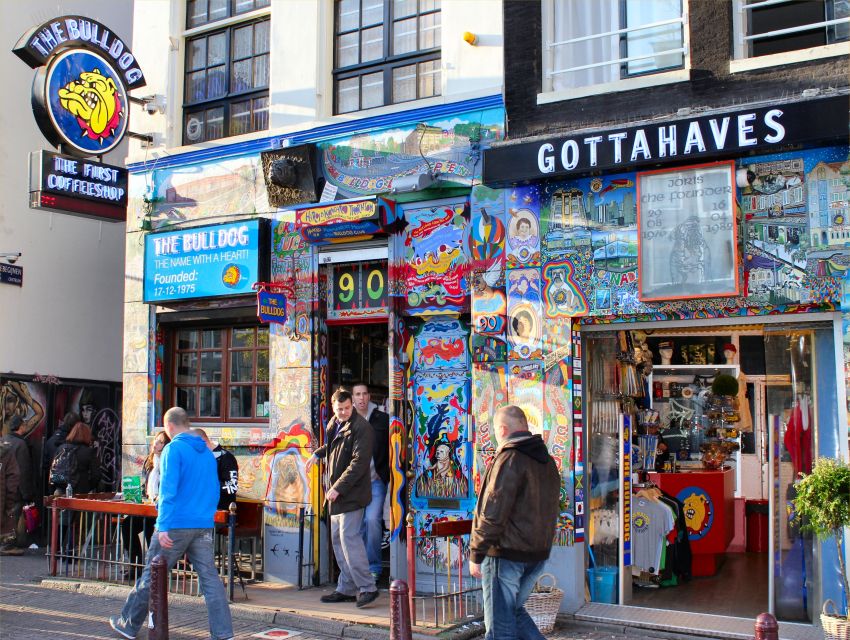
- World’s first coffee shop reference, showing how the model began
- Local-guide street knowledge, including Dutch laws explained in plain terms
Amsterdam at street level, a few more routes
Where this Amsterdam coffee shop tour really takes you
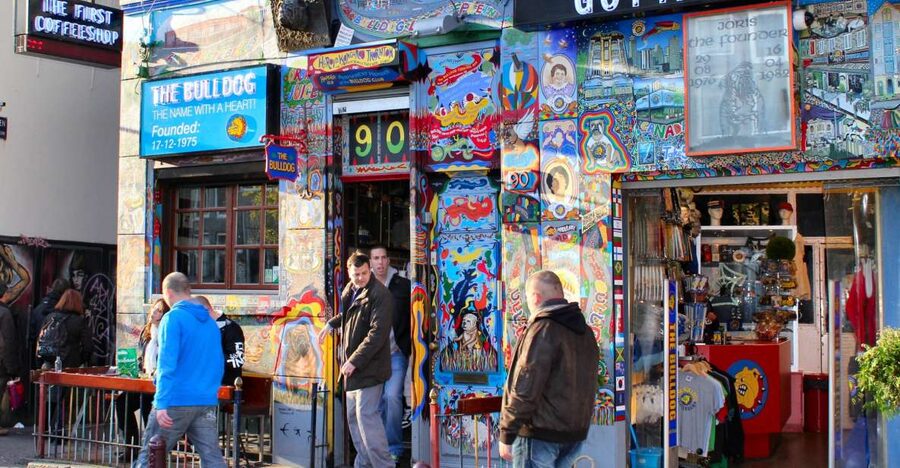
This is not a casual stroll with vague facts. It’s a guided walk that tries to explain Amsterdam the way locals talk about Amsterdam, with politics and culture woven into the streets you’re standing on.
You begin in the heart of the Red Light District. That choice matters. It’s easy to treat the area like a postcard, but the guide framing makes it about how legalization of prostitution happened, and what sex workers still face now. From there, the tour pivots to Amsterdam’s coffee shop culture and cannabis history, so you can see the bigger pattern rather than two separate tourist attractions.
The best part is how the tour links Amsterdam’s attitudes to rules and tradeoffs. Dutch drug policy is often summarized with slogans online. On this walk, you hear the “why,” and also why the laws can feel strange in practice. That makes the conversation more useful if you want to understand how Amsterdam works, not just what people say it is.
Also, it’s short. Two hours means you get a concentrated hit of stories without turning into a full-day grind. You’ll walk city streets, hear commentary in real time, and hit the coffee-shop landmarks that anchor the history.
Meeting point near Barbizon Palace and the Red Light District approach
You meet your guide in front of the Barbizon Palace Hotel NH Collection entrance. That’s a practical landmark, and it helps you get oriented fast in a busy neighborhood.
From the start, expect your guide to set the tone. You’re walking through streets, alleys, and canals tied to the Red Light District, including the famous red-lit windows. The commentary you get is aimed at history and culture, including the legalization of prostitution and the current challenges that sex workers face.
That framing is important for two reasons. First, it keeps the walk from becoming just nightlife watching. Second, it helps you understand why Amsterdam’s liberal reputation comes with real-world complications, not just tolerance as a headline.
Potential downside: the neighborhood is geared toward adult entertainment. Even if you’re curious, you should be ready for that atmosphere. It’s best if you can handle adult themes with a respectful mindset.
Walking Amsterdam’s smallest alley and why narrow streets matter
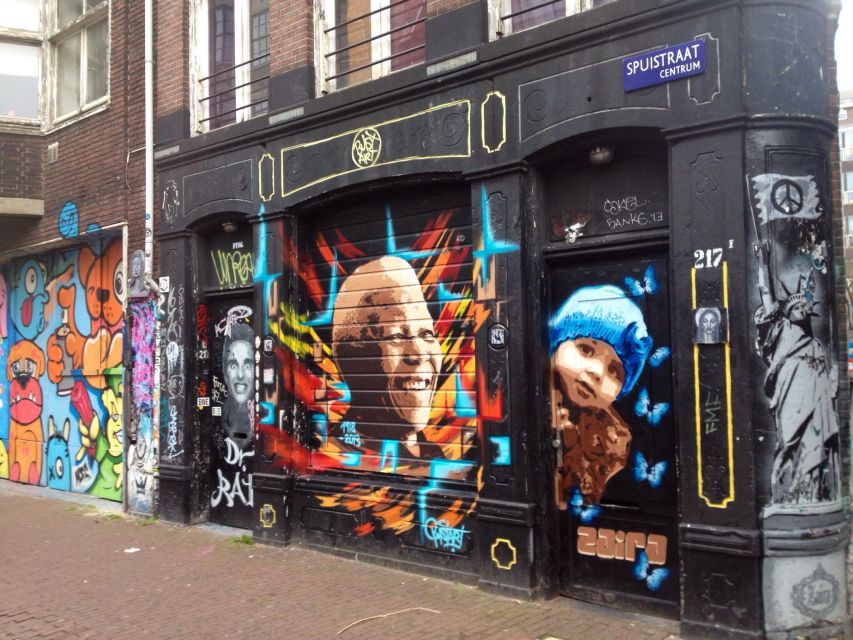
One of the fun specifics on this tour is the walk down the smallest alley in Amsterdam. This is the kind of stop that seems minor until you experience how Amsterdam’s city design shapes everyday life.
Narrow alleys are more than a quirky photo moment here. They show how compact neighborhoods are, how pedestrians move, and how canals and street grids work together. When you’re in a dense area like this, the city’s layout affects everything, from foot traffic to how people find “legendary” corners like coffee shops.
It also breaks up the walk. After the Red Light District streets, it’s a shift in scale. The guide commentary still ties back to culture, but you also get a visual reset.
If you don’t like tight spaces, keep expectations realistic. The alley is small, and you’re moving through it as part of a group. Go slowly, watch your footing, and don’t plan on lingering too long if the group behind you is tight.
Worth comparing with this Amsterdam choice:
- Amsterdam: Guided Ganja Walking Tour of Coffee Shops★ 4.2 · 2,092 reviews
- Amsterdam’s Market Street Food Tour with Streat Bites★ 5.0 · 398 reviews
- Eating Amsterdam: Albert Cuyp Market & The Pijp Food Tour★ 5.0 · 102 reviews
- Amsterdam Private Shopping Experience★ 5.0 · 7 reviews
Coffee shop history you can actually picture
A big part of why this tour works is that it doesn’t treat coffee shops like a single concept. It treats them as a slice of Amsterdam’s evolving approach to soft drugs, rules, and public life.
Along the way, you’ll learn about the cannabis culture of Amsterdam and how legalization of soft drugs happened historically. You’ll also hear about the current Dutch drug laws, including the parts that can feel odd or confusing from the outside.
Here’s what that means for you in real terms. Instead of trying to decide what you believe before you arrive, you get a quick, guided explanation of how the system developed. That helps you make sense of what you see on Amsterdam streets later, even after the tour ends.
The tour also includes a visit connected to the world’s first coffee shop. You’re seeing the roots of the idea, not just the modern version. When you connect the early model to the present-day neighborhood, the story makes more sense.
Practical note: this is a walking tour with commentary. It isn’t marketed as a food and drinks experience, so don’t expect tastings or a long sit-down stop.
Prix d’Ami, the biggest coffee shop, and what to watch for
One of the tour’s signature highlights is the stop at Prix d’Ami, described as the biggest coffee shop in the world. This is the kind of landmark that changes how the story feels.
If you’ve only heard Amsterdam coffee shops talked about in generalities, a place like Prix d’Ami anchors the concept in scale. You can see how Amsterdam’s coffee shop culture isn’t just small, local counterculture. It became a visible, regulated, and famous part of the city’s identity.
It also helps you understand why policy and culture tangle together. When something becomes famous and large, it attracts attention, questions, and constant debate. That makes the guide’s talk about legalization and current Dutch drug laws extra relevant.
What I’d watch for during this stop: the difference between what coffee shops represent culturally and what the actual legal framework tries to manage. A good guide will help you notice that difference without turning it into a lecture.
If you’re expecting a long visit inside, adjust your expectations. This is a 2-hour tour focused on walking, seeing, and hearing the story. The coffee shop stops are there to clarify the history, not to turn the whole day into a single location experience.
Sex work legalization context, and how the guide keeps it grounded
Because the tour begins in the Red Light District, you get a clear story arc that links Amsterdam’s liberal attitudes to policy outcomes. The guide commentary includes the legalization of prostitution and the challenges that sex workers face today.
That’s a crucial balancing act. Amsterdam is easy to stereotype, but sex work and drug policy are both sensitive topics tied to real people. When the guide talks about the city’s history this way, you’re not just learning facts. You’re learning the tradeoffs behind them.
For you, that means the tour can feel more thoughtful than you might expect from a “coffee shop walking tour” title. It’s not trying to shock you. It’s trying to explain why these subjects sit in the same geographic space and in the same larger philosophy of governance.
Possible consideration: if you prefer sightseeing that stays away from adult neighborhoods, this portion may feel uncomfortable. That doesn’t make it wrong. It just means you should pick the tour that matches your comfort level.
How the 2-hour pace works, and what to bring
Two hours is tight, in a good way. You’ll spend most of that time on foot in a concentrated part of central Amsterdam, stopping when the guide hits key points tied to coffee shop culture, cannabis history, and Red Light District context.
Since food and drinks are not included, plan to handle snacks separately if you need them. Also, water helps, especially if you hit warmer weather.
Amsterdam weather can change quickly. One practical move is bringing a light rain layer or umbrella you can actually carry while walking. On rainy days, the tour can still run, so dressing for wet streets is smart.
Because it’s a walking tour, wear shoes that work on uneven sidewalks and canal-area streets. You are moving through alleys and busy areas, and the smallest alley stop means you’ll want stable footing.
Price and value: what $106 buys in 2 hours
At $106 per person for a 2-hour walking tour, you’re paying for three things: a local guide, a focused route, and interpretation that you won’t get on your own.
The included part is a live guide, and the experience is designed to connect multiple themes: cannabis culture history, soft-drug legalization, Dutch drug laws, and the Red Light District’s prostitution legalization story. That’s a lot of “explaining time” for a short visit. If you like learning through walking and real context, this can feel like good value.
What you should factor in: food and drinks are not included. So your total trip cost will likely be a bit higher if you need snacks or water.
Also, this tour is described as a private group. That matters for value because it can mean more room for questions and a guide who can pace the walk to your group rather than pushing everyone through at full speed.
If you want a quick, guided way to understand Amsterdam’s most talked-about adult-adjacent culture, $106 can be a reasonable trade. If you’re only interested in seeing coffee shops as nightlife scenery and not the legal and cultural story, you may feel like you paid for explanation you didn’t need.
Language, small-day details, and planning your timing
The tour offers live guidance in Dutch, English, and German. That’s helpful if you want the guide’s story in your own language, because nuance in legal and cultural topics gets lost when translation is clunky.
One planning detail matters: on Mondays and Tuesdays, tours in German are not available. If German is your preference, aim for another day.
Tours are scheduled based on available starting times. Because it’s a 2-hour experience, you can usually fit it into an afternoon or early evening window without losing a full half-day.
Who this tour suits best, and who should skip it
This is a strong fit if you:
- Want a guided explanation of Amsterdam’s cannabis culture and coffee shop history
- Prefer learning via walking routes, streets, and landmarks
- Are curious about how Dutch drug laws and liberal policies show up in real neighborhoods
- Like local perspective and Q-and-A style guidance
It may not be the best fit if you:
- Have mobility impairments, since the tour is not suitable for people with mobility impairments
- Want a family-friendly, low-stress sightseeing style
- Would rather avoid adult-area context like the Red Light District, even with a historical lens
Because the tour touches both sex work legalization and drug policy, your comfort level matters more than your curiosity.
Should you book this Amsterdam Coffee Shops Walking Tour?
I’d book it if you want Amsterdam explained with a local guide and you’re interested in the connection between coffee shop culture and the city’s legal, political, and cultural approach to soft drugs and sex work. The route is short enough to stay fun, but specific enough to feel meaningful, especially with stops tied to Prix d’Ami, the world’s first coffee shop concept, and the smallest alley moment.
Skip it if you need full accessibility, or if adult-neighborhood context will distract you from enjoying the walk. And if you’re only looking for coffee shops as a nightlife backdrop, you might get more satisfaction spending your time elsewhere and using free time for a self-guided walk.
If you do book, show up ready to walk and listen. Wear good shoes, bring a rain layer, and come with a couple of questions you genuinely want answered about how Amsterdam’s system works.
FAQ
Where is the meeting point for the tour?
Meet your guide in front of the Barbizon Palace Hotel NH Collection entrance.
How long is the Amsterdam coffee shops walking tour?
The tour lasts 2 hours.
What languages are available, and is German offered every day?
The tour is offered in Dutch, English, and German. German-language tours are not available on Mondays and Tuesdays.
Is food or drinks included?
No. Food and drinks are not included.
Is this tour private?
It is listed as a private group tour.
Is there free cancellation?
Yes. You can cancel up to 24 hours in advance for a full refund.
Amsterdam on Foot




More Tours in Amsterdam




More Tour Reviews in Amsterdam



Newly reviewed around Amsterdam


Walking Tours, side by side.
 ★ 5.0Anne Frank’s Story – Guided Walking Tour through AmsterdamFrom $3911,619 reviews
 ★ 4.8Life of Anne Frank and World War II Walking TourFrom $3710,467 reviews
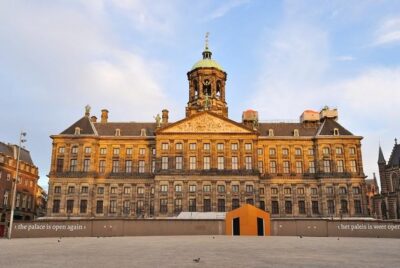 ★ 5.0Absolutely Amsterdam – the Essential Introductory Walking TourFrom $53,629 reviews
 ★ 4.8Anne Frank Guided Small Group Walking TourFrom $282,722 reviews
 ★ 4.9Anne Frank Walking Tour – Guided in EN/DE/IT/ESFrom $282,676 reviews
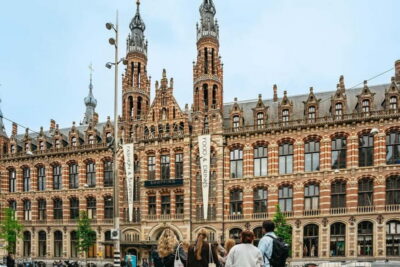 ★ 4.9Guided Cultural Walking TourFrom $292,384 reviews
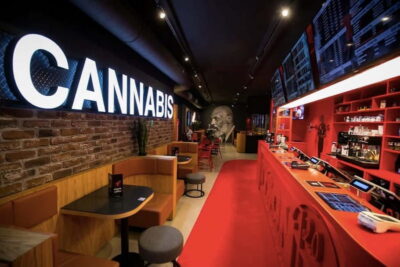 ★ 4.2Guided Ganja Walking Tour of Coffee ShopsFrom $272,092 reviews
 ★ 5.0Anne Frank Walking Tour Amsterdam Including Jewish Cultural QuarterFrom $751,879 reviews
More ways to plan this visit