
REVIEW · HISTORICAL TOURS
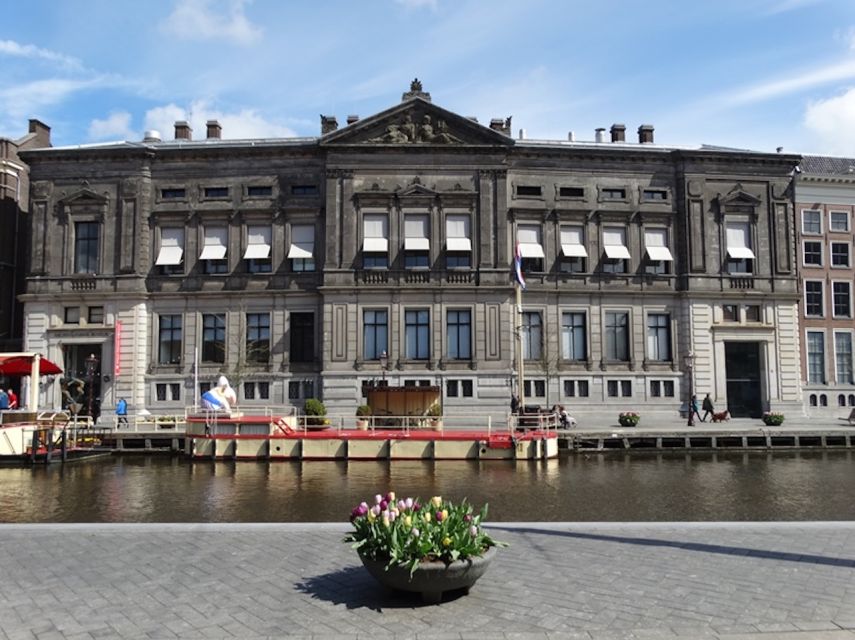
Amsterdam: Allard Pierson Heritage Collections Entry Ticket
Amsterdam turns pages and maps into time travel. At Allard Pierson, I love how the museum connects book history to the city of Amsterdam, and I love the chance to see maps and atlases at a scale you rarely get in one place. It is a great one-day stop if you like objects with stories, not just glass cases.
One thing to consider: if you only want a simple, single-topic museum visit, this collection can feel broad and busy in theme. The best experience comes when you arrive curious about how writing, trade, and collecting shaped different eras.
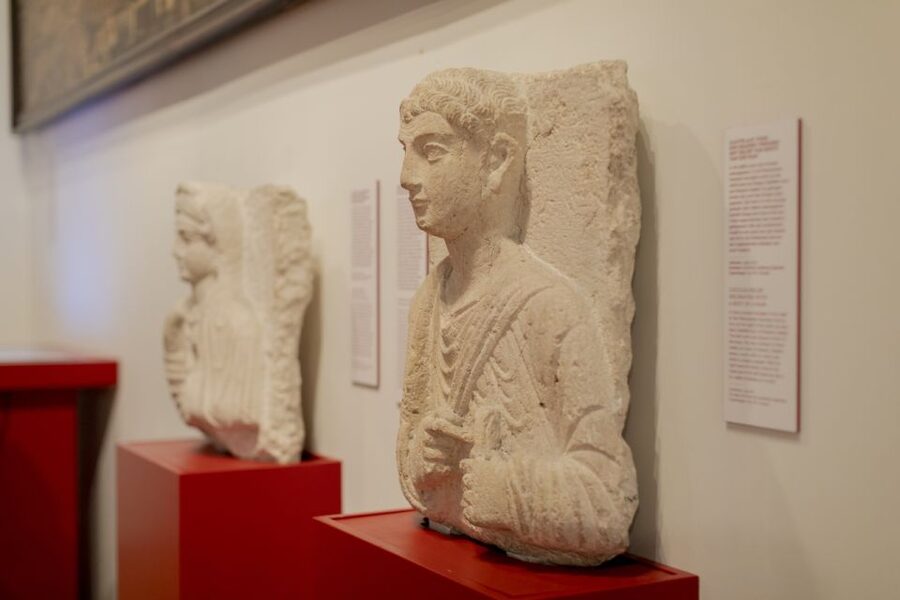
Plan for plenty of gallery time, especially if you want to slow down with the plaster casts audioguide and the temporary exhibition, Face to Face: The People Behind Mummy Portraits. Even when you are not an Egypt specialist, the Roman period mummy portrait angle brings a very human scale to ancient artifacts.
Key Points Before You Go
- A single entry ticket covers the permanent and temporary exhibitions
- Amsterdam book history plus major map and atlas holdings
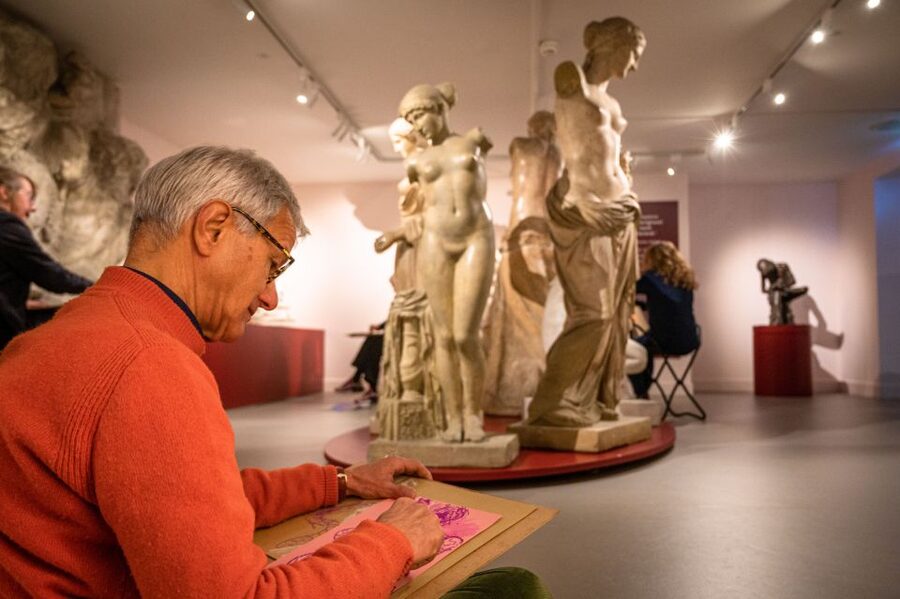
- An attic plastercast collection of Greek and Roman statues, with an audioguide
- Ancient Egyptian and Sudanese collections that connect writing and everyday life
- Temporary mummy portraits show runs 6 October to 25 February
Worth comparing with this Amsterdam choice:



Allard Pierson in One Day: What Your Ticket Actually Covers
Your Amsterdam: Allard Pierson Heritage Collections entry ticket is straightforward: you get access to the permanent presentation, the temporary exhibition while it is running, and the museum’s shop and cafe. You are also covered for the audioguide for the plaster collections, which is a smart add-on because plaster casts work best when you have a bit of context on what you are looking at.
The ticket is valid for 1 day, and you will see starting times when you check availability. That matters because you can plan your day around it, instead of trying to squeeze the museum in at the last minute.
Also note the museum is wheelchair accessible, and the host or greeter is in English. The “heritage collections” theme means you will be looking at artifacts and displays that focus on how humans stored, shared, and preserved knowledge, not only on famous art alone.
Entering the Permanent Presentation: How the Museum Links Ancient and Modern Worlds
The permanent galleries tell a clear story: the interaction between the ancient and modern world, and the long arc of human curiosity. You start with ideas that are simple but powerful, like the origins of writing and early industrial book production. Then the museum expands into trade and daily culture, including details that connect to Amsterdam, like Assyrian merchants and theatre makers.
That structure is useful for you because it gives you a way to organize what you see. Instead of treating each room as its own isolated topic, you can follow the museum’s thread: how people collected information, copied it, sold it, and turned it into culture.
You will also spot the range of materials across civilizations. The display examples include Egyptian hieroglyphs, Greek pottery, Roman glass, medieval manuscripts, and 17th-century atlases and books. Even if you do not know the historical names, you can still enjoy the logic of how objects travel through time and why collectors cared.
Book History of Amsterdam: The City as a Knowledge Machine
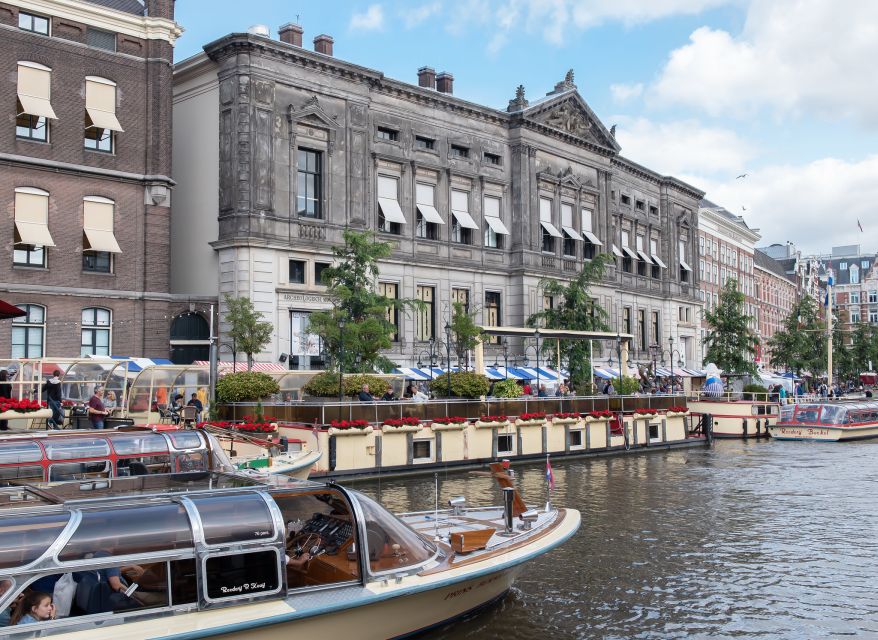
If there is a single reason this museum works so well, it is that book history is not treated as dusty trivia. You see how books, manuscripts, and printed works helped shape the city’s identity, from the early days of writing to early industrial production.
What I like here is how the museum makes the story feel practical. A book is not just a book. It is a technology, a trade item, and a cultural product. When the museum places things like medieval manuscripts and later printed atlases into the same line of thinking, you get an honest sense of progress without turning it into a straight-up “modern is better” lecture.
For your visit, this part is ideal if you enjoy:
- graphic design and old writing styles
- how information moved through trade
- the everyday side of big historical moments
A small caution: if you are visiting mainly for archaeology objects and you are not interested in books, manuscripts, or mapmaking, you might feel less satisfied in the sections that focus on texts and printing culture.
More chapters of old Amsterdam, told on foot
- Amsterdam Food and Cultural Tour with Tastings★ 5.0 · 2,442 reviews
- Amsterdam High-End Dutch Food & History Tour – Up to 8 guests★ 5.0 · 482 reviews
- Amsterdam: Historic City Sightseeing Canal Cruise★ 4.5 · 444 reviews
- Anne Frank and the Jewish History of Amsterdam Private Tour★ 5.0 · 307 reviews
Maps and Atlases: One of the World’s Biggest Collections, in Your Path
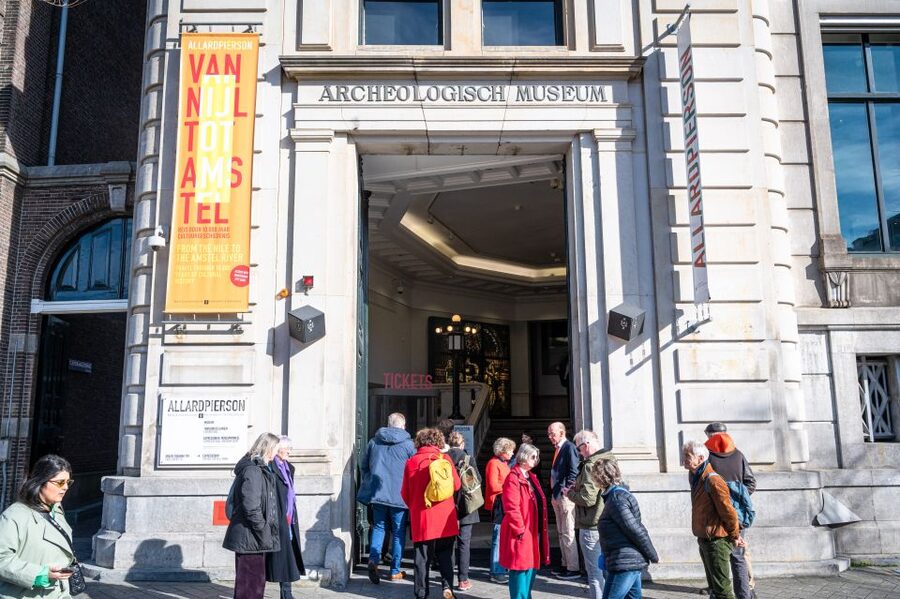
The museum’s maps and atlases are a headline highlight, and for good reason. You get to see one of the largest map and atlas collections in the world, and it is the kind of collection that changes how you look at a city map forever.
Maps sound simple until you remember they are packed with decisions. Who was making them? For whom? What did they trust? What did they guess? At Allard Pierson, the map theme ties back to the museum’s larger story of curiosity and knowledge-sharing. These atlases and maps are not just geography, they are evidence of how people tried to understand the world.
When you walk through, take a moment to compare how map materials and presentation change across time periods. The museum examples point to 17th-century atlases and books, which is a period where you can really feel the blend of observation and ambition.
Practical tip for you: spend a little extra time here even if you feel the museum is moving fast. Maps reward slowing down because you start noticing details instead of just “wow, a big map.”
The Plastercast Attic: Greek and Roman Statues, Explained by Audioguide
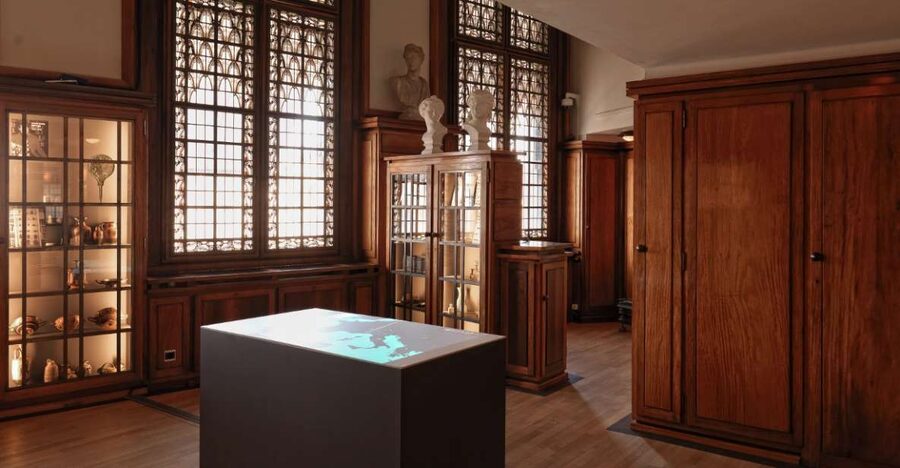
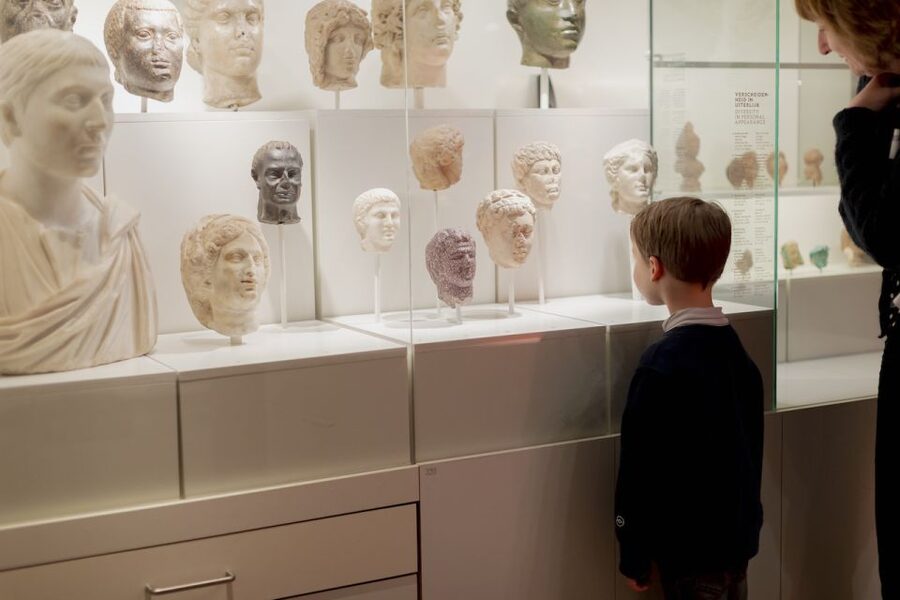
One of the most memorable parts is the plastercast collection in an attic setting, focused on Greek and Roman era figures. The museum includes an audioguide for the plaster collections, which you will be glad about. Plaster casts can look like “copies,” but they matter because they preserve and teach about classical forms, study culture, and collecting practices.
In this space, you will see examples described as plaster casts of famous classical statues. That means you are not just passively looking at stone-looking replicas. You can learn what these casts were meant to communicate and how people used classical imagery as a reference point.
What I recommend for you is a two-step approach:
- Look first, without the audioguide, to see what catches your eye.
- Then play the audioguide to connect names, styles, and context.
If you skip the audioguide, you can still enjoy the visual impact, but you will miss part of the value. This is exactly the type of museum where a small tech layer makes your experience more complete.
Ancient Egypt and Sudan: Writing, Objects, and the Human Connection
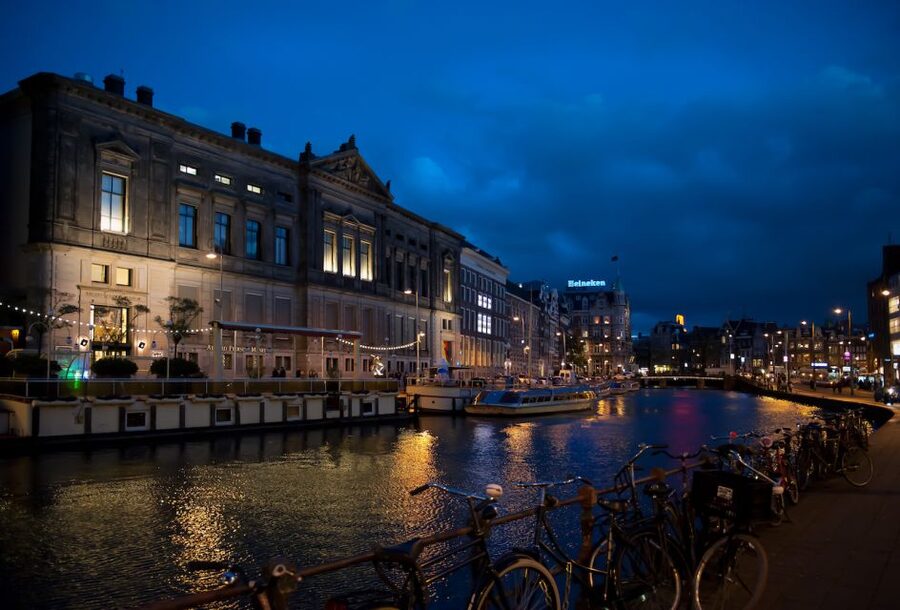
The museum also includes Ancient Egyptian and Sudanese collections, and this is where the galleries start to feel personal. The description highlights Egyptian hieroglyphs alongside objects such as pottery and glass in the broader permanent theme, but the Egyptian and Sudanese rooms bring the writing and symbolism closer to the foreground.
I like that the museum positions these cultures inside a story of knowledge, not as separate “sightseeing stop” rooms. Egyptian hieroglyphs are a perfect example. They are writing, but also art, identity, ritual meaning, and record-keeping.
For you, this section is a great fit if you like:
- reading systems and how they influenced memory
- artifacts that show daily life, not only monumental pieces
- the overlap between art and information
If you are mainly interested in one narrow topic like only Egypt, you might still be satisfied here. But if you are not in the mood for any reading or symbolic interpretation, you may find yourself wanting more straightforward “look and admire” displays.
Temporary Exhibition Timing: Face to Face with Mummy Portraits

Your ticket includes the temporary exhibition while it runs: Face to Face: The People Behind Mummy Portraits, from 6 October to 25 February. If your dates fit, this show is the biggest “special reason” to buy your entry ticket for those months.
The exhibition focuses on Egyptian mummy portraits made during the Roman period in Egypt, dated roughly from the 1st to the 4th century AD. These portraits were painted on wooden panels and placed over the faces of mummified people. They are also known as Fayum portraits, named after the region where many examples were excavated.
What makes the exhibition valuable for you is the way it shifts the question. Instead of only asking what the portraits look like, the exhibition asks who was involved. It brings you face to face with the portrayed individuals and also with creators, descendants, followers, collectors, archaeologists, and researchers who shaped what survives today.
The show gathers around 38 portraits from all over the world, including masterworks lent from places like the Louvre and the J. Paul Getty Museum. That international mix is a strong reason to see it in Amsterdam rather than only relying on what is permanently in one collection.
A quick emotional tip: these portraits are often the kind of objects that stop you mid-step. Plan time here with no rush. Even if you prefer maps and books, this temporary exhibition gives the museum’s “curiosity” theme a very human face.
Museum Shop and Cafe: The Practical Break You’ll Want
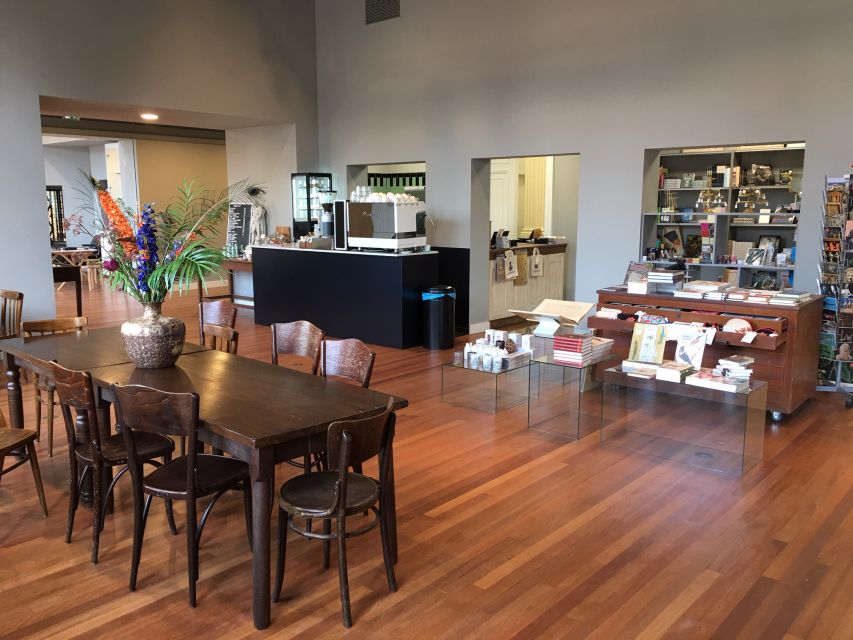
You also get access to the museum shop and cafe. This matters because the museum experience, especially if you include both permanent and temporary highlights, can run longer than you expect. A pause gives your brain a reset, and it also lets you keep your energy for the plaster casts and the mummy portrait rooms.
You do not need to treat it as a “planned stop,” just know it is there if you want a break without leaving the museum area.
Price and Value: Is $18 Worth It?
At $18 per person, this ticket is priced like a museum admission, but it includes more than many single-theme visits. You get the permanent presentation, the temporary exhibition (during its run), access to the shop and cafe, and the audioguide for the plaster collections.
For you, the value hinges on one question: do you want crossovers?
- If you like archaeology plus book culture plus maps, the ticket feels like a bargain because you get multiple related “knowledge systems” under one roof.
- If you only want one narrow topic, you may find some rooms less satisfying, so the value becomes less obvious.
The rating average (4.1 from 13 reviews) suggests most people find the experience worthwhile, but the important part is how you personally handle broad museum themes. If you can enjoy the museum’s logic of how knowledge travels, $18 can feel like a very fair price.
Who Should Book This Entry Ticket, and Who Might Want to Skip
I think you should book this ticket if you are the type of traveler who enjoys patterns across time. You like the idea that a museum can connect writing, trade, collecting, and representation in a single visit.
This is especially suited to:
- people who love maps, atlases, and book history
- curious museum-goers who like objects with stories
- anyone visiting Amsterdam who wants more than canals and art museums
You might want to skip, or at least go with lighter expectations, if you prefer one clear storyline with a narrow focus, because the collections range from cartography to Egyptian artifacts to classical plaster casts.
Practical Tips for a Smooth Visit
Here are the tips that will help you get the best experience from the entry ticket you booked.
- Check your starting time when you reserve. The ticket is valid for 1 day, with starting times shown for availability.
- If you are visiting during the temporary exhibition dates, plan the mummy portraits as a priority. Face to Face runs 6 October to 25 February.
- Build your route around the museum’s main anchors: book history and maps first, then the attic plastercasts, then Egyptian and Sudanese rooms, then finish with the temporary show if you can.
- Use the audioguide for the plaster collections. You can still enjoy the casts without it, but the guide adds context that makes your looking time more rewarding.
- Take breaks in the cafe area. Even if you do not plan a full meal, a short reset helps if you are staying through both permanent and temporary exhibitions.
Should You Book This Entry Ticket?
Book it if you want a one-day Amsterdam museum that connects knowledge, images, and writing across ancient and early modern worlds. The combination of book history, massive map and atlas holdings, plaster casts, and an international temporary mummy portrait exhibition is a rare mix.
I would also say book it if you like museums that respect your curiosity. This place does not just show artifacts. It tells you why people cared, and what those collections meant for later generations.
Skip it only if you strongly prefer a single narrow category, like only Egypt or only classical art. If that is you, you might spend time in rooms that do not match your pace. For everyone else, it is a thoughtful, rewarding ticket at a price that feels fair for what you get.
FAQ
Is the Allard Pierson entry ticket valid for one day?
Yes. The ticket is valid for 1 day. You will also be shown starting times when you check availability.
What is included with the entry ticket?
Your entry ticket includes access to the permanent exhibition and the temporary exhibition, plus the museum shop and cafe. It also includes access to an audioguide for the plaster collections.
What languages are available?
The host or greeter is English, and the listed language for the experience is English.
Is the museum wheelchair accessible?
Yes, the activity is listed as wheelchair accessible.
What temporary exhibition is included, and when does it run?
The temporary exhibition included is Face to Face: The People Behind Mummy Portraits. It runs from 6 October to 25 February.
What is Face to Face about?
It focuses on ancient Egyptian mummy portraits painted on wooden panels during the Roman period in Egypt, also known as Fayum portraits. The exhibition brings together portraits and the people connected to them, including creators, researchers, collectors, and others.
How much does the ticket cost?
The price listed is $18 per person.
Can I get a refund if I cancel?
Free cancellation is available up to 24 hours in advance for a full refund.
Is there a pay later option?
Yes. You can reserve now & pay later, which keeps your plans flexible until you choose to pay.
The Older City, Told Properly






More Tickets in Amsterdam






More Tour Reviews in Amsterdam




Newly reviewed around Amsterdam




Historical Tours, side by side.
 ★ 5.0Amsterdam Food and Cultural Tour with TastingsFrom $912,442 reviews
 ★ 4.5Haunted History and Ghost Walking TourFrom $30488 reviews
 ★ 5.0Amsterdam High-End Dutch Food & History Tour – Up to 8 guestsFrom $157482 reviews
 ★ 4.5Historic City Sightseeing Canal CruiseFrom $18444 reviews
 ★ 4.6Historical Highlights Walking Tour with TastingFrom $34381 reviews
 ★ 5.0Anne Frank and the Jewish History of Amsterdam Private TourFrom $95307 reviews
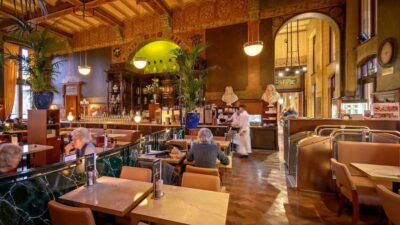 ★ 4.53-Course Meal in Historic 1st Class Waiting RoomsFrom $61292 reviews
 ★ 4.8Highlights & History Walking TourFrom $32266 reviews
More ways to plan this visit