
REVIEW · PRIVATE
Private WW II Tour: Nazi Camp, WW2 battle grounds and cemetery
You can’t rush a day like this. This private WWII route links former imprisonment at Kamp Vught with the fighting at Arnhem, so you see the arc from terror to battlefield. I love how the guide uses personal stories to make the facts easier to hold in your head.
I also like the practical touches, admission tickets included for the biggest sites and a schedule that keeps the day moving without feeling chaotic. Even the break snacks, including stroopwafels, help you keep going through the long, heavy morning.
The main drawback is emotional weight, and lunch isn’t included, so you’ll want to plan for food at your pace.
Key Highlights You’ll Care About
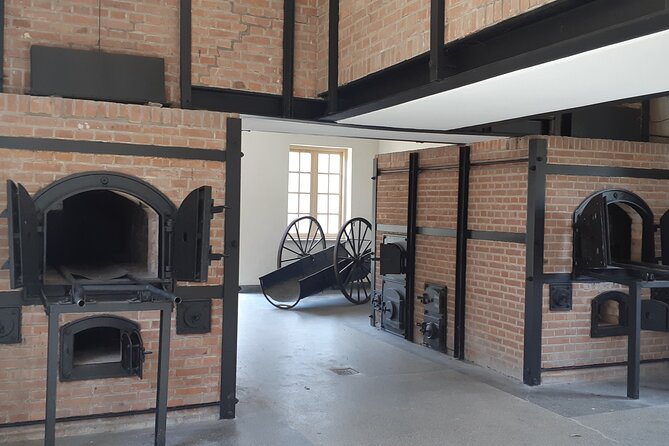
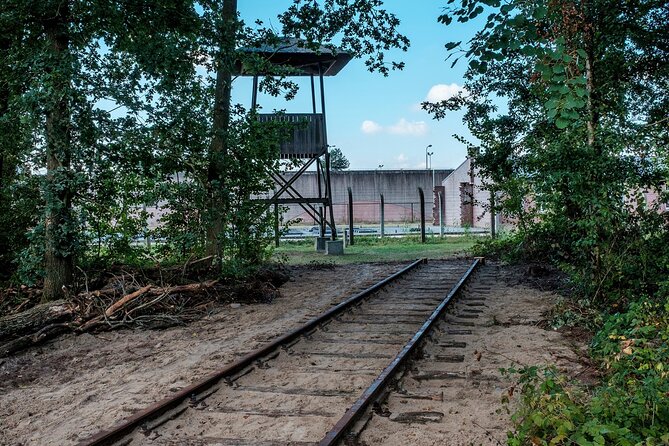
- Kamp Vught’s preserved camp elements (watchtowers, barracks, crematorium, original train, children’s memorial) give you a clear layout, not just vague ideas.
- The execution site in the woods where over 300 resistance members were executed adds an extra layer of context to the suffering.
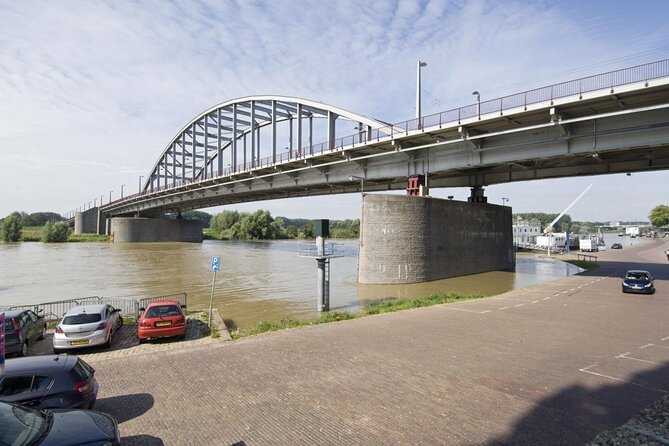
- John Frost Bridge in Arnhem is tied to Operation Market Garden and even the movie A Bridge Too Far, so it’s easy to visualize the stakes.
- Airborne Museum at Villa Hartenstein connects the headquarters story to personal accounts, with objects that bring the war closer.
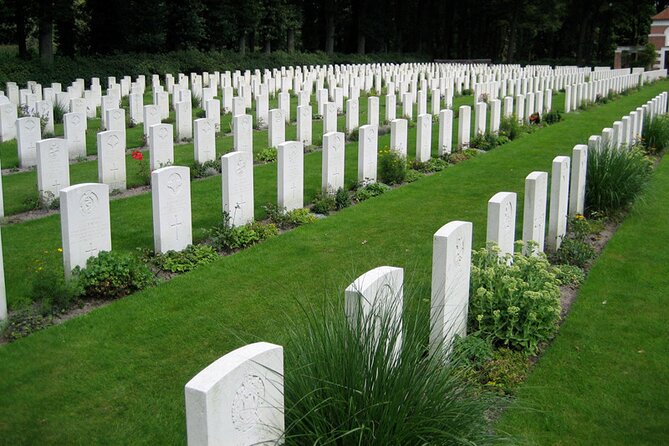
- Arnhem Oosterbeek War Cemetery is where most of the 1,684 fallen soldiers from the September landings are buried.
Other private routes shaped around your group
Kamp Vught: where the camp’s layout still teaches you
Most WWII tours in the Netherlands focus on one place. This one moves through a connected story, and Stop 1 sets the tone. You go to the Nationaal Monument Kamp Vught in the south of Holland, where the camp was first used in 1942. It held about 31,000 Jewish and political prisoners, and the site has enough remaining structure that you can understand how the system worked. Not in theory. In real space.
What I like here is how the visit is built around what’s still visible: watchtowers, barracks, a crematorium, and an original train. You also get a children’s memorial, which hits hard, and an execution site in the woods where over 300 resistance members were executed. That mix matters. It’s not only imprisonment. It’s also punishment and execution, placed in context.
This is also one of those sites where a short, clear pace helps. Your guide’s personal stories are key. They help you process the information without turning it into a blur. If you want extra background, there’s a good audio tour at the camp, plus a book shop and a small cafeteria for a breather.
Practical note: even with a guide, you’ll likely want a few minutes on your own. Stand still at the memorial spots. Look at what remains. WWII history can feel abstract until you’re standing where it happened.
The John Frost Bridge stop: short time, big stakes
After the camp, the day swings to Arnhem and Operation Market Garden. Stop 2 is the John Frost Bridge, the John Frostbrug, over the Rhine. The bridge was the last bridge that needed to be captured for the plan to work. If the Allies could take it, the road to Germany would open.
This stop is only about 45 minutes, and that’s actually a strength. You’re not going to spend hours here, you’re going to connect the dots. Your guide’s explanation makes the bridge feel like a strategic hinge, not a random crossing over a river.
You’ll also probably recognize the location because the bridge is linked to the movie A Bridge Too Far. That movie reference can help your brain visualize the battle lines. Just remember, film is film. The real value is what the bridge represents in the operation’s logic.
What to watch for: quick photo time is fine, but don’t make this stop only about pictures. Take a few minutes to orient yourself, then let the explanation sink in. The bridge is a famous landmark, but it also sits inside a specific, desperate plan that failed in part because of what happened elsewhere.
Airborne Museum at Hartenstein: the HQ story you can walk through
Stop 3 is a solid block of time, about 3 hours, at the Airborne Museum at Villa Hartenstein. This is where the Battle of Arnhem in September 1944 comes to life in a way that feels human instead of purely tactical.
Villa Hartenstein became the headquarters of the British Airborne Division during heavy fighting. The goal was bold: punch through German lines, capture the Ruhr area, and end the war sooner. The plan didn’t succeed. The bridge at Arnhem, the one tied to John Frost Bridge, became the idea of a bridge too far.
What I value most here is the museum’s approach. It uses personal stories from British, Polish, and German soldiers, plus civilians. Those stories are told through historical objects, which helps you picture individuals rather than only units and dates. When you’ve just visited a concentration camp, this kind of storytelling also balances the day. You’re still facing war, but now you’re seeing it through people caught in the middle.
Your guide’s pacing matters again. The stop can easily become either too dry (names and dates) or too emotional (just suffering). A good guide threads the needle, giving you structure and brief context so you understand what you’re looking at.
Practical advice: if your legs start to feel it, use the museum breaks to sit for a minute. Don’t rush through the rooms. Objects take a moment. Read the labels slowly, then let your guide point out what to notice.
- Amsterdam Classic Saloon Boat Cruise with Drinks and Cheese★ 5.0 · 31,825 reviews
- Amsterdam Luxury Canal Cruise + Unlimited Drinks & Bites option★ 5.0 · 30,518 reviews
- Amsterdam: Heineken Experience Ticket★ 4.6 · 30,055 reviews
- Amsterdam: Rijksmuseum Entry Ticket★ 4.7 · 25,535 reviews
Arnhem Oosterbeek War Cemetery: taking in 1,684 fallen
Stop 4 is the Arnhem Oosterbeek War Cemetery, about 1 hour. The cemetery is where most of the 1,684 fallen soldiers of the September landings are laid to rest. That number is part of why this stop is so powerful. It anchors the battle to real, final resting places.
Cemeteries like this can feel overwhelming because you want to do something, not just stand there. In reality, the best thing you can do is slow down. Look at the rows, read what you can, and give yourself time to absorb the scale. Even if you don’t find a particular name, the place tells you what happened and who didn’t return.
This stop also changes the tone of the day. After the camp and museums, you move into a quieter space. It’s not a place for speed. If you keep an open mind, the cemetery can become the emotional landing point for everything you saw earlier.
If you’re the type who gets restless in outdoor sites, counter it with a simple plan: spend the first 10 minutes looking at the overall layout, then walk slowly and return to a central view before you’re done. That keeps you from drifting.
Private pickup and the 10-hour flow that keeps it manageable
The route works because it’s structured, not because it’s random. Start time is 8:00 am, and pickup is offered from your hotel or cruise ship. The guide wears a blue shirt or coat with the tour logo, so you can spot them without playing guessing games in the morning crowd.
Because this is private, only your group participates. That matters for a day like this. You’re not stuck waiting for stragglers or competing with other people for the guide’s attention. It also means you can ask small questions in real time, like how a specific site fits into the bigger story.
The tour duration is about 10 hours, and travel time and lunch time are included in the total. That’s a big deal. Many day trips feel longer than they are because you’re constantly on the move, with no built-in breathing room. Here, the schedule acknowledges that you’ll need time to travel and time to regroup.
One practical thought: with WWII sites, your brain gets tired in a different way. Not only from walking, but from absorbing heavy material. Having a guide to keep the pacing clear helps a lot.
What’s included, and what you’ll want to bring
This tour does a nice job handling the day-to-day comfort items. Bottled water, soft drinks, and water are available throughout, along with stroopwafels and snacks. There’s also soda/pop included. So you’re not going to be left hunting for refreshments right after a memorial site.
The one clear miss is lunch. Lunch is not included, though lunch time is included in the overall duration. That means you’ll need to buy food yourself during that window.
Here’s the practical angle: plan for lunch like it’s part of the itinerary. If you need a place to stop, the Nationaal Monument Kamp Vught has a small cafeteria. It can be a convenient option when you’re already there. If you prefer something else, you’ll want to decide before the day starts or ask your guide what makes sense with the timing.
What I recommend bringing: comfortable walking shoes, and layers. You’ll spend time at outdoor locations, including the wooded execution site area and the cemetery. Even if the day feels mild, your body will decide it needs warmth once you slow down.
Also bring a water-proof plan for your phone. You’ll likely take photos at some stops, but remember that memorial sites are not the place for big showy moments. Keep your camera use respectful and brief.
Price and value: why $450.59 can make sense
At $450.59 per person, this is not a budget half-day. But it also isn’t just a ticket to a museum. You’re paying for a full-day, private experience with pickup, English guidance, and a set of major stops linked in a logical storyline.
Here’s where the value shows up:
- Admissions included for the Nationaal Monument Kamp Vught (3 hours) and the Airborne Museum at Hartenstein (3 hours).
- Free admission for the John Frost Bridge (45 minutes) and the Arnhem Oosterbeek War Cemetery (1 hour).
- Pickup from your hotel or cruise ship, which saves you time and hassle.
- Snacks and drinks all day, including stroopwafels and water.
- Mobile ticket, which reduces friction when you arrive.
If you tried to DIY this route, you’d spend time coordinating transport and buying the right tickets in the right order. On a day like this, that time adds up, and you’d likely lose the benefit of a guide shaping what you notice.
Now the balanced part. You’re paying a premium for private convenience. If you’re traveling solo, or if you’re on a tight schedule, the cost can feel steep. If you want a smooth day, with a guide who helps you process the sites in the right order, the price starts to feel more reasonable.
Who this WWII tour is best for
This tour is a strong fit if you:
- Want a structured WWII day that connects imprisonment, battlefield strategy, and the aftermath.
- Appreciate a guide who shares personal stories that help you understand what you’re seeing.
- Prefer a private format where the pace is set by your group.
It may be less ideal if you:
- Know you struggle with emotionally heavy sites. This route includes a Nazi concentration camp and an execution site, followed by battle and a war cemetery.
- Are hoping lunch will be handled for you, because lunch is not included.
- Want a purely casual sightseeing day. This is a serious, reflective itinerary.
If you’re with family or teenagers, it can still work, but you should judge how they handle serious memorials. The tour does include a children’s memorial at Kamp Vught, which will shape the tone of the visit.
Should you book this private WWII tour from Amsterdam?
I’d book it if you want your day to feel organized and meaningful, not rushed. The combination of Nationaal Monument Kamp Vught, the John Frost Bridge, Villa Hartenstein, and the Arnhem Oosterbeek War Cemetery creates a clear path through WWII events around Arnhem and the Netherlands. The guide’s personal stories and the steady pacing are the big reasons to choose a private tour here.
But go in with your eyes open. This is heavy content, and you’ll spend a long day away from a sit-down lunch plan that’s included. If that trade-off fits you, the value is there, especially because admissions for two major sites and plenty of refreshments are already handled.
If you want one day in the region that ties the battle to the human cost, this is a solid pick. Just wear comfortable shoes, plan your lunch window, and give yourself permission to slow down at the places that deserve it.
FAQ
What time does the tour start?
The tour starts at 8:00 am.
How long is the private WWII tour?
It lasts about 10 hours.
Is pickup included?
Yes. Pickup is offered at your hotel or cruise ship. The guide wears a blue shirt or coat with the tour logo.
Is this tour private?
Yes. Only your group will participate.
Is the tour offered in English?
Yes, it is offered in English.
What food and drinks are included?
Bottled water and soft drinks are included, along with stroopwafels, soda/pop, and snacks.
Is lunch included?
No. Lunch is not included, but lunch time is included in the total duration.
Are admission tickets included for every stop?
Admission tickets are included for Nationaal Monument Kamp Vught and the Airborne Museum at Hartenstein. The John Frost Bridge and the Arnhem Oosterbeek War Cemetery have free admission.
Are service animals allowed?
Yes, service animals are allowed.
Is there free cancellation?
Yes. You can cancel for free up to 24 hours in advance for a full refund.
Amsterdam for Just Your Group


More Tours in Amsterdam





More Tour Reviews in Amsterdam

Newly reviewed around Amsterdam
Private, side by side.
 ★ 4.5Rijksmuseum Amsterdam Small-Group Tour with Private UpgradeFrom $901,547 reviews
 ★ 5.0Van Gogh Museum Tour Reserved Entry Semi PrivateFrom $1731,437 reviews
 ★ 5.0Private Amsterdam Red Light District and Coffee Shop TourFrom $41763 reviews
 ★ 5.0Anne Frank and Jewish Quarter Amsterdam Private Walking TourFrom $157684 reviews
 ★ 4.5Amsterdam Airport & Non-Airport Private Transfer to City CenterFrom $60521 reviews
 ★ 5.0Private Excursion to Zaanse Schans, Edam, Volendam and MarkenFrom $840420 reviews
 ★ 5.0Van Gogh & Rijksmuseum w/ Reserved Entry Semi-Private 8ppl MaxFrom $288419 reviews
 ★ 5.0Anne Frank and the Jewish History of Amsterdam Private TourFrom $95307 reviews