
REVIEW · RIJKSMUSEUM TOURS & TICKETS
Amsterdam: Rijksmuseum Private Tour
Golden-age painting gets way easier with a guide. This private Rijksmuseum visit is built for hands-on art understanding, with a guide who explains how Dutch Masterworks were made and what they meant. You get a 2-hour private pace instead of wandering in a crowd.
I especially like the focus on Rembrandt’s The Nightwatch in the Honorary Gallery, not just a quick glance. You also get practical help to make museum time smoother, including advice for getting in with less hassle.
One possible snag: the Rijksmuseum is busy, and if your guide is scheduled for another tour, the end can feel a little rushed.
Key takeaways before you go
- Honorary Gallery time for The Nightwatch, with context for what you’re seeing
- Painting technique explanations that turn pictures into something you can read
- Dutch Golden Age themes, including everyday life and the story power of art
- A guide-led Q&A style, so you notice details instead of zoning out
- Small private group (up to 2), which makes questions actually possible
- Meeting inside the museum at a clear marker near the information counter
More focused ways through the Rijksmuseum
Entering the Rijksmuseum at the right moment
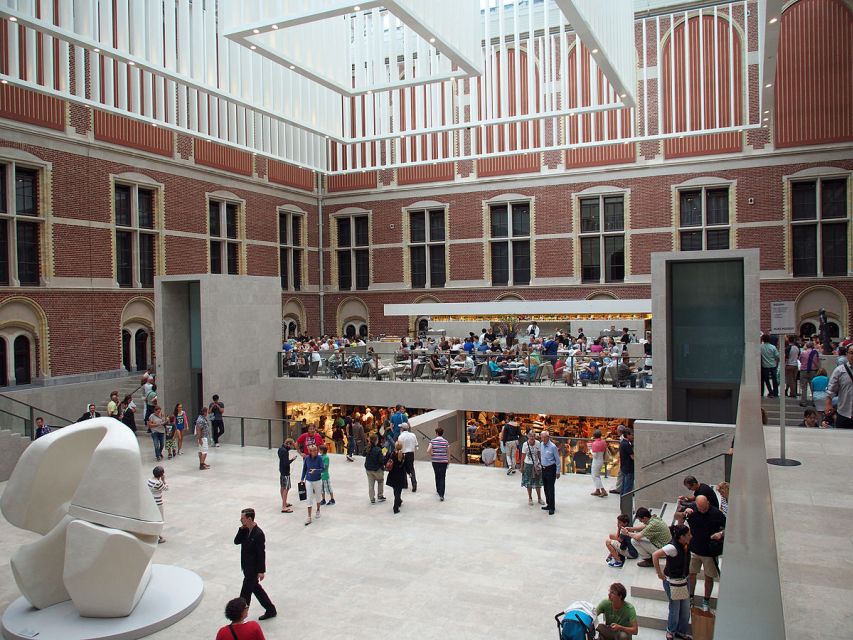
The meeting point is inside the museum, after you’ve already gone through entry. You’ll see a round info counter, and about 10 meters to the right there’s a small sign that reads meeting point, where your guide will be waiting.
I like this setup because it removes the guesswork once you’re inside. But it also means you should give yourself a little buffer time to get through the front doors calmly, then find the guide without stress.
This is a true private tour for a group of up to 2, so you won’t be stuck listening to a headset syllabus while you try to get your bearings. The guide brings live interpretation in Dutch, English, and German, so you can match the language to your comfort level.
Two big practical things to plan around:
- The entrance ticket is not included, so you still need your own ticket.
- You get guidance on skip-the-line or how to make the wait bearable, but that does not replace having a ticket.
If you’re coming with kids or older family, this structure helps. One family-friendly highlight: in past tours, the guide’s approach kept adults, teens, and even younger visitors engaged by tying visual details to story and meaning.
Honorary Gallery focus: Rembrandt’s The Nightwatch
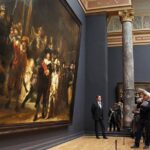
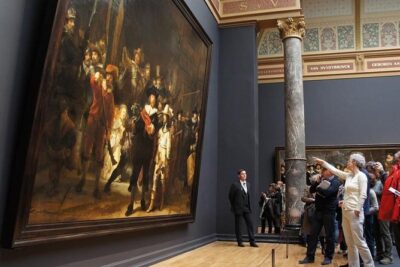
If you care about Dutch Master painting, you’ll want to see Rembrandt in the “right” frame of mind. This tour’s anchor moment is a visit to the Honorary Gallery specifically to see Rembrandt’s masterpiece, The Nightwatch.
What makes that especially valuable is the way the guide helps you stop treating the painting like a single famous image. Instead, you’re encouraged to look at it like a scene with timing, characters, and intention. In a crowded gallery, that shift is everything: you spend less time searching for what you’re supposed to notice, and more time understanding why the work is so memorable.
Also, The Nightwatch is a magnet, so expect the museum to feel full. If you go in with a plan, the pressure drops. A private guide turns that chaos into something you can manage by pointing you toward the best vantage points and the most important details the painting holds.
The one drawback to watch for here
Because the museum is busy, a tour may move quickly at the end if the guide has another group scheduled. You can protect your experience by sharing your priorities at the start. If The Nightwatch is your top goal, say so right away, so you don’t lose time later.
Other private routes shaped around your group
- Rijksmuseum Amsterdam Small-Group Tour with Private Upgrade★ 4.5 · 1,547 reviews
- Van Gogh Museum Tour Reserved Entry Semi Private★ 5.0 · 1,437 reviews
- Private Amsterdam Red Light District and Coffee Shop Tour★ 5.0 · 763 reviews
- Anne Frank and Jewish Quarter Amsterdam Private Walking Tour★ 5.0 · 684 reviews
Dutch Masters techniques: why you’ll look longer, not faster
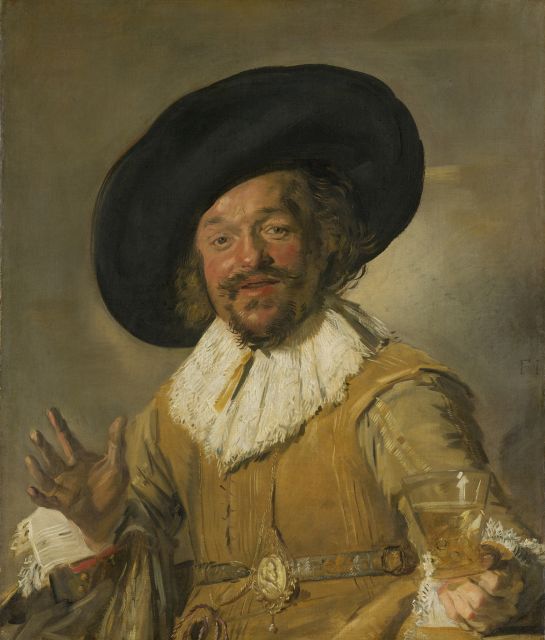
The heart of this tour is technical understanding. Your guide explains painting methods used by artists associated with the Dutch Golden Age, including Rembrandt, Vermeer, and Frans Hals. You’ll also get interpretation, including hidden meanings in selected works.
Here’s what that means in real life: instead of only admiring the surface, you’ll start noticing the choices underneath. The guide talks about how paint creates light, texture, and depth, and why certain compositions feel alive. One review-style takeaway that matters for you is that the guide doesn’t just lecture. He prompts you to notice what’s in front of you, then connects it back to technique.
There’s also a storytelling angle you’ll feel immediately. In the 17th century, painting often acted like a teaching tool. Without school books and TV, images carried messages the way books, and cartoons, do today. This tour leans into that idea, so you start reading paintings for meaning instead of treating them like pretty objects.
If you’re the type who gets impatient with “just art facts,” you’ll likely appreciate the mix of craft plus story. It’s the combination that turns a famous museum visit into a real learning experience.
How the tour makes sense of Dutch history in the paintings
Dutch art didn’t grow in a vacuum. The tour connects what you see to the bigger world behind it, including the idea that the Dutch ruled the waves, after earlier powers like the Spanish and Portuguese. That context helps explain why certain subjects feel so confident, commercial, and internationally aware.
It also clarifies why so many works feel close to ordinary people. Even when paintings include kings, queens, emperors, mythological scenes, and historical subjects, this era also highlighted daily life. You get a sense that artists were responding to what the public wanted on their walls, which is a very practical way to understand why the style looks the way it does.
One theme I like for decision-making: when you understand the audience, you stop judging the art by modern expectations. You start asking different questions, like:
- What did a viewer in the 1600s learn from this image?
- What social message is the painter sending?
- How do costume, pose, and setting steer the meaning?
Your guide’s job is to help you ask those questions without making the museum feel like homework.
Medieval art vs the Dutch Masters: what changes and why
This tour calls out a shift from medieval art to the newer Flemish and Dutch Masters. That’s a useful framing because it gives your eyes a reference point.
Instead of treating the Dutch works as random “masterpieces,” you can see the evolution in how painters constructed scenes and portrayed people. The guide explains the difference in approach and innovation, so you recognize why Golden Age painting looks different: different choices about realism, composition, and how the viewer is meant to interpret the scene.
In plain terms, this is about the leap from symbolic or stylized conventions toward art that feels like it’s telling a story in a specific moment. The result is that the paintings can feel more immediate and readable, which is exactly what you want when you’re only spending about two hours in the museum.
Vermeer and Frans Hals: portraits and scenes with human scale
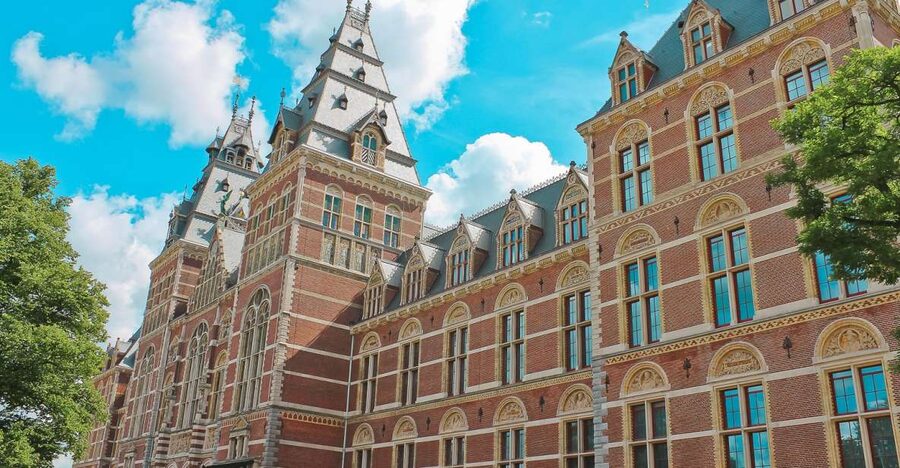
You’ll also spend time with works associated with Vermeer and Frans Hals. Even without a long list of named paintings in the tour notes, the themes are clear: portrait energy, domestic or everyday subject matter, and the way Dutch artists made figures feel present and real.
Vermeer’s side
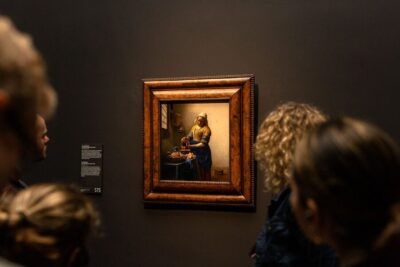
For Vermeer, the strength is often in the quiet, controlled storytelling. This tour’s technique-first approach helps you see how light and detail create mood and meaning, instead of only enjoying it as a “pretty picture.”
Frans Hals’s side
For Frans Hals, expect a different kind of impact. His portraits tend to feel lively, and Hals is the kind of artist where brushwork and expression matter. With a guide explaining methods and intention, you’ll spend less time wondering why people look so animated, and more time recognizing how the painter achieved it.
A note on pacing
Because the tour is only two hours, your guide will likely prioritize the works and themes that best support the “how to look” goal. That’s good value for your time. But if you have one single, must-see painting beyond The Nightwatch, tell the guide early so your priorities don’t get squeezed out by the learning flow.
The guide matters: Rolf Schreuder’s style and why it works
One standout from the tour experience is how strongly the guide’s personality shapes the visit. Many past bookings described Rolf Schreuder as energetic, engaging, and genuinely excited about art, with a sense of humor that kept the mood friendly even when the galleries were crowded.
What I think you’ll like most about this style is the way it becomes interactive. The guide asks questions like what you notice in a painting, how you might compare one work to another, and what you like or dislike about a particular style. That sounds simple, but it’s powerful. You stop being a passive spectator and become an active observer.
It also helps families. In one case, the tour worked for a range from adult to teenage boys, with the guide keeping the learning clear and interesting. If you’re traveling with multiple generations, that balance is a major reason this format can outperform a standard group tour.
One extra practical note: in one booking, Rolf was replaced by Isabel, who was described as friendly and knowledgeable. If you book, it can be smart to confirm your guide name shortly before the tour, so you know who you’ll meet.
Price and value, plus how the Amsterdam Card can help
Let’s talk value without pretending it’s cheap. The price is $235 per group, up to 2, for a tour lasting about two hours. On paper, it’s a premium compared to standard museum entry.
But here’s where the value comes from:
- You’re paying for interpretation, not just access.
- You’re getting technique and meaning, which usually takes way longer to learn on your own.
- A private group means the guide can adjust to what you actually want to see.
If you’re traveling as a couple, this price often feels more reasonable because you’re essentially buying two benefits at once: guided understanding plus guaranteed time with the works you care about.
Amsterdam Card: likely helpful
The tour info strongly suggests getting an Amsterdam Card, available through GetYourGuide. It’s described as offering unlimited museum access and including public transport, including train service from the airport to Amsterdam city centre and trams in town.
I’d treat this as worth investigating if you plan to do more than one museum during your stay. It can reduce decision fatigue, because you can hop between sights without constantly calculating ticket costs.
Entrance ticket still required
Even with an Amsterdam Card, the tour still notes that entrance tickets are not included in the tour price. So you’ll want to confirm how your museum access works and have the right pass or ticket ready before you meet your guide inside.
Should you book this Rijksmuseum private tour?
Book it if you want your time at the Rijksmuseum to feel like more than a checklist. This is a smart choice when you care about how paintings are made, not just that they’re famous. The combination of The Nightwatch in the Honorary Gallery plus technique explanations for Rembrandt, Vermeer, and Hals gives you a high return on a short visit.
Skip it (or reconsider) if you’re the kind of visitor who prefers to wander freely without prompts. Also, if you’re very sensitive to feeling rushed, go in with a plan and tell the guide your priorities immediately, especially if The Nightwatch is your must-see.
FAQ
How long is the Rijksmuseum private tour?
It’s listed as a 2-hour private tour of the Rijksmuseum.
How much does the tour cost?
The price is $235 per group, up to 2 people.
Is the Rijksmuseum entrance ticket included?
No. The entrance ticket is not included.
Where do we meet the guide?
You meet your guide inside the museum after you enter. Look for the round info counter, then go about 10 meters to the right to the small sign that says meeting point.
What languages are offered for the live guide?
The live guide is available in Dutch, English, and German.
Is this tour wheelchair accessible?
Yes, the tour is wheelchair accessible.
Is the tour a private group?
Yes. It’s a private group.
Can I cancel for a refund?
Yes. Free cancellation is available up to 24 hours in advance for a full refund.
Is the tour good for art beginners?
Based on the tour description, it’s designed to explain techniques and meanings in a way that makes art easier to understand, including what paintings meant to 17th-century viewers.
Should I get an Amsterdam Card for this?
The tour notes say you may benefit from getting an Amsterdam Card, which includes access to unlimited museums and public transport.
More Tours in Amsterdam






More Tour Reviews in Amsterdam





Stay with the Dutch Masters


Newly reviewed around Amsterdam



Rijksmuseum Tours & Tickets, side by side.
 ★ 4.7Rijksmuseum Entry TicketFrom $3125,535 reviews
 ★ 4.5City Canal Cruise and RijksmuseumFrom $452,129 reviews
 ★ 4.5Rijksmuseum Amsterdam Small-Group Tour with Private UpgradeFrom $901,547 reviews
 ★ 4.3Rijksmuseum Entry Ticket and Canal Cruise ComboFrom $451,276 reviews
 ★ 4.7Rijksmuseum Guided Tour and TicketFrom $78649 reviews
 ★ 5.0Rijksmuseum Amsterdam Exclusive Guided Tour w/ Reserved EntryFrom $108440 reviews
 ★ 5.0Van Gogh & Rijksmuseum w/ Reserved Entry Semi-Private 8ppl MaxFrom $288419 reviews
 ★ 5.0Van Gogh & Rijksmuseum w/ Reserved Entry Exclusive Guided TourFrom $288254 reviews
More ways to plan this visit