
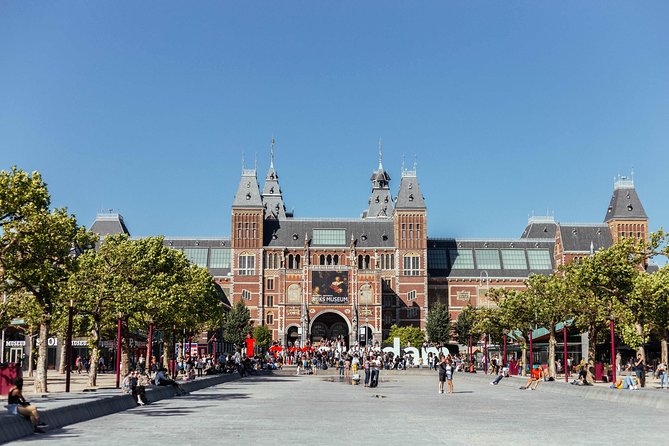
REVIEW · RIJKSMUSEUM TOURS & TICKETS
Amsterdam Rijksmuseum PRIVATE TOUR with a Local Private Guide
One guide can save your Rijksmuseum sanity. This private, skip-the-line visit pairs a dedicated local with a museum route that runs from medieval Dutch painting through the Golden Age and beyond. I love the private pacing and the way your guide can tailor the story to your interests, from Geerten tot St. Jans and the Tree of Jesse to Hals, Vermeer, and Rembrandt. I also like that the skip-the-line setup is handled through your guide, and you get Amsterdam recommendations at the end. The possible drawback is simple but important: the tour price does not include museum admission, and you’ll need to be ready to pay it in cash on site.
You’ll be walking a lot through one of Europe’s busiest art stops, but you’re not doing it alone with a guide who can translate what you’re seeing. Based on the guide names people mention most often, you may be with an art historian type such as Rolf, Anna, Martin, or Marten. That usually means you spend less time asking yourself what you’re looking at, and more time understanding why it matters.
Key points to know before you go
- Skip-the-line admission ticket is arranged by your guide, so you waste less time standing around
- Admission is not included in the price, you pay 20 EUR per person in cash to the host
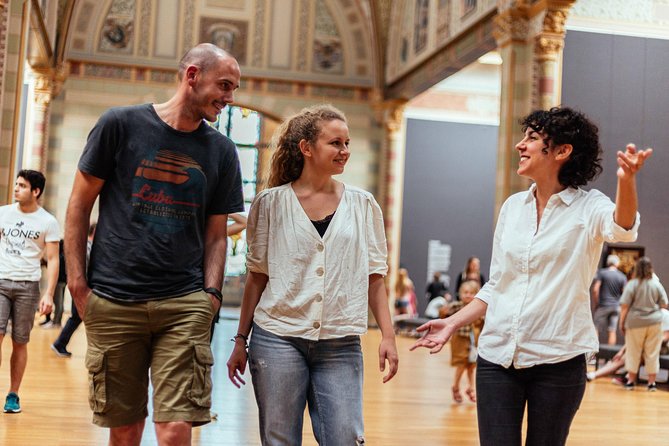
- A true private walking tour, only your group and your guide, so you can set the pace
- A clear art-history storyline through medieval, Renaissance, Golden Age, 18th century, and 19th century highlights
- Guides often tailor the route, including for families and for visitors with specific interests
- Carbon neutral experience is included, which is a nice extra touch for a museum outing
More focused ways through the Rijksmuseum
What makes a private Rijksmuseum guide worth it
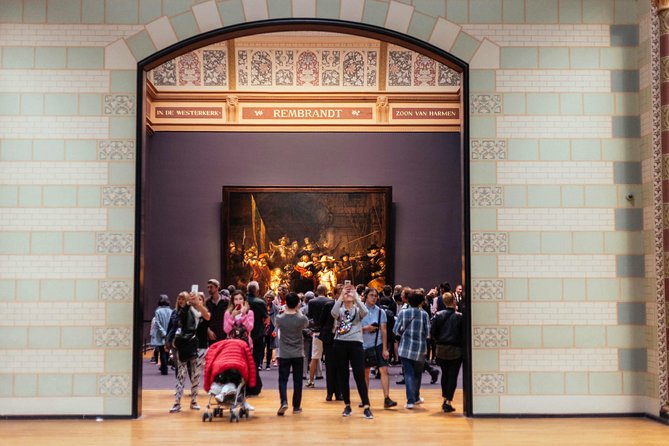
The Rijksmuseum is big, famous, and easy to get lost in. A private guide changes the whole feel. Instead of trying to pick the right rooms while your phone battery dies, you get a human plan that moves through the collection in a sensible sequence.
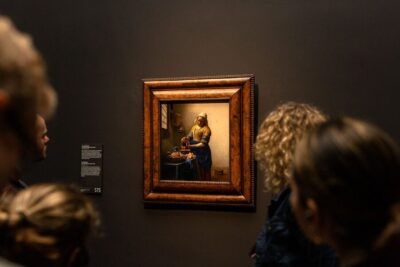
You also get the one advantage that matters most in a world-class museum: interpretation you can follow. This tour focuses on the story of Dutch painting across eras. You start with the religious intensity of the medieval section, then see how the Renaissance period sets up the Golden Age, and finally you zoom in on the big names: Hals, Vermeer, and Rembrandt. If you’re going only once, that structure helps you leave with an actual mental map, not just a list of paintings.
Price-wise, the tour itself costs $141.87 per person, and the admission ticket is separate. That sounds annoying until you think about time and stress. If you only have a limited window in Amsterdam, paying for a guide plus a timed entry plan can be the difference between a satisfying visit and a rushed one. In the same spirit, the tour includes a carbon neutral experience, which is a small but real value add.
One more perk: your guide is not just talking to hear themselves talk. People mention that guides like Rolf and Anna can explain paintings in a way that connects style, history, and even Dutch commerce. That kind of context is what turns art from wallpaper into something you can actually understand while you stand in front of it.
Your 2-hour storyline through medieval, Renaissance, and the Golden Age
This tour is set up like an art-history timeline. Each stop is designed to build on the last, so the museum feels less like a maze and more like a guided narrative.
Stop 1: Rijksmuseum medieval times, the Tree of Jesse
You begin in the medieval era with religious paintings that can feel intense at first glance. The highlight here is Geerten tot St. Jans and his work tied to the Tree of Jesse. Even if medieval art is not your usual thing, the guide’s job is to translate what these images meant and why they were powerful in their time.
Why this works: starting with medieval religious art helps you understand the cultural foundation behind later Dutch painting. If you start with the Golden Age, you can miss what came before. Here, you get that starting point early, so later masterpieces land with more meaning.
What to watch for: don’t just look at the subject. Pay attention to composition and symbolism. Your guide’s explanations are the clue as to what you should focus on in the details.
Worth comparing with this Amsterdam choice:
- Amsterdam: 75 Minute City Canal Cruise with Audio Guide★ 4.4 · 17,501 reviews
- Anne Frank’s Story – Guided Walking Tour through Amsterdam★ 5.0 · 11,619 reviews
- Amsterdam: Johan Cruijff ArenA Tour with Optional Guide★ 4.6 · 8,954 reviews
- Amsterdam: Royal Palace Entry Ticket and Audio Guide★ 4.6 · 6,475 reviews
Renaissance era: Lucas van Leyden and the road to the Golden Age
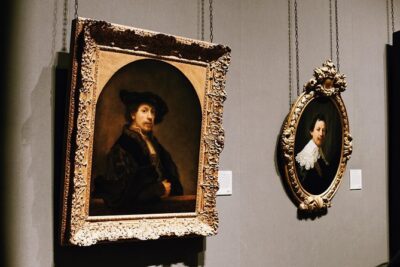
Next comes the Renaissance period. This part is about change, timing, and influence. You’ll hear how the Renaissance era connects to the foundations of the Golden Age. Along the way, Lucas van Leyden gets special attention, often described as a key figure, sometimes even compared to Rembrandt because of how he shaped portrait and painting approaches in the period.
Why it matters for you: this is the section that helps you see that the Golden Age did not appear out of nowhere. It grew from earlier skill sets, tastes, and artistic developments.
Practical tip: in a short tour, your guide’s job is to point out what to notice fast. If anything feels unclear, ask for one concrete takeaway, such as what makes this style different from the medieval works you just saw.
Golden Age: Hals, Vermeer, and Rembrandt
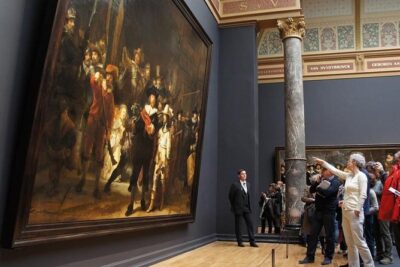
This is the big centerpiece. You’ll explore the Golden Age through the core masters: Hals, Vermeer, and Rembrandt. This is where most people want to stand still and stare, but a guide helps you avoid the common problem: seeing famous names without understanding what makes each artist distinct.
Why your time here is efficient: you’re not browsing randomly. The guide steers you to the most telling works and gives you the context to understand them quickly. If you’re the type who likes to learn while moving, this section is where you feel it the most.
Also, this is where guides often shine. Multiple people mention guides bringing the paintings to life through art history explanation, and tailoring the visit based on what you care about. If you have a background in art or you prefer quick, digestible stories, you can often steer the conversation.
18th century rooms: clocks, furniture, marble vases, porcelain animals
The Rijksmuseum is not only about paintings. In the 18th century portion, you’ll spend time on decorative arts and objects, including clocks, handmade furniture, marble vases and fireplaces, and even life size porcelain animals.
This matters because it changes how you experience the museum. Art is not floating on a wall in isolation. The material culture tells you what people valued, how interiors were designed, and how craftsmanship communicated status.
What to do during this stop: treat it like a break from image-only viewing. Focus on how the objects are made and what details catch your eye. Your guide can turn these items into clues about everyday life and taste during that era.
19th century: the scale of Battle at Waterloo
The tour also reaches into the 19th century highlight: the biggest painting in the Rijksmuseum, the Battle at Waterloo. The sheer scale is often the first thing you notice. The guide’s value is what comes next, explaining why the painting is so important within the museum’s story.
If you love dramatic history scenes, this finale can feel satisfying. If you prefer smaller details, ask your guide what to look for inside the composition so the size does not overwhelm you.
Skip-the-line entry and the 20 EUR cash admission detail
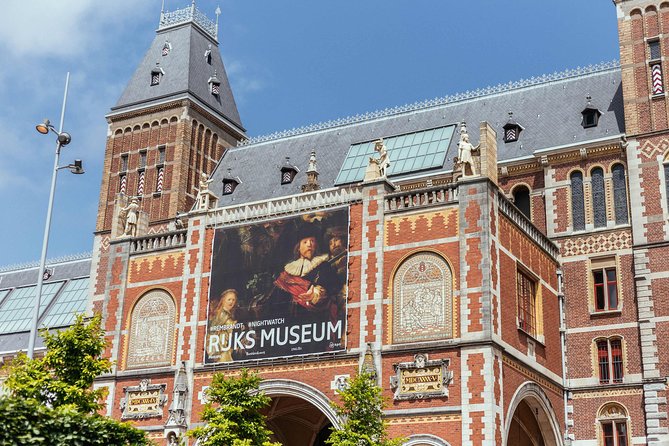
This tour is sold as skip-the-line, and that is genuinely useful at the Rijksmuseum. The key detail is that your tour price does not include the museum admission ticket. Instead, you’ll pay the admission to the host in cash, listed as 20 EUR per person.
So what should you do with that information?
- Bring cash in euros for the admission payment.
- Plan to show up ready to pay without last-minute searching.
- If you are traveling with a group, coordinate who has the cash so the start of the tour does not slow down.
Your guide takes care of prebooking. That’s the whole point, and it usually saves real time. Still, a balanced view means acknowledging that ticket availability is not fully in the guide’s control. Some people report worst-case scenarios where tickets could not be secured close to the visit, and the visit did not happen as expected.
What that means for you: book with some flexibility if you can, and treat confirmation messages seriously. If you get an alert from the guide the day before, follow it immediately and confirm the plan.
Timing is listed as about 2 hours. In some cases, the experience can run later than the headline duration. If you have a timed dinner reservation or a specific flight to catch right after, plan a buffer.
Where you meet at Hobbemastraat 18 and how to avoid delays
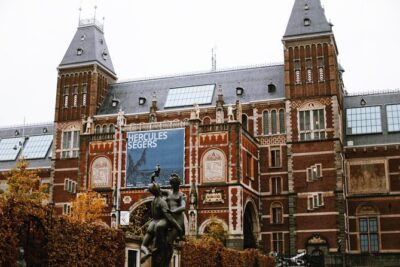
The meeting point is Hobbemastraat 18, 1071 ZB Amsterdam, Netherlands. The tour ends back at the meeting point, so you’re not left navigating the city afterward with your brain full of paintings.
It’s also described as near public transportation. That matters because Amsterdam foot traffic and museum crowds can slow you down. If you build your route around transit access, you’re less likely to arrive flustered.
One common issue with timed tours is simply finding the guide on time. Some people felt the meeting information could be clearer, which caused delays. Your best move is to arrive early and be ready to confirm you’re in the right spot.
Simple on-the-ground advice:
- Aim to arrive around 10 to 15 minutes early.
- If you’re using public transportation, give yourself extra time for walking from the stop.
- Keep your phone available for contact details tied to your booking.
What to ask your guide so you get more from each room
Because the tour moves through eras quickly, the quality of your experience often comes down to your questions. A private guide gives you room to get answers that make the next painting easier to understand.
Here are prompts that fit what guides on this tour tend to focus on:
- Ask what changed from the medieval stop to the Renaissance stop. One clear difference is enough.
- In the Golden Age segment, ask which artist’s work you should see if you only care about one thing, like faces, light, or composition.
- When you hit the 18th century objects, ask what the decorative arts say about daily life and wealth.
- For the Battle at Waterloo finale, ask what to look for first when a painting is enormous and crowded.
People mention that guides can tailor the experience to your interests and even to family needs. If you’re with kids, ask for the version that keeps attention moving. If you’re an adult who wants structure, ask for the timeline logic of how each era leads into the next.
Amsterdam ideas after the museum, not just inside the museum
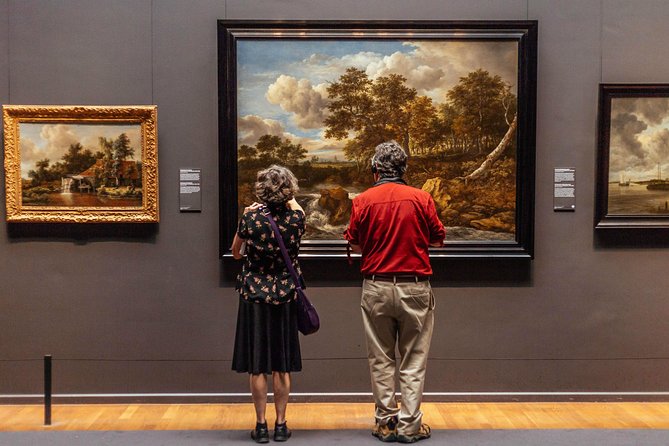
This tour includes Amsterdam recommendations after your museum visit. That part is valuable because it helps you use the rest of your day like a local would, rather than guessing from a map.
What you can expect from that portion:
- Where to go next based on your interests and the time you have
- Practical suggestions that reduce wasted walking
- A way to keep the city story going after the Rijksmuseum timeline ends
If your Amsterdam schedule is tight, this is the piece that can turn the day from museum-only to city-smart. It also helps if you feel tired after standing in front of art for a while. A good recommendation gives you a next step with a reason.
Value check for $141.87 plus admission in cash
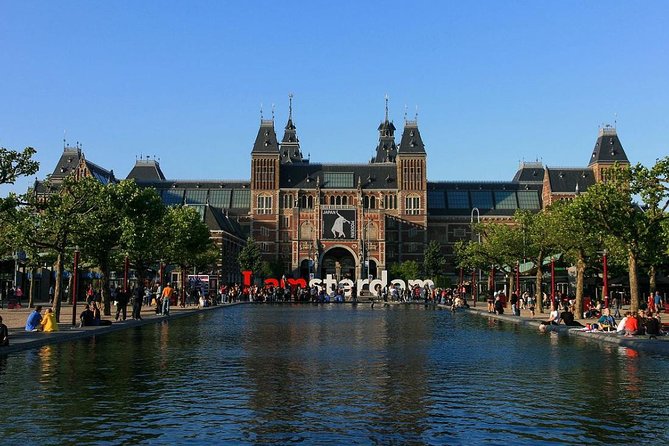
Let’s do the math in a realistic way. You pay $141.87 per person for the private tour and skip-the-line plan. Then you pay 20 EUR per person in cash for admission to the host. The total cost therefore becomes tour price plus the museum ticket amount.
Is it worth it? In most cases, it’s worth it if any of these apply:
- You have limited time and want the museum highlights without roaming.
- You care about understanding paintings rather than just seeing them.
- You want a private conversation pace, especially for families or groups with different interests.
- You want a guide who can connect paintings with context, sometimes even weaving in themes like Dutch commerce and museum history.
If you’re the kind of visitor who loves wandering slowly and reading every label, you might prefer a self-guided day. But even then, a private tour can still be useful as a first pass, then you return on your own for extra time in the rooms you loved.
The only big hesitation is the ticket risk edge case. Because admission is required and prebooking is involved, you need to be attentive to confirmation messages, especially right before your visit.
Should you book this Rijksmuseum private tour?
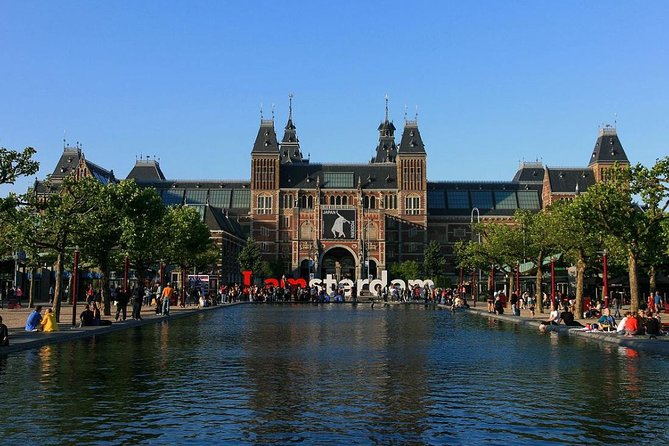
Book it if you want a guided storyline from medieval painting to Golden Age masters, with objects like clocks and porcelain animals added for variety. Book it if you want the museum to feel organized, not chaotic, and if you’ll appreciate explanations that help you see details you might otherwise miss.
Consider a different option if you cannot handle any schedule changes and you need strict timing right down to the minute. Also, if you are not comfortable carrying cash for the 20 EUR admission payment, this could be a hassle.
If you do book, do it with one smart mindset: show up early, pay the admission smoothly, and ask at least a couple questions that match your interests. You’ll get more out of every stop, and the Rijksmuseum will feel like a story you can actually follow.
FAQ
FAQ
How long is the Rijksmuseum private tour?
The tour is listed as about 2 hours.
Is the museum admission ticket included in the price?
No. Admission tickets are not included, and you pay the admission to the host in cash.
How much is the admission ticket, and how do I pay?
The admission to the host is listed as 20 EUR per person paid in cash.
Does the guide handle prebooking for the Rijksmuseum entry?
Yes. The guide takes care of prebooking the admission.
Is this tour private, or is it a shared group?
It is private. Only your group participates, so you tour just with your guide.
Where do we meet the guide?
The meeting point is Hobbemastraat 18, 1071 ZB Amsterdam, Netherlands.
Is the location near public transportation?
Yes, the meeting point is described as near public transportation.
Is this experience carbon neutral?
Yes, it is listed as a carbon neutral experience.
When should I book?
The average booking time is about 33 days in advance.
What happens if I cancel?
This experience is non-refundable and cannot be changed for any reason.
More Tours in Amsterdam






More Tour Reviews in Amsterdam





Stay with the Dutch Masters

Newly reviewed around Amsterdam




Rijksmuseum Tours & Tickets, side by side.
 ★ 4.7Rijksmuseum Entry TicketFrom $3125,535 reviews
 ★ 4.5City Canal Cruise and RijksmuseumFrom $452,129 reviews
 ★ 4.5Rijksmuseum Amsterdam Small-Group Tour with Private UpgradeFrom $901,547 reviews
 ★ 4.3Rijksmuseum Entry Ticket and Canal Cruise ComboFrom $451,276 reviews
 ★ 4.7Rijksmuseum Guided Tour and TicketFrom $78649 reviews
 ★ 5.0Rijksmuseum Amsterdam Exclusive Guided Tour w/ Reserved EntryFrom $108440 reviews
 ★ 5.0Van Gogh & Rijksmuseum w/ Reserved Entry Semi-Private 8ppl MaxFrom $288419 reviews
 ★ 5.0Van Gogh & Rijksmuseum w/ Reserved Entry Exclusive Guided TourFrom $288254 reviews
More ways to plan this visit