
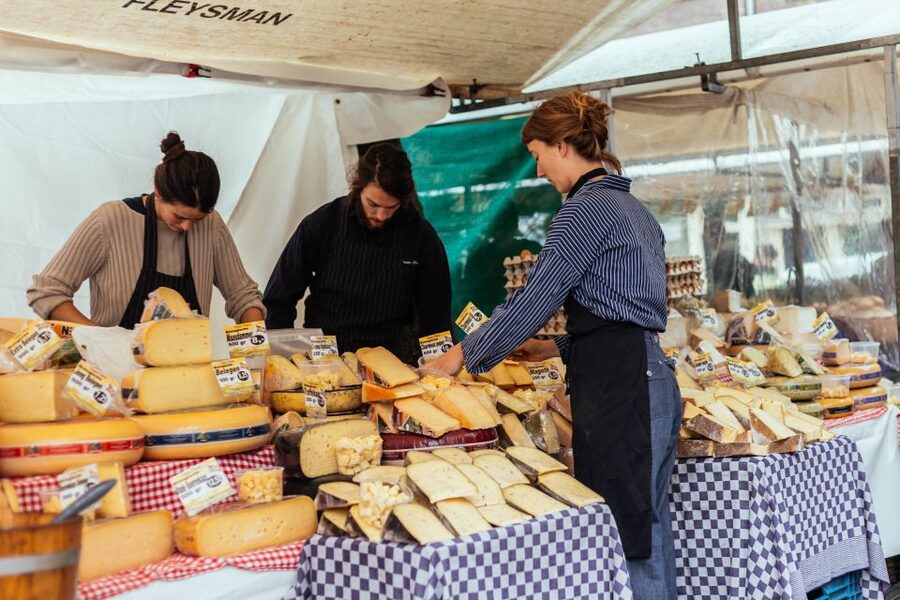
REVIEW · AMSTERDAM FOOD TOURS
Amsterdam: Private Food Tour with a Local
Amsterdam smells like good decisions. This 3-hour private food walk pairs classic street snacks with local stops, plus a satisfying 10 tastings rhythm that keeps you moving through real neighborhoods, not just photo spots. You start near Museumplein and end with a bunch of food context you can actually use while you keep exploring.
What I like most is the mix of serious Dutch comfort food and cross-cultural cooking, especially the Surinamese family-run restaurant stop that adds real Amsterdam flavor. I also love the Pijp café stroll, because you get a feel for how locals do an evening out, side by side with older bars and new hangouts.
One thing to consider: it is a mostly walking tour with multiple food stops, so the walking pace may feel like a lot if you prefer slow museum wandering.
Quick hits on this Amsterdam food tour
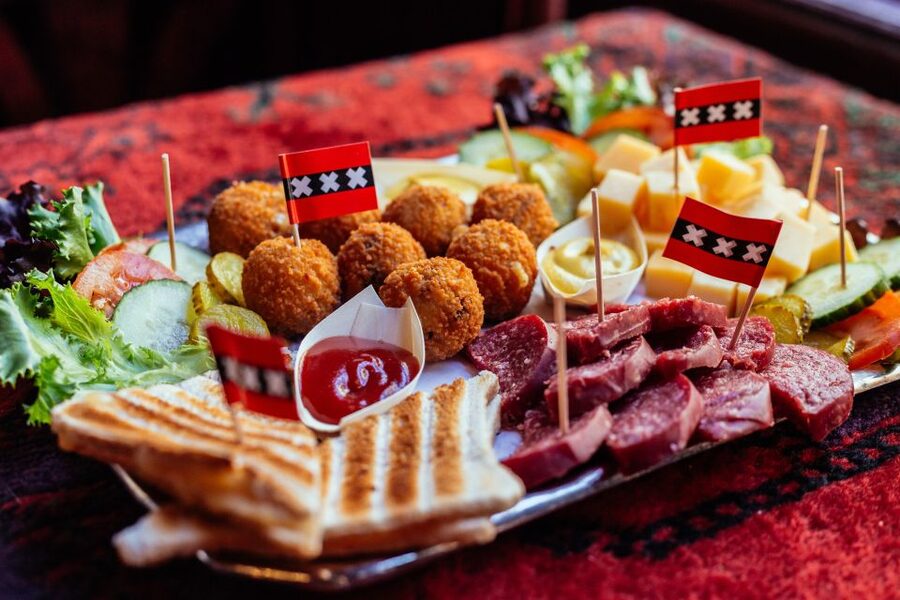
- 10 food and drink tastings in a tight 3-hour loop, so you can snack without constantly checking menus
- A stop at the largest market in Europe, built for variety and hands-on eating
- Dutch standbys like stroopwafel and bitterballen, plus fish bites people often love or try for the first time
- A Surinamese family-run meal stop and an additional Indonesian-style snack stop for a taste of Amsterdam’s food mix
- A guided stroll through the Pijp area, where cafés sit next to local bars
Keep tasting: other compact food routes through Amsterdam
Starting near Museumplein, where the food story starts
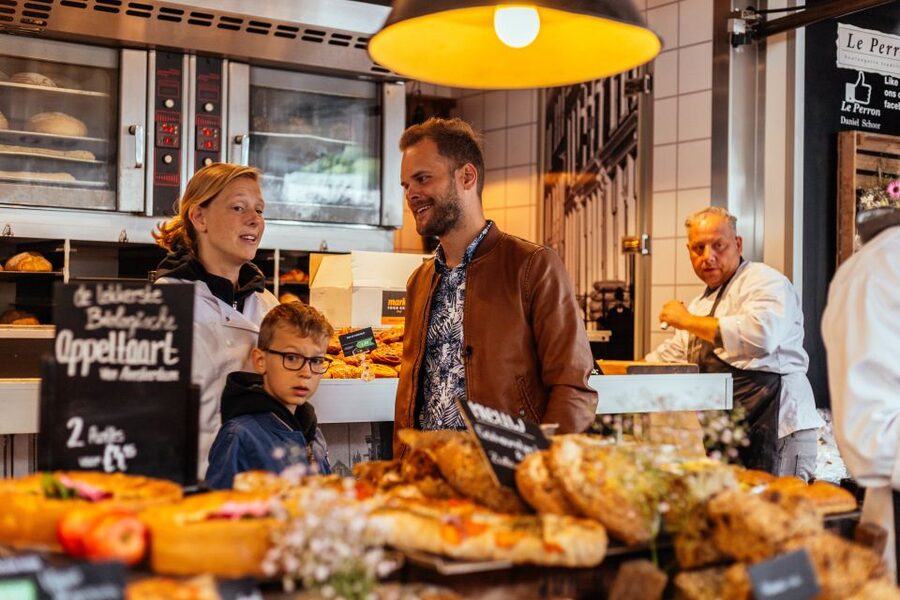
The meeting point is easy to find: in front of Otemba Gyoza Bar. That location is close to Museumplein, so your first minutes feel like you are stepping out of the big sights area and into the city’s everyday dining world.
I like that the tour starts with food and movement rather than lectures. You are walking from the get-go, so you get your bearings fast, and the tastings feel like they belong to the route you are taking.
Wear comfortable shoes. The tour is not a sit-down meal, it is a walking tasting tour, and your feet will notice if you chose the wrong pair.
3 hours, 10 tastings, and the pace you should expect
This is a private tour, so it is designed for your group, not a herd. That matters when food choices come up, or when you want a short question answered without the guide rushing you along.
The tastings are the main event: 10 food and drink tastings per guest. In practice, that usually means small portions that let you sample widely, rather than one big restaurant meal that leaves you too full to enjoy the rest.
Three hours sounds simple until you add walking and tasting back to back. If you tend to eat slowly, or you have a sensitive stomach, you should think about taking water breaks and keeping a steady rhythm with the guide.
Vegetarian alternatives are available, which is a big deal on a food tour. You can still get variety without feeling like you are ordering a consolation snack every stop.
The largest market in Europe stop, and why it changes your whole trip
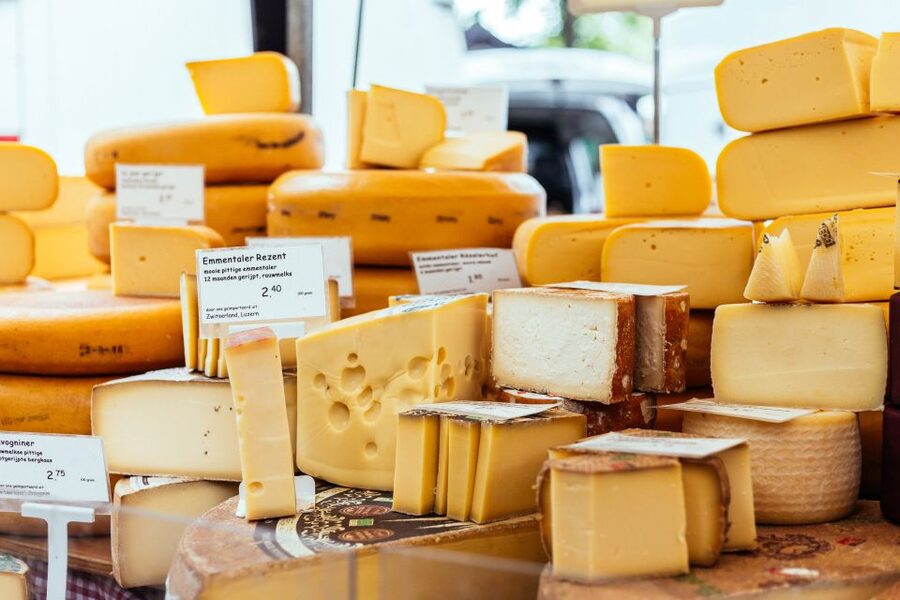
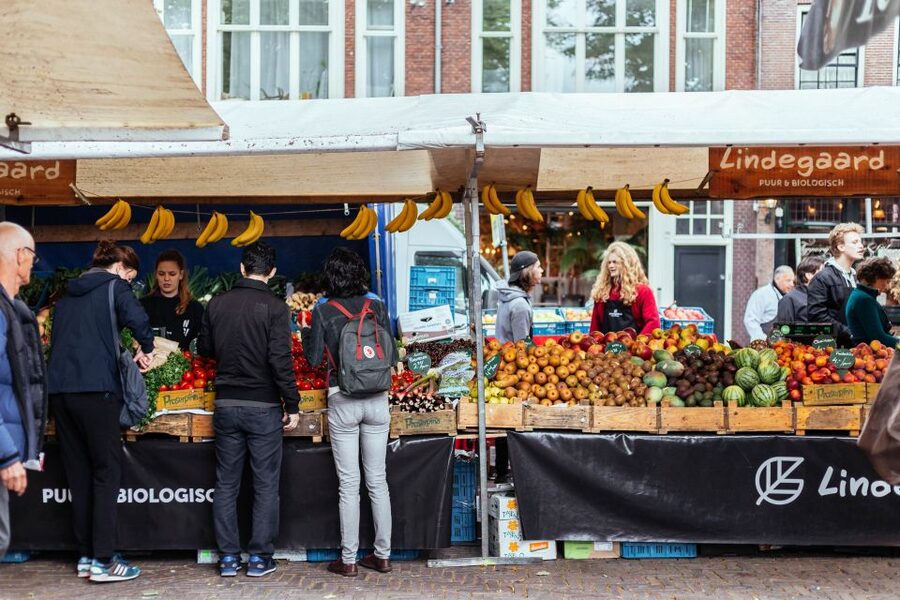
One of the highlights is a visit to the largest market in Europe. A market stop does more than feed you, it teaches you how Amsterdam shops, cooks, and eats day to day.
Markets also make the tastings more meaningful. When you can see piles of ingredients and stalls side by side, it becomes easier to understand why a dish shows up later in a café or restaurant stop.
You can also get ideas for the rest of your stay. Even if you do not buy anything, you leave with a stronger sense of what to look for, what sounds good, and what Dutch staples are worth trying again.
The downside is timing. Markets can be busy and visually loud, so if you want quiet conversations above all, you might feel a bit rushed while you are eating and moving through stalls.
Worth comparing with this Amsterdam choice:
- 10 Tastes of Amsterdam: Food Tour by UNESCO Canals and Jordaan★ 5.0 · 3,020 reviews
- Amsterdam Food and Cultural Tour with Tastings★ 5.0 · 2,442 reviews
- Amsterdam Jordaan Food & Drinks Tour with Eating Europe★ 5.0 · 2,425 reviews
- Amsterdam: Premium Henri Willig Cheese Tasting Experience★ 4.7 · 1,106 reviews
Dutch comfort food hits: stroopwafel and bitterballen
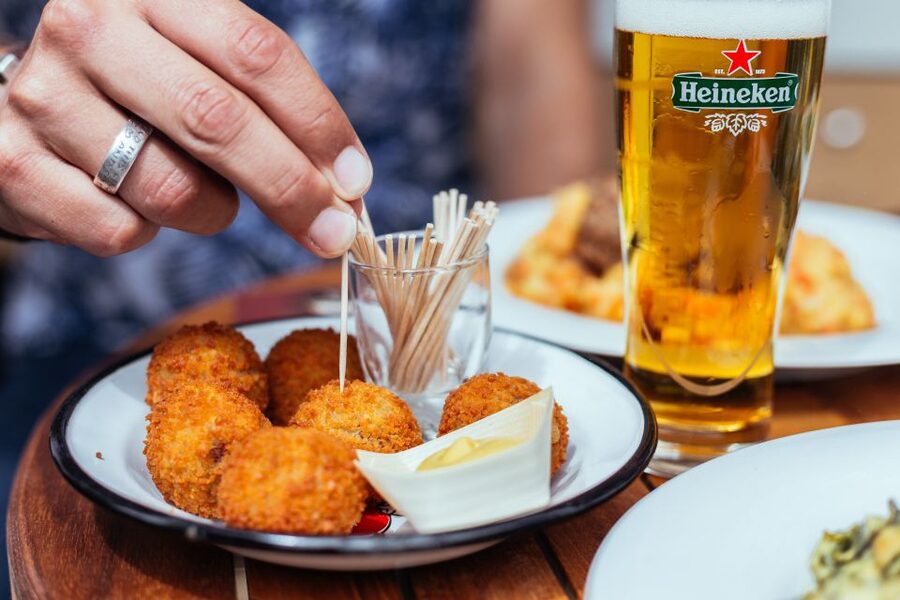
Two Dutch classics are called out as must-tries: stroopwafel and bitterballen.
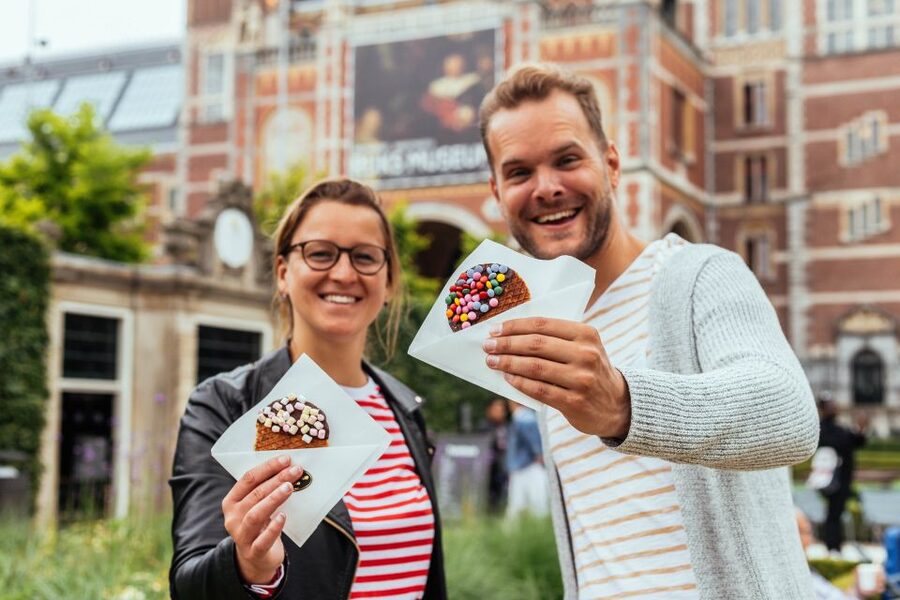
Stroopwafel is the kind of snack that feels instantly familiar once you have it. It is sweet, comforting, and very snackable even when you are still working through other stops.
Bitterballen is the opposite mood, salty and savory, the sort of bite you pair with a cold drink. This is one of those foods that makes you understand why Dutch pub culture exists the way it does.
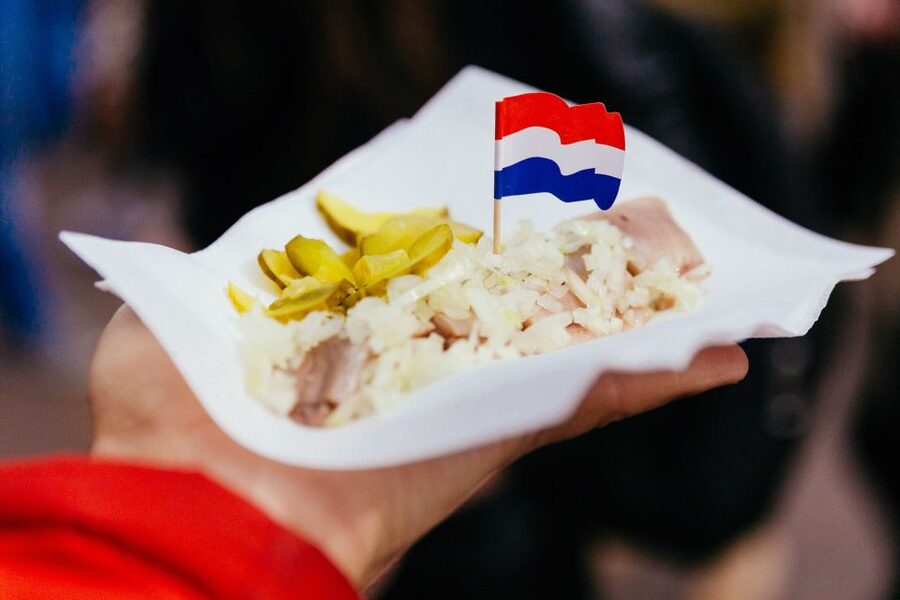
Fish lovers also get attention. Some guides steer people toward pickled herring and fried cod, and those are usually the tastings that create the biggest first-reaction stories. If you are curious about raw or pickled fish, this tour is a friendly way to try it with context from a local guide.
If you are not a fish person, do not panic. You will still have plenty of other options, and you can ask your guide where they suggest you focus based on your taste.
More than Dutch food, Suriname and Indonesia in Amsterdam’s same walk
Amsterdam’s food identity is bigger than Dutch classics. This tour reflects that with a stop at a Surinamese family-run restaurant, plus an additional Indonesian restaurant stop for authentic snack-style bites.
Why this matters: Surinamese and Indonesian cooking in the Netherlands is not a random add-on. It reflects waves of cultural influence that shaped what people eat and how they eat it, and it shows up in the everyday restaurant mix you see across the city.
The Surinamese stop is especially memorable because family-run places tend to feel lived-in. You are not just consuming food, you are watching how a local dining room works, how orders flow, and how the meal fits into a real neighborhood.
The Indonesian stop adds another layer. It helps you understand that Amsterdam does not treat international food as a separate world. It is part of the same city habits, which is exactly what you want from a local-guided walk.
Pijp area stroll and hip cafés, with real local bar energy
One of the route themes is the Pijp area, and it is a smart choice for a food tour. This neighborhood is where you can spot a mix of older local spots and newer café culture without it feeling staged.
As you walk, you are not only collecting bites. You are also learning the atmosphere of where people actually hang out. You get to see how cafés sit next to local bars, and that helps you plan where to go after the tour ends.
I like that the tour does not just point at trendy places. It pairs the neighborhood vibe with food stops, so you know what kind of snack belongs where.
A small consideration: the Pijp can be lively, so if you prefer very quiet streets, expect some chatter around you while you eat.
Private guide style, and why names like Raoul, Louke, Dina matter
A food tour lives or dies by the guide. The best part here is how guides connect eating with stories, and several guide names in the rotation stand out for exactly that reason.
For example, Raoul is described as friendly and informative, with a knack for taking people to places just outside the tourist lane. Louke is mentioned as someone who loves the job, with secret-feeling food spots and a relaxed flow.
Dina and Tania are also names that come up with guides who keep the tour balanced between walking, tastings, and helpful context. Zohair is noted for showing places even an expat might not find, plus the ability to adjust the tour if your group wants to shift pace or focus.
Olav and Manu also show up with guides who mix atmosphere and history while still keeping the food moving. That is the sweet spot: you get enough city background to make the tastings click, without turning the whole thing into a lecture.
My practical advice: when you meet your guide, ask one simple question like what the next stop is most famous for. It gives you a mental hook, and you enjoy the food more because you are eating with a purpose.
What included tastings feel like: fish, cheese, waffles, beer, and dessert
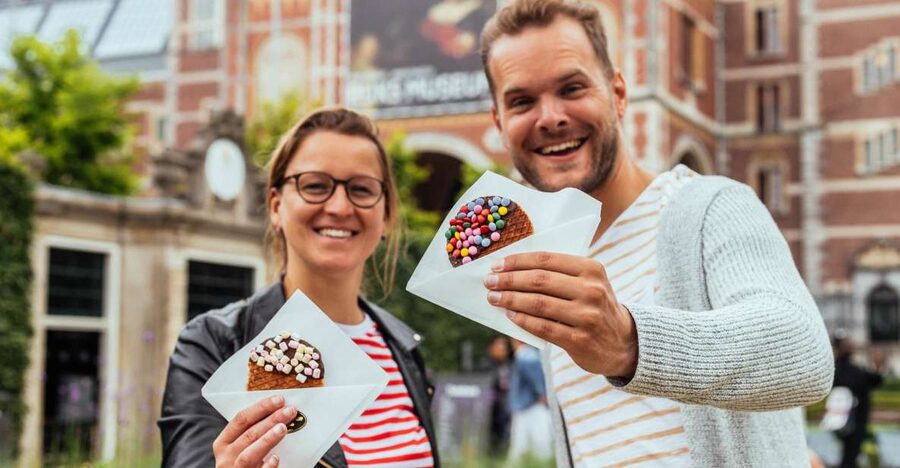
You can expect a tasting mix that tends to cover sweet, savory, and drink stops. English-speaking guides keep the flow friendly and understandable, so you are not left guessing what you are ordering.
Based on the range of foods that show up on this tour, you might run into pickled herring, fried cod, local cheese, stroopwafel, bitterballen, and even pork ribs. You might also get local beer and a gelato-style dessert stop.
That variety is the value piece. It is not just “try one Dutch thing.” It is a set of bites that lets you taste the range of what people consider normal here.
The small drawback is that the number of tastings can feel different depending on the specific day and how substitutions shake out. One departure noted a mismatch between expected food counts and actual tastings. If you are a strict planner, ask your guide at the start how the 10 tastings are shaping up today.
Price and value: is $224 worth it for a 3-hour walk?
At $224 per person, this is not a budget snack crawl. It is priced like a guided experience that packages planning, local knowledge, and multiple tastings into one block.
What you are paying for is private guidance plus 10 food and drink tastings, with vegetarian alternatives available. Add in the carbon neutral experience note, and you get a sense that the provider is thinking about the footprint of the activity, not just the food.
What you are not paying for is pick-up or drop-off, and any extra food beyond the included tastings. That means you should treat the tour as your scheduled food plan, not just a casual walk where you still need dinner afterward.
Is it good value? If you want to sample widely in a short window and you prefer not to spend your trip time hunting for places, yes. If you already know exactly where you want to eat and you would happily DIY tastings on your own, you might feel the price more sharply.
My rule: if you are excited by variety and you want someone to steer you toward places you would not find alone, the cost usually makes sense.
Who this tour suits best, and who should skip it
This tour works best if you like walking and you are open to trying a mix of Dutch and international foods. It is also a good fit for people who enjoy small tastings, because the structure is built around eating in multiple spots rather than one long meal.
It is private, so you can often ask questions without feeling like you are holding up a big group. That makes it a solid choice for couples and friend groups who want a shared food plan.
It is not suitable for people with mobility impairments and wheelchair users. The format is a walking tour with multiple stops, so the physical demands are part of the deal.
If you are vegetarian, you are covered with vegetarian alternatives. That is one of the more reassuring inclusions because it keeps you in the tasting flow rather than being left out of the fun.
After the last bite: how to use what you learn
One of the best outcomes of a guided food walk is that it turns into a roadmap for the rest of your trip. Several guides are described as offering recommendations for where to eat after the tour, and that can save you hours of second-guessing.
After your final stop, think about returning to the areas you walked through, especially the Pijp zone, where the cafés and bar scene matches what you just tasted. You will recognize the vibe faster because you saw the neighborhoods with food in context.
If you tried something new, like pickled fish, use that confidence to try a related dish later. And if you loved one category, like cheese or desserts, follow that thread again the next day.
A practical tip: have your comfortable shoes tied and ready for the rest of the evening. A food tour often turns into an extra stroll, because the city feels more navigable once you learn the route.
Should you book this Amsterdam private food tour?
Book it if you want a focused, local-led way to taste a lot in only three hours. The combination of 10 tastings, a market stop, Dutch classics like stroopwafel and bitterballen, and neighborhood time in the Pijp makes it a strong “food first” plan.
Skip it if you hate walking, need wheelchair-friendly access, or you are the type who wants a full sit-down meal instead of snack-style stops. The tour is designed around movement, not long dining.
If you are weighing it against doing it on your own, think about what you value: time saved, local direction, and a structured tasting route. For many people, that is exactly what makes this one worth the price.
FAQ
How long is the Amsterdam private food tour?
The tour lasts 3 hours.
Where do I meet the guide?
Meet your guide in front of Otemba Gyoza Bar.
What is included in the price?
The tour includes a private guide and 10 food and drink tastings per guest, plus vegetarian alternatives. It also includes a carbon neutral experience.
Are vegetarian alternatives available?
Yes. Vegetarian alternatives are available.
Is hotel pick-up or drop-off included?
No. Pick up and drop-off are not included.
Is the tour private or group-based?
It is a private group tour.
What language is the tour guide?
The live tour guide speaks English.
Is the tour refundable if plans change?
Yes. You can cancel up to 24 hours in advance for a full refund.
More Tours in Amsterdam






More Tour Reviews in Amsterdam




Keep Eating through Amsterdam


Newly reviewed around Amsterdam





Amsterdam Food Tours, side by side.
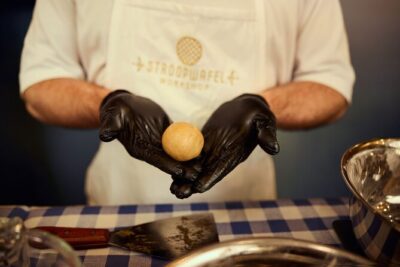 ★ 4.8Traditional Dutch Syrup Waffle Making WorkshopFrom $234,093 reviews
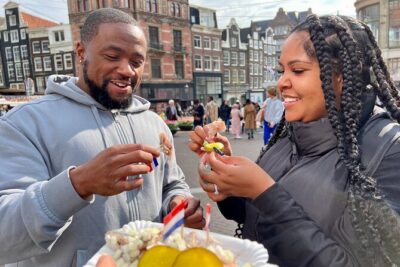 ★ 5.010 Tastes of Amsterdam: Food Tour by UNESCO Canals and JordaanFrom $1023,020 reviews
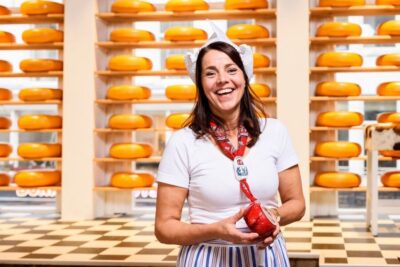 ★ 4.7Premium Henri Willig Cheese Tasting ExperienceFrom $211,106 reviews
★ 5.0Amsterdam Traditional Dutch Syrup Waffle Making WorkshopFrom $27960 reviews
★ 4.7Premium Henri Willig Cheese Tasting ExperienceFrom $211,106 reviews
★ 5.0Amsterdam Traditional Dutch Syrup Waffle Making WorkshopFrom $27960 reviews
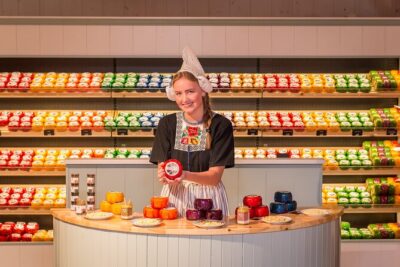 ★ 4.0Zaanse Schans and Cheese Tasting Guided Tour from AmsterdamFrom $45661 reviews
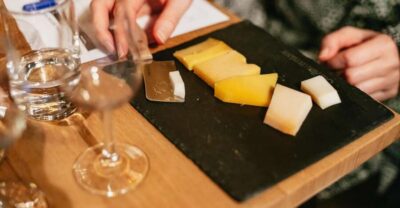 ★ 4.7Dutch Cheese Tasting Experience with WineFrom $23658 reviews
 ★ 5.0Eating Amsterdam: Food Tour & Canals CruiseFrom $163496 reviews
 ★ 5.0Amsterdam’s Market Street Food Tour with Streat BitesFrom $133398 reviews
More ways to plan this visit