
REVIEW · JORDAAN TOURS
Amsterdam Jordaan Food & Drinks Tour with Eating Europe
Three hours of Dutch comfort food, on foot. This Amsterdam Jordaan Food & Drinks Tour with Eating Europe turns the Jordaan neighborhood into a walkable menu, with small tastings that actually add up. You’ll sample classics like apple pie and pickled herring, plus local drinks like beer, wine, and traditional jenever.
I especially like the small-group feel. With a max of 12 people, you get time to ask questions and actually talk with your guide as you move between old brown cafés and neighborhood shops. I also love that the stops cover more than just Dutch basics, with connections to Surinamese and Indonesian influences you won’t usually spot on big tourist routes.
One consideration: you will walk, and the flavors are not always gentle. If you dislike herring, strong spirits, or spicy fillings, go in with your eyes open and pace yourself.
Key highlights to look for on this Jordaan food tour
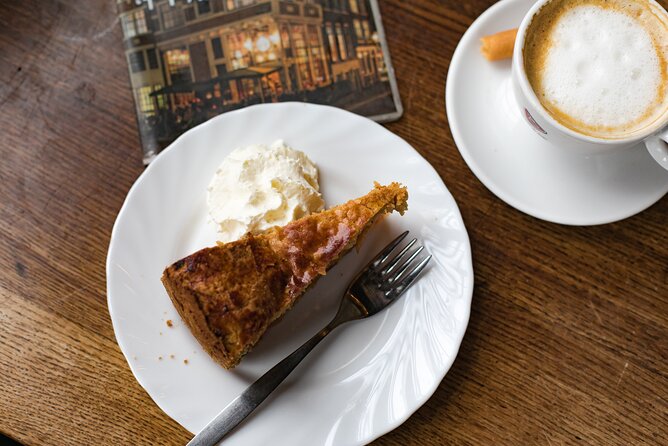
- A 400-year-old apple pie start at Papeneiland, paired with your choice of coffee, cappuccino, or tea
- Fresh herring and kibbeling at a working fishmonger stop, served in a classic local style
- Gouda across aging stages at Café De Poort, in a warm old brown-café setting
- Surinamese rotirol at Mama’s Koelkast and other global food threads tied to Amsterdam
- Sweet finish energy with freshly made poffertjes and the classic savory pairing of bitterballen and jenever
- History woven into food including Golden Age canal stories and WWII context near major landmarks
More slow walks and local stories in the Jordaan
Why the Jordaan walk makes the food taste better
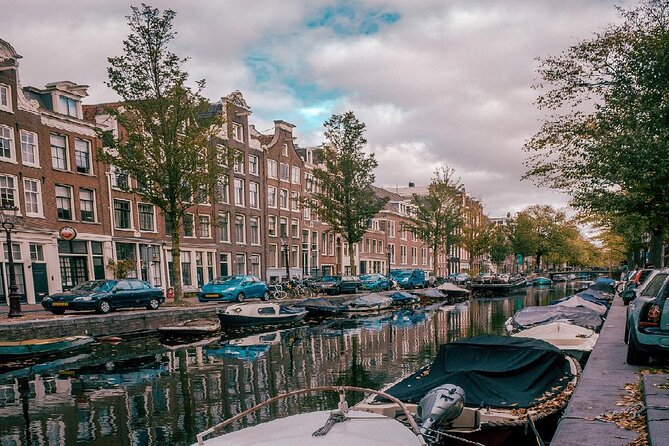
The Jordaan is one of those Amsterdam areas that feels made for wandering, with narrow streets, canals, and 17th-century architecture that you can see up close. This tour uses that setting well. You are not just eating in a line of restaurants, you are getting your bearings in a real neighborhood while the guide connects food to place.
I like that the route leans into the UNESCO-listed canals and waterways. It turns the walk into a “why this food exists” lesson, not just a “look where you’re standing” photo stop. When you understand the neighborhood history, the tastings feel more specific, like they belong here and not in any generic food hall.
And yes, the small group matters. With a group that stays under 12 people, the tour keeps its rhythm. You spend more time at each stop and less time stuck waiting around, especially at cafés where seating can be tight.
Price and value: what $110 buys you in the real world
At around $110.05 per person for about 3 hours, this isn’t the cheapest way to eat in Amsterdam. But it can be good value if you factor in the included tastings and drinks.
You get a lineup that is more than one “snack and a story.” You’ll visit multiple local shops and eateries, and the samples are described as enough to feel like a full meal’s worth. That is the big reason this price can make sense, because you’re paying for access to several places in a short time, plus a guide who explains what you’re eating and why it matters.
You also get drinks included along the way. Expect local beer, wine, and traditional jenever, not just a token sip. Even the apple pie stop includes your choice of coffee, cappuccino, or tea, which helps make the start feel like a real sit-down break.
If you already planned to do one paid food tour and then buy several tastings on your own afterward, this can still be a smarter deal. You are basically bundling multiple stops, drinks, and local context into one paid experience.
Meeting point to final sip: how the pacing works
You start at Noordermarkt 48 (1015 NA) and finish at Prinsengracht 261a (1016 GV). The end spot is Café Dialoog, which is a classic brown-café setting and the final stop for crispy bitterballen and a smooth glass of jenever.
Pacing is where this tour succeeds. It mixes longer tastings with shorter “pop in, taste, and move on” moments. That keeps you from feeling like you’re rushing through every place, but it also prevents the tour from turning into a slow crawl that drains your afternoon.
Also, you should plan for some weather flexibility. Amsterdam can rain without asking permission, and one of the nice things about this format is that even with brief weather interruptions, the food still keeps the experience moving. If you know you’re sensitive to cold or wet conditions, pack a light rain layer.
Worth comparing with this Amsterdam choice:
- 10 Tastes of Amsterdam: Food Tour by UNESCO Canals and Jordaan★ 5.0 · 3,020 reviews
- Amsterdam Food and Cultural Tour with Tastings★ 5.0 · 2,442 reviews
- Amsterdam Jordaan Food & Drinks Tour with Eating Europe★ 5.0 · 2,425 reviews
- Amsterdam: Premium Henri Willig Cheese Tasting Experience★ 4.7 · 1,106 reviews
Papeneiland and that famous apple pie moment
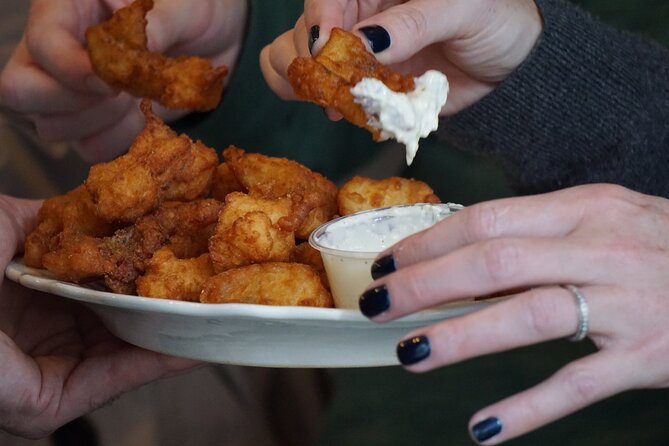
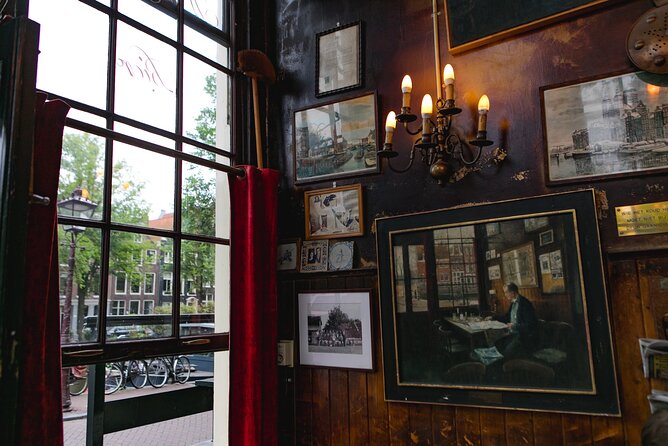
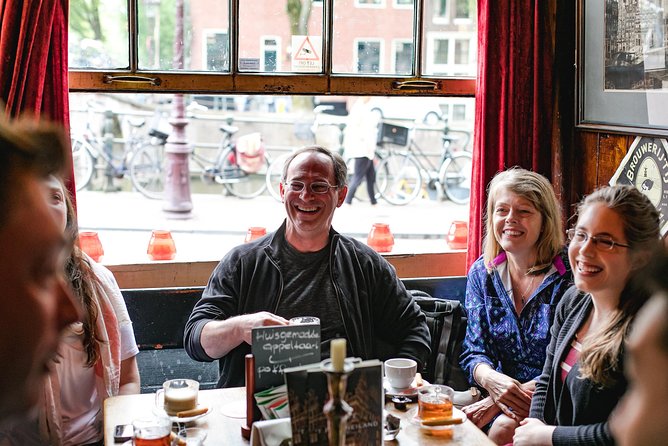
Your tour opens at Papeneiland, at a brown café tied to a legendary 400-year-old recipe. This is the kind of stop where the setting does half the work for you, because old wooden interiors and local-café energy make the pie feel like a tradition, not a marketing gimmick.
You’ll get Amsterdam-style apple pie plus your choice of coffee, cappuccino, or tea. The guide ties the recipe to generations of locals and visitors, and it’s even linked to a famous sighting by Bill Clinton. Whether or not you care about the celebrity name, the useful part is what you learn to notice: how the pie is served, how it tastes warm and freshly made, and why it became a go-to treat in a place that loves comfort food.
Practical tip: take the first bite slowly. Apple pie is often sweet, but in this café style you’ll likely notice deeper baked flavors, not just sugar. If you’re a coffee drinker, this is a good stop to choose it, because later you’ll want to keep your palate sharp for savory bites.
Vishandel Centrum: herring and kibbeling, Dutch style
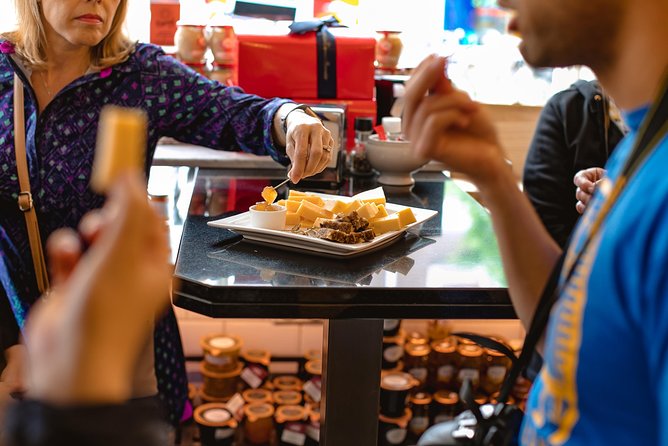
Next comes one of the most “Amsterdam” tastings on the route: herring from a classic fishmonger, plus crispy kibbeling. You’ll see skilled fishmongers at work in an open back area, which makes the food feel grounded in daily life instead of a staged performance.
Herring here is often described as a Dutch version of sashimi, because it’s served as pickled fish, not heavily cooked. If you’ve been nervous about herring, don’t overthink it. It’s usually all about balancing salty fish with the bright tang around it.
Kibbeling adds contrast. It’s deep-fried and crispy, which helps if you want one bite that feels familiar and crunchy. Together, they give you a “savory spectrum” in a short time: briny, tangy, then hot and crisp.
One consideration: herring can be a smell-and-taste experience. If you hate strong fish flavors, start with tiny bites and keep moving. The good news is the tour doesn’t throw you into a herring-heavy day with zero breaks.
Café De Poort and aged Gouda you can actually taste
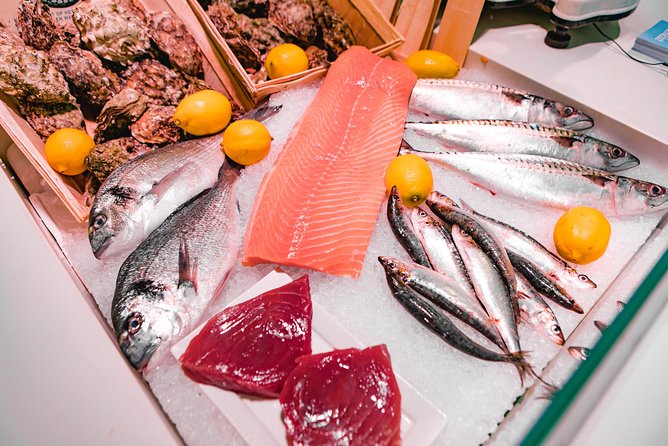
After fish, the tour shifts to something calmer and very Dutch: aged Gouda. At Café De Poort Amsterdam, you’ll sample an assortment of organic Gouda cheeses at different stages of aging.
This stop is valuable because it gives you a structured way to taste. Younger cheese tends to feel milder and creamier, while more aged Gouda often gets sharper and more complex. Instead of eating cheese randomly, you get a progression you can compare as you go.
The setting helps too. It’s a historic brown café, the kind of place locals recognize instantly. That warmth matters, especially if you’re traveling in cool weather and want a stop that feels like sitting down with locals for a proper break.
Practical tip: don’t rush the cheese course. Take a sip of the paired drink if it’s included in your tasting flow, and let the flavors settle between bites. You’ll enjoy the differences more that way.
Canal stories, Golden Age flavor logic, and the weight of wartime history
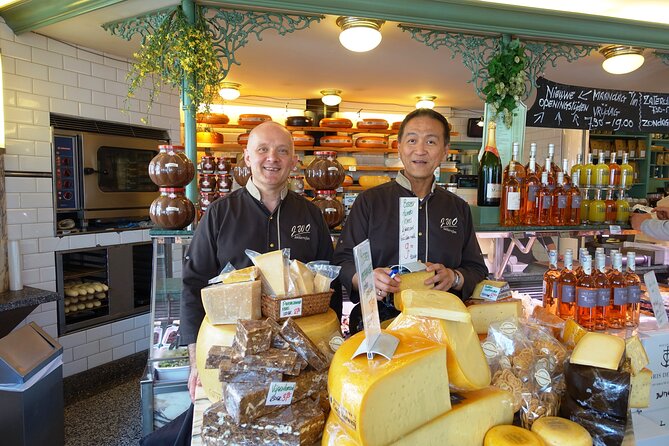
Between stops, the guide walks you along some of Amsterdam’s most beautiful canal views and 17th-century architecture. This part is not just scenery. It’s where the guide connects the Golden Age to food culture, explaining how Amsterdam’s trade and prosperity shaped what ended up on plates.
Then the route turns more serious. You’ll visit De Gangen Willemstraat, narrow alleys tied to the city’s poorest residents, known in context as the hallways. The point here is hard but important: cramped living conditions and hunger shaped food needs, and those pressures influenced what people could eat and how communities survived.
And you’ll also get WWII context connected to major landmarks, including Anne Frank’s House. This is where the tour uses Amsterdam history to explain why food culture can carry memory. When you understand the city’s losses and resilience, even simple treats feel more layered.
If you prefer purely playful food moments, this section can feel heavier. But it doesn’t bog down the tour. It adds meaning, and it’s one of the reasons this route feels more “Amsterdam” and less like a checklist.
Mama’s Koelkast: Surinamese rotirol and the global threads
At Mama’s Koelkast, you’ll step into a catering shop connected to women sharing their culinary heritage. The highlight is homemade Surinamese rotirol served by Mama Jane.
This is one of the stops I think many visitors appreciate most, because it shows Amsterdam as a food city shaped by migration, not just Dutch tradition. The tour also points out Indonesian influences in the city, tying these flavors to the wider story of the Netherlands and its colonial-era food exchanges.
Rotirol tends to be flavorful and filling, so it works well as a mid-tour anchor. It gives you something spiced, savory, and different from fried fish and cheese. You’ll likely find the flavor profile hits a sweet spot: rich filling, warm flatbread-style bite, and spices that linger just enough to make the next stop exciting.
Practical tip: if you’re sensitive to spice, tell your guide early. The tour data notes dietary needs can be accommodated when you email or add a note at booking, and guides often adjust what they serve.
Pat’s poffertjes: buttery, griddle-made sweetness
After all the savory and tang, the tour heads to Pat’s Poffertjes in Oude Leliestraat. Poffertjes are small, fluffy Dutch pancakes, made fresh on a griddle. You’ll get them warm, typically with butter and powdered sugar.
This stop is small but satisfying, and it’s a classic Amsterdam treat that feels different from big, heavy desserts. The texture is the key. You don’t chew forever like with thick cake, and the warm sweetness helps reset your palate after herring and cheese.
If you want a smoother ending, this is the bite to savor without rushing. It’s also a good moment to take a short breath before the final savory jenever finish.
Café Dialoog ending: bitterballen and jenever
Your tour ends at Café Dialoog on Prinsengracht, where you’ll finish with crispy bitterballen and a glass of jenever. This pairing is classic Dutch comfort, and it’s a strong closer because you get both a crunchy snack and the local spirit.
Bitterballen are deep-fried and hearty, the kind of bite you can keep eating because the crunch stays fresh. Jenever, the traditional gin style made with juniper, gives you a different kind of warmth. People often expect it to be harsh, and many end up surprised by how drinkable it can feel in the right glass and the right moment.
Practical tip: if you’re trying jenever for the first time, take a sip between bites rather than chugging. Bitterballen can be rich, and you’ll get a nicer balance that way.
Guide quality is the hidden ingredient
The guide can make or break a food tour, and this one has a track record of strong, story-driven hosting. Names you may encounter include Gerard, Elena, Paul, Stephanie, Danielle, and Micky.
From the practical angle, I care about three things in a guide: pacing, explanations that help you taste, and how they handle needs like allergies. The tour information specifically says dietary requirements can be accommodated when you email or add notes, but severe or life-threatening food allergies are not suitable for this experience. So if you have allergies, treat that as your starting point and talk to the operator ahead of time.
Also, the best guides keep you relaxed. One of the recurring strengths in the past is attention, including taking steps like swapping a dish for an allergy. That’s exactly the kind of care you want on a tour where every tasting matters.
Who should book this Jordaan Food & Drinks Tour
This is a great fit if you want:
- A neighborhood-focused food crawl with a small-group pace
- A mix of Dutch classics like apple pie, herring, Gouda, bitterballen, and poffertjes
- A drink plan that includes beer, wine, and jenever
- Some history context that connects to how Amsterdam lived and ate
You might skip it if you:
- Have severe or life-threatening food allergies, since the tour is not suitable for that situation
- Know you will not eat fish or do not want strong spirits
- Prefer very few tastings and a mostly seated, low-walking day
It can also be a smart first activity in Amsterdam. A food tour is a fast way to learn how neighborhoods feel and where local favorites cluster, especially in Jordaan, which can otherwise be confusing to navigate on your own.
If you’re traveling solo, it still works well because the group stays small and the stops create natural conversation. If you’re traveling with friends, it’s a fun shared mission: taste, compare, and trade bites.
Should you book it? My straight answer
Book the Amsterdam Jordaan Food & Drinks Tour if you want a practical way to eat through Dutch favorites while also learning why Amsterdam’s food culture looks the way it does. The value holds up because you’re getting multiple real tastings plus included drinks in about 3 hours, in a neighborhood that is enjoyable to walk.
I’d also book it if you care about guide-led storytelling. Past tours led by guides like Gerard and Elena have a reputation for keeping things friendly and paced, with humor and attention to detail.
Skip or at least reconsider if herring, jenever, and fried savory snacks are deal-breakers for you. Otherwise, this tour is an efficient, local-feeling afternoon plan that gives you both flavor and context, without wasting hours on tourist-only stops.
FAQ
How long is the Amsterdam Jordaan Food & Drinks Tour?
The tour runs for about 3 hours.
What food and drinks are included?
The tour includes multiple Dutch food tastings and local drinks. You can expect items like apple pie, herring, kibbeling, Gouda cheese, bitterballen, and poffertjes, plus drinks including local beer, wine, and jenever.
How many stops do you visit?
You visit eight authentic shops and eateries through the Jordaan area, with multiple food tastings during the route.
Can the tour accommodate dietary requirements?
You can request accommodations for vegetarians, gluten-free guests, or other dietary needs by emailing in advance or adding a note at booking. The tour is not suitable for severe or life-threatening food allergies.
Is this tour good for families with kids?
Children under 4 years old join for free and do not need a ticket, but food is not included. Paid tickets with food included are available for ages 4 and up.
What is the meeting point and where does it end?
The tour starts at Noordermarkt 48, 1015 NA Amsterdam and ends at Prinsengracht 261a, 1016 GV Amsterdam.
Is the tour limited in size?
Yes. The tour has a maximum of 12 travelers. It also requires a minimum of 2 guests to run, otherwise you will be offered a rescheduled date or a refund.
More Tours in Amsterdam





More Tour Reviews in Amsterdam


Still in the Jordaan? Keep Walking


Newly reviewed around Amsterdam


Jordaan Tours, side by side.
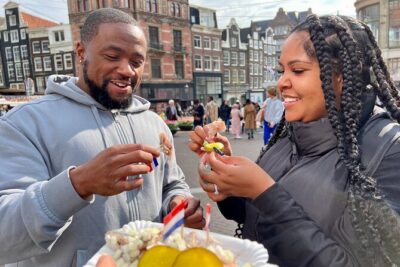 ★ 5.010 Tastes of Amsterdam: Food Tour by UNESCO Canals and JordaanFrom $1023,020 reviews
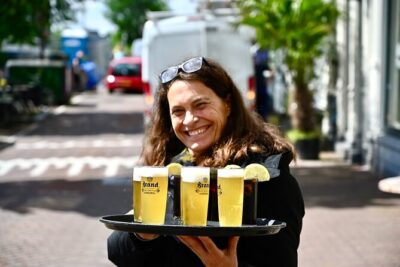 ★ 5.0Amsterdam Food Tour of 10+ Local Classic Tastings in Jordaan AreaFrom $118334 reviews
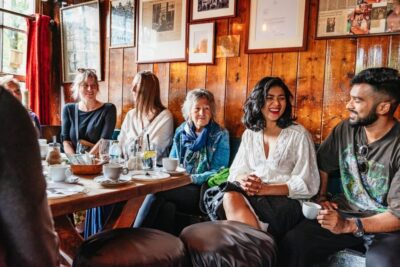 ★ 4.8Jordaan District Local Food Walking TourFrom $101311 reviews
 ★ 5.0Amsterdam Private Food & Drinks Tour by UNESCO Canals & JordaanFrom $223120 reviews
 ★ 5.0Jordaan District Tour with a German guideFrom $2762 reviews
 ★ 4.5Authentic tour of Amsterdam: Jordaan, Ana Frank and VondelparkFrom $3031 reviews
 ★ 4.6Jordaan, Anne Frank and Leidseplein tour in EnglishFrom $2929 reviews
 ★ 5.0Half-Day Amsterdam Jordaan Private Walking TourFrom $26421 reviews
More ways to plan this visit