
REVIEW · RIJKSMUSEUM TOURS & TICKETS
Amsterdam: Official Audio Guide for Rijksmuseum Visit
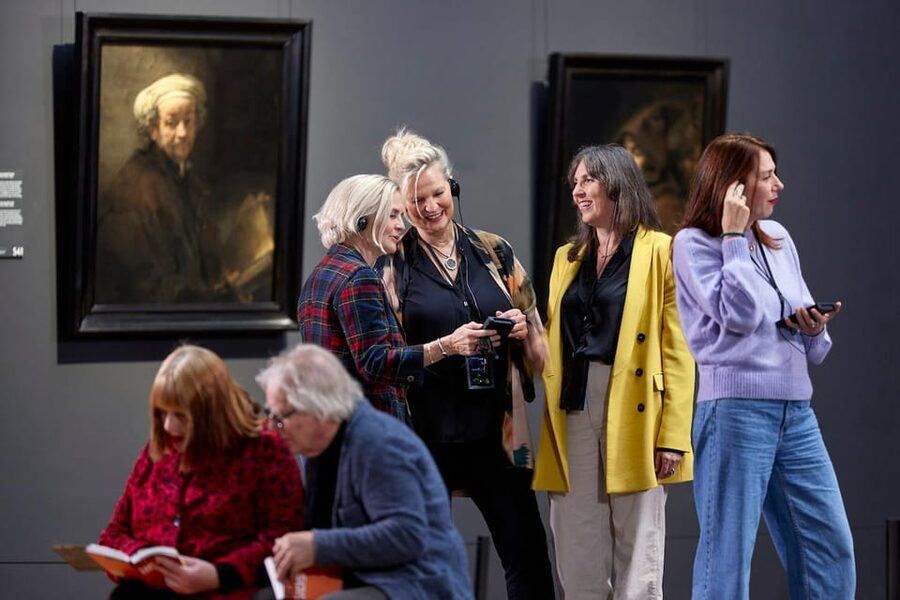
This is one of the easiest ways to plan a big museum day. The Rijksmuseum is a feast for the eyes, but it can also feel like a lot to manage, so this audio guide helps you move with purpose. You get an audio guide plus an interactive floor plan, and that combination is what makes it feel like a guided visit without the pressure of a group schedule.
I really like that you can choose a tour track, then follow it gallery to gallery. I also love the built-in search that lets you jump straight to specific works, like Milkmaid by Vermeer, instead of wandering until you find the right room. One drawback to consider: it does not include your museum entrance ticket, so you still need to buy that separately.
Key things you should notice before you go
- Interactive floor plan navigation that helps you move from gallery to gallery without second-guessing
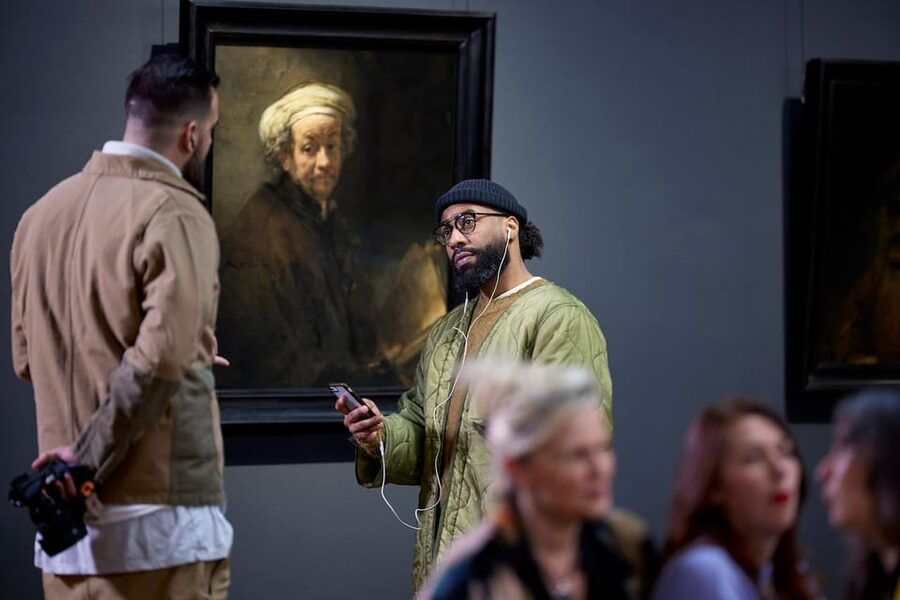
- Audio tours by theme, including a Rembrandt-focused option and highlights of the museum
- Search by name or object number so you can target specific works fast
- Expert and artist interviews that add context beyond labels on the wall
- Multi-language support, including tours in Dutch, Dutch Sign Language, English, and additional languages
- Fast-route planning for popular works, so your time goes to art, not wandering
More focused ways through the Rijksmuseum
Why an audio guide makes sense at the Rijksmuseum
The Rijksmuseum is not small, and the collections are layered. Even if you love art, a first visit can turn into a blur of rooms, labels, and good intentions. This is where a well-designed audio guide earns its keep. It gives you a structure for what to look at, and it offers navigation so you can keep your pace.
What I like most is that it is not just “press play and walk.” You can follow a tour route, or you can break off when you spot something that catches your eye. That flexibility matters because everyone’s museum day has a different rhythm. Want to slow down for a few famous paintings? You can. Want to be efficient and hit key works first? You can do that too.
The other plus is the type of information you get. The guide is built around highlights, the building, and artist stories. On top of that, it includes interviews with experts and artists. That means you get context that is usually missing when you only read wall text.
App setup: audio tours plus a live-feeling map
Once you have the audio guide, the experience becomes a mix of listening and moving. The core tools are simple but effective: you get the audio guide, and you also get an interactive floor plan and navigation tool.
Here is what that typically changes for your day:
- You do not have to rely on paper maps or guesswork.
- You can switch from one gallery to the next with less backtracking.
- When you decide to prioritize a specific work, the map helps you reach it more quickly.
The navigation tool is especially helpful at a museum like the Rijksmuseum, where pathways and room groupings can be confusing at first. If you have only one day, anything that reduces wandering is a win.
How the Rembrandt and highlights routes shape your visit
One of the smartest features is that you can choose a tour style. The guide supports different routes, including a tour focused on Rembrandt and options tied to the museum’s highlights and even the building itself. That matters because the Rijksmuseum has multiple “entry points.”
If you choose a Rembrandt tour, you’re not just collecting famous images. You’re also hearing stories that connect works through themes and artistic choices, which can make the paintings feel less random. If you choose the highlights route, you get a “greatest hits” structure that helps you see key pieces even if you do not have time for everything.
If you choose the building-focused tour, you shift from purely art viewing to understanding the museum as part of the experience. That can change how you move, because you start noticing the architecture and layout rather than treating it like a hallway.
Either way, the guide encourages you to keep moving in a way that feels guided, not forced. You are choosing what you listen to, and then the route helps you find the next stop.
Worth comparing with this Amsterdam choice:
- Amsterdam: 75 Minute City Canal Cruise with Audio Guide★ 4.4 · 17,501 reviews
- Anne Frank’s Story – Guided Walking Tour through Amsterdam★ 5.0 · 11,619 reviews
- Amsterdam: Johan Cruijff ArenA Tour with Optional Guide★ 4.6 · 8,954 reviews
- Amsterdam: Royal Palace Entry Ticket and Audio Guide★ 4.6 · 6,475 reviews
Searching by work name or object number (and finding Milkmaid fast)
This is the feature that can turn a stressful museum day into a smooth one. Instead of hunting for a painting you love, you can use the search tool in the app to find works by number or name.
The guide is designed for exactly this kind of visit:
- Enter the object number or the artwork name you want.
- Read more details about the artist or work.
- Get information about where to find it in the museum.
- Use the navigation tool to get a fast route.
The examples that matter most for real planning are the specific works people usually want on day one. The app can help you find Milkmaid by Vermeer, plus paintings by artists like Van Gogh and Mondriaan. Even if those are not your top picks, the idea is the same. You can build your own art checklist without turning the museum into a scavenger hunt.
Practical tip: when you arrive, take a minute to choose your top 3 to 6 works. Then, use the search tool to confirm where they are and what route makes the most sense. That small bit of upfront planning often saves you a full hour later.
Building stories and interviews that add real context
At the Rijksmuseum, the temptation is to treat each gallery like a separate stop. This audio guide pushes you to connect the art. It includes stories from the museum, plus interviews with experts and artists. That combination gives you two layers:
1) what the museum wants you to notice
2) what specialists and creators think about meaning and technique
That can make a difference if you’re not a hardcore art-history person. You do not need to know every term to benefit from interviews. When someone explains what to pay attention to, your viewing becomes more precise. You start noticing details you would otherwise skip.
Also, the guide includes content about the building itself. Even if you mostly care about paintings, understanding the museum setting can make the whole route feel more coherent. You are not just walking from room to room, you’re experiencing a designed space.
Getting around efficiently, so you actually enjoy the day
Even a great museum can feel exhausting if you fight the layout. The interactive floor plan and navigation tool help you keep your energy for looking, not reorienting.
Here’s how you can use this to your advantage:
- If you’re following a tour route, stick close to the suggested progression. It reduces zig-zagging.
- If you go off-route to chase a specific work, search it first, then use the navigation tool for a fast route.
- If you have limited time, prioritize the works you most want first, and treat the rest as bonus.
Because the guide supports multiple language tours, you’re not stuck if your language choice changes mid-visit. And if you are traveling with friends who want different emphases, the structure still helps everyone find common ground. You can listen in your own language, but still navigate as a group.
One more small but important thing: when you can quickly locate a target painting, you are more likely to stay relaxed. No one enjoys feeling lost, especially in a museum this big.
Price and value: what $8 buys, and what it does not
Let’s talk value clearly. The audio guide costs $8 per person. That price is for the guide itself, not museum admission. The museum entry fee must be bought separately.
So, is it worth it? For me, it usually comes down to how you plan to see the Rijksmuseum:
- If you like to move with structure and you want help picking what to see, the guide can save time and make your visit feel more complete.
- If you plan to read slowly, look up works, and want audio context, the $8 becomes a low-cost upgrade compared with the time you’d spend without it.
- If you already have a very tight personal plan and you prefer to browse independently with a basic museum app or guidebook, you might not feel the same value.
The good news is that the guide is designed to work even when you do not commit to a single route. You can go “planned” or “flexible,” and it still supports both.
Practical timing for a one-day Rijksmuseum plan
This experience is listed as valid for one day, with starting times you can check. The best way to use it is to treat it as your backbone, then let the art decide your pacing.
Here is a practical approach for a smooth one-day visit:
- Start with your chosen tour route or highlights route if you want an efficient first pass.
- Use search for the works that truly matter to you, especially if they are high on your list (like Milkmaid).
- Stop and listen where the guide encourages you to look deeper, then move on when you feel you’ve seen what you came to see.
If you try to do everything, you will miss out on the best part: the feeling of attention. The guide helps you aim your attention, then get you back on track.
Who this audio guide is best for
This audio guide is ideal if you want independence with support. You can navigate, listen, and customize without needing a live group or a fixed schedule.
I think it fits especially well for:
- First-time visitors who want help planning without taking away freedom
- People who want audio context but do not want to sit through a formal tour
- Travelers who enjoy finding specific masterpieces quickly
- Families or couples who might split for a minute, then reunite with the shared structure of the plan
It may not be the best fit if you want a fully hosted experience with a live guide answering questions. Based on what the guide offers, it is built for self-paced exploration with audio and map support, not for on-the-spot dialogue.
Should you book this Rijksmuseum audio guide?
Yes, you should book it if you want your Rijksmuseum day to feel organized, not overwhelming. The strongest case is the combination of audio tours, expert interviews, and navigation that helps you reach the works you care about. For $8, that kind of planning support is hard to beat, especially when the museum entry ticket is the big cost.
You might skip it if you already know the museum well, or if you prefer purely self-directed looking without audio structure. And if you are expecting museum admission bundled in, you’ll need to account for the separate ticket purchase.
If you’re doing one day at the Rijksmuseum and you want to see more than you would by wandering, this guide is a smart, low-stress way to get there.
FAQ
Does the audio guide include museum entry?
No. The Rijksmuseum entrance fee must be bought separately.
How much does the audio guide cost?
It is priced at $8 per person.
How long is the audio guide valid?
It is valid for 1 day. You can check availability to see starting times.
What languages are available?
The audio guide lists Dutch, English, French, Spanish, Italian, German, Chinese, and Russian. Tours are also described as available in Dutch Sign Language.
What features are included?
You get an audio guide plus an interactive floor plan and navigation tool. It also includes expert and artist interviews.
Is the experience wheelchair accessible?
Yes, it is described as wheelchair accessible.
Can I cancel and get a refund?
Yes, free cancellation is available up to 24 hours in advance for a full refund.
More Guided in Amsterdam





More Tour Reviews in Amsterdam






Stay with the Dutch Masters



Newly reviewed around Amsterdam





Rijksmuseum Tours & Tickets, side by side.
 ★ 4.7Rijksmuseum Entry TicketFrom $3125,535 reviews
 ★ 4.5City Canal Cruise and RijksmuseumFrom $452,129 reviews
 ★ 4.5Rijksmuseum Amsterdam Small-Group Tour with Private UpgradeFrom $901,547 reviews
 ★ 4.3Rijksmuseum Entry Ticket and Canal Cruise ComboFrom $451,276 reviews
 ★ 4.7Rijksmuseum Guided Tour and TicketFrom $78649 reviews
 ★ 5.0Rijksmuseum Amsterdam Exclusive Guided Tour w/ Reserved EntryFrom $108440 reviews
 ★ 5.0Van Gogh & Rijksmuseum w/ Reserved Entry Semi-Private 8ppl MaxFrom $288419 reviews
 ★ 5.0Van Gogh & Rijksmuseum w/ Reserved Entry Exclusive Guided TourFrom $288254 reviews
More ways to plan this visit