
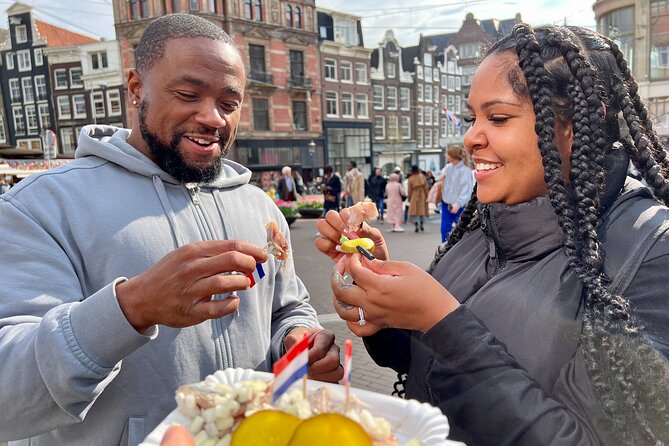
Choose the Amsterdam that fits the day.
Canal mornings, museum afternoons, neighbourhood walks and longer days among windmills and villages, compared for pace, value and clear booking details.
Amsterdam bookings that earn their place.
Begin on the water, with a masterwork, inside a complicated history, or beyond the canal ring. These are the choices that shape the rest of the day.
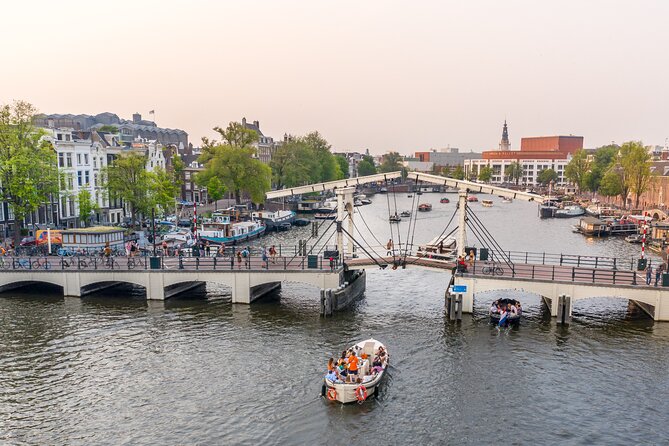
Amsterdam Luxury Canal Cruise + Unlimited Drinks & Bites option
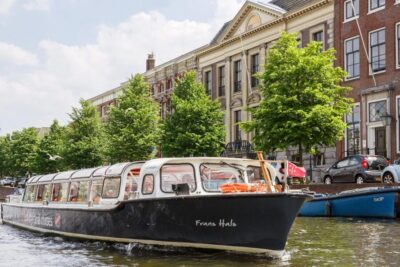
Electric small-group Amsterdam canal cruise with live commentary, landmark views, and an unlimited drinks and bites option.
From $18 per person
Read the review → ★ 4.6Safe betHeineken Experience TicketFrom $2830,055 reviews
 ★ 4.6Books out fastClassic Boat Cruise with Optional Cheese & WineFrom $1822,925 reviews
 ★ 4.4Crowd favouriteEvening Cruise with Optional Wine and SnacksFrom $2219,696 reviews
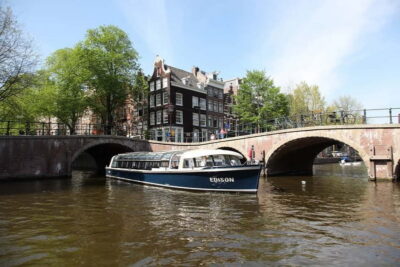 ★ 4.4Worth every euro75 Minute City Canal Cruise with Audio GuideFrom $1717,501 reviews
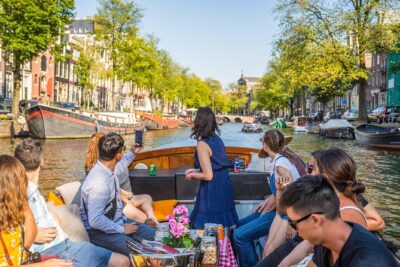 ★ 5.0Simple to planAmsterdam All-Inclusive 90-Minutes Heated Cruise by Captain JackFrom $2716,101 reviews
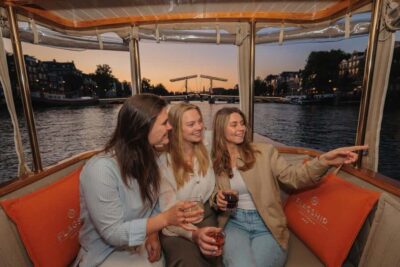 ★ 4.6Traveller favouriteOpen Boat Cruise option Unlimited Drinks & BiteFrom $2215,046 reviews

Pick the right seat on the water.
Open boats bring the bridges close, salon boats add shelter and polish, and evening sailings trade daylight detail for atmosphere. Compare route, group size, commentary and inclusions before choosing.
Which Dutch countryside day is yours?
Zaanse Schans is the easy windmill introduction, Keukenhof is the seasonal colour choice, and Giethoorn rewards the longer journey. Departure point and travel time matter as much as the headline.
 The easy introduction
Windmills and craft villages
from $43 · 15,931 reviews
A compact route through Zaanse Schans works when the guide balances working windmills, demonstrations and time to walk. Add Volendam or Edam only when the schedule still leaves room to look around.
Compare Zaanse Schans tours →
The easy introduction
Windmills and craft villages
from $43 · 15,931 reviews
A compact route through Zaanse Schans works when the guide balances working windmills, demonstrations and time to walk. Add Volendam or Edam only when the schedule still leaves room to look around.
Compare Zaanse Schans tours →
 Seasonal colour
Keukenhof and the flower fields
from $40 · 11,799 reviews
Bloom conditions change across the season. The useful booking details are transport, garden time, field stops and whether the route can adapt when the colour peaks early or late.
Compare Keukenhof trips →
Seasonal colour
Keukenhof and the flower fields
from $40 · 11,799 reviews
Bloom conditions change across the season. The useful booking details are transport, garden time, field stops and whether the route can adapt when the colour peaks early or late.
Compare Keukenhof trips →
 The longer journey
A full day in Giethoorn
from $90 · 2,372 reviews
Giethoorn earns the extra travel when the itinerary leaves real time on the water. Compare coach comfort, boat format and free time before committing a long day.
Compare Giethoorn day trips →
The longer journey
A full day in Giethoorn
from $90 · 2,372 reviews
Giethoorn earns the extra travel when the itinerary leaves real time on the water. Compare coach comfort, boat format and free time before committing a long day.
Compare Giethoorn day trips →
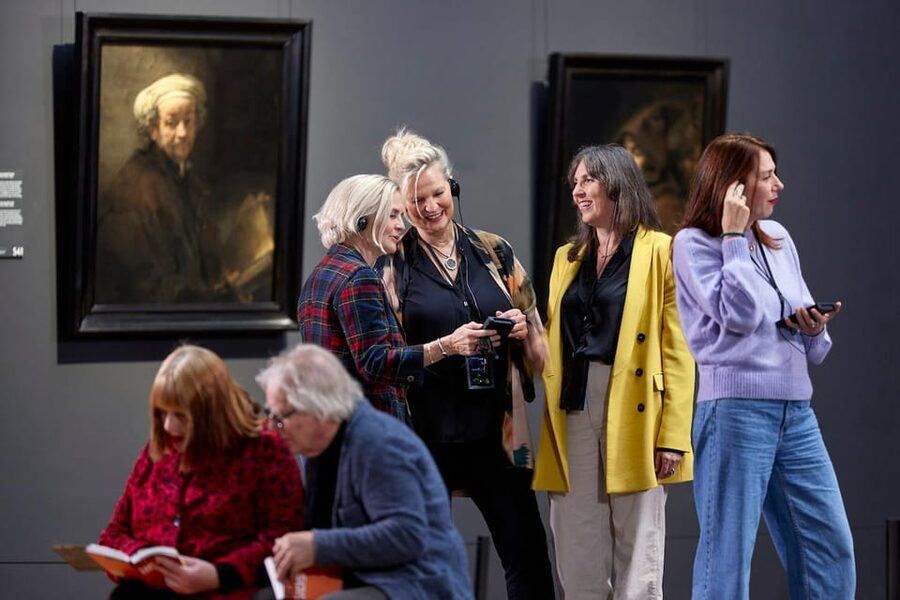
Amsterdam changes character after dark.
the brown cafés fits six people and a secret. Zeedijk smells of tare and charcoal. You could spend years finding the right doors , or go once with someone who’s already welcome behind them.
Taste the city between stops.
Amsterdam eats best before nine , tamagoyaki off the grill at De Pijp, tuna that needs no soy. If we could only book three food hours in the city, these are the three.


Match the ride to your confidence.
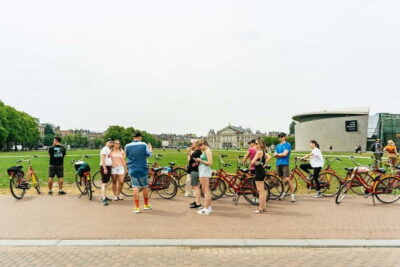
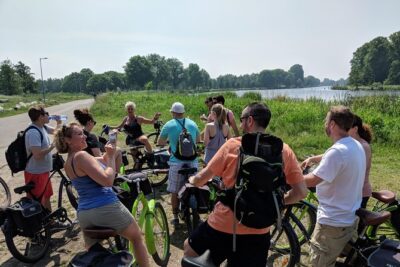
Costumed karts through real traffic, drift laps in the cars from the posters, the ferry landing on a Friday night. Sort your International Driving Permit before you fly , then pick from these.

Old Amsterdam still answers.
Incense at the Rijksmuseum before the coaches arrive, a sword drawn the correct way, matcha whisked in a room built for silence. Four hundred years of capital city are still open for visitors , if you book the right hours.
Pick your Amsterdam, day by day.
The city works in pockets, and each pocket is a day. Jordaan for the noise and the crossing. De Pijp for breakfast. the canal ring for the temple morning. Noord once the arcades light up.

Match the tour to your pace.
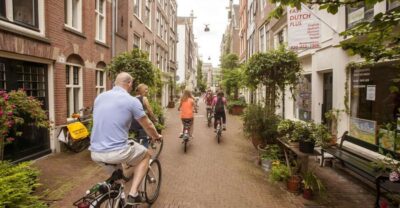
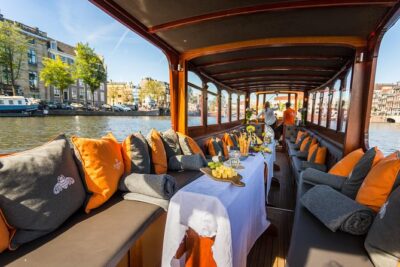
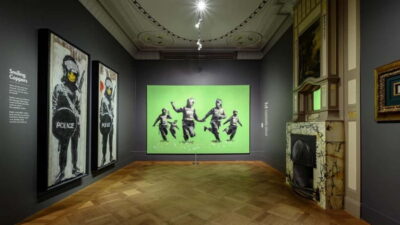
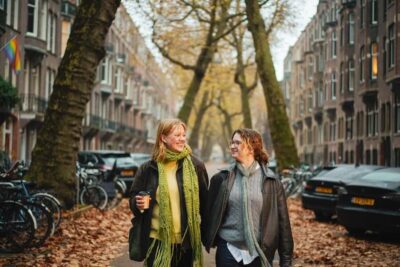
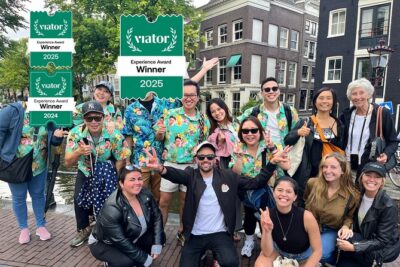
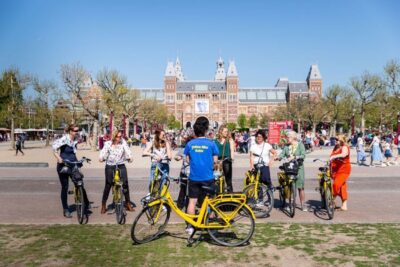
Walk the canal ring, ride the cycle lanes, sit down to dinner on the water or take a private route. Choose the pace before the itinerary.


See what lies beyond the ring.
The coach makes liars of maps. Mountains, hot springs, a giant bronze Buddha and the shogun’s mausoleum are all a morning away , and the return seat is part of the ticket.
A practical Amsterdam plan.
You can’t do all of Amsterdam in one trip; you can absolutely do the right three days. This is the sequence we’d hand a friend landing at Schiphol tomorrow.
 Day 1
Start with the canal ring
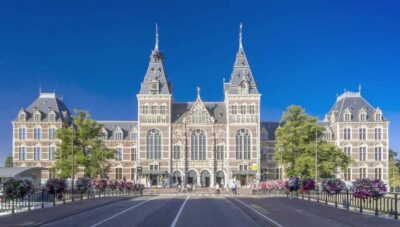
the Rijksmuseum at opening time while the jet lag is useful, lunch on the Nine Streets, a river cruise to shake off the flight. Easy pace, maximum the Netherlands.
Plan day one →
Day 1
Start with the canal ring
the Rijksmuseum at opening time while the jet lag is useful, lunch on the Nine Streets, a river cruise to shake off the flight. Easy pace, maximum the Netherlands.
Plan day one →
 Day 2
Museums and neighbourhoods
Start at a neighbourhood market, give the museums an unhurried afternoon, then choose a history-led walk or an evening cruise after dark.
Plan day two →
Day 3
Beyond Amsterdam
Choose windmills and craft villages, seasonal flower fields or a longer water-village day. Compare departure points and the time actually spent there.
Plan the Dutch countryside day →
Day 2
Museums and neighbourhoods
Start at a neighbourhood market, give the museums an unhurried afternoon, then choose a history-led walk or an evening cruise after dark.
Plan day two →
Day 3
Beyond Amsterdam
Choose windmills and craft villages, seasonal flower fields or a longer water-village day. Compare departure points and the time actually spent there.
Plan the Dutch countryside day →
Newly reviewed in Amsterdam.
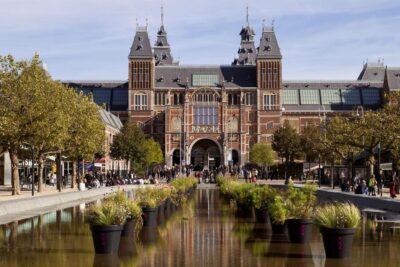 ★ 4.7Van Gogh and Rijksmusuem Tour: Small Group Tour with EntryFrom $1813 reviews
 ★ 5.0Private Sushi Workshop in HilversumFrom $1083 reviews
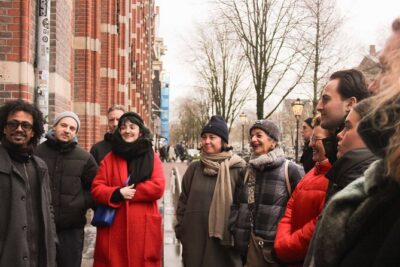 ★ 5.0Red Light District private tour with a localFrom $2313 reviews
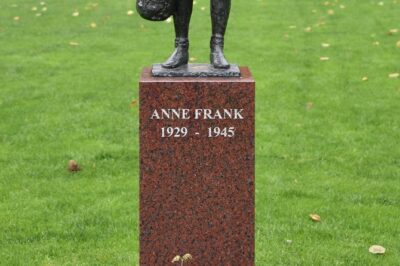 ★ 5.02-Hour Private Anne Frank Walking Tour with DrinkFrom $1523 reviews
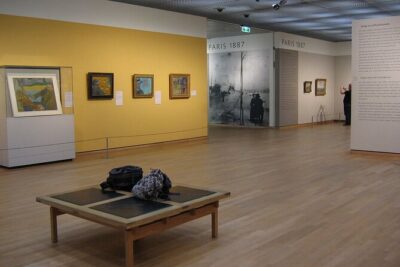 ★ 3.5Van Gogh Museum Entrance and Guided TourFrom $1253 reviews
 ★ 5.0Amsterdam Craft Beer Tour – Discover the Tastiest Dutch Brews!From $1033 reviews
 ★ 5.0Chocolate Fondue in the DarkFrom $223 reviews
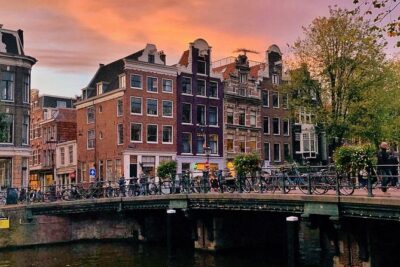 ★ 5.0Amsterdam Private Walking Tour of Famous PaintersFrom $2313 reviews