
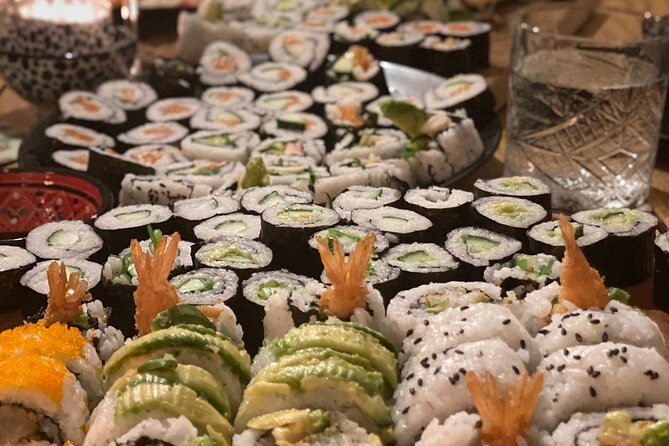
REVIEW · PRIVATE
Private Sushi Workshop in Hilversum
You roll sushi, then you eat it. A private, chef-led workshop in Hilversum, led by Nigel van der Weerd, a former sushi restaurant owner, where you learn four sushi types and make your own dinner. You’ll work through maki, nigiri, uramaki, and temaki with hands-on guidance at a 5:00 pm start in North Holland.
I really like how practical it is. You are not watching from the sidelines, you are shaping rice, adding toppings, and building rolls with help from Nigel and Chantal, with the patience and passion the instructors are known for. I also love that the experience turns into a real meal, with snacks plus wine, beer, or non-alcohol drinks included alongside what you make.
One thing to consider is the group size. It’s designed to run best with a minimum of travelers, so your date could depend on meeting that number.
Key things to know before you go
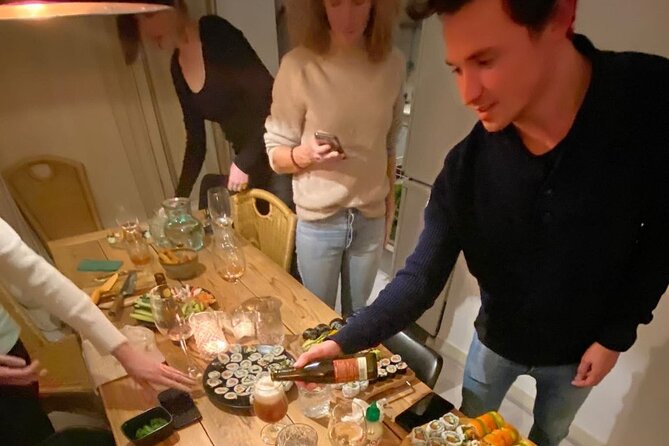
- Private chef instruction: Nigel van der Weerd guides you through sushi making step by step.
- Four sushi styles in one session: You make maki, nigiri, uramaki, and temaki, not just one.
- Dinner is included: The sushi you produce becomes your meal, with snacks and drinks served.
- Small group limits: Maximum group size is 10 travelers, and there’s a minimum number needed to run.
- Flexible setting (if you have a kitchen): The workshop can be hosted at your vacation rental if the kitchen setup works.
Other private routes shaped around your group

A chef-led sushi workshop in Hilversum that feels like dinner, not a class
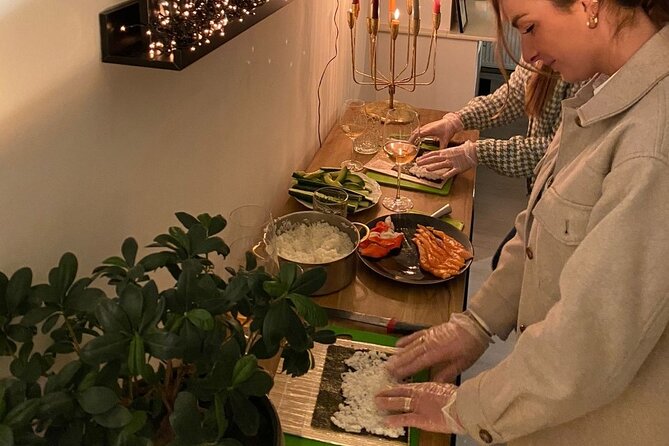
This workshop is built around one simple idea: you learn by doing, then you eat what you made. That matters, because sushi looks tidy and precise, but it is really a set of practical skills. Here, those skills get taught in a live, personal way, led by Nigel van der Weerd, who brings both chef experience and the perspective of having owned a sushi restaurant.
You meet at Kometenstraat 1223 Hilversum, and the session runs for about two hours and thirty minutes, starting at 5:00 pm. That timing is smart for value. You are not spending your evening on a short activity that leaves you hungry. You finish with sushi for dinner, plus snacks and drinks.
Hilversum sits in North Holland, not far from the larger Amsterdam area, but the vibe is quieter. You get the feeling of a local workshop rather than a tourist performance. If you want a hands-on Japanese cooking experience without the formality of big group classes, this setup makes sense.
Your four sushi types: what you’ll make and why each one teaches a different skill
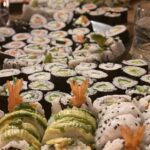
The core of the experience is that you make four distinct styles: maki, nigiri, uramaki, and temaki. Each one forces you to practice a different technique, so you come away understanding sushi as a craft, not just a single roll.
Here’s the practical meaning of each style, and what you are training your hands to do:
Maki: the classic rolled sushi
Maki is the rolled format most people recognize. Making it teaches you how to spread rice evenly and add fillings without making a mess. You also learn how to shape the roll so it stays cohesive when sliced.
- Texel: Electric Fatbike Rental with Map★ 4.8 · 17 reviews
- 3-Hour E-fatbike Rental in Texel★ 4.5 · 9 reviews
- IJmuiden to Amsterdam Private Transfer★ 5.0 · 6 reviews
- Amsterdam to Schiphol Airport Transfer Comfort & service.★ 5.0 · 6 reviews
Nigiri: hand-formed sushi with a topping
Nigiri shifts the skill from rolling to shaping. You form a small mound of rice and top it with a topping. This is where you learn how rice consistency and portion size affect the final look and bite. It is also a good reality check on how much rice handling matters.
Uramaki: inside-out rolls
Uramaki, often called inside-out rolls, adds structure and precision. You manage rice on the outside while fillings stay controlled in the center. It’s a great style for learning how to build even layers, so every bite stays balanced.
Temaki: cone-shaped hand rolls
Temaki is the most freestyle of the four. You shape sushi into a cone or hand roll, usually with a crisp edge from seaweed. It trains your ability to assemble quickly and taste what works with your fillings and sauce choices.
By covering all four, the workshop prevents the common problem of learning one trick and leaving with a single roll template. You get practice in rice work, assembly, and shaping across multiple formats.
The start at 5:00 pm: where the workshop energy comes from
Starting at 5:00 pm is more than a scheduling detail. It sets your expectations for a dinner-style flow. You’re likely to appreciate the pacing because you are not squeezed between lunch and late-night plans. It’s a comfortable window for cooking, eating, and lingering.
The activity ends back at the meeting point. So you do not have to plan transportation like you would for a walking tour that scatters you across town. You simply show up, cook, dine, and head home when you’re done.
Also, the meeting point is near public transportation. That matters if you want a low-stress evening. You can use transit without turning the workshop into a logistical chore.
Hands-on sushi making with Nigel van der Weerd and Chantal
This is a private workshop, and the instruction reflects that. Nigel van der Weerd is not just teaching recipes, he’s guiding technique. The vibe is warm, and the teaching style is practical, with patience built in.
From what you’ll experience during the session, you’ll likely appreciate how the coaching focuses on fundamentals first. The instructors are known for walking you through the process from rice to toppings. That is exactly where most home cooks get stuck. People tend to think the hard part is the fillings. In reality, it’s the rice handling, seasoning balance, and topping placement.
You will make sushi varieties during the class, then you eat them. That structure pushes you to pay attention while you work, because your dinner is tied directly to your choices.
Snacks, wine or beer, and the moment you finally taste your own work
Food experiences can go two ways. Sometimes the class ends and the meal is separate. Here, the meal is part of the lesson.
After you finish making your sushi, you enjoy what you created as dinner. That includes snacks during the workshop, plus wine, beer, or non-alcohol drinks. In practice, that means you can focus on cooking without budgeting extra for beverages or extra food stops afterward.
I like this kind of setup for two reasons:
- You get immediate feedback. If something tastes off, you learn quickly.
- The social tone is easier. You’re eating together, not just watching.
Also, drinks being included helps the overall value. When you compare this kind of chef time plus ingredients plus drinks, it stops looking like a basic cooking class and starts looking like a guided dining experience with skills attached.
Meat and fish options, plus vegetarian adaptations that actually matter
Sushi is often assumed to be fish-heavy, but this workshop is flexible. Menus can include meat and fish, and they can be adapted for vegetarians.
Why that matters: sushi skills still translate even when the toppings and fillings change. You can practice sushi rice, shaping, and assembly while using vegetarian-friendly ingredients. If you are traveling with someone who does not eat fish, this adaptability keeps the experience from turning into a compromise.
It also means you can pick a menu that fits your comfort level. You are not locked into one standard filling just because it’s a Japanese cooking workshop.
Hosting the workshop at your vacation rental, if your kitchen allows it
One of the most useful details is the possibility to bring the workshop to you. The experience can be organized at your guest or Airbnb location, but only if you have a kitchen available.
That option can be great if you want a more private feel at your own space. It can also reduce the friction of coordinating a new location during your trip. If you already planned meals at home, this turns your kitchen into a temporary sushi bar.
Two practical notes to keep in mind:
- You’ll need a working kitchen setup. The key requirement given is that you have a kitchen.
- Hosting options depend on feasibility, since the workshop provider needs to make it work smoothly.
If you love the idea of cooking in your own rental, this is worth asking about before you book.
Group size and what it means for your attention and pacing
Even though it’s described as private, the max group size is 10 travelers, and there’s a minimum number needed to run the workshop. That usually leads to a class size where you can actually get help.
If you want that hands-on guidance, this matters. Sushi is a skill, and skills need correction. The smaller the group, the better your odds of getting technique tips while you’re making your own rolls.
The minimum traveler detail is also the main reason your date might be adjusted. If the workshop cannot meet the minimum, you’ll be offered a different date or a full refund. It’s not a small footnote, it’s part of how the workshop operates.
Price and value: what you’re really paying for
At $108.45 per person, you are paying for more than ingredients. You’re paying for:
- A chef-led session led by Nigel van der Weerd
- Hands-on instruction through four sushi styles
- The ingredients to make sushi
- Snacks during the workshop
- Drinks, including wine, beer, or non-alcohol options
- A full dinner outcome from what you make
If you compare it to piecemeal plans, it starts to make sense quickly. A private chef experience with meal service usually costs more, and basic sushi tastings do not teach you how to shape, roll, and portion sushi yourself.
This is also a value play because sushi is not a casual snack food at home. You need rice, seaweed, fillings, sauces, and basic tools. Here, you get everything organized and taught in one evening, with guidance so you can replicate some of it later.
Who should book this sushi workshop (and who might skip it)
This experience is a strong fit if you:
- Want a real cooking class, not a demo
- Enjoy learning through making food that you eat right away
- Like structured skill building across multiple sushi types
- Travel in a small group and can meet the minimum group needs
I’d especially recommend it for food lovers who like accuracy. Sushi is detail work, and the workshop format rewards that attention.
You might skip it if:
- You prefer cooking lessons that last longer than a single dinner window
- You are expecting a larger, sightseeing style experience instead of a hands-on class
Should you book the private sushi workshop in Hilversum?
Yes, if you want a focused, chef-led sushi dinner experience with real technique instruction. The combination of four sushi styles, patient guidance from Nigel van der Weerd and Chantal, and the fact that your sushi becomes dinner makes it feel like time well spent.
If your dates are flexible and your group can meet the minimum needed to run, it’s an easy choice. And if you have a kitchen at your vacation rental, the option to host the workshop at home can make it even better.
In short, this is the kind of activity that leaves you with both great food and usable skills.
FAQ
What is the price for the private sushi workshop in Hilversum?
It costs $108.45 per person.
How long does the sushi workshop last?
The workshop lasts about two hours and thirty minutes.
Where do I meet for the workshop?
The meeting point is Kometenstraat 1223 Hilversum, Netherlands.
What time does the workshop start?
It starts at 5:00 pm.
Is the workshop only for fish, or can it be vegetarian?
Menus can include meat and fish, and they can also be adapted for vegetarians.
What kinds of sushi will I learn to make?
You’ll learn four varieties: maki, nigiri, uramaki, and temaki.
Are snacks and drinks included?
Yes. Snacks and alcoholic beverages are included, with options for wine, beer, or non-alcohol drinks.
How many people are in a group?
The workshop has a maximum of 10 travelers.
Can I cancel for a full refund?
Free cancellation is available, and you can cancel up to 24 hours in advance for a full refund.
Amsterdam for Just Your Group



More Tour Reviews in North Holland



Newly reviewed around North Holland


Private, side by side.
 ★ 4.5Rijksmuseum Amsterdam Small-Group Tour with Private UpgradeFrom $901,547 reviews
 ★ 5.0Van Gogh Museum Tour Reserved Entry Semi PrivateFrom $1731,437 reviews
 ★ 5.0Private Amsterdam Red Light District and Coffee Shop TourFrom $41763 reviews
 ★ 5.0Anne Frank and Jewish Quarter Amsterdam Private Walking TourFrom $157684 reviews
 ★ 4.5Amsterdam Airport & Non-Airport Private Transfer to City CenterFrom $60521 reviews
 ★ 5.0Private Excursion to Zaanse Schans, Edam, Volendam and MarkenFrom $840420 reviews
 ★ 5.0Van Gogh & Rijksmuseum w/ Reserved Entry Semi-Private 8ppl MaxFrom $288419 reviews
 ★ 5.0Anne Frank and the Jewish History of Amsterdam Private TourFrom $95307 reviews
More ways to plan this visit