
REVIEW · ZAANSE SCHANS & WINDMILL TOURS
Amsterdam: Windmill Guided Tour
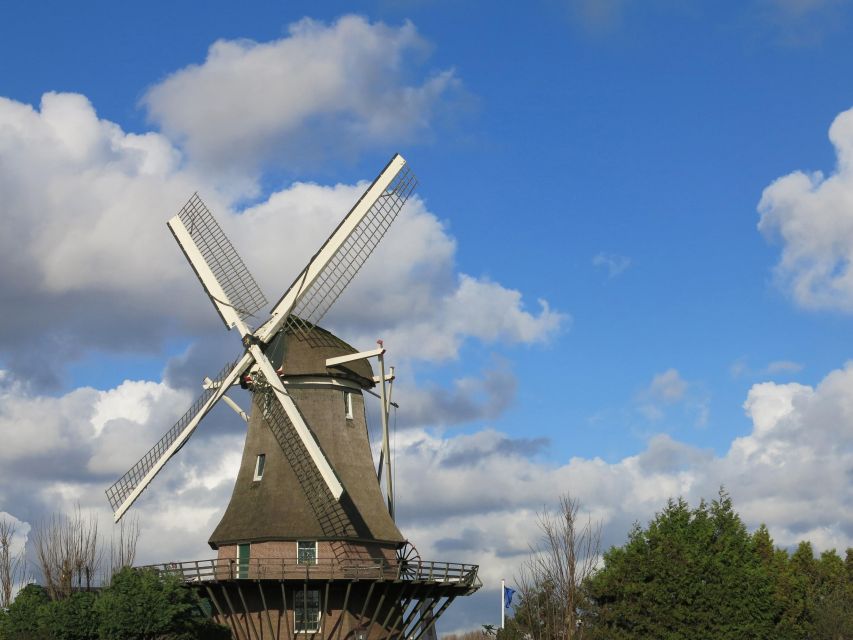
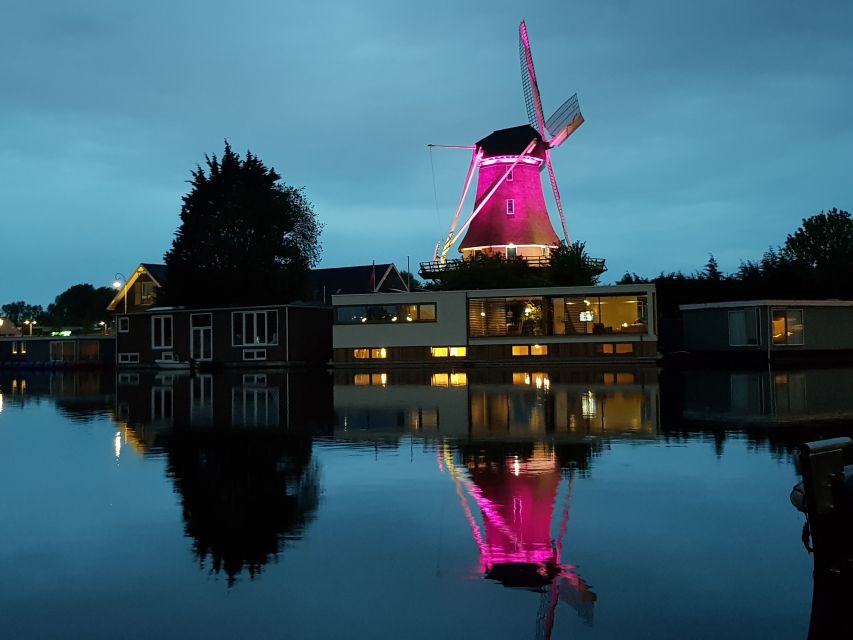
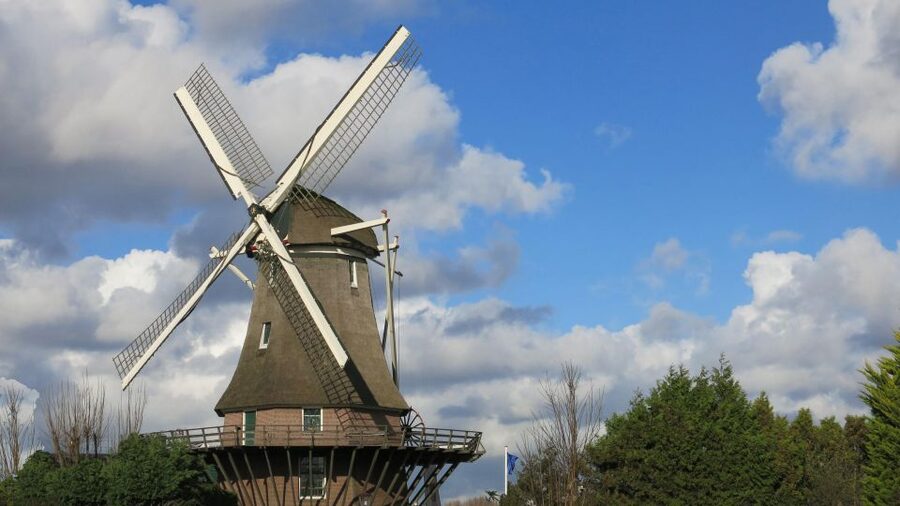
A real windmill, still pumping water. The Sloten Windmill in Amsterdam West is a rare, functional working water mill, and this 45-minute guided visit lets you understand how the Dutch keep low areas dry. I love the hands-on, technical feel and the chance to watch the sails turning for real, not as a prop. One possible drawback: it is short, so you will get the core ideas, not a full day of history.
You meet at the souvenir shop entrance for the guided tour, then your guide walks you toward the mill and sets the scene for why this spot matters. I like how the explanations connect directly to Amsterdam West and the Ringvaart Canal area, instead of getting lost in dates. Wheelchair accessible is listed, but because you climb and move inside a windmill, you should plan for tight, old-building space.
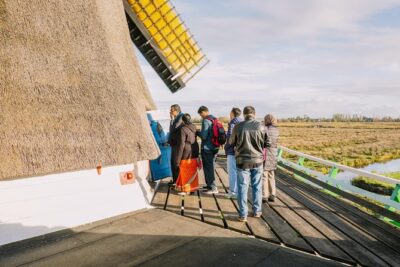
Up high, you get a fun curveball and a payoff. In the attic, you’ll see wax characters linked to the iconic Dutch painter Rembrandt van Rijn, and from the top you get a panoramic view of canals around Amsterdam West.
Key things to know before you go
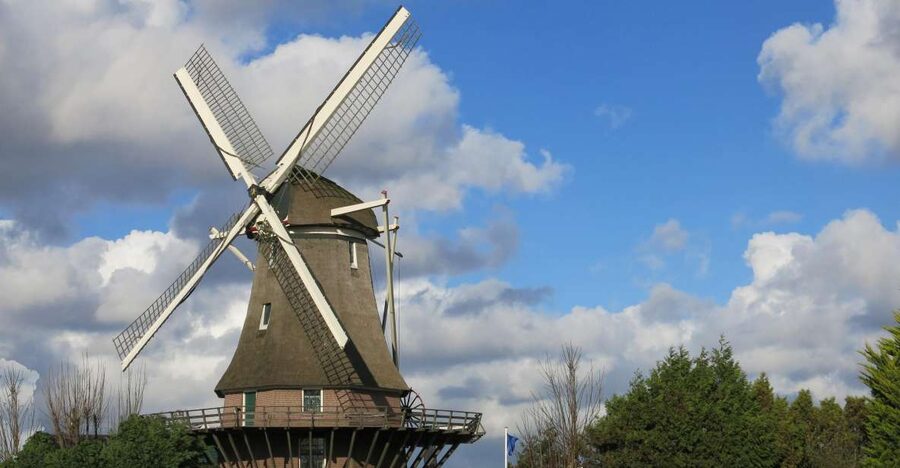
- A working water-pumping windmill with sails you can actually watch in motion
- Dutch drainage explained in plain language, focused on keeping the area dry
- A small-feeling guided tour, with volunteers who genuinely care about maintenance
- Attic stop with Rembrandt van Rijn wax characters, an unexpected artistic twist
- Panoramic views from the top, including the Ringvaart Canal area
More windmill routes with useful time on site
Why the Sloten Windmill is worth your time in Amsterdam West
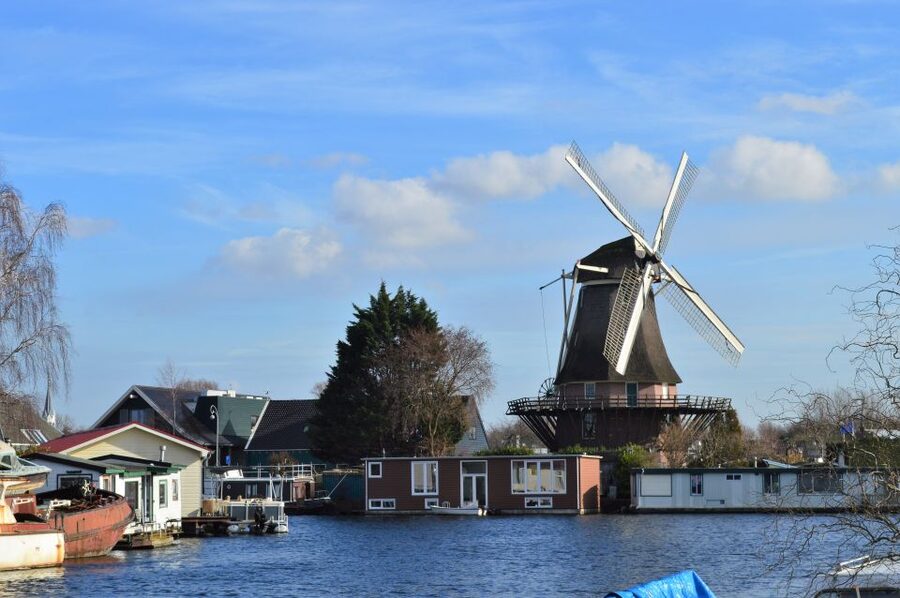
Amsterdam is full of windmill photos, but the tricky part is finding one that is genuinely working. Molen van Sloten, on the outskirts of Amsterdam West, is designed for exactly that. It is connected to the broader Dutch job of managing water levels in low-lying regions, and this tour helps you understand the why behind the wing, beam, and bucket system.
I really like that the visit is about function, not just atmosphere. You are shown how a water pumping mill helps protect places like Amsterdam West, and you can follow the logic from ground level up into the machinery and structure. That makes it feel practical, even if you are not a technical person.
There is also a strong family angle. The tour is short at 45 minutes, the guide keeps things moving, and the attic moment with Rembrandt van Rijn wax characters adds a playful, human-side story. If you want something different from the usual canal-and-museum routine, this is an easy swap that still fits an active day.
Finally, you are getting a spot that dates back to the mid-1800s era of wind-powered water control. That long timeline is part of why the mill is so good for storytelling, because it shows how Dutch engineering stayed relevant as the city grew.
From the souvenir shop to the windmill: your 45-minute flow
The tour starts at Molen Van Sloten, with the guided entrance located in the souvenir shop area. Then it becomes a guided path into how the mill works and what it protects. Even though the total duration is 45 minutes, the timing feels efficient because the guide focuses on the points that make the mill make sense.
Here is the pace you can expect:
You begin with context at the mill itself, including a look at the thatched roof and the sturdy oak structure. This matters because windmills are not fragile art objects. They are built to handle wind forces, constant maintenance, and years of weather.
Next, your guide brings you through the working process. You will see the wings turning, and you will learn what the mill is doing for water control in low-lying areas. This is the core of the experience, and the best moments tend to be when the explanation matches what you are seeing in front of you.
Then you climb. The tour includes moving up through the windmill so you can understand it from inside, not just from a doorframe. People who enjoy learning will likely love this part most, because it turns a technical system into a story you can track.
Up top, you cap it with attic wax characters and a canal panorama view. In the end, you leave with a clearer mental map of how this mill connects to nearby places like Sloten and Old Osdorp, as your guide shares nearby village stories along the way.
Inside the Sloten Windmill: how Dutch water control actually works
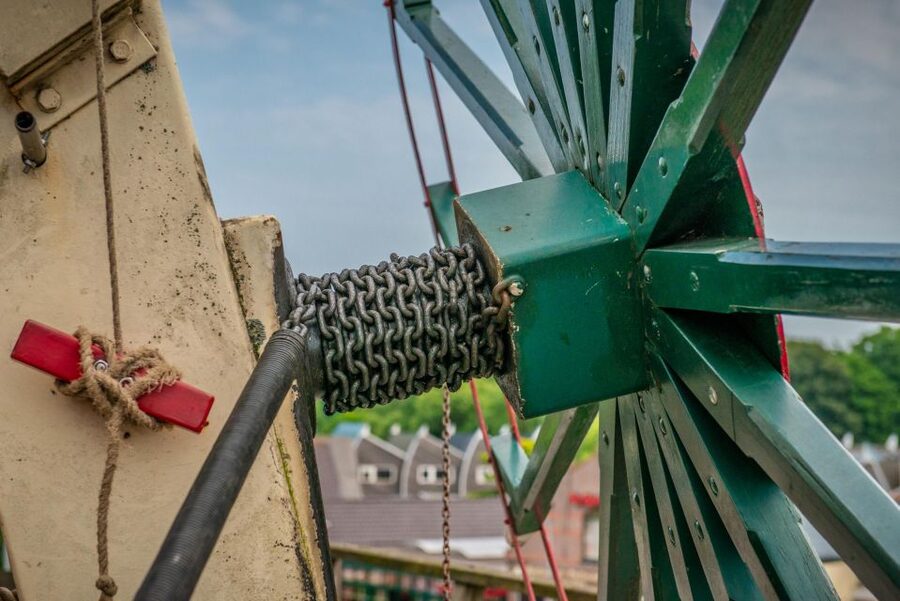
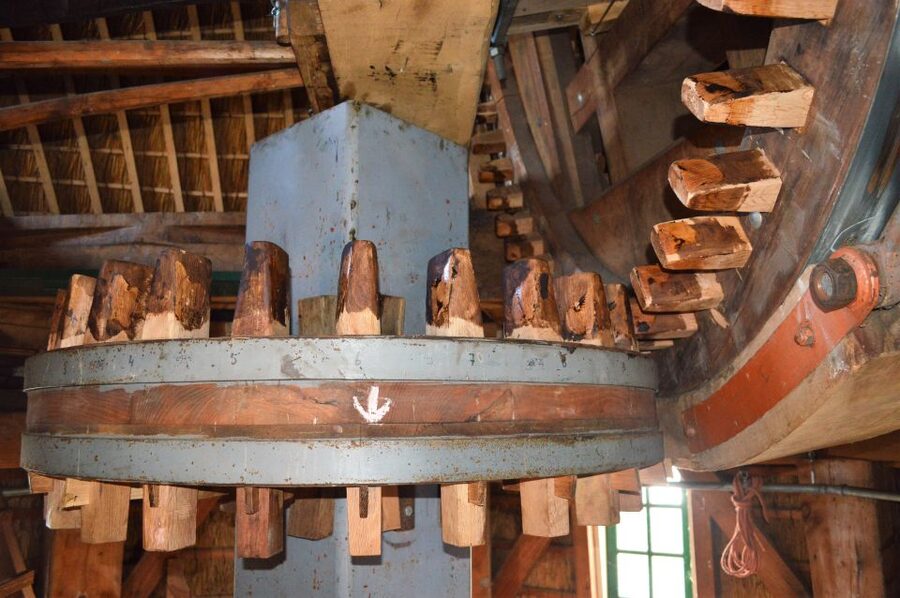
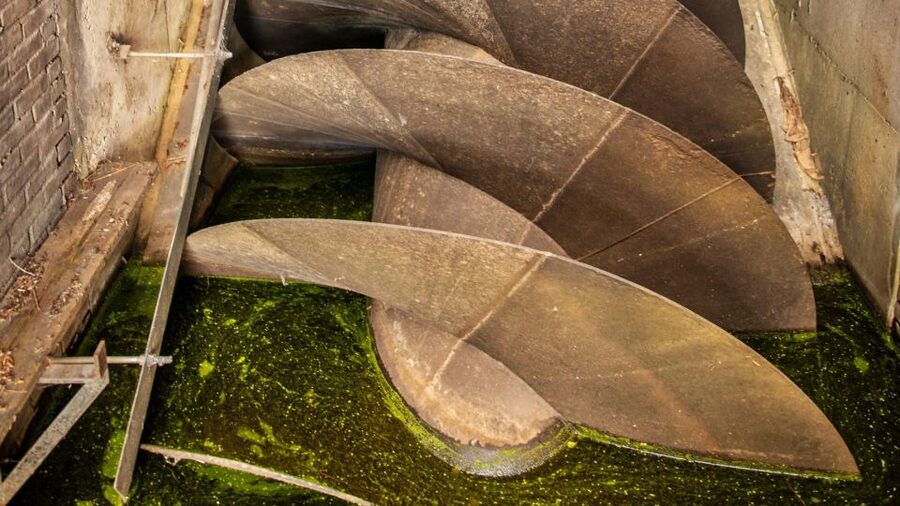
This is where the tour earns its keep. The mill’s purpose is water management, and your guide ties the mechanics to the real problem: low-lying land needs constant protection from unwanted water. You’ll hear how the windmill helps control water levels for Amsterdam West, and you’ll see how the system turns wind power into pumping action.
What I like is how the tour handles technical details without turning it into a lecture you have to survive. The guides are often volunteers, and that shows in the way they explain. They answer questions, and they keep the focus on understanding rather than impressing.
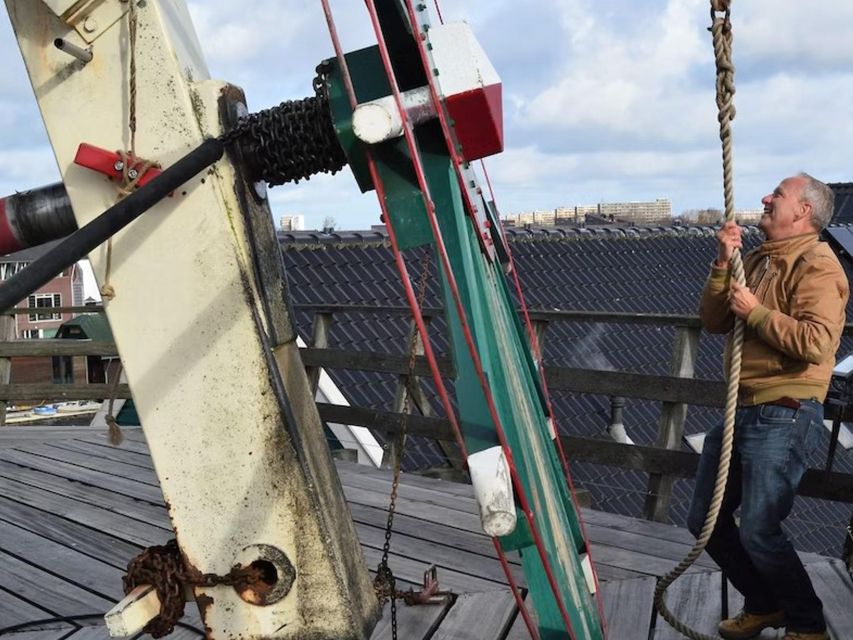
A standout part of the experience is the visibility of the working mechanism. When the sails turn, you can connect the motion to the job the mill does. One practical bonus: you might even see small adjustments made while you are there, which helps you understand that this is maintained equipment, not a sealed, static exhibit.
Your guide also frames the mill within its region. You’ll learn about nearby village names like Sloten and Old Osdorp, and those stories make the surrounding canal system feel less like scenery and more like a lived environment. That is a big reason this tour feels different from typical sightseeing. You are watching a tool and learning why it mattered in daily life.
Worth comparing with this Amsterdam choice:
- Amsterdam: 75 Minute City Canal Cruise with Audio Guide★ 4.4 · 17,501 reviews
- Anne Frank’s Story – Guided Walking Tour through Amsterdam★ 5.0 · 11,619 reviews
- Amsterdam: Johan Cruijff ArenA Tour with Optional Guide★ 4.6 · 8,954 reviews
- Amsterdam: Royal Palace Entry Ticket and Audio Guide★ 4.6 · 6,475 reviews
Attic stories and Rembrandt wax characters up close
Not every windmill tour gives you an artistic surprise, but this one does. When you reach the attic area, you’ll wonder at wax characters painted in connection with Rembrandt van Rijn. It is quirky in the best way: the mill is serious engineering, and then suddenly you have crafted figures tied to a Dutch art icon.
I like that the tour does not treat the attic as an add-on photo stop. It’s placed where it breaks the rhythm of technical explanation, so you get a reset before the final panorama. It also gives kids a second kind of attention hook beyond machinery.
This attic stop also helps you remember that Dutch history is not only canals and wind. It is also culture, craft, and the way communities tell stories. Even if you only spend a moment looking around, it sticks because it feels unexpected for a working mill.
If you are an art lover, you will appreciate the Rembrandt connection. If you are traveling with family, you will appreciate that the attic provides variety and a few laughs without undercutting the main story.
Views from the top: Ringvaart Canal and the canal web
From the top, you get panoramic views over the canal area, including the Ringvaart Canal and the surrounding low-lying region. This is not just a scenic bonus. It is a visual lesson.
Once you see how the water network spreads out below, the drainage story clicks faster. You can look for the canals and imagine how the mill’s water control helps keep that whole system usable and safe for people and land. Even if you do not know Dutch geography yet, the view gives you structure for where everything sits.
I also find these viewpoints more rewarding than city skyline photos. In Amsterdam, the skyline is everywhere. These views show the engineering logic of the place.
One small practical note: because you are climbing inside a historic structure, the view can be reached by people who handle indoor movement comfortably. Wheelchair access is listed, but windmills are still older buildings, so you may want to be ready for tight spots depending on your route.
Price and value: what $9 buys you here
At $9 per person for a 45-minute guided entry to a working windmill, this tour is great value. For central Amsterdam, that kind of price would not normally include a live guide and an engineering-focused visit inside a functioning site.
Here’s what you get for the money:
- Entrance fees are included
- A live tour guide is included
- You skip the ticket line
- The content is practical, not just decorative
Food and drinks are not included, so treat this as a short activity that fits between meals and canal walks. That is part of the value equation too. You are paying for access, time with a guide, and a working experience, not for a long guided day.
It also helps that the tour is focused and efficient. You are not spending time commuting across town for a novelty photo. You are going to Amsterdam West to see how water control works where it actually matters.
Languages, guide style, and small-group energy
This tour runs with live guides in English, Dutch, and German. That flexibility is a real benefit in Amsterdam, where you might end up with a mix of tourists and locals. You can choose a language that matches your comfort level, and you will get the same core tour experience.
The guide style is part of the reason people rate it highly. The tours often feel like a smaller group format, which gives you room to ask questions. When the guide answers, you get a clearer picture of the machinery and the purpose behind it. You also get a sense that the guides care about maintaining the mill, not just reading a script.
If you enjoy talking to locals or learning how maintenance works, this is the right type of tour for you. Even if you are not technical, the guide’s explanations help you connect wind energy to the water pumping job the mill performs.
Who this tour suits best (and who should plan ahead)
This is a strong fit if you want:
- A practical, quick break from museums
- Working history you can see and understand
- A family-friendly activity that stays active and short
- Views plus learning, not just one or the other
It is also a good option if you like small moments. The tour includes a climb, an attic stop, and canal views. That variety keeps it from feeling like one long hallway explanation.
The one group to plan carefully is anyone traveling with very young kids. Unaccompanied minors are not allowed, and children under 12 must be accompanied by an adult. So you’ll want to go as a responsible unit, not rely on the tour to handle supervision.
If you have mobility concerns, double-check how the accessible route works for your specific needs. Wheelchair accessibility is listed, but windmill interiors can still be challenging in practice. Asking a quick question before you show up can save stress.
Should you book Molen van Sloten?
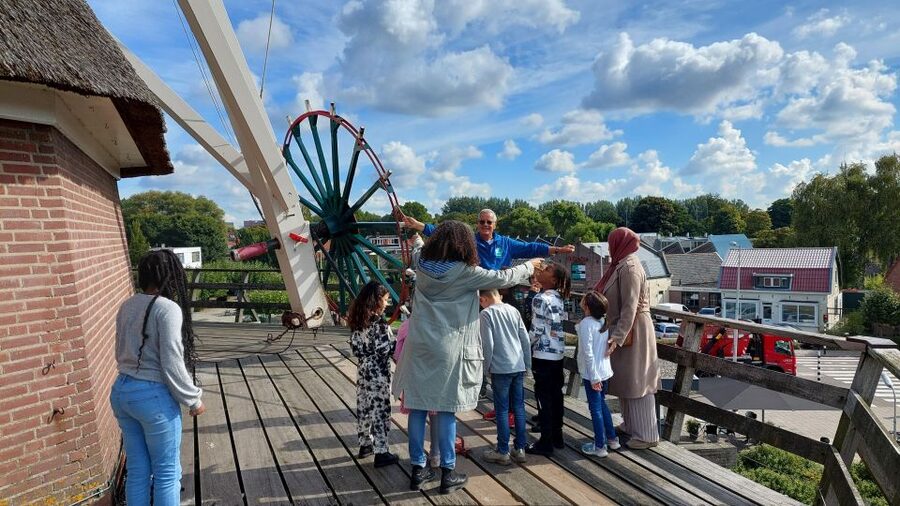
Yes, I think you should book this if you want a working windmill experience in Amsterdam that stays short, focused, and genuinely interesting. For $9, you get a live guide, skip the ticket line, and access to a site that is tied to the real Dutch problem of water control in low-lying areas. The sails turning, the technical explanations, and the attic Rembrandt wax characters are a great mix.
Pass if you need a long, slow-paced tour or you dislike climbing inside historic buildings. Also consider your group needs if you are traveling with kids under 12 or anyone who needs extra support.
FAQ
How long is the Amsterdam: Windmill Guided Tour?
The guided tour lasts 45 minutes.
Where do I meet for the guided tour?
The entrance for the guided tour is in the souvenir shop.
What languages are offered for the tour?
The tour is available in English, Dutch, and German.
Is the tour wheelchair accessible?
Yes, it is listed as wheelchair accessible.
Are unaccompanied minors allowed?
No. Unaccompanied minors are not allowed, and children under 12 must be accompanied by an adult.
What’s included in the ticket price?
Your ticket includes entrance fees and a tour guide. Food and drinks are not included.
More Tours in Amsterdam






More Tour Reviews in Amsterdam






Windmills and Workshops at Zaanse Schans
- Zaanse Schans Windmills, Clogs and Dutch Cheese Small-Group Tour from Amsterdam
★ 4.5 · 2,369 reviews



Newly reviewed around Amsterdam





Zaanse Schans & Windmill Tours, side by side.
 ★ 4.4From Amsterdam: Zaanse Schans, Volendam, and Marken Day TripFrom $4315,931 reviews
 ★ 4.6Zaanse Schans, Edam, Volendam & Marken Bus TourFrom $3215,034 reviews
 ★ 5.0Day Trip to Zaanse Schans, Edam, Volendam and Marken from AmsterdamFrom $455,392 reviews
 ★ 4.4Guided Zaanse Schans, Windmills & Cheese TourFrom $224,826 reviews
 ★ 4.0Windmill Tour from Amsterdam, Including Volendam & MarkenFrom $374,572 reviews
 ★ 4.8From Amsterdam: Zaanse Schans, Edam, & Marken Full-Day TripFrom $353,414 reviews
 ★ 4.5Tour to Keukenhof Gardens with Windmill CruiseFrom $642,819 reviews
 ★ 4.5Zaanse Schans Windmills, Clogs and Dutch Cheese Small-Group Tour from AmsterdamFrom $512,369 reviews
More ways to plan this visit