
REVIEW · MUSEUMS
Amsterdam: The Kattenkabinet Cat Museum Entry Ticket
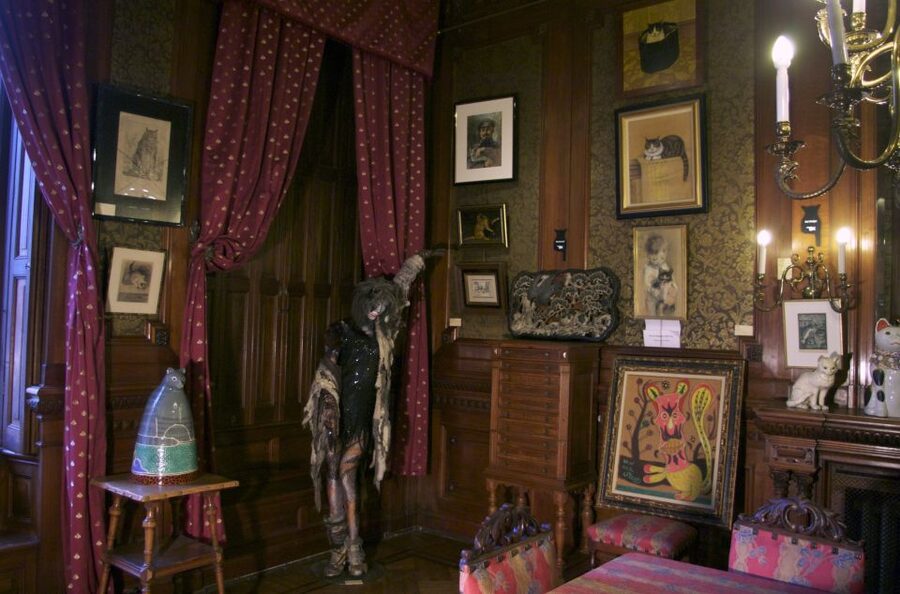
Cats and art, in one small Amsterdam house. I love how cat art turns into a real visit, not a background distraction, with works that range from photos and lithographs to paintings and small objects. I also like the canal-house setting on the Herengracht, because the museum feels like you wandered into someone’s art-and-cats world by mistake (in the best way).
The main catch is size. The Kattenkabinet is compact, so if you want a long, room-after-room museum day, you may feel like you finished quickly.
Quick hits before you go
- Cat-only collection that mixes famous names with unknown artists
- Herengracht canal house gives the museum a lived-in, intimate feel
- Masterworks and oddities together, including Picasso and Rembrandt cat art
- A founder story tied to Bob Meijer and the first inspiring cat
- Living cats around the museum can be a highlight, if they’re active
- Garden space may be limited depending on the season
Worth comparing with this Amsterdam choice:




Kattenkabinet in a Canal House on the Herengracht

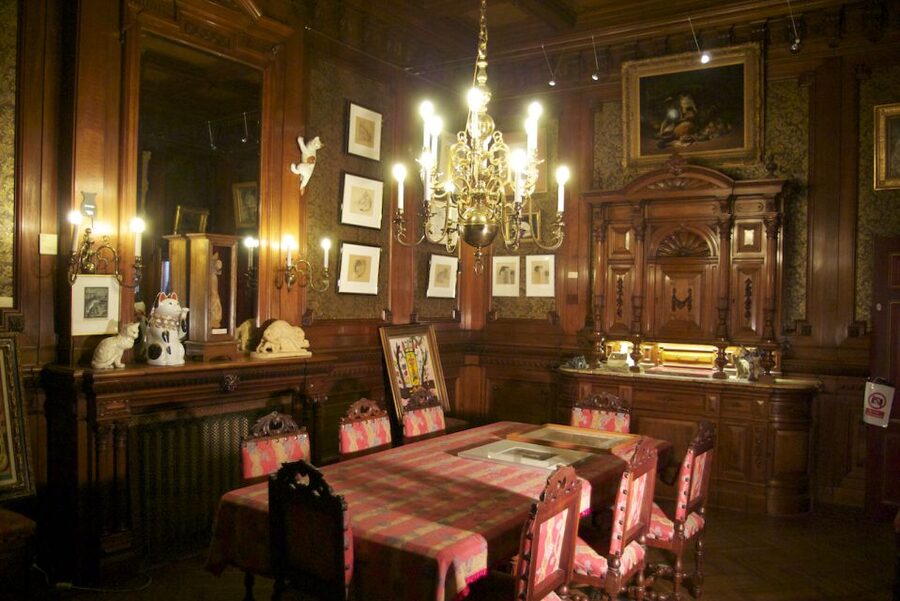
The Kattenkabinet is not a big, polished, corporate museum. It’s an Amsterdam house on the Herengracht, and that matters. Inside, you move room to room with the sense that the collection has been curated for people who truly notice details, like brushwork, captions, and the different ways cats have been shown over time.
The location also helps your pacing. This is the kind of stop you can fit between canal walks without feeling like you have to “commit” to a half-day ticketed marathon. Plus, the building itself adds atmosphere. You’re not just looking at cat images, you’re looking at cat images inside a real historical setting.
Bob Meijer and the Cat That Started the Collection
One of the most memorable parts is the origin story. The museum explains how owner and cat lover Bob Meijer built this collection, starting with the cat that inspired it all. That kind of personal backstory changes how you read the art. You’re not only seeing cat paintings, you’re seeing the collector’s relationship with cats become visible through decades of collecting.
I like that the museum also makes room for remembrance. There is a dedicated area that feels like a tribute corner, where visitors can leave cat photos for other cat lovers to see. If you’re visiting with kids, it’s a fun moment. If you’re visiting solo, it still feels meaningful, like you’re adding your own little chapter to the cat community inside the museum.
Masterpieces and Unusual Cat Art, From Rembrandt to Picasso
The Kattenkabinet lives in a sweet spot: it includes serious art names, but it doesn’t treat the subject like it has to be fancy to be worth your time. You can see cat-inspired works with the kind of polish you expect from major painters, then you get right back to lighter pieces that feel personal, playful, and a little odd.
Here are the notable names tied to the collection: Rembrandt, Picasso, Toulouse-Lautrec, Corneille, and Jože Ciuha. That lineup is a big part of the appeal if you like spotting artist signatures and thinking about how different styles interpret the same theme.
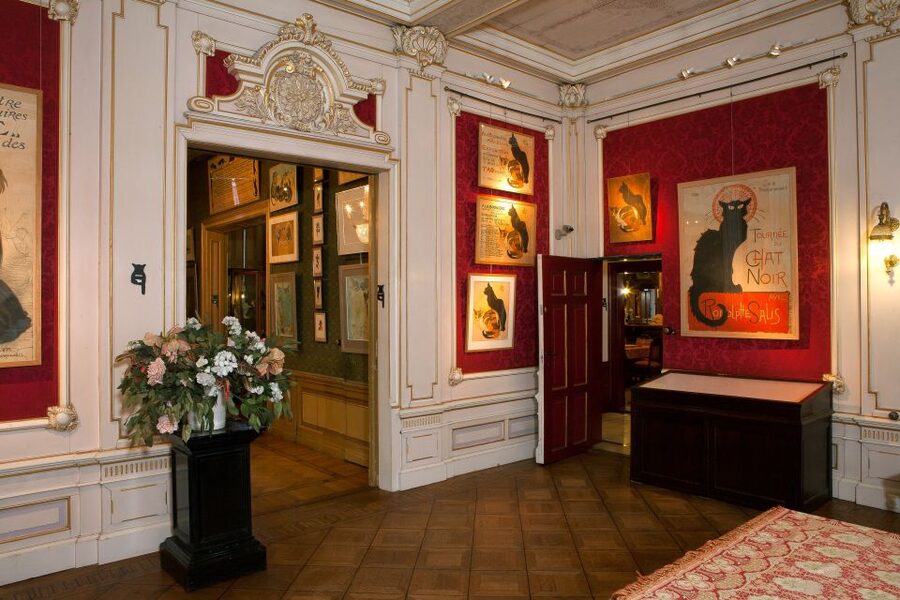
You’ll also see a mix of media, not just paintings. The museum includes photos, lithographs, posters, and sculptures, plus a range of cat-related objects. That variety is why it works for more than one kind of cat person. Some people come for famous names. Others come for the way the collection shows cats across centuries and artistic moods.
Worth comparing with this Amsterdam choice:
- Amsterdam: Red Light Secrets Museum Entry Ticket★ 4.2 · 5,722 reviews
- Amsterdam’s Weirdest Museum: Believe It or Not!★ 4.5 · 4,086 reviews
- Amsterdam: Van Gogh Museum Ticket and City Canal Cruise★ 4.6 · 3,899 reviews
- Amsterdam: Van Gogh Museum Ticket & Canal Cruise★ 4.5 · 3,304 reviews
The 17th-Century Ceiling Painting and the Room It Happens In
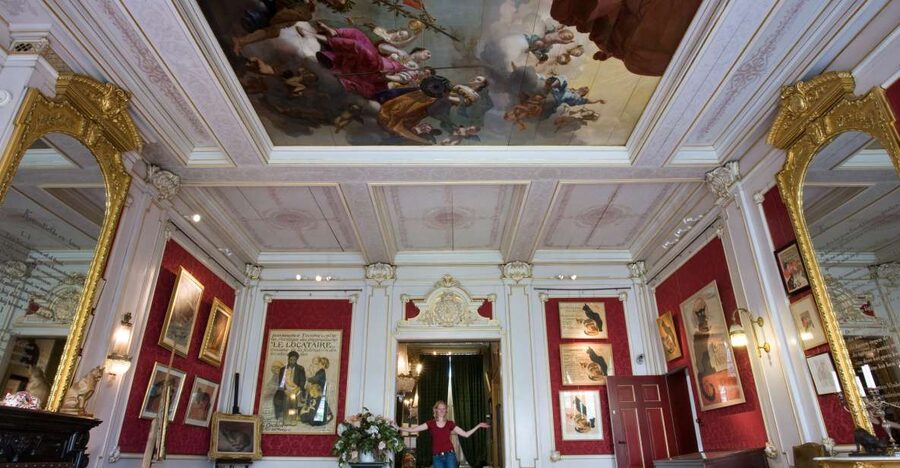
In one of the rooms, pay attention to the ceiling. The museum highlights a 17th-century ceiling painting that appeared after renovation in the 1980s. It’s from the school of De Lairesse and shows the Amsterdam City Virgin.
It’s an unexpected contrast. You’re looking at religious and civic-themed Dutch painting style, then you’re looking at cats. The museum’s power is in that mismatch, because it makes you look closer. It’s a reminder that cats have been part of everyday culture for a long time, not only modern internet culture.
If you’re the kind of person who likes small visual payoffs, slow down here. Even if you think you’re there for cats only, that ceiling moment gives the visit more texture than a typical quick stop.
The Museum’s Cat Shrine, Notes, and Little Visitor Moments
A big reason people leave with a grin is how the museum includes visitor input. There’s a shrine-like area where you can leave photos of your own cats. You’ll also find the space includes notes and personal contributions that connect different generations of cat lovers.
This is not just sentimental fluff. It’s practical in a travel sense. It gives you a natural reason to pause, look around, and notice the display labels and context around the shrine area. It also makes the museum feel like a living community space, not just a storage room for artwork.
If you want a quick keepsake, the museum also has a gift shop that’s often praised. Posters and cat-themed souvenirs show up in people’s memories, so plan a minute for that after you finish the core rooms.
Resident Cats: When the Real Ones Join the Art
Yes, you may see real cats during your visit. Many people describe cats roaming around inside the museum and being friendly, sometimes even allowing petting. That’s part of what makes the Kattenkabinet feel different from other art museums. The art is cat-focused, and then the museum also gives you the cat in the room, doing cat things.
There’s one small practical reality to keep in mind. The cats’ activity level varies. You might catch them when they’re curious, or you might mostly get your cat fix through the art. Either way, the presence of resident cats shapes the atmosphere. It feels softer and more spontaneous than a typical indoor gallery.
If you’re going with kids, this is the part that often locks attention. People describe keeping children engaged for a good stretch because there’s always the next “Look, a cat” moment.
Garden Time, Seasonal Access, and Why It Changes Your Visit
Outside space is part of the experience. The museum has a garden area where you can sit. Reviews also mention that the outside area may be closed at certain times, like spring, until summer.
So treat the garden as a bonus, not as the core plan. If it’s open, it gives you a calm break between rooms and helps make the visit feel less rushed. If it’s closed, you still have plenty to do indoors because the collection is packed into the rooms.
Also, keep the museum rules in mind. Food and drinks are not allowed inside, and smoking is not allowed in the garden. That helps explain why the museum feels tidy and controlled, even with cats involved.
How Long to Plan, and Is It Worth $15?
The ticket price is about $15 per person. For a museum ticket in Amsterdam, that’s fairly reasonable, but the value depends on your expectations.
Here’s my practical take. If you’re a serious cat art fan, you’ll likely feel satisfied because the collection is dense with variety, including well-known artists and multiple media types. The price buys you an unusual theme, a strong personal collection story, and the rare add-on of live resident cats.
If you’re expecting a big, half-day museum with lots of space to linger, you might feel it’s expensive for the time you spend inside. The visit is often described as short, with some people finishing in about an hour or even less. You can fix this by treating Kattenkabinet as an art stop, then building a longer day around it with canal walks and nearby neighborhoods.
In other words: at $15, it’s a good value if you want a focused, quirky museum moment. It’s less of a value play if you only shop for long museum experiences.
Best Timing and How to Pace a Small Museum Well
Because Kattenkabinet is compact, the best strategy is smart pacing, not endurance. Give yourself enough time to look, then give yourself permission to stop when you’ve seen what you came for.
A simple rhythm works well:
- Start with the founder story and the shrine area, so the art connects to a bigger meaning early.
- Then move through the collection and look for style differences, like how a museum turns the same subject into multiple artistic moods.
- Finish with resident cats and any garden time, if it’s accessible.
This keeps you from rushing through the pieces you’ll later wish you had studied. And it helps if the cats are sleeping at first. In a small museum, waiting a bit can pay off.
Who Should Book Kattenkabinet Entry Tickets?
This is a strong match if you fit one of these boxes:
- You’re a cat lover, and you want a museum that actually centers cats, not just “cats appear sometimes.”
- You enjoy art variety, because the collection is mixed-media and spans styles and time periods.
- You’re traveling with kids and want a place where curiosity stays alive. The cats help, and the personal cat-photo shrine gives kids something interactive.
- You like unusual Amsterdam stops that don’t feel like tourist traps, because the experience is personal and specific.
It’s also worth it even if you only “sort of” like cats. The art names and the canal-house setting provide reasons to care that go beyond the animals.
Should You Book Kattenkabinet Entry Tickets?
I think you should book if your Amsterdam day includes a bit of whimsy and you’re happy with a focused, compact museum stop. For $15, you’re buying an art collection with a clear theme, a memorable ceiling painting moment, and the chance to see resident cats in the space.
Skip or reconsider if you need long museum hours, lots of seating, and a sprawling layout. The Kattenkabinet works best as a single highlight, not as the center of a whole museum day.
If you want one clear decision rule: book it when you’d be happy spending your time looking closely at art, reading the story behind the collection, and waiting for the real cats to decide you’re interesting.
FAQ
How much is the Kattenkabinet cat museum entry ticket?
The entry ticket price listed is $15 per person.
How long should I plan for my visit?
The experience is listed as 1 day. It’s also described as a small museum, so many people finish relatively quickly, but you can take your time at the displays.
What’s included with the ticket?
The ticket includes museum entry.
Can I bring food or drinks into the museum?
No. Food and drinks are not allowed in the museum.
Are there real cats in the Kattenkabinet?
The experience description focuses on the cat art collection, and the reviews you provided also mention resident cats roaming inside during visits, with people sometimes able to pat or interact with them when the cats are in the mood.
What kind of art will I see?
You can expect a cat-focused collection that includes paintings, photos, lithographs, posters, sculptures, and other cat-related objects. The collection also includes works associated with artists like Rembrandt and Picasso.
Where is the Kattenkabinet located?
It’s housed in a building on the Herengracht canal in Amsterdam.
More Museums in Amsterdam






More Tickets in Amsterdam





More Tour Reviews in Amsterdam




Newly reviewed around Amsterdam





Museums, side by side.
 ★ 4.7Van Gogh Museum TicketFrom $3252,054 reviews
 ★ 4.4Moco Museum Amsterdam Entrance Tickets with Banksy & MoreFrom $1810,088 reviews
 ★ 4.4The Upside Down Museum Entrance TicketFrom $249,506 reviews
 ★ 4.2Red Light Secrets Museum Entry TicketFrom $175,722 reviews
 ★ 4.5Amsterdam’s Weirdest Museum: Believe It or Not!From $264,086 reviews
 ★ 4.6Van Gogh Museum Ticket and City Canal CruiseFrom $473,899 reviews
 ★ 4.7Rembrandt House Museum Entrance TicketFrom $233,385 reviews
 ★ 4.5Van Gogh Museum Ticket & Canal CruiseFrom $473,304 reviews
More ways to plan this visit