
REVIEW · AMSTERDAM MUSEUMS & GALLERIES
Amsterdam: Rembrandt House Museum Entrance Ticket
A Dutch genius, in his own house. This Rembrandthuis visit pairs multimedia storytelling with hands-on studio paint-mixing details, so you understand the maker, not just the myths.
I also love how the museum is set up to follow Rembrandt’s day-to-day life through the rooms, including newer spaces like the etching attic. The main consideration is practical, not artistic: it is a historic townhouse with a lot of stairs and tight rooms, so you need a steady pace.
You can do this in one day and still feel like you got your money’s worth. The audio guide keeps things moving room to room, and the live demonstrations add that real “standing where it happened” feeling.
Key highlights to look for
- Rembrandt’s home and studio layout, including the studio area where the tour focuses on how his work got made
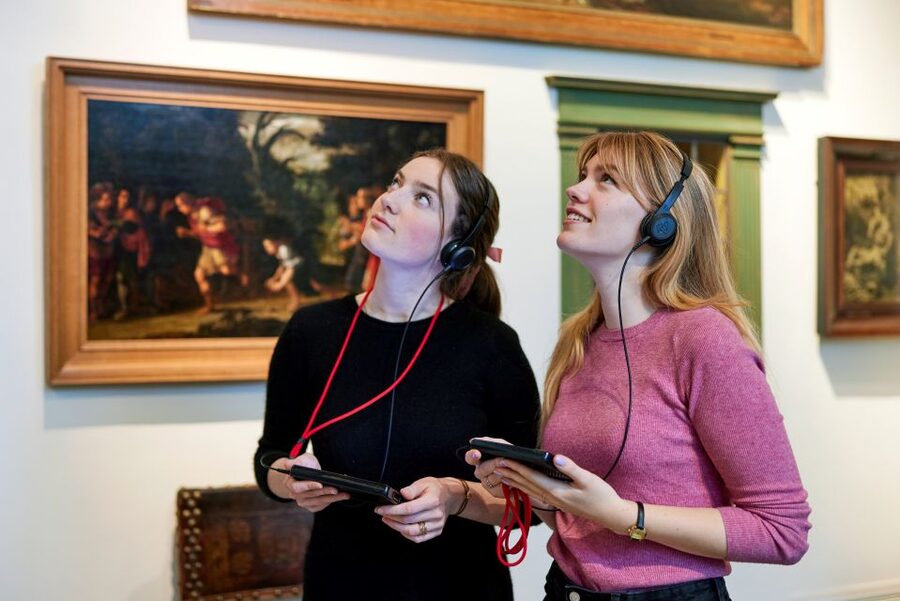
- A new multimedia audio tour, designed to bring the house and the 17th century into a clearer story
- Etching demonstrations and an etching attic, where you can learn techniques the way you would watch a craftsman at work
- Five newly added museum spaces, including an epilogue room and a third exhibition room
- Rembrandts Masterclass (Jan 30 to May 25, 2026), a focused show on technique plus hands-on activities
- An art-and-craft approach, with demonstrations for painting, etching, and even paint mixing
Rembrandthuis on Jodenbreestraat: what the building adds to the visit
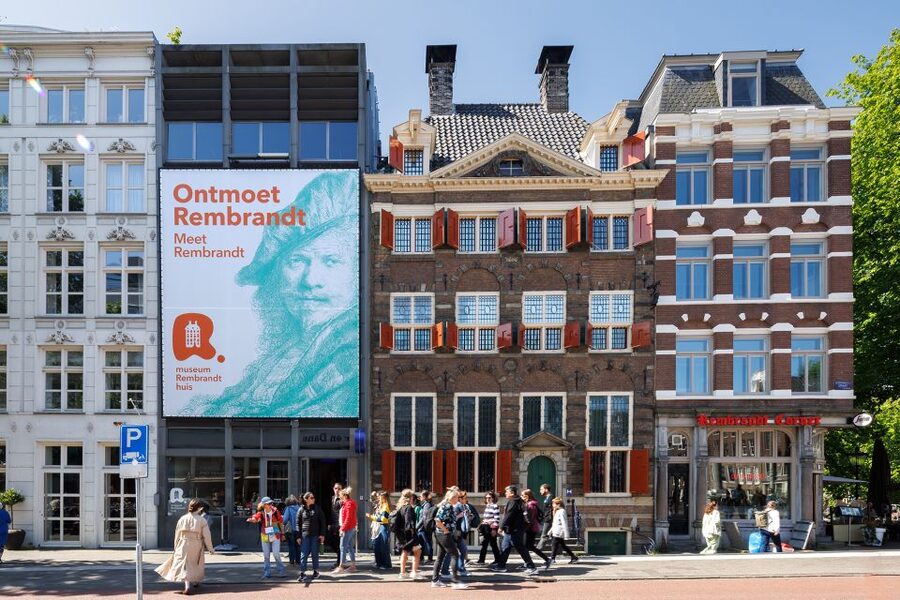
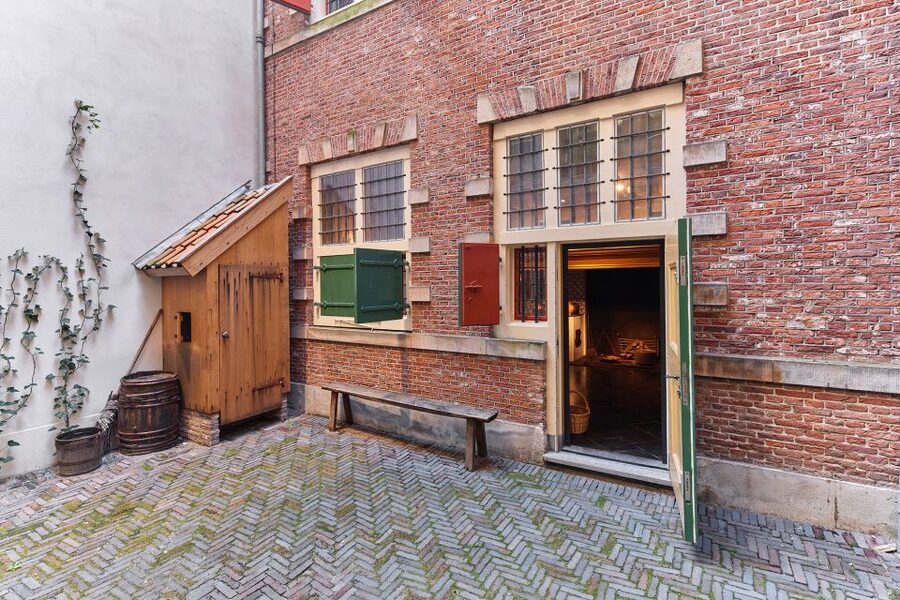
The Rembrandt House Museum is in the old neighborhood setting of Jodenbreestraat 4, and that matters more than you might think. This is not a blank gallery room where art sits behind glass. Instead, you’re walking through a lived-in layout where the museum can explain how a working artist set up his life, his tools, and his routines.
What you get is a house that feels homely, not solemn. The museum’s focus lands on how Rembrandt lived and worked before his financial collapse. That story is woven into the spaces, so when you see a room dedicated to making prints or study, it does not feel random. It feels like part of a working day.
One more practical point: the building is small and vertical. You’ll likely be going up and down floors, and you’ll be sharing space with other visitors during popular time slots. If stairs are an issue, plan your pacing carefully and expect tight corners.
The $23 value: entry fee plus multimedia tour that helps you actually understand the rooms
At $23 per person, this ticket is mostly about access plus guided interpretation. The value is not that you get a “free roaming” pass to a few rooms. You get the museum entry fee plus the new multimedia tour, which is a big part of why the visit works.
In other art museums, it can be easy to stand in front of a work and feel like you missed the point. Here, the audio programming is meant to steer your attention room by room. Several visitors highlight that the audio is where the experience becomes richer, especially if you listen closely as you move from space to space.
Also, don’t expect a traditional painting museum. The house visit is about Rembrandt’s working life. You will see related material including sketches, and you’ll learn about the artists around him and those he influenced. If you mainly want Rembrandt paintings in a big collection, you might find the emphasis is more on process and context than on displaying lots of finished canvases.
A room-by-room story: using the multimedia audio guide to follow Rembrandt’s life
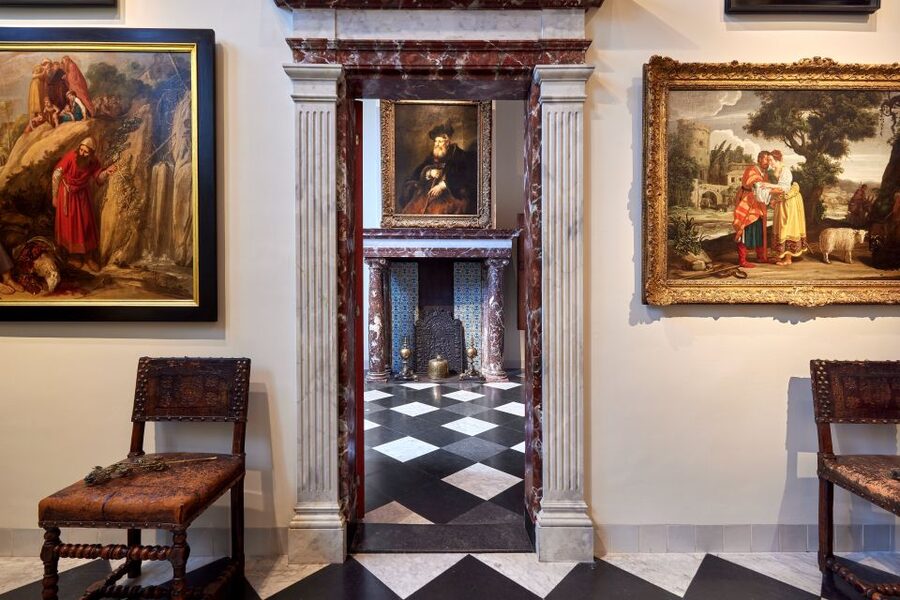
The museum experience is built around the way you move through the home. The audio tour runs as a guide that helps you connect what you see to what Rembrandt’s world was like. The museum’s description also points out the timeline arc, from his rise as a celebrity artist to his forced departure tied to debts.
You’ll want to keep your pace slow enough to catch what each room is trying to teach. Based on visitor feedback, the audio tracks can take around five minutes in many rooms, while a few key areas take longer because they go into more detail. That is good news if you like to learn in a structured way. If you rush, you may miss the strongest explanations.
The museum also uses added spaces to extend the narrative. Expect a recently added epilogue room, plus an etching attic that focuses on printmaking methods. A third exhibition room rounds things out, so the visit is not only about “walking through a house.” It also gives you moments where the museum steps back and explains the craft.
Studio paint mixing and why it changes how you see Rembrandt
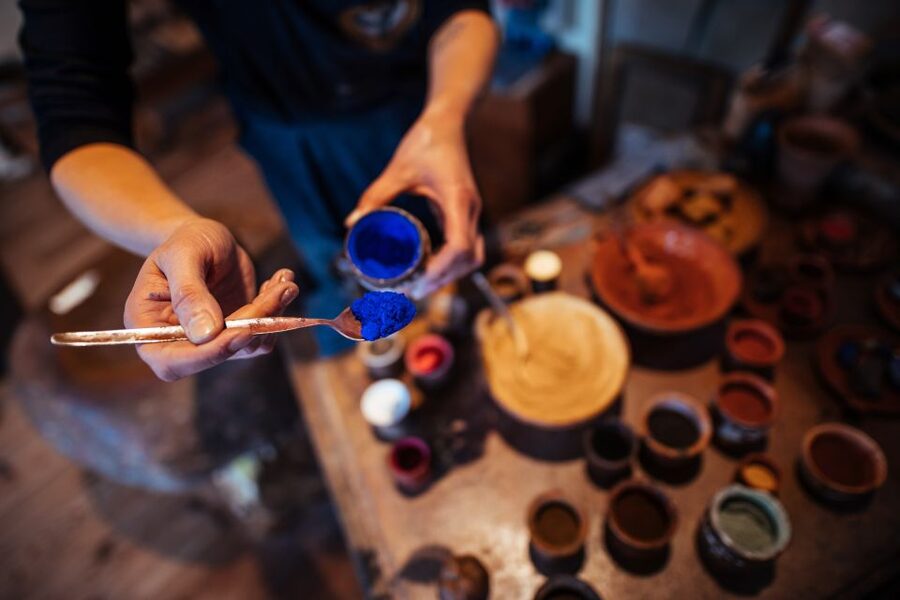
One of the most praised parts of this experience is the focus on Rembrandt as a maker. The museum highlights demonstrations tied to daily artistic activity, including etching and painting demos. Then it adds a studio moment that most art history tours skip: the paint-making process.
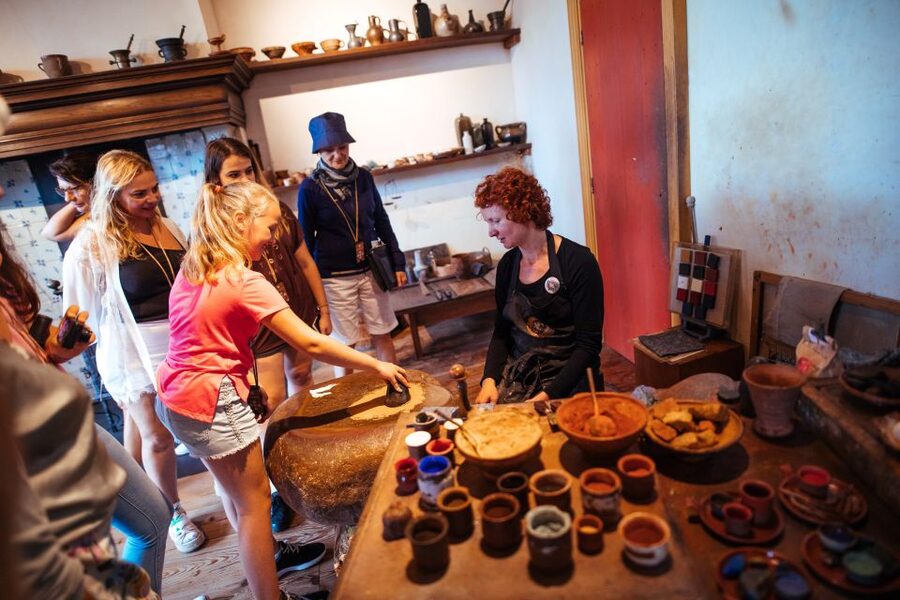
In the studio area, you can discover how paint was made, right in the place the museum presents as where Rembrandt created his masterpieces. You may also catch a live paint mixing demo, which is the kind of detail that turns Rembrandt from a distant genius into a practical craftsman with a working routine.
This is where the ticket can feel especially valuable. Instead of only learning biography, you learn “how it was done.” You pick up why materials mattered, how technique required choices, and why prints and paintings were not quick outputs. Even if you are not an art expert, the process gets explained in a way that you can feel.
One small practical tip: if you’re taking photos, follow museum rules about no flash. That keeps things simple, and it’s respectful to other visitors and to the artwork and displays.
Etching attic, demonstrations, and the craft behind the images
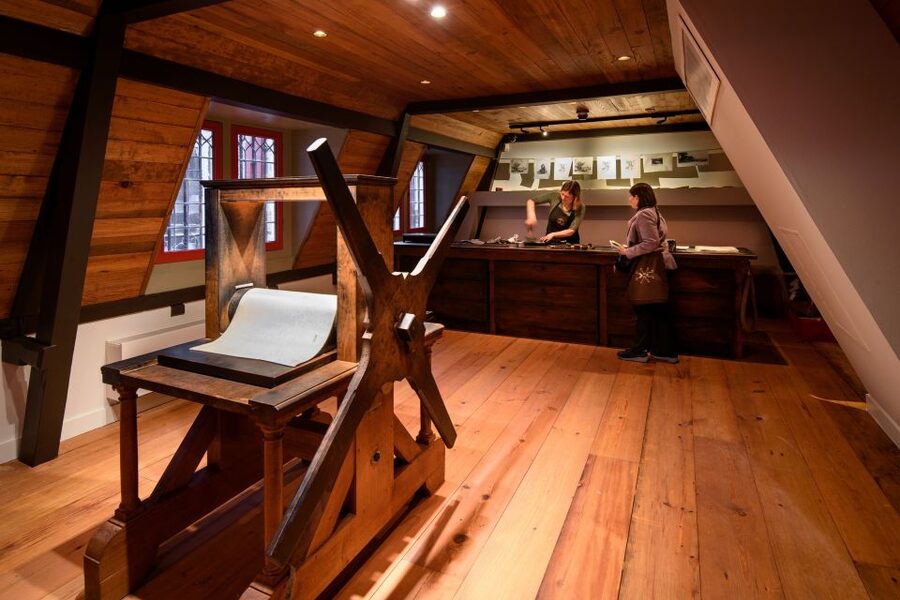
Etching is one of those art forms people admire but rarely get to see explained in a concrete way. Here, the museum leans hard into that. You’ll find both daily etching and painting demonstrations and added interpretation like the etching attic, which is described as a closer look at Rembrandt’s etching techniques.
Think of it like watching a chef cook while you also read the menu. You don’t just hear that etching was important. You see how printmaking happens, which makes it easier to understand why Rembrandt’s etchings mattered. The museum also presents a large collection of Rembrandt’s etchings, described as almost complete, so once you learn the basics, you’ll recognize more of what you’re looking at.
The demonstrations also help if you’re visiting with someone who gets bored with “quiet museum time.” Live action creates natural pauses. And because the museum is built around the audio guide and room pacing, you can usually plan your listening around the demonstration times without feeling lost.
Finally, this part of the visit is useful for both art fans and curious general visitors. You don’t need a deep background in printmaking. You just need curiosity and a willingness to slow down.
Rembrandts Masterclass (Jan 30 to May 25, 2026): hands-on technique with a masterpiece focal point
If you’re visiting between 30 January 2026 and 25 May 2026, you’ll have a bonus show called Rembrandts Masterclass. The concept is straightforward and very visitor-friendly: it focuses on craftsmanship, technique, and tactics, not just famous subjects.
The exhibition is structured around five Masterclasses: Looking, Technique, Emotion, Experimenting, and Selling. That matters because it gives different entry points. If you love the visual side, start with Looking. If you want the mechanics, start with Technique. If you’re more into the creative process, Experimenting fits that mood.
Near the end, you’ll face a major painting in a slow watching setting: The Anatomy Lesson of Jan Deijman. The description is explicit about step-by-step viewing, which is the right approach for a complex composition.
There’s also a hands-on component. You can draw an elephant, try to recognize a real Rembrandt, and practise posing for a self-portrait. If you’re traveling with teens or if you prefer learning by doing, this part can be a real highlight because it turns art history into an active task.
Timing, pacing, and what to prioritize if you want the best odds of a calm visit
This is a one-day ticket, and the museum is designed to fit into a typical Amsterdam sightseeing day. Still, it is worth planning around how you like to experience museums.
If your goal is maximum learning, plan for a couple of hours and keep your audio playing. The museum’s sound program is central to how the visit flows, and several visitors say listening closely makes the biggest difference.
If your goal is highlights only, focus on three anchors:
- The studio and paint-making explanation
- The etching demonstrations and the etching attic
- The added rooms that extend the story, including the epilogue area
Crowding can happen, especially in smaller rooms. Since the building is narrow, it can feel tight when many people stop at once. You’ll get the best experience if you pause briefly at the start of each room so you can position yourself before the group pressure builds.
Stairs are another reality. The museum is not presented as wheelchair-friendly, and it is not listed as suitable for people with mobility impairments. Even if a lift is sometimes available, the safest strategy is to be honest about your comfort with steps and plan your pace accordingly.
Should you book the Rembrandt House Museum ticket?
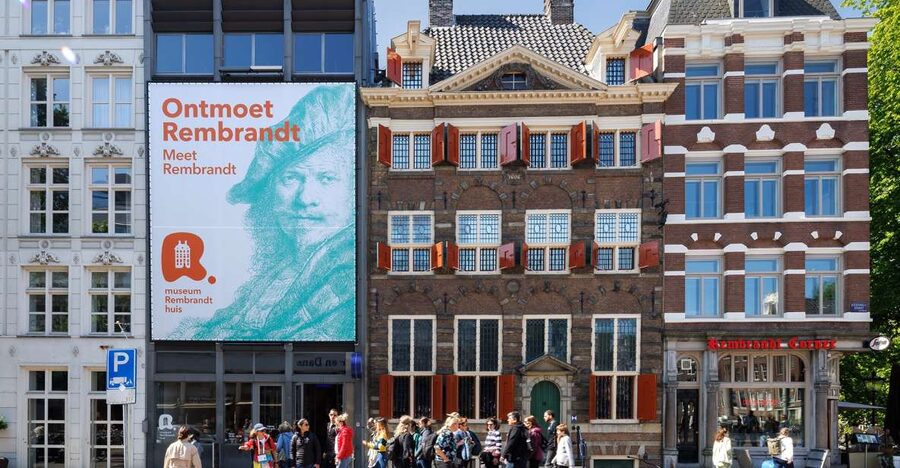
Book it if you want a craft-focused art experience in a real historic home setting. This ticket is strong value because the multimedia audio tour is part of the product, not an optional extra. The studio process details, the etching attic, and the live demonstrations are exactly the kind of practical learning that makes Rembrandt feel human.
Skip it only if you mainly want a big, painting-heavy museum visit. This is not the place to come for a blockbuster gallery tour. It’s the place to come for process, context, and the day-to-day reality behind Rembrandt’s work.
If you’re curious, bring your attention and your stamina for stairs, and you’ll leave with a much clearer picture of how Rembrandt worked.
FAQ
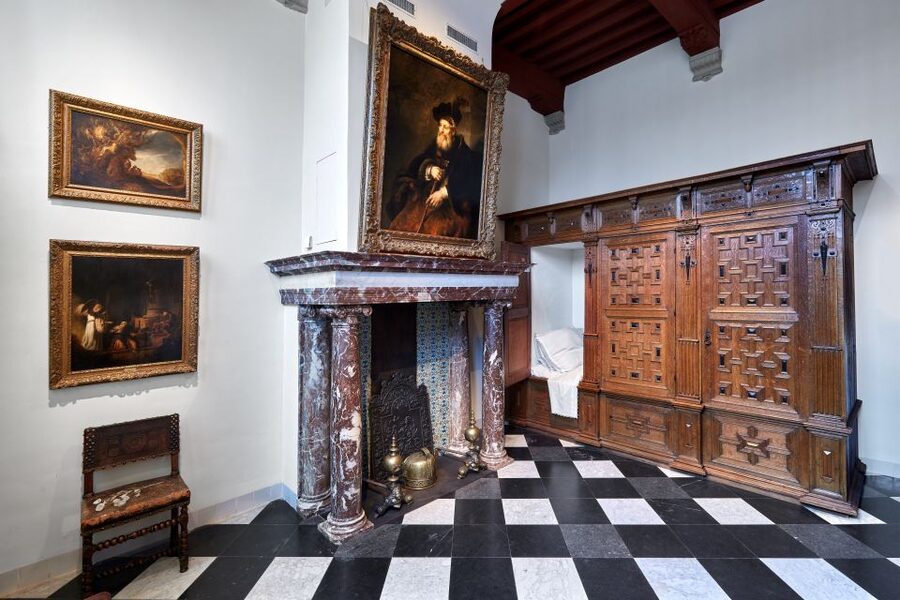
What is included with the Amsterdam Rembrandt House Museum ticket?
Your ticket includes entry to the Rembrandt House Museum and the new multimedia tour. An audio guide is also included, available in Spanish, Dutch, English, French, German, Italian, and Russian.
How long does the visit take?
The activity is listed as 1 day. Many people spend a couple of hours in the museum depending on how much they listen and watch.
Where is the meeting point?
The Rembrandt House Museum is at Jodenbreestraat 4, Amsterdam.
Do I need to choose a time?
The ticket is valid for 1 day, and you’ll need to check availability to see the starting times.
Is the audio guide available in multiple languages?
Yes. The audio guide is available in Spanish, Dutch, English, French, German, Italian, and Russian.
Are there live demonstrations?
Yes. The museum includes daily etching and painting demonstrations, and the studio area includes paint-related demonstrations.
What is the etching attic?
The museum describes the etching attic as a space where you learn more about Rembrandt’s etching techniques, with an approach meant to help you understand the process.
What is the Rembrandts Masterclass exhibition?
Rembrandts Masterclass is an exhibition focused on Rembrandt’s craftsmanship and technique, with five Masterclasses: Looking, Technique, Emotion, Experimenting, and Selling. It also includes a close-up viewing of The Anatomy Lesson of Jan Deijman and hands-on activities like drawing and practicing posing.
When is Rembrandts Masterclass running?
It runs 30 January 2026 to 25 May 2026.
Is this museum suitable for wheelchair users or mobility impairments?
No. It is listed as not suitable for people with mobility impairments and not suitable for wheelchair users.
Is cancellation possible?
Yes. Free cancellation is available up to 2 days in advance for a full refund.
Amsterdam Museums & Galleries, side by side.
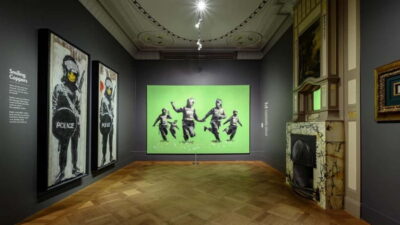 ★ 4.4Moco Museum Amsterdam Entrance Tickets with Banksy & MoreFrom $1810,088 reviews
 ★ 4.4Madame Tussauds TicketFrom $219,415 reviews
 ★ 4.8This is Holland 5D Flight Experience Entry TicketFrom $283,610 reviews
 ★ 4.5Body Worlds Amsterdam: The Happiness Project TicketFrom $263,295 reviews
 ★ 4.4NEMO Science Museum TicketFrom $252,979 reviews
 ★ 4.8Streetart Museum STRAAT Entrance TicketFrom $252,137 reviews
 ★ 4.0Moco Museum Amsterdam Admission Ticket with Banksy and moreFrom $271,745 reviews
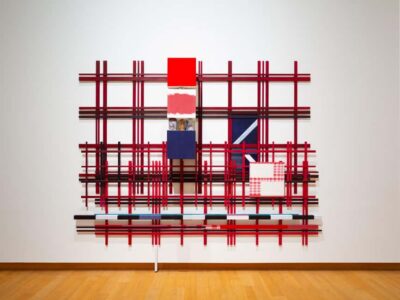 ★ 4.4Stedelijk Museum Entry TicketFrom $261,602 reviews
More ways to plan this visit