
REVIEW · AMSTERDAM CANAL CRUISES
Amsterdam Historic Tour On Classic Saloon Boat
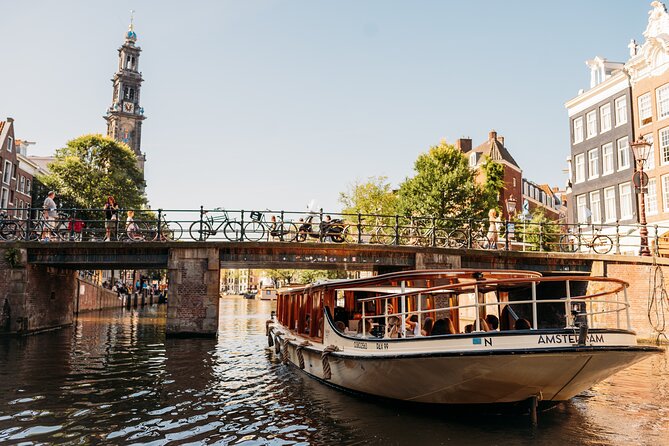
Canals plus a classic saloon boat is a great combo. You get live commentary while cruising through Amsterdam’s best-known waterways, plus smart scheduling and multiple start points. I like that it runs from morning to night, so you can match it to your day instead of rearranging your plans.
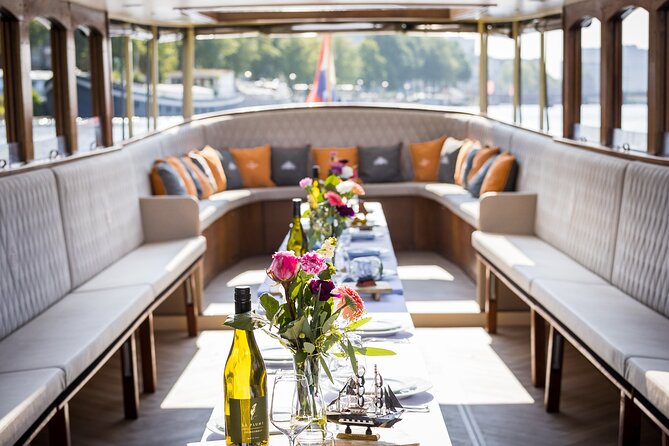
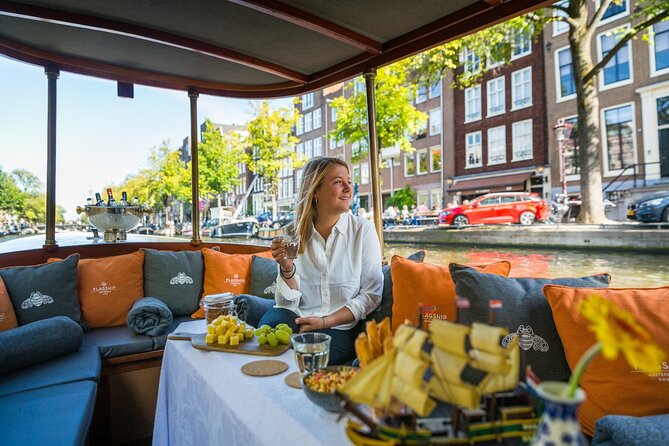
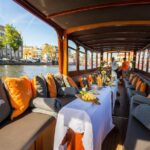
I also like the onboard bar experience that keeps the trip from feeling like a lecture. You can buy alcoholic drinks and cheese to stay comfy, and blankets are available if the air bites. One drawback to plan around is that there are no toilets on board, so go before you board.
Key Highlights You Will Feel Right Away
- Multiple departure times from morning to night make timing easy
- Prinsengracht and Prins Hendrikkade are both offered as starting points
- Live English guide commentary with an interactive style and time for tips
- Skinny Bridge and other landmark stops that are made for photos
- Canal ring UNESCO area themes tied to what you see on the water
- Up to 40 people max helps keep the vibe from getting chaotic
Other seats on the water, from open boats to covered salon cruises
Why a Classic Saloon Boat Makes Amsterdam Click
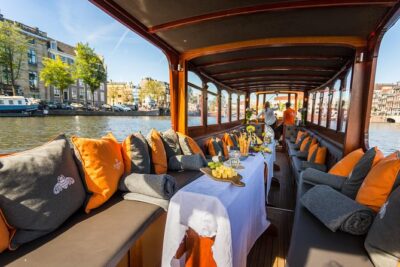
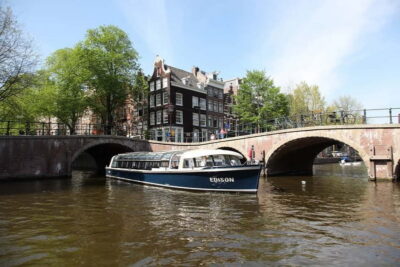
Amsterdam canals are already visual storytelling. From the water, you see the city’s edges, façades, and bridge lines in one sweep, without the traffic and crowd crush that can happen on land. This boat format adds comfort: it’s a classic saloon style ride, not a cramped hop-on, hop-off skiff.
The tour is built around a private skipper and a live guide, which matters more than it sounds. A skipper handles the boat smoothly, while a guide focuses on your side of the trip, like what you’re looking at and why it matters. With a maximum of 40 people, you’re also more likely to feel like the guide can actually work the group, not just read notes into the wind.
And since the tour is offered in English, you won’t need to piece together facts yourself. You can focus on the scenery and ask questions when there’s time.
Price and Value: What $28.90 Buys You in 1 Hour
$28.90 for about an hour can feel like a “just sightseeing” price until you break down what you get. In that hour, you’re paying for a guided canal circuit plus a skipper, and you also have access to an onboard bar setup (drinks and cheese are available for purchase).
Here’s the practical value: one hour is long enough to see real landmark variety, but short enough to fit even a busy itinerary. If you’re only in Amsterdam for a few days, this works as a high-impact add-on that doesn’t steal your whole afternoon.
Also, the experience includes blankets. That sounds small, but it can change how much you enjoy a cool evening departure. If you’ve done canal cruises where everyone shivers while trying to take photos, you’ll appreciate this.
One more value point: the tour includes time for recommendations and personal tips. That’s where a guided boat becomes more than a moving postcard. You leave with ideas for what to do next, not just what you already saw.
Getting On Board: Start Points, Timing, and Group Size
The scheduling is one of the easiest parts to like. Departures run from morning to night, so you can pick a slot that matches your energy and your weather window.
You also get choices for where you start. The tour can begin at Prinsengracht or Prins Hendrikkade, depending on your departure. That’s helpful because those areas connect well with a typical walking day. It also means the route you experience can feel a little different each time.
The group size cap is 40 travelers, which supports a calmer onboard vibe. It’s also worth knowing that large bachelor and birthday groups are not allowed on this trip. If you’re looking for a more relaxed, story-focused cruise, that rule is actually a good sign.
Finally, you’ll get a mobile ticket, and the meeting point is described as near public transportation. So you should be able to fit this in without needing to plan a dedicated taxi ride.
Worth comparing with this Amsterdam choice:
- Amsterdam: Evening Cruise with Optional Wine and Snacks★ 4.4 · 19,696 reviews
- Amsterdam All-Inclusive 90-Minutes Heated Cruise by Captain Jack★ 5.0 · 16,101 reviews
- Amsterdam: Open Boat Cruise option Unlimited Drinks & Bite★ 4.6 · 15,046 reviews
- Amsterdam: City Centre Canal Cruise★ 4.2 · 12,827 reviews
What the Live Commentary Is Like, and Why It Helps
A canal cruise can go two ways: either you drift past sights and hope you can identify them later, or you get a guide who turns the ride into a running explanation. This one is designed for the second option.
The cruise includes live commentary as you travel through some of Amsterdam’s most beautiful areas. The guide points out landmarks and connects them to the city’s canal story. Then you get interactive time, including recommendations and personal tips.
In plain terms, that interactive style is what makes the hour feel “spent well.” Instead of spending the ride mentally Googling what Skinny Bridge is or why the church is notable, you can just listen, ask, and move on with a clearer picture.
Also, the route is not identical for every starting point. The boat visits a set of themed stops, but the exact order can vary, which keeps the experience from feeling rigid.
Cruising Through Landmarks: From Beautiful Areas to a Church Stop
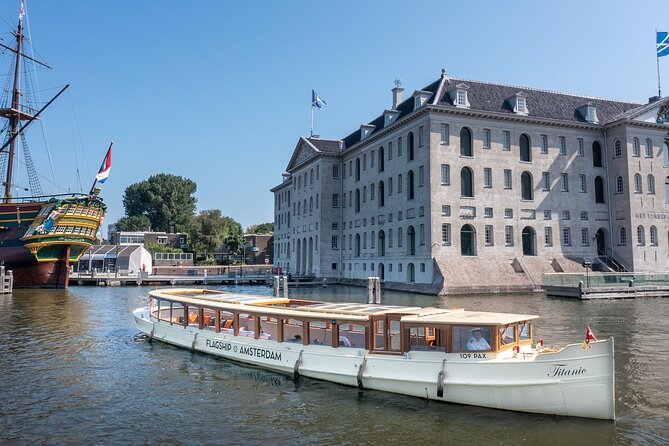
Early in the ride, you cruise along the nicest stretches and listen to live commentary. The goal here is orientation. You start building a mental map of where the canals sit and how the neighborhoods line up.
Next you’ll check out a beautiful church. The practical benefit of this stop is that it gives your eyes something anchored on land while you’re moving. It’s easy to let the water and bridges become a blur, and a church stop breaks that pattern.
The church part also supports the guide’s broader point: Amsterdam isn’t just canals and boats. Places of worship, opera buildings, and monumental façades all connect to how the city developed around its waterways.
Skinny Bridge: The Small Structure Everyone Wants on Their Photos
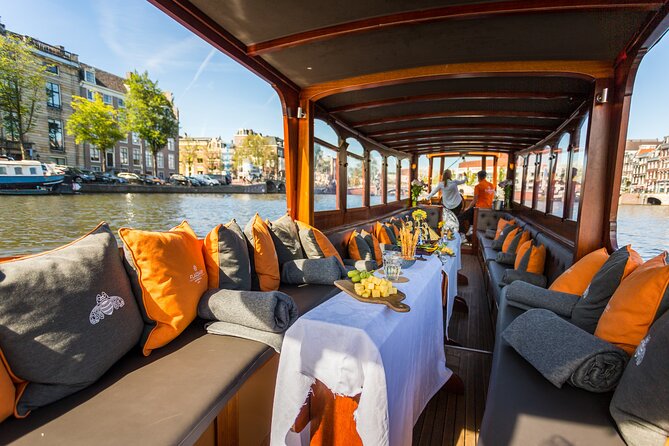
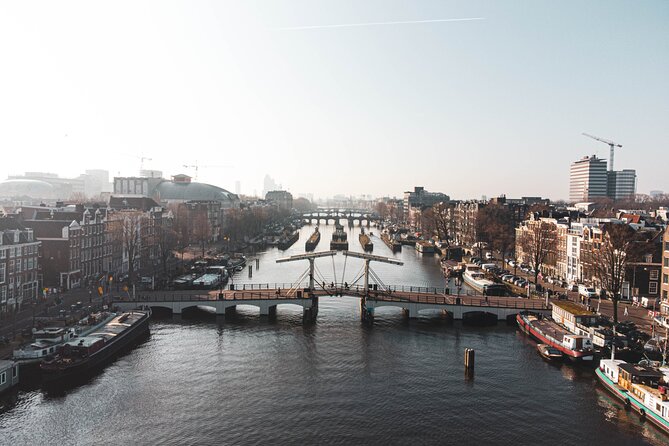
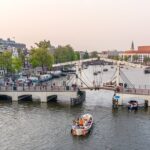
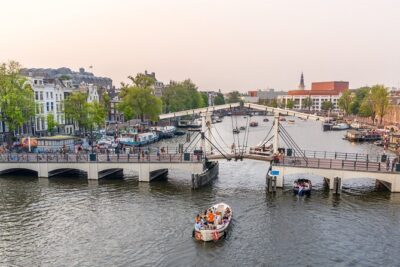
Sail under the Skinny Bridge and you’ll see why it’s part of the classic Amsterdam story. It’s narrow, it frames the canal line well, and it gives you that “how did they build this here” reaction that people usually can’t stop talking about after.
From a planning standpoint, this is a strong midpoint moment. By the time you reach it, you’ve been oriented by earlier commentary, so you understand what you’re looking at more clearly. And because the bridge is visually distinctive, it’s a great shot opportunity even if you don’t consider yourself a photographer.
One more tip: if you care about photos, keep your phone or camera ready when the boat approaches. That narrow bridge moment passes quickly.
The Amstel and the Dam Story That Explains Amsterdam’s Core
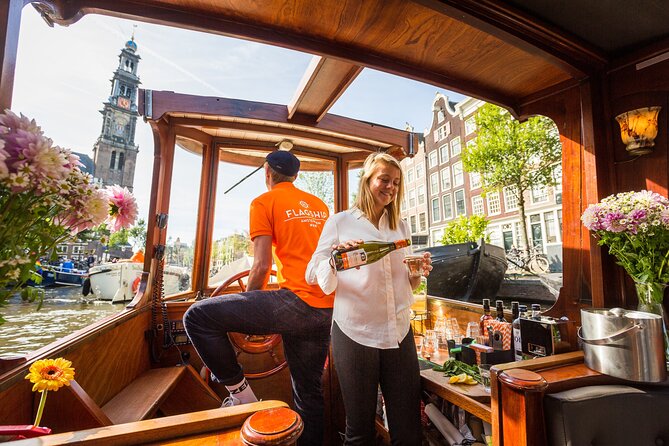
Then the route turns to the Amstel. The Amstel is the biggest canal in Amsterdam’s canal system, and the city’s origin ties back to water and settlement. You’ll hear the idea that Amsterdam began from this waterway, originally described as a river, and that fishermen built a dam, with the name Amsterdam attached to that development.
This stop is useful because it shifts the focus from pretty canals to why the canals exist in the first place. In a short tour, that kind of origin story gives your later sightseeing meaning. You start noticing the canal ring logic and the way bridges shape movement through neighborhoods.
Even if you already know Amsterdam is canal-based, this type of explanation helps it click as a city plan, not just a postcard look.
Seeing Multiple Bridges at Once, and Why That’s Rare
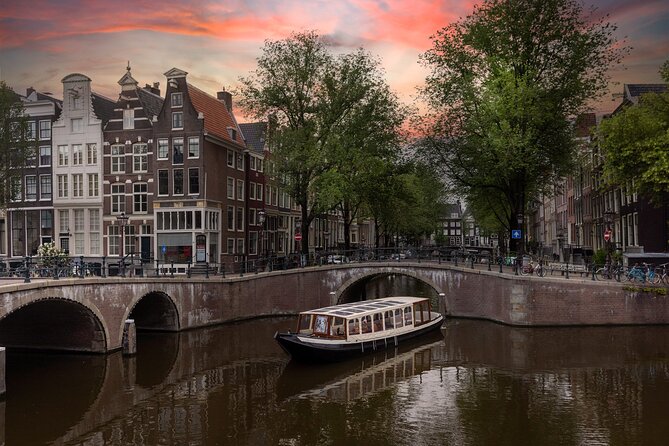
Amsterdam canals curve, and that affects what you can actually see from the water. One of the most interesting moments is the idea that seeing through so many bridges at once is rare.
On the boat, you get a long line of sight that you often can’t recreate from street level. As you follow the canal bends, bridges line up in your view like layers. That layered effect is part of what makes the skyline of canal bridges feel so unique.
This is also where comfort matters. Since you’re sitting and watching, blankets help, and it’s easier to keep your attention on the views instead of rushing for warmth.
Dutch National Opera and the Stopera Area
Another standout stop is tied to the Dutch National Opera, described as operating from the Stopera building. That modern structure, opened in 1986, houses both the Dutch National Opera and Ballet.
This matters because the tour mixes eras. You’re not only seeing the 17th-century canal ring idea. You’re also seeing how cultural life and major institutions occupy Amsterdam today.
When the boat brings you near this kind of landmark, you feel the city’s rhythm in a more complete way. The canals are not museum props, they’re active routes around major civic spaces.
The Grachtengordel Canal Ring and the UNESCO Angle
The tour connects what you’re seeing to the canal ring known as the Grachtengordel. You’ll hear about the three main canals dug in the 17th century during the Dutch Golden Age: Herengracht, Prinsengracht, and Keizersgracht. These canals form concentric belts around the city.
Then you’ll get the UNESCO World Heritage Site framing, including the 17th-century canal ring area like the Prinsengracht, Keizersgracht, Herengracht, and Jordaan listed in 2010. You’ll also hear the scale detail that along these main canals are 1550 monumental buildings.
That UNESCO context is valuable because it helps you stop treating the canal houses like random, pretty décor. You start thinking of them as planned grandeur built on water logic, where each façade and bridge line supports a wider pattern.
It’s a lot for one hour, but it’s delivered while you’re actually looking at the city layout. That is how the information sticks without turning into an overload.
Rain, Covered Boats, and How to Handle Reduced Visibility
Canal cruises can be weather-sensitive, and this one has a clear rule: if rain is forecast, the boats will be covered. That helps you stay dry, but it can influence visibility.
The good news is you can change your ticket free of charge if rain affects your plans. So you’re not stuck making a bad call.
My practical advice is simple: if the forecast looks messy but not miserable, you can still go, because being covered often makes the experience comfortable. If visibility concerns you most, switching to a clearer time can be worth it since the canal lines and bridges are what you came to see.
Onboard Bar, Cheese, and What to Expect From Drink Service
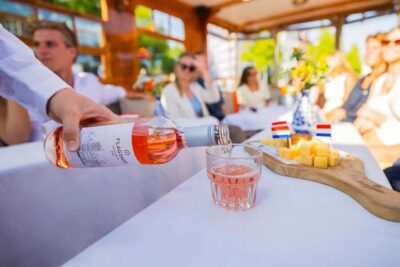
This cruise is built to keep you comfortable and fed. The onboard bar sells alcoholic beverages and cheese to beat hunger pangs, and blankets help you stay cozy if it’s chilly.
You’re also able to buy snacks for sale on board, though they are not listed as included. So if you’re planning a full meal, don’t count on the bar offering that level of coverage. Think of it as cruise-time convenience.
One piece of feedback I take seriously: at least one person felt the drink service was a letdown because wine was served in plastic cups, and they found the tone less friendly than expected. That doesn’t mean your experience will match that, but it’s a good heads-up if you strongly prefer glassware or want a very polished, formal narration style every minute.
The other review highlighted good atmosphere, a friendly captain, and a crew that felt engaging. That’s the balance here. The bar and cheese can turn the trip social, and the guide energy can swing depending on the exact crew and departure.
Does the Route Change? How Starting Points Affect Your Hour
The route is described as slightly different for each departure location. So if you start at Prinsengracht versus Prins Hendrikkade, you should expect a variation in how the sights line up across the hour.
That’s actually a plus for repeat value. If you’ve got time for a second canal experience in Amsterdam, this kind of route flexibility means you might see the city from a new angle rather than repeating the exact same sequence.
Even without repeating, the variation helps explain why some people talk about the trip as different in feel. It’s still the same main themes, Skinny Bridge moments, and UNESCO canal ring conversation, but the flow can shift.
Should You Book This Historic Canal Cruise?
Book it if you want an easy, guided way to understand Amsterdam’s canal shape in just one hour. The combination of live English commentary, landmark stops like Skinny Bridge, and the chance to buy drinks and cheese makes the cruise feel more like a relaxing event than a rushed sightseeing bus ride.
Skip or reconsider if you hate the idea of no onboard toilets, or if you’re very sensitive to the style of narration and drink presentation. This tour also has a limited capacity, and large party groups are not allowed, which usually supports a calmer vibe.
If your goal is value and an efficient introduction to the canal ring story, this one is a strong fit.
FAQ
How long is the Amsterdam Historic Tour On a Classic Saloon Boat?
It runs for about 1 hour.
How much does the tour cost?
The price is $28.90 per person.
What languages is the tour offered in?
The tour is offered in English.
Where can the tour start?
Starting points can include Prinsengracht and Prins Hendrikkade.
Is there a bar or food available on board?
There is a bar on board where alcoholic beverages and cheese can be purchased, and snacks are also for sale.
What happens if it rains?
If rain is forecast, the boats will be covered. This can affect visibility, and you can change your ticket free of charge in case of rain.
Are there toilets on board?
No, there are no toilets on board.
More Tours in Amsterdam






More Tour Reviews in Amsterdam


Canal Cruises, Three More Ways

Newly reviewed around Amsterdam



Amsterdam Canal Cruises, side by side.
 ★ 5.0Amsterdam Classic Saloon Boat Cruise with Drinks and CheeseFrom $2131,825 reviews
 ★ 5.0Amsterdam Luxury Canal Cruise + Unlimited Drinks & Bites optionFrom $1830,518 reviews
 ★ 4.6Classic Boat Cruise with Optional Cheese & WineFrom $1822,925 reviews
 ★ 4.475 Minute City Canal Cruise with Audio GuideFrom $1717,501 reviews
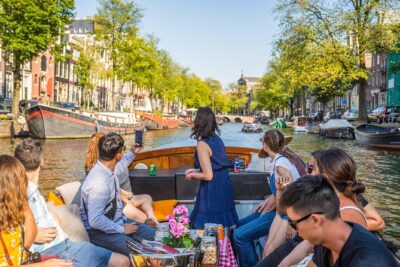 ★ 5.0Amsterdam All-Inclusive 90-Minutes Heated Cruise by Captain JackFrom $2716,101 reviews
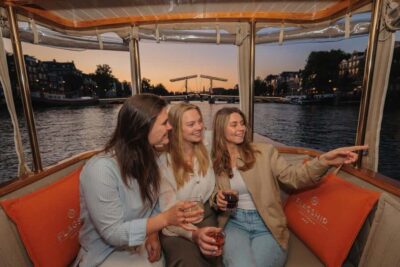 ★ 4.6Open Boat Cruise option Unlimited Drinks & BiteFrom $2215,046 reviews
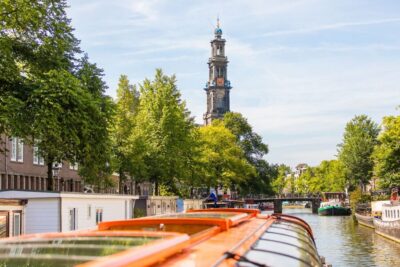 ★ 4.2City Centre Canal CruiseFrom $1812,827 reviews
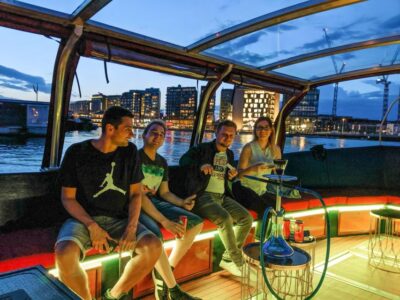 ★ 4.7Smoke and Lounge City Boat CruiseFrom $278,572 reviews
More ways to plan this visit