
REVIEW · DUTCH COUNTRYSIDE TOURS
Amsterdam: Countryside Bike Tour
Countryside bike tours in Amsterdam are rare, and this one actually works. In 2.5 hours, you leave the crowd noise behind and pedal through polders with real windmills, farms, and village lanes. I especially liked the chance to see Dutch water management in action and the simple, steady rhythm of safe bike paths.
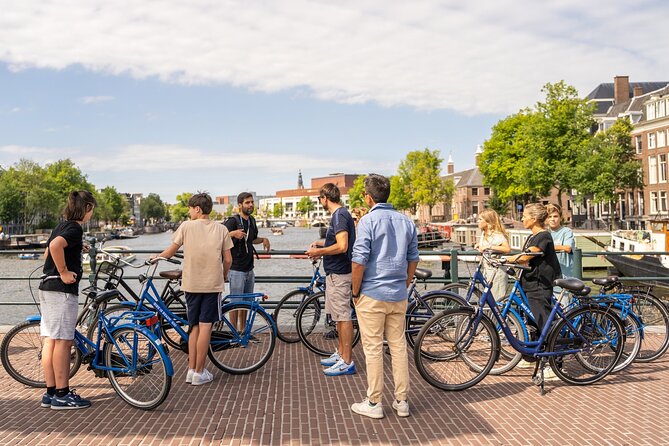
Two things I came to value fast were the small-group size and the way the guide explains what you are seeing in plain language. With a limit of 10 participants, you get space to breathe, ask questions, and stay comfortable on a route that is meant to be personal and safe.
One consideration: this tour is for riders who feel confident on a bicycle. If you have back problems, can not ride, or have not ridden recently, you will likely feel strained instead of relaxed.
Key highlights worth your attention
- Small group, max 10: easier pace, more questions, less stress around bikes.
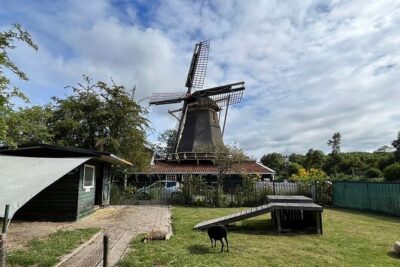
- D’Admiraal Windmill stop: the tallest wooden windmill in the Netherlands.
- Polder and flood-control lessons: why so much of the country sits below sea level.
- Traditional villages and rural farms: the Netherlands beyond canals and museums.
- Photo-friendly route: grazing animals, cultivated fields, and wide-open views.
Other rides for confident city cyclists
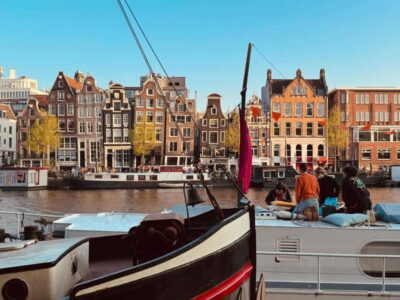
Why this Amsterdam countryside ride feels different than city cycling
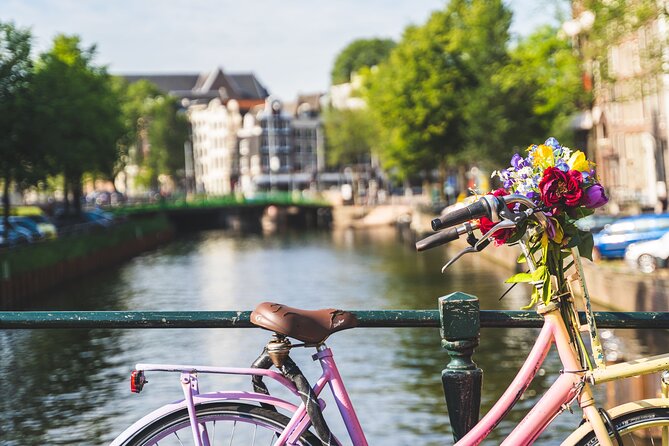
Amsterdam is famous for biking, but city biking can be intense. This tour is built to shift you from traffic energy to open-air countryside, while still using independent bike paths that feel calm and controlled.
What I like most is that the goal is not just scenery. You are watching the Dutch relationship with water, land, and farming unfold in real time. That turns a short ride into something you remember, because the countryside is not random, it is engineered.
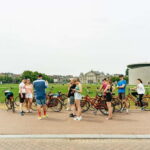
Getting started at Bikes is Ready, Nieuwezijds Voorburgwal 114
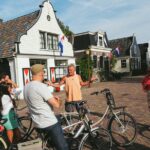
You meet your guide at the bike rental shop, Bikes is Ready, at Nieuwezijds Voorburgwal 114. The setup is straightforward, and you are not left figuring out gear on your own.
Bike rental is included for the tour, which matters for value and convenience. You avoid the hassle of renting separately, and you can focus on the route. If you want to keep riding after the tour, you can ask your guide about rates and conditions at the beginning or end of the ride.
Practical tip: wear comfortable shoes and keep your water bottle handy. The tour is only 2.5 hours, but the wind off the waterways can make you forget you are cycling.
Amsterdam Centraal to the IJ River: a quick warm-up with big water views
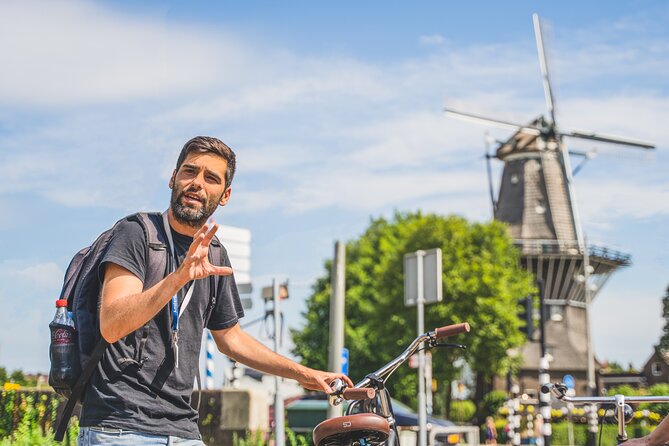
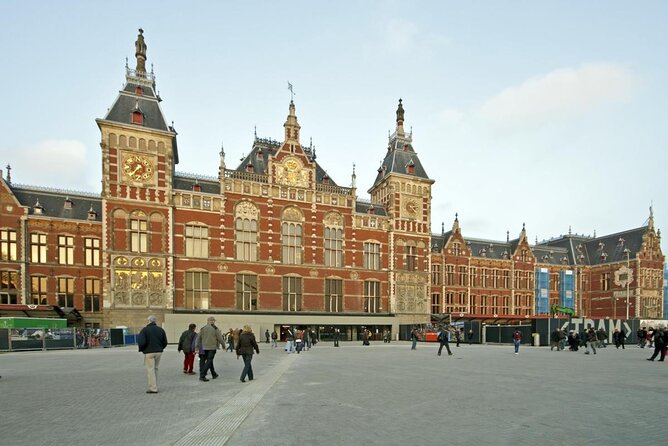
You start with a short guided introduction around Amsterdam Centraal Station (about 10 minutes). It is not a long lecture, more like getting your bearings and setting the theme: water management and how people shaped the land.
Then you move toward the IJ River for roughly 5 minutes of guided stops. This section gives you a chance to transition from city movement to a more open sense of space. Even if you are not a history buff, the water talk starts making sense quickly, because you can see how flat the terrain is.
More days among polders, villages and working windmills
- Countryside Bike Tour from Amsterdam: Cheese, Clogs & a Windmill★ 5.0 · 1,485 reviews
- Amsterdam: Windmill, Cheese, and Countryside E-Bike Tour★ 4.5 · 1,166 reviews
- Cheese, Canals & Windmill Countryside E-Bike Tour Amsterdam★ 5.0 · 501 reviews
- From Amsterdam: Keukenhof and Dutch Countryside Tour★ 4.4 · 494 reviews
Amsterdam-Noord and Noordhollandsch Kanaal: where the ride turns countryside
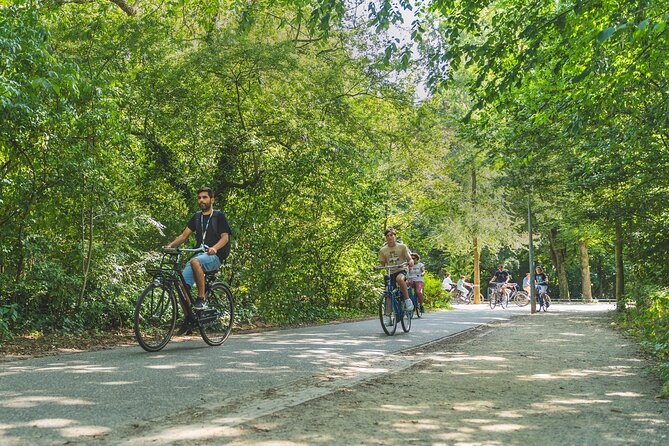
From there, the tour spends about 30 minutes in Amsterdam-Noord, with guidance along the way. Noord is a key contrast area, and it helps the route feel like a gradual escape rather than a hard jump out of the city.
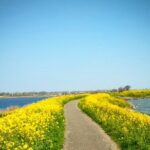
Another 30 minutes follows along the Noordhollandsch Kanaal. This is the part that feels most like “we are really out here,” because your surroundings start changing into farms, fields, and wide views. You are still in the Amsterdam region, but the air feels different, and the route is designed to be safer and quieter than the busiest urban streets.
If you enjoy photography, this is a good stretch to slow down mentally and look outward. You tend to get more long sightlines here than inside the city grid.
D’Admiraal Windmill: the tallest wooden mill you actually stop to see
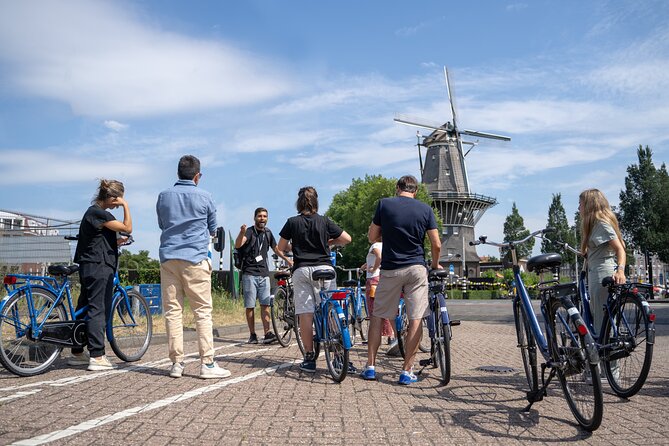
One of the clearest reasons to book this tour is the D’Admiraal Windmill stop, guided for about 15 minutes. The guide points out what makes it special: it is the tallest wooden windmill in the Netherlands.
This is also where the water-management lesson becomes concrete. Windmills in the Dutch world are not just decorative. They are part of the system that helps control water levels and keep polders functional, especially in low-lying areas.
Drawback to consider: if wind is strong, you may feel the chill during the stop. Bring a light layer even in mild weather, because open water areas can cool you down fast.
Schellingwoude and the rural rhythm: villages, farms, and photo moments
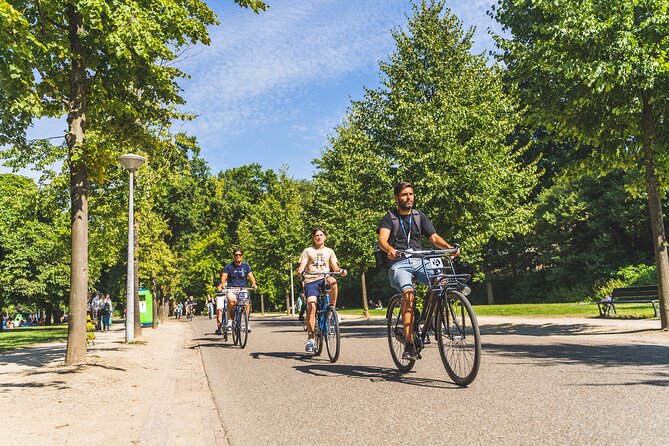
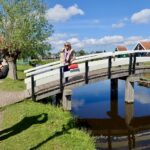
You then ride on to Schellingwoude for about 30 minutes of guided time. This section is where traditional village life and rural scenery start to feel like the main event.
You also get the kind of details that make the countryside trip educational without being heavy. The guide talks about traditional farms, scenic landscapes, and even authentic Dutch cheese production during the tour. That cheese part is small, but it helps you connect what you are seeing on the ride to how people live and work beyond the city.
In terms of visuals, this is where you might spot grazing animals and cultivated fields, plus open stretches that make it easier to frame a clean shot without traffic clutter.
Buiksloterweg and the return flow: keep an eye on bike path changes
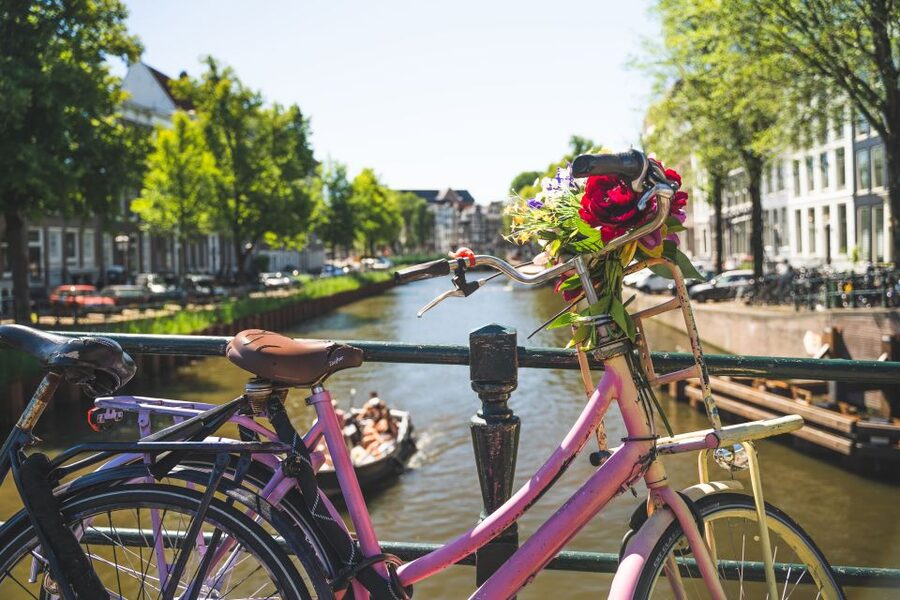
After Schellingwoude, the tour includes a short guided segment at Buiksloterweg (around 5 minutes). It is quick, but it helps you understand the route pattern as you head back toward the starting point.
The end of the ride returns you to Nieuwezijds Voorburgwal 114. By this point, you will likely feel the “how is the city already so far behind us?” effect that makes countryside tours worth it. The pace is leisurely enough for most people, but it still feels like you cycled somewhere, not just around the same blocks.
What you learn on the route, in the real-world Dutch way
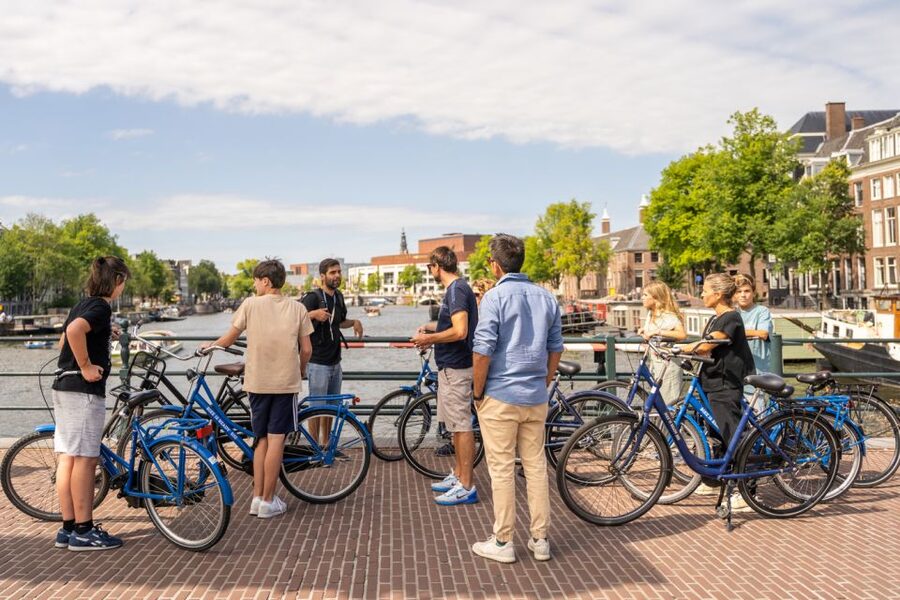
The heart of this tour is learning the Dutch approach to controlling water and flood risk. You get the big idea early: nearly a third of the Netherlands lies below sea level. That figure can sound abstract until you see flat land, waterways, and windmills in one short ride.
What I like about how the guide frames it is that it is not doom and gloom. It is practical. You learn that polders exist because people have built systems, maintained infrastructure, and used technology like wind power to manage water over time.
If you are the type who enjoys travel facts, you will likely appreciate the mix of:
- why flood control matters
- how farms and villages fit into the water system
- how windmills connect to everyday life
And if you are not into facts, the lesson still works because you can see the evidence around you.
Photos and timing: where you naturally get the best views
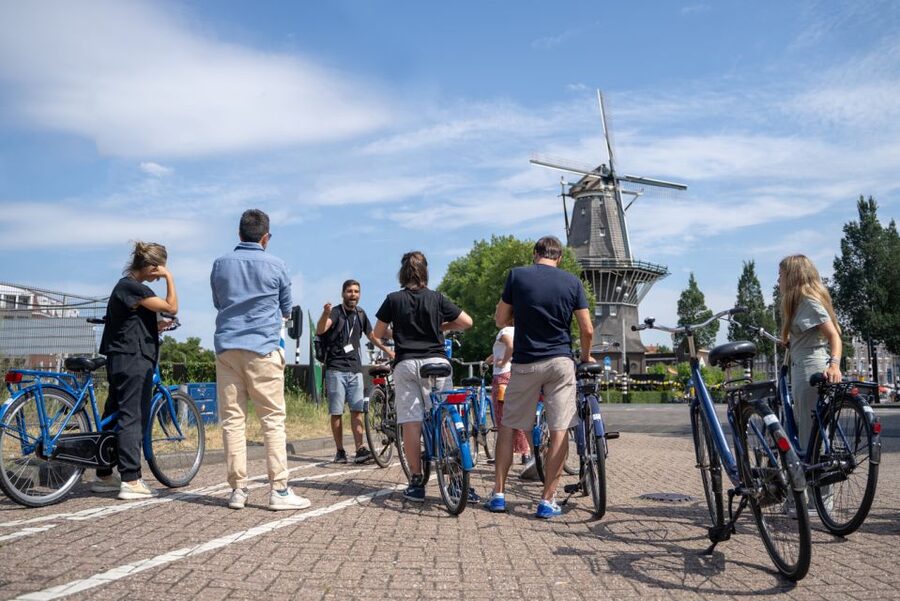
This ride is designed for scenery, so you will have chances to stop and look. You cycle past windmills, farmland, and polders, and you get guided moments at key points like D’Admiraal and the village areas.
I recommend planning for photos without turning the ride into a stopfest. Take shots when the route naturally pauses at guided stops, and keep moving the rest of the time. The countryside windows open up quickly once you leave the busy center, and you will want your energy for the later stretches.
Also, wind can change your comfort level. If it is chilly, tuck into your layer between stops.
Price and value: is $41 per person fair for 2.5 hours?
At $41 per person for a 2.5-hour small-group tour with a guide and bike rental included, this is solid value if you want a countryside experience without extra planning.
Here is how I think about the cost:
- You pay for a professional guide who coordinates the route and explains the places you pass.
- You get bike rental during the tour, so you are not stacking multiple bookings.
- You are paying for time and stress reduction, since you are not trying to piece together a safe route on your own.
Could it be cheaper? Maybe, if you rode independently. But independence comes with uncertainty, especially if you do not know which paths feel calm and which segments might feel chaotic. For many people, $41 buys peace of mind and a clearer story of what you are seeing.
Language, group size, and what that means for your comfort
The tour’s live guide is listed as Spanish, and a professional guide is available in Spanish or English, with Dutch available upon request. If you prefer English, it is worth checking your language option when you book, so you are not stuck translating in your head.
The group is small, limited to 10 participants. In practice, that means you are less likely to feel squeezed into a tight cluster of bikes, and it is easier for the guide to slow down for questions.
If you like talking with guides, this setup is a win. You get a real chance to ask things like why polder areas work the way they do, or what you are looking at when you see windmills and farmland.
Who should book this tour, and who should skip it
This is a good fit if you want a countryside escape from Amsterdam and you enjoy biking. It is especially suitable for:
- nature lovers who want open-air views without a full day trip
- photographers who want countryside frames like windmills, fields, and villages
- families, with the note that child participation needs checking, because it is not suitable for children under 12
- anyone who wants a safer-feeling route away from the busiest streets
It may not be the right fit if:
- you have back problems
- you are not confident riding a bike, or you have not cycled recently
- you want a tour that is mostly walk-and-look, because this is designed around cycling
My advice is simple: if biking feels even slightly uncomfortable today, choose something else. A bike tour should feel like freedom, not a workout you did not plan.
A practical note on keeping your bike after the tour
One nice perk is that at the end of the tour you can keep your bike for as long as you like. You just ask your guide about rates and conditions at the beginning or end of the ride.
This can help if you want to extend the day beyond the guided route. You might also like the flexibility if you want to return at your own pace rather than immediately switching modes of transport.
Should you book this Amsterdam countryside bike tour?
I would book it if your dream Amsterdam day includes windmills, polders, and rural village scenery with an actual explanation of how the Dutch manage water. It is short enough to fit into a packed schedule, but it feels meaningful because the route takes you beyond the postcard-only city zones.
I would skip it if you are unsure on a bicycle, have mobility or back concerns, or want a fully effortless sightseeing day. The tour is meant to be safe, but it still requires real cycling comfort.
If you do book, show up ready to ride, bring a layer for wind, and take the guide up on questions. The best part of this kind of trip is when you stop seeing scenery as random and start seeing it as a system you understand.
More Tour Reviews in Amsterdam

Beyond the Ring into the Dutch Countryside
Amsterdam on Two Wheels

Newly reviewed around Amsterdam


Dutch Countryside Tours, side by side.
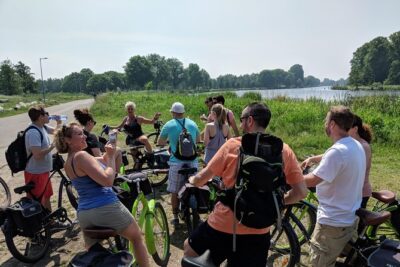 ★ 5.0Countryside Bike Tour from Amsterdam: Cheese, Clogs & a WindmillFrom $591,485 reviews
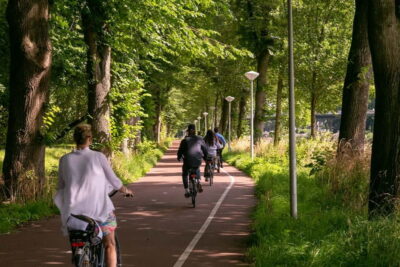 ★ 4.5Windmill, Cheese, and Countryside E-Bike TourFrom $431,166 reviews
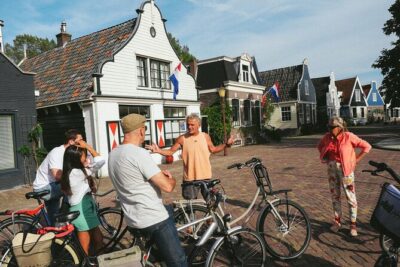 ★ 5.0Cheese, Canals & Windmill Countryside E-Bike Tour AmsterdamFrom $87501 reviews
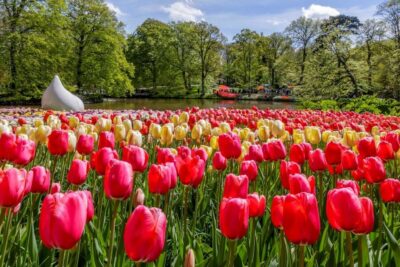 ★ 4.4From Amsterdam: Keukenhof and Dutch Countryside Tour494 reviews
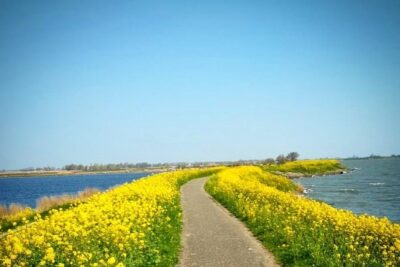 ★ 5.0Amsterdam’s Countryside Half-Day Bike Tour in Small GroupFrom $48460 reviews
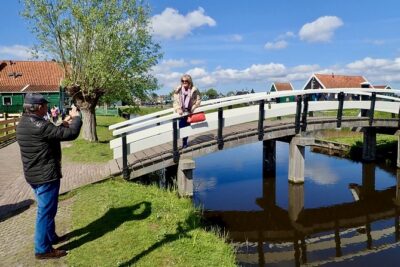 ★ 5.0Amsterdam private tour to windmills, cheese farm and villagesFrom $362262 reviews
Amsterdam Cheese, Windmill & Countryside Bike Tour /E-bike OptionFrom $47223 reviews
★ 5.0Amsterdam private tour to windmills, cheese farm and villagesFrom $362262 reviews
Amsterdam Cheese, Windmill & Countryside Bike Tour /E-bike OptionFrom $47223 reviews
 ★ 5.0Amsterdam Countryside Bike and Kayak TourFrom $83215 reviews
More ways to plan this visit