
Cheese, windmills, and bike lanes, in one outing. This 3-hour Amsterdam North ride mixes city history with green villages, a chalk mill stop, and a farm tasting, with an e-bike option if you want less effort.
I especially like how the route stays mostly calm and flat once you’re out of the center. You also get a real break at a working dairy farm, with chances to meet lambs and cows and then sample fresh sheep and cow cheese plus soda.
One thing to consider: it’s not a good fit if you’ve never ridden a bike, and the start can feel a bit intense because you’re rolling through Amsterdam’s busiest bike lanes before the countryside quiets down.
Key highlights to know before you go
- E-bike option helps a lot if you have shorter legs or want to conserve energy for photos
- Mostly flat riding, but group pace matters when you hit intersections
- Krijtmolen d’Admiraal windmill stop gives you a taste of older Dutch milling, not a full windmill village
- Dikhoeve Kaas farm break includes cheese tasting and time around the animals
- IJ ferry ride is a relaxing reset with classic waterfront views
- Guide style really shapes the experience, and names like Skip, Ron, Santiago, and Thys show up in many top reviews
Other rides for confident city cyclists
What this Amsterdam Cheese and Windmill bike tour does well
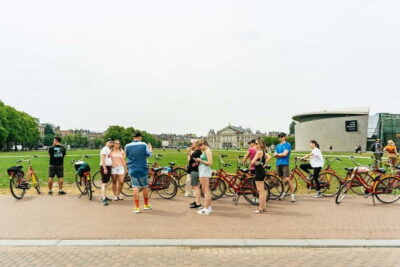
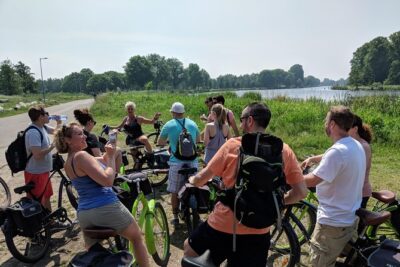
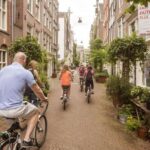
If you’ve only seen Amsterdam from the canal-side, this tour gives you a second, more rural angle. You still start in the city and get that classic Central Station arrival vibe, but then you push north into farmland, dikes, and small villages where bicycles feel like the main transportation, not a side show.
I like that it’s built for variety. You’re not doing one long, repetitive loop. You’re hopping between a few distinct “types” of scenery, plus you get a break that’s actually part of the theme: fresh cheese at a working farm.
You also get a practical bike setup. The tour uses a comfortable 3-speed bike with handbrakes, and the ride is designed to be approachable for most people who can ride competently. If you’re the type who likes having a plan, but still wants room for side stops and photos, this format works.
Price and time value: what you get for about $47.78
At $47.78 per person for about 3 hours, the value comes from the package deal. You’re paying for more than “someone walked me to a windmill.” You’re getting:
- a guided ride through multiple neighborhoods and countryside areas
- an included farm stop with cheese tasting plus soda
- a bike that’s set up for easier pedaling than a basic fixed gear rental
- a round-trip ferry crossing over the IJ River as part of the route
That combination is why people book this trip in advance. You get city context, countryside scenery, and a food stop without needing tickets for most of the viewpoints. The one place where you do feel “tour energy” is the farm, but that stop is still short enough that the ride stays the main event.
If you’re debating whether to upgrade to the e-bike, think in terms of enjoyment, not toughness. If you’d rather spend your energy watching villages slide by and getting good photo angles instead of grinding uphill power, the e-bike makes the whole thing smoother.
Where you start in Amsterdam, and why the first miles matter
You meet at Nieuwezijds Voorburgwal 101, 1012 HG Amsterdam, and the tour ends back at the meeting point. That matters because you’re not ending somewhere far away with a complicated commute back.
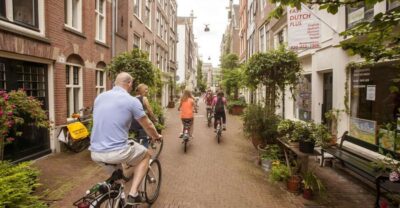
Also, plan for a transition moment. Reviews and real-world bike logic agree on this: the first stretch in Amsterdam bike traffic can feel intimidating for people who are not used to how fast and how confident locals ride. The good news is that once you get out of the busier center zones, the route becomes calmer and more scenic.
My advice: treat those first streets like a warm-up. Keep your eyes up, don’t force speed, and let the guide set the rhythm. If you’re nervous, an e-bike can help you stay relaxed and in control.
More windmill routes with useful time on site
- Amsterdam: Zaanse Schans, Edam, Volendam & Marken Bus Tour★ 4.6 · 15,034 reviews
- Day Trip to Zaanse Schans, Edam, Volendam and Marken from Amsterdam★ 5.0 · 5,392 reviews
- Amsterdam: Guided Zaanse Schans, Windmills & Cheese Tour★ 4.4 · 4,826 reviews
- Windmill Tour from Amsterdam, Including Volendam & Marken★ 4.0 · 4,572 reviews
How hard is the ride really, and who should choose a bike
The ride is described as suitable for most travelers aged 12 and older, but the not-so-secret truth is that comfort depends on your cycling comfort, not your age. One reviewer flagged that the route is about 22 km, roughly 14 miles, and that a moderately fit level helps. Another mentioned the ride is mainly flat but still requires pedaling enough that unprepared people can feel it.
Here’s how to judge your fit:
- If you can comfortably ride 30 to 60 minutes on a flat route, you’ll probably be fine with the pacing.
- If you’re unsure, tired easily, or you’re returning from a trip where you didn’t ride much, choose the e-bike.
- If you’ve never ridden a bike, skip this one. The tour specifically says it’s not recommended for brand-new cyclists.
One more practical note from a review: the bikes don’t have mirrors, so you can’t rely on quick glances behind you. That makes your job more about staying aware of the group, and less about checking your blind spot with a mirror.
Stop by stop: the Amsterdam Centraal start that sets context
You begin near Amsterdam Centraal, a station opened in 1889 and designed by Pierre Cuypers, who also shaped the look of the Rijksmuseum. It’s a strong way to start because it reminds you Amsterdam wasn’t always a postcard city. It was built on engineering and water-based trade.
Even if you don’t spend time inside the station, the point is atmosphere. The grand layout over wooden pilings is the sort of detail that makes the rest of the day feel more intentional. You’ll understand why the water and the infrastructure matter when you later cross the IJ and ride through polder areas.
This stop is quick, and that’s on purpose. You’re not turning the tour into a museum morning. You’re using this landmark as a springboard out of the city.
Noorderpark, then north neighborhoods: a calm breather in the middle of the day
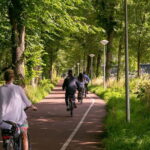
After the city start, you ride through Noorderpark, a green space right in Amsterdam North. The benefit here is mental. You get a chance to switch from “city navigation mode” to “scenery mode,” and it’s a good moment to take a breath before the day’s more rural parts start showing up.
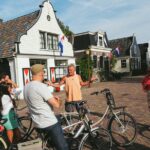
Then the route continues toward traditional village areas, with scenic streets and canal-side views. You also get the rhythm of cycling in the Netherlands at human speed: stop, move, look, roll on.
One review nailed the feeling: city energy at first, then a calmer ride once you’re out. That’s exactly what this stop helps with.
Krijtmolen d’Admiraal: the windmill you’re actually here for
Windmills are the headline for many visitors, and this tour delivers one named stop: Krijtmolen d’Admiraal, a chalk mill dating to 1792. The mill mattered because it ground shells and limestone used for paints and building materials.
A quick reality check though, based on the overall experience: this is not a multi-windmill scavenger hunt. More than one comment points out there’s only one windmill stop. If you’re expecting a full windmill-heavy countryside route, you might feel a little shortchanged.
Still, I think the stop works if you treat it as a symbol stop. You’re not just ticking off a photo. You’re connecting Dutch countryside life to how buildings and materials were made, and that context pairs well with the farm visit later.
Ransdorp, Waterland, and Nieuwendammerdijk: the parts that feel truly Dutch
This is where the tour turns into a countryside day. You cycle through areas like Ransdorp and Waterland, where you’ll see:
- quiet village streets and a traditional church tower view (in Ransdorp)
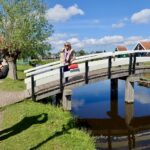
- polder landscapes with winding paths and canals (in Waterland)
- a historic dike lined with quaint houses and wide IJ River views (at Nieuwendammerdijk)
These stops are short, but they’re timed well. You’re getting glimpses, then moving on before the day drifts into “just riding” without meaning. And because the route is mostly flat, you can actually look around instead of constantly managing effort.
One detail to keep in mind: once you’re in farm country, you may notice smells. That’s normal. It’s part of being close to working agriculture, and it’s also part of why the countryside feels real instead of staged.
Dikhoeve Kaas farm visit: animals, cheese, and that needed warm-up break
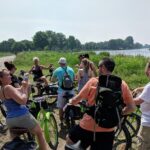
The farm stop is the theme in action. You’ll meet cows, sheep, and baby lambs, then sample fresh sheep and cow cheese made on-site. This part is about 30 minutes, and it includes snacks, plus soda.
Most people love the farm because it’s a straightforward “locals live like this” moment. You’re not just standing outside looking at a building. You’re inside a working setting where the animals are part of daily life.
However, balance matters. One negative review said the farm introduction felt light and that the cheese tasting felt under-delivered. Another mentioned the farm visit could feel disappointing if you’re expecting more explanation and interaction.
So here’s the expectation that will keep you happiest: show up hungry, be ready for a short tasting and animal viewing, and don’t assume there will be a long narrative tour of the farm itself. The strength is in the simple, hands-on feeling and the freshness of the cheese.
The IJ ferry ride: why this part works even if it’s short
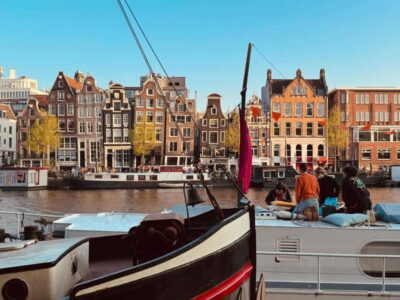
After the farm and village riding, you cross the IJ River by ferry, both ways, and you get the payoff view of Amsterdam from the water angle. This is one of those moments where even a short segment feels like a full break because you’re not pedaling.
It also works as stress management. You’re coming out of city cycling fatigue, and suddenly the day gets lighter. You can stand or sit, take photos, and reset your focus for the final return ride.
The IJ matters historically too, since it has been tied to trade connecting the city toward the sea since medieval times. You feel that history without turning it into a lecture.
Guides: the real reason people rate this so high
In the best versions of this tour, your guide is the difference between “nice ride” and “I’m glad I booked this.”
Many of the strongest comments mention Skip for friendly energy and a solid history overview. Ron also shows up with an emphasis on patience and keeping the pace relaxed. You’ll also see names like Santiago, Thys, Victor, and Norberto in top reviews, each praised for making the route feel organized and fun.
What stands out across these guides:
- they keep the group together for transitions
- they explain what you’re seeing, so stops have meaning
- they help the ride feel safe and comfortable, especially at intersections
Now, the balanced note. Some reviews raised safety and organization concerns, especially when there was only one guide managing the front with a larger group. If you’re a slower rider, or if you worry about keeping up in bike lane complexity, pick an e-bike and communicate early. The more comfortable you feel, the more you’ll enjoy the day.
Safety and comfort tips for Amsterdam bike lanes
Amsterdam bike lanes can be logical, but they can also be intense for outsiders. Here are practical moves that fit what the tour needs:
- Start slow through the city. Give yourself a minute to sync with the flow before you try to match others.
- Watch intersections and crossings. This is where groups compress and where abrupt slowing can happen.
- Keep your eyes up, not just down at your chain.
- Don’t assume you can check behind you. One review noted there are no mirrors on the bikes, so stay aware through position and spacing.
- Use the bike’s 3-speed gears. Even on a flat route, gearing helps you avoid wasting energy.
- Consider the e-bike if you’re worried about endurance. More than one comment points out that pedaling can become painful for people who aren’t used to it, even if the terrain isn’t steep.
If you feel any uncertainty during the first part of the ride, it’s worth leaning on the guide. That’s what they’re there for.
Weather reality: why ponchos and patience matter
This tour depends on weather. Rain can turn any bike ride into a cold test of motivation. But when the weather turns, you’re not totally on your own. One review mentioned ponchos were provided and appreciated.
If it’s chilly, the farm stop becomes more than a snack break. It’s a warm-up moment in real air, with animals and indoor-feeling time. If it’s sunny, you’ll want layers that let you cool down fast, because you’ll ride hard enough to change your temperature.
Should you book this Amsterdam countryside bike tour?
Book it if you want a focused half-day that shows Amsterdam beyond the central canals. You’ll like it most if you:
- can ride a bike confidently, and you want a guided route
- enjoy flat cycling with frequent stops for photos and small sights
- want a real food highlight, not a quick snack stop
- like the idea of ending with a ferry ride over the IJ
Think twice if:
- you’ve never ridden a bike
- you expect multiple windmill stops like a full windmill circuit
- you’re hoping for a long, deep farm tour with lots of staff explanation, since the farm time is short
If you fall into the “I want it easy” group, the best move is to choose the e-bike option. It’s not about giving up effort. It’s about making sure the ride stays fun from start to finish.
Beyond the Ring into the Dutch Countryside


Windmills and Workshops at Zaanse Schans
- Zaanse Schans Windmills, Clogs and Dutch Cheese Small-Group Tour from Amsterdam
★ 4.5 · 2,369 reviews



Amsterdam on Two Wheels

Newly reviewed around Amsterdam




Zaanse Schans & Windmill Tours, side by side.
 ★ 4.4From Amsterdam: Zaanse Schans, Volendam, and Marken Day TripFrom $4315,931 reviews
 ★ 4.6Zaanse Schans, Edam, Volendam & Marken Bus TourFrom $3215,034 reviews
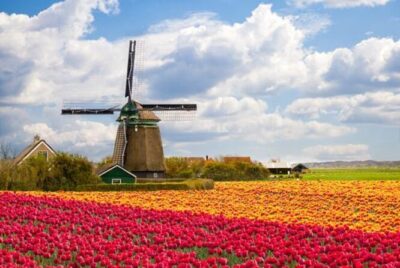 ★ 5.0Day Trip to Zaanse Schans, Edam, Volendam and Marken from AmsterdamFrom $455,392 reviews
 ★ 4.4Guided Zaanse Schans, Windmills & Cheese TourFrom $224,826 reviews
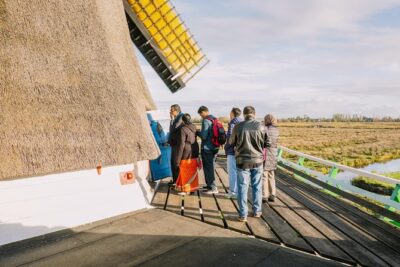 ★ 4.0Windmill Tour from Amsterdam, Including Volendam & MarkenFrom $374,572 reviews
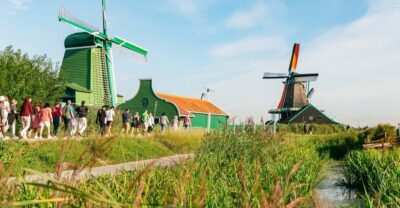 ★ 4.8From Amsterdam: Zaanse Schans, Edam, & Marken Full-Day TripFrom $353,414 reviews
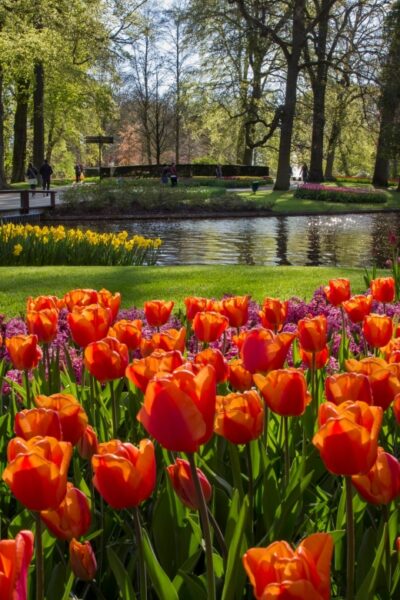 ★ 4.5Tour to Keukenhof Gardens with Windmill CruiseFrom $642,819 reviews
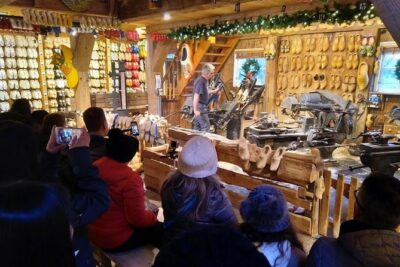 ★ 4.5Zaanse Schans Windmills, Clogs and Dutch Cheese Small-Group Tour from AmsterdamFrom $512,369 reviews
More ways to plan this visit