
REVIEW · TOURS
Alternative Tour Amsterdam | Drugs Story, Street Art & More
Amsterdam has a second face, if you look closer. This small-group Alternative Tour uses Dam Square, the Jordaan, and quick stops at key landmarks to unpack the city’s attitudes toward drugs, sex work policy, and LGBTQ history, in plain language. I like how it mixes big-icon sights with street-level storytelling, and I also appreciate the tight group size of up to 10, so questions stay real and not rushed. One thing to consider is the focus on mature themes, including prostitution and soft drugs policy, so it’s best with adults or teens under guardian supervision.
You’ll start at the National Monument on Dam Square at 1:30 pm and walk everything with a guide in English. You’ll get a quick look at the Royal Palace area and then head into neighborhoods where Amsterdam’s everyday culture shows up in shop fronts, canals, and walls. The possible drawback is that the tour does not include entry into the Red Light District, so if you’re expecting to cross the threshold of that area, you’ll need to plan something else separately.
Key Points You’ll Feel on the Walk
- Dam Square in 5 minutes, anchored by the National Monument, then you end right where you started.
- Royal Palace context without a long visit, with a tip to book afterward if you want interior access.
- Jordaan for 1 hour, with street-level stories about artists, workers, and resistance.
- Gay Monument stop, marking LGBTQ persecution and how Amsterdam changed over time.
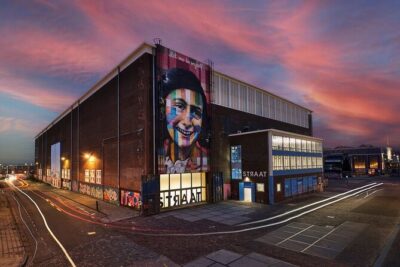
- Street art, graffiti, and houseboats, with plenty to see even without museum time.
- Red Light District topic, but no entry, due to tour restrictions, so you learn the policy and backstory instead.
Worth comparing with this Amsterdam choice:
Why This Amsterdam Alternative Tour Feels Different
If you only do the classic Amsterdam loop, you’ll miss the city’s arguments with itself. This tour is built for that missing piece. You still hit major landmarks like Dam Square and the Royal Palace area, but the point is what the guide connects between them: how Amsterdam became Amsterdam, especially the parts tied to counterculture and civil rights.
The best value here is the way the tour keeps a tight arc. You start at a central civic place, then you shift into streets where daily life is close to the ground. Along the way, the guide talks about soft drugs policy and the realities behind sex work in a way that tours often avoid, or skip with a wink. The result is a walk that gives you words and context for what you’re already seeing around you.
And the small group matters more than you might think. With up to 10 people, the guide can respond to questions as you go. That turns the tour from a lecture into a real conversation, which is exactly what helps topics like LGBTQ history and policy debates land well instead of feeling random or heavy.
Price and Time: The Math That Makes This a Smart Slot
At $3.60 per person for about 2 hours, this is not a “one-and-done” splurge. It’s the kind of low-cost experience you slot in early to get your bearings, and it can also work as a second tour day idea if you want something different from museums.
Because the duration is roughly 2 hours and the walking is the main format, you should treat this like a neighborhood and storytelling session, not a long sightseeing day. Bring water, since food and drinks are not included. And plan for a comfortable shoe day. The stops are short at Dam Square and the Royal Palace, but you spend meaningful time in Jordaan and on street art viewing.
If you’re traveling with a teen, the tour description is clear: mature themes are part of the package, so it’s a better fit when you can discuss it responsibly with your group.
Stop 1: Dam Square and the National Monument Start
The tour begins at National Monument on Dam Square, near where Amsterdam developed. This is a smart choice for orientation. You’re standing in the center of gravity of the city, and the guide can frame what kind of city Amsterdam is before you start moving.
This first stop lasts about 5 minutes, and the ticket is free. In other words, you’re not stuck in a formal viewing. You’re getting context fast, then you’re out walking. If you’ve been in Amsterdam for only a day, this start helps you understand the layout right away, and it makes the later stops feel connected instead of scattered.
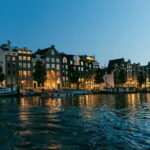
- Amsterdam Classic Saloon Boat Cruise with Drinks and Cheese★ 5.0 · 31,825 reviews
- Amsterdam Luxury Canal Cruise + Unlimited Drinks & Bites option★ 5.0 · 30,518 reviews
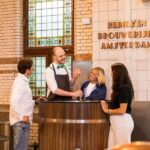
- Amsterdam: Heineken Experience Ticket★ 4.6 · 30,055 reviews
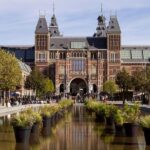
- Amsterdam: Rijksmuseum Entry Ticket★ 4.7 · 25,535 reviews
Stop 2: Royal Palace Area, a Quick Hit With a Useful Next Step
At about 5 minutes, the tour brings you to Royal Palace Amsterdam. The palace matters not just for its looks, but for what it originally was: a town hall. The guide also frames it as one of the Netherlands’ most culturally significant buildings.
Here’s the practical part I like: the tour doesn’t pretend this is a full palace visit. It’s more like a waypoint. Afterward, you’re encouraged to visit on your own and to book through the Royal Palace website if you want interior access. That’s a good model because it keeps your tour time focused on street-level themes, while still pointing you toward a bigger optional plan.
If you hate wasted time, this stop is exactly your speed. If you love architecture tours with long stops and detailed interiors, you’ll probably want a separate ticket later.
Stop 3: The Jordaan Walk for Street-Level Stories
The tour’s longest neighborhood moment is the Jordaan, about 1 hour. This is where you get the feel of Amsterdam that most first-time itineraries gloss over. The walk takes you along narrow streets and past the kinds of places that shape day-to-day life: cozy cafes, art studios, and independent boutiques.
What makes this stop worth your time is the guide’s emphasis on people and pressure points, not just prettiness. You’ll hear about rebellious artists, working-class heroes, and the struggles of earlier eras. That angle helps you see Jordaan as more than a pretty district. You start to understand why certain attitudes and movements appeared where they did.
A small caution: since this is a walking neighborhood, it’s not the stop for total downtime. If you need frequent sit breaks, plan to build that in on your own before and after the tour.
Stop 4: Gay Monument and the Real Story Behind Progress
Next comes the Gay Monument, about 10 minutes. Amsterdam gets labeled as liberal, but the guide makes sure you don’t treat that as automatic or simple. This stop is about remembering LGBTQ people who were persecuted because of gender or sexual preference.
This matters because it changes how you read the city. If you only see Pride-season signage and modern inclusivity, you miss how long change took, and how people fought for it. A short monument stop can still carry weight when the guide gives you the human stakes behind the history.
It’s also a decent pacing reset before the tour moves back into the street-view mode.
Stop 5: Street Art, Graffiti, Houseboats, and the City’s Conversations
Then you shift to various locations showing street art, graffiti, and houseboats. This part runs about 40 minutes. The exact spots can vary, but the themes are consistent: you’re watching Amsterdam talk back to itself through walls, water-side views, and the visual culture that happens outside museum walls.
I like this stretch because it’s not just about admiring. The guide connects what you’re seeing to counterculture. Street art often responds to politics, identity, and city life. When you know that, even a quick glance becomes more meaningful. You’ll likely walk away noticing details you would normally skip, like the way artwork sits in relation to buildings, canal edges, and the everyday rhythm of neighborhoods.
If you’re the type who takes a lot of photos, this is where you’ll want your phone battery topped up. There are enough visuals here to keep you busy without turning the tour into a constant stop-start.
Talking About the Red Light District Without Entering It
One of the biggest “expectations vs reality” points is the Red Light District. As of 2020, tour operators are not allowed inside. This tour follows that rule, so you will not enter.
But the tour does cover the subject and relevant backstory, which is the key difference. You’re not being asked to pretend the area doesn’t exist, and you’re not only getting sensational headlines. Instead, you’re getting context about how the city approaches policy and how Amsterdam’s attitudes got shaped.
This approach is useful for two reasons. First, you learn the topic as part of a broader civic story rather than a detached photo-op. Second, you keep the tour moving through streets where you can still see street life and art, instead of spending time in a restricted area with rules and crowds.
What You Get With the Guide (and Why It Matters)
Included in the price:
- An English-speaking guide
- An educational dive into the city’s counterculture (the guide keeps it structured)
- Engaging storytelling by a licensed guide
That combination is the difference between a basic walk and something that adds meaning. The stops are free-entry and mostly short, so the value is in how the guide stitches them together. You’re paying for interpretation: how the guide explains what you’re seeing, why it happened, and how Amsterdam debates itself.
Also note: the meeting point is near public transportation, and the tour is built around walking everything. That’s a practical setup if you’re already sightseeing on foot during your day.
Who This Tour Suits Best, and Who Should Skip It
This is best for adults or teens with a guardian, because the themes include prostitution and soft drugs policy. If that’s comfortable for your group, you’ll likely appreciate the honesty and the fact the tour doesn’t treat these topics as taboo or as tabloid entertainment.
It can also work well if you’re the kind of traveler who likes understanding the “why” behind what you see. If you prefer only light, surface-level sightseeing with no policy talk, you may find parts of this tour a bit too direct.
On the physical side, it’s doable for most people since it’s a walking tour with a short, capped group. If you arrive late, you can’t catch up with the group, and you’ll need to book another time slot, so plan to get there a few minutes early.
Walking Plan: How to Make the Most of 2 Hours
Because the tour is about 2 hours, you should treat it as a scheduled reset in your day. Wear comfortable shoes. Bring water. And keep your expectations aligned with the stop lengths.
A quick rhythm is part of the design:
- 5 minutes at Dam Square
- 5 minutes at Royal Palace area
- 1 hour in Jordaan
- 10 minutes at Gay Monument
- 40 minutes of street art and canal-area sights
That’s a lot of moving, but it’s also a nice balance between landmark anchors and neighborhood atmosphere.
If you’re planning follow-on activities, consider building time for the Royal Palace visit afterward if you want interior access. Since the tour points you there, it’s smart to keep your schedule flexible.
Practical Notes: Tickets, Group Size, and Mobility
This tour uses a mobile ticket, which is convenient if you prefer not to manage paper vouchers. The group is capped at 10 travelers, which keeps it intimate and helps the guide maintain a conversation rather than a megaphone routine.
Service animals are allowed, and the meeting point is close to public transportation. The tour itself is walking-focused, so think about your own comfort level with time on your feet.
Should You Book Alternative Tour Amsterdam?
Book it if you want Amsterdam beyond the postcard. You’ll get Dam Square orientation, a quick landmark contrast at the Royal Palace, an actual neighborhood walk in the Jordaan, a meaningful stop at the Gay Monument, and a street art and houseboat segment that adds visual context. The mature themes are handled as education and backstory, not as shock value, and the low price helps you justify doing this even if you’re on a budget.
Skip it if you’re looking for a purely family-friendly, light sightseeing walk with no discussion of prostitution or drug policy. Also skip if you specifically want to enter the Red Light District. This tour does not do that. It covers the topic from the outside with policy context.
If you want a solid “why this city thinks the way it does” experience, this is an easy yes.
FAQ
How long is the Alternative Tour Amsterdam experience?
It runs for about 2 hours.
What is the meeting point and where does the tour end?
The tour starts at National Monument Dam, 1012 JS Amsterdam, Netherlands and ends back at the meeting point.
What time does the tour start?
The start time listed is 1:30 pm.
What is the price per person?
The price is $3.60 per person.
Is this tour offered in English?
Yes. It is offered in English.
How big is the group?
The tour has a maximum of 10 travelers.
Are tickets required for the stops?
Dam Square and the Royal Palace stop are listed as free. You also need a mobile ticket for the tour itself.
Does the tour enter the Red Light District?
No. The tour does not include entry into the Red Light District because tour groups are restricted from entering, but it does cover the subject and relevant backstory.
What should I bring?
Bring water, since food and beverages are not included.
Is the tour suitable for teenagers?
It is recommended for adults, and for teenagers under guardian supervision, since topics include prostitution and soft drugs policy.
What is the cancellation policy?
You can cancel for a full refund up to 24 hours before the experience starts.
More Street Art in Amsterdam


More Tours in Amsterdam






More Tour Reviews in Amsterdam



Newly reviewed around Amsterdam


Tours, side by side.
 ★ 4.6Zaanse Schans, Edam, Volendam & Marken Bus TourFrom $3215,034 reviews
 ★ 5.0Anne Frank’s Story – Guided Walking Tour through AmsterdamFrom $3911,619 reviews
 ★ 4.8Life of Anne Frank and World War II Walking TourFrom $3710,467 reviews
 ★ 4.6Johan Cruijff ArenA Tour with Optional GuideFrom $328,954 reviews
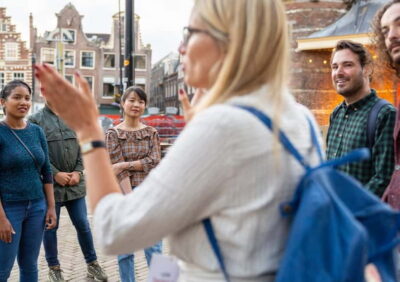 ★ 4.9Red Light District Tour in German/English/ItalianFrom $285,623 reviews
 ★ 4.4Guided Zaanse Schans, Windmills & Cheese TourFrom $224,826 reviews
 ★ 4.0Windmill Tour from Amsterdam, Including Volendam & MarkenFrom $374,572 reviews
 ★ 4.7Guided Bike Tour City Centre in EN/DE/FR/ESFrom $414,187 reviews