
REVIEW · WORKSHOPS
Kintsugi Workshop “The art of Imperfection”
Gold turns damage into art. In Amsterdam, this Kintsugi workshop teaches you how golden leaf glue brings life to cracked pottery, with a calm, step-by-step ritual inspired by wabi-sabi.
I like that it is truly hands-on from minute one: you symbolically break a plate, then work patiently as the shards come back together. I also like the small group size (up to six), so the guide, Annelies, can slow down and check your technique. The main consideration is that it is not suitable for children under 10, and you do need a moderate physical fitness level to sit and work comfortably for about two hours.
Key Things to Know Before You Go
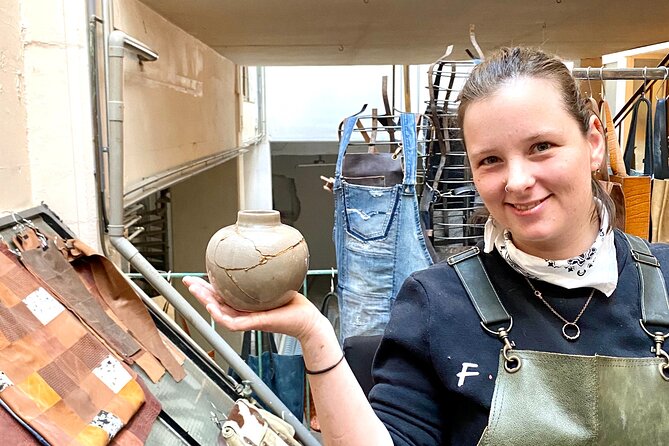
- Up to 6 people, real coaching so you are not rushed through a delicate craft
- Symbolic plate break that starts the mindset, not just the art project
- Wabi-sabi approach where imperfections are part of the beauty, not a problem to hide
- All materials included so you can show up empty-handed and still do the full process
- English instruction with a guide who explains clearly and welcomes questions
- Wednesday 2:00 PM to 4:00 PM timing, and it books up fast (often about 90 days ahead)
More Amsterdam things to make, taste and take home
A 2-Hour Kintsugi Workshop in Central Amsterdam
If you want an activity that is creative but still grounded, this is a great fit. The session runs about two hours and ends back at the meeting point, Paleisstraat 107 in Amsterdam (1012 ZL). It is scheduled on Wednesdays from 2:00 PM to 4:00 PM during the listed winter periods, so plan around that weekly rhythm.
The format matters for comfort and results. With a maximum of six travelers, you get more individual attention while working with tiny, careful steps. That also makes the workshop feel less like a class and more like a shared craft time.
You should also note the practical side: it is offered in English, confirmation comes at booking, and there is a mobile ticket. It is near public transportation, and service animals are allowed. The provider asks for a moderate physical fitness level, which usually means you should be able to sit, handle materials, and focus for the full session without needing frequent breaks.
Finding Paleisstraat 107 and Getting Settled
Your workshop starts at Paleisstraat 107, and you return there when it ends. If you like smooth starts, arrive a little early so you can get settled and ready before tools and materials come out.
You do not need to guess what to bring, because all materials are provided. That’s a big deal for value, especially in a city like Amsterdam where flights of crafty extras can quietly add up. The only thing to remember is your own comfort level, since this is a hands-on activity designed to keep you engaged for about two hours.
Also, coffee and tea are not included. If you are pairing this with another outing that day, build in time for a drink nearby. You will likely want a clear head when you start focusing on precise, small steps.
The Wabi-Sabi Lesson Behind Kintsugi
Kintsugi is often described as the Japanese art of restoring cracked pottery, and that is the practical side. The deeper part is the philosophy: instead of hiding damage, you highlight it. Traditionally linked to the 15th century, Kintsugi turns fractures into intricate lines with golden accents.
In this workshop, the focus is the full message, not just the craft. You learn how the repair is done with golden leaf glue, then you carry that idea with you. It lines up with contemporary design values too: natural materials, visible craftsmanship, and a respect for things that are not perfect.
I like that the tone is intentionally serene from the start. This is not a rushed paint-and-go activity. You are guided into a mindset where care, patience, and acceptance are part of the process, and those skills spill over into daily life in a very real way.
- Amsterdam Classic Saloon Boat Cruise with Drinks and Cheese★ 5.0 · 31,825 reviews
- Amsterdam Luxury Canal Cruise + Unlimited Drinks & Bites option★ 5.0 · 30,518 reviews
- Amsterdam: Heineken Experience Ticket★ 4.6 · 30,055 reviews
- Amsterdam: Rijksmuseum Entry Ticket★ 4.7 · 25,535 reviews
The Plate Break Ritual That Changes the Mood
One of the most memorable moments is symbolic: you break a plate as part of the workshop. That sounds dramatic until you see why it is done. The point is to mark a fresh start, not to destroy your own personal item.
Using a plate provided for the activity keeps the experience accessible and takes pressure off you. It also fits the philosophy, because you are practicing how to respond to damage with intention. In other words, you are learning the mindset of Kintsugi while doing the physical steps.
This is also where the guide’s role becomes important. Annelies comes across as welcoming and calm, which helps when the session asks you to do something that feels unusual at first. If you tend to be self-conscious about making mistakes, this part is actually reassuring, because you are doing it within a structured, supportive flow.
Reassembling Shards With Patience and Control
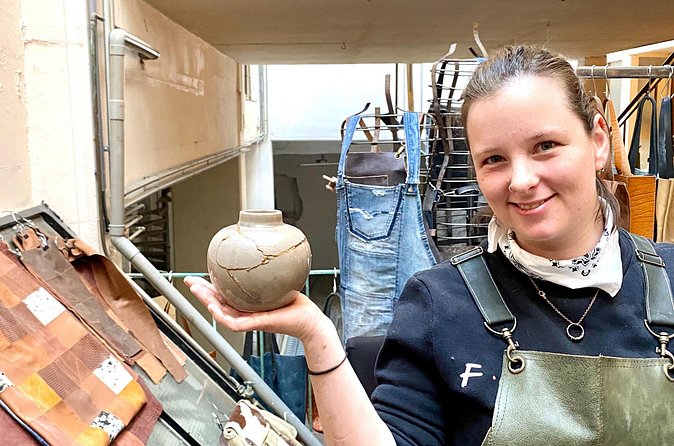
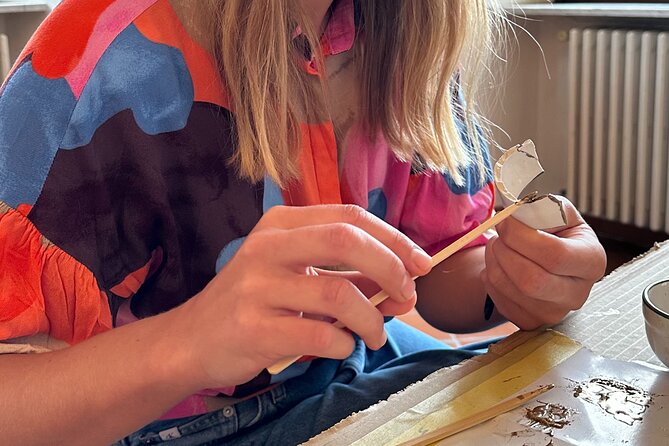
After the break, the workshop shifts into careful reconstruction. You reassemble shards patiently, piece by piece, while you understand what makes Kintsugi different from a standard glue repair.
This part is where motor skills and concentration get used in a satisfying way. You are not just following instructions, you are paying attention to alignment and placement. It is surprisingly calming, too, because the work is slow enough that you cannot multitask.
And because the group is small, you are not stuck waiting for help. When you are working with delicate pieces and fine details, quick, human feedback matters. In a larger class, you might feel awkward. Here, the format is built for thoughtful pacing.
If you have always wanted a craft activity that feels both mindful and technical, this section is the sweet spot. You are practicing careful handling, steady hands, and a willingness to take your time.
Golden Leaf Glue and the Beauty of Visible Imperfection
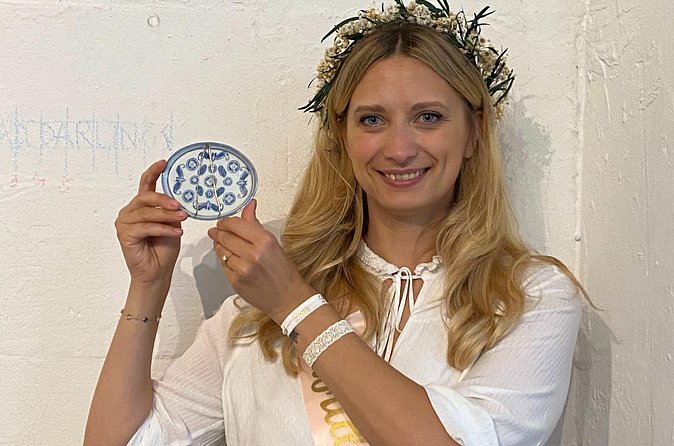
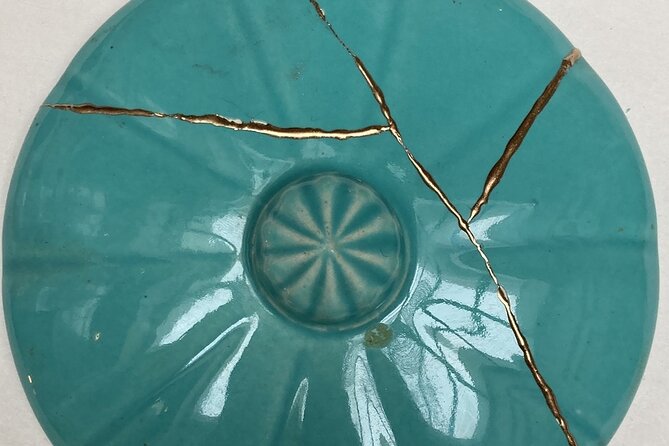
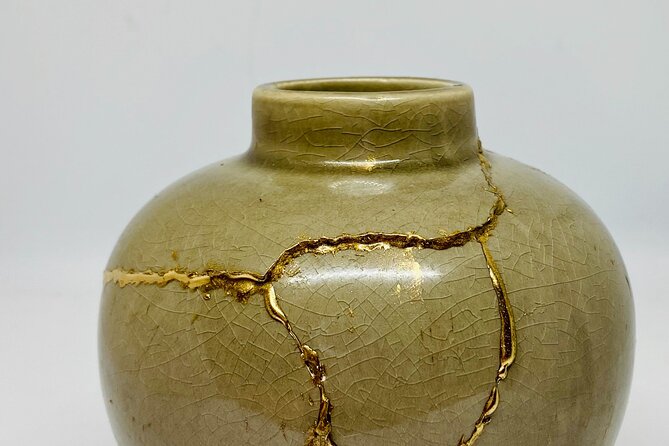
The signature element is the use of golden leaf glue. In Kintsugi, gold is not just decoration. It is a visual way to honor the cracks, drawing the eye to the repair rather than away from it.
You get to watch the transformation happen as the pieces come together into something uniquely beautiful. The finished result is not meant to look like a factory replacement. It looks like a story, with fracture lines turned into design.
This is also why Kintsugi fits modern tastes. It celebrates imperfection, natural materials, and craftsmanship, which are themes that match what many people want in design today. But the experience also keeps the philosophy intact, so the gold feels meaningful, not just flashy.
One practical note: the workshop provides materials and guides the process, so you do not need prior experience. If you are the type who likes to learn by doing, you will feel capable quickly.
What You’ll Carry Home (Emotionally and Practically)
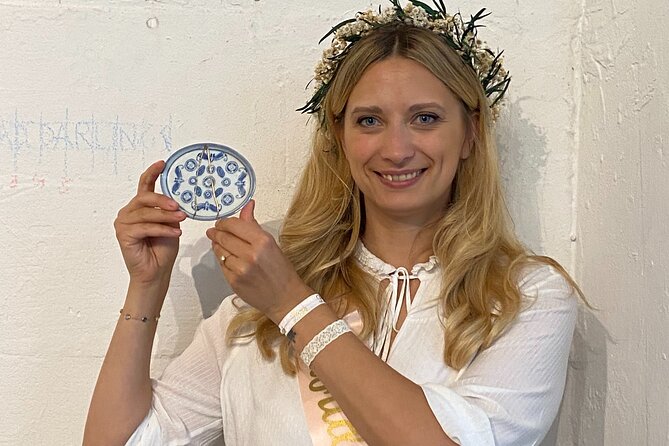
This workshop is more than a pretty craft session. It is built around a metaphor you can apply outside the studio.
You are practicing letting go of the idea that damage should be hidden. You are learning to see fractures as part of the object’s history, not as an ending. That mindset is useful in daily life, whether you are dealing with stress, setbacks, or anything that feels irreversible.
There is also a practical takeaway: the habit of slow attention. Reassembling pieces takes focus, and that focus becomes a skill. You may notice your hands feel steadier by the end, and your brain learns how to stay present through a process rather than rushing toward the outcome.
And yes, there is a real joy in finishing with a piece that looks deliberate. It is one thing to repair. It is another to repair in a way that turns the visible lines into art.
Price and Value: What $90.11 Gets You
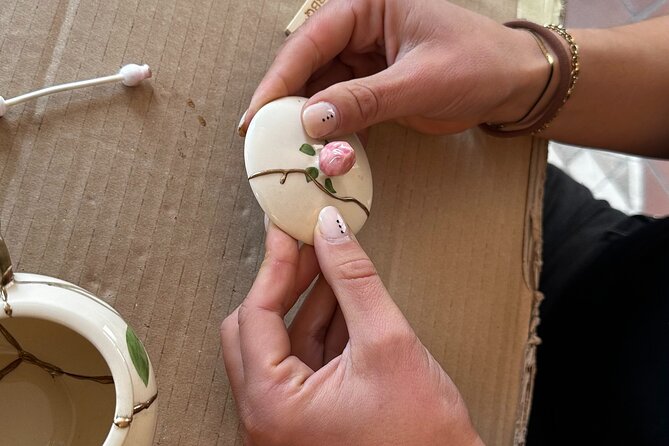
At $90.11 per person, it is not a budget throw-together activity. But the pricing makes more sense when you look at what’s included.
You are paying for:
- about two hours of guided instruction in English
- a small group format (up to six people)
- all materials provided
- a guided process that uses golden leaf glue, which is not cheap in artisan supplies
- a finished result that reflects both skill and philosophy, not just a one-time craft demo
In Amsterdam, creative workshops can vary wildly. This one earns its keep by giving you the full experience, including the symbolic break and the careful assembly work, with enough attention to make the details work.
If you love hands-on art, care about meaningful design, and want a calmer alternative to museum-only days, this price often feels fair.
Who Should Book This Kintsugi Workshop, and Who Might Skip It
This is a good match if you:
- like crafts that require patience and focus
- want something quieter and more reflective than big sightseeing days
- enjoy Japanese aesthetics and the idea of wabi-sabi
- want a small-group experience with real guidance from Annelies
It is less of a match if you:
- have children under 10, since it is not suitable for that age group
- need an activity with minimal fine-motor work, since the process is hands-on and requires focus for about two hours
- are looking for a quick drop-in souvenir craft, because this is intentionally paced like a restorative ritual
If you are traveling with mobility or stamina limits, check your comfort with a workshop sitting style. The provider asks for moderate physical fitness, so be honest with yourself about how you do with two hours of concentrated handwork.
Should You Book This Kintsugi Workshop in Amsterdam?
Yes, I think you should book it if you want a creative experience that actually has a point. The combination of hands-on repair, golden leaf glue, and a wabi-sabi mindset makes it more than an arts-and-crafts moment. It is the kind of activity that gives you something to remember for months, not just photos for your camera roll.
Book it sooner rather than later if you want a Wednesday slot, since it often gets booked about 90 days in advance. And if you have a sentimental cracked piece at home, you might wonder about bringing it, but the workshop provides items for the activity, so you do not need to bring anything. If you want to fix your own object, your best move is to ask in advance so you do not show up with the wrong expectations.
If your goal is meaningful, calm creativity with good coaching, this is a strong choice.
FAQ
What is the duration of the Kintsugi workshop?
The workshop runs for about 2 hours.
Where does the workshop start?
The meeting point is Paleisstraat 107, 1012 ZL Amsterdam, Netherlands, and the activity ends back at the meeting point.
Is the workshop taught in English?
Yes, it is offered in English.
What is included in the price?
All materials needed for the workshop are provided.
Is coffee or tea included?
No, coffee and/or tea are not included.
Is the workshop suitable for children?
It is not suitable for children under the age of 10.
How large are the groups?
The workshop has a maximum of 6 travelers.
What is the cancellation policy?
Free cancellation is available. You can cancel up to 24 hours in advance for a full refund, and changes within 24 hours of the start time are not accepted. Cut-off times are based on the local time of the experience.
Make Something in Amsterdam





More Tour Reviews in Amsterdam





Newly reviewed around Amsterdam




Workshops, side by side.
 ★ 4.8Traditional Dutch Syrup Waffle Making WorkshopFrom $234,093 reviews
★ 5.0Amsterdam Traditional Dutch Syrup Waffle Making WorkshopFrom $27960 reviews
★ 4.8Traditional Dutch Syrup Waffle Making WorkshopFrom $234,093 reviews
★ 5.0Amsterdam Traditional Dutch Syrup Waffle Making WorkshopFrom $27960 reviews
 ★ 4.8Bols Cocktail Experience and Cocktail WorkshopFrom $41666 reviews
 ★ 4.53-Course Meal in Historic 1st Class Waiting RoomsFrom $61292 reviews
 ★ 5.0Amsterdam Light Festival Winter Walk with Stroopwafel Workshop66 reviews
 ★ 5.0Distilling Class @ Spirited Union Rum Co. (Amsterdam)From $9665 reviews
 ★ 5.0Cocktail workshop @ Spirited Union Rum Co. (Amsterdam)From $5458 reviews
 ★ 5.0Workshop ‘Paint your own Delft Blue Tile!’From $7254 reviews
More ways to plan this visit