
REVIEW · AMSTERDAM
Explore hidden streets with friends
Amsterdam is full of shortcuts. This walk turns them into stories. You start in the city’s pulse, then drift into quieter side streets, courtyards, and canal views where Amsterdam feels lived-in, not staged. It is a 2.5-hour small-group route led by a local guide, and the mix of town-square history plus authentic neighborhood wandering is what makes it fun.
What I especially like is the way it gets your bearings fast. You begin with Amsterdam’s origins, including the idea of the world’s first stock market, then you move through big landmarks and immediately connect them to everyday neighborhoods. The other strong win is the off-the-main-road feel, including the Jordaan and the kind of courtyards you would not stumble into by accident.
One thing to consider: this is a walking tour meant for steady feet. You cover about 2.5 miles (4 km), so plan comfy shoes and a slower pace if you need it.
Key highlights I’d mark on your Amsterdam map
- World’s first stock market origin story to understand what made Amsterdam grow so fast
- Dam Square and the town hall building explained in plain language, with context for what you see
- Canal Ring cross and medieval expansion so the canal map actually makes sense
- Nine Streets and Jordaan side streets for shopping and squares away from the loudest crowds
- Courtyard stops like Karthuizerhof that show how the city handled housing for widows
- Westerkerk and Rembrandt’s burial link for a reality-check on rich merchants and faith
Before fixing the day, compare this with a few well-reviewed Amsterdam alternatives:

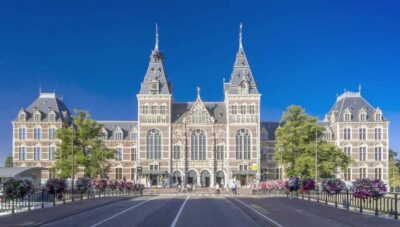
Why this hidden-streets Amsterdam walk makes sense for first-timers (and repeat visitors)
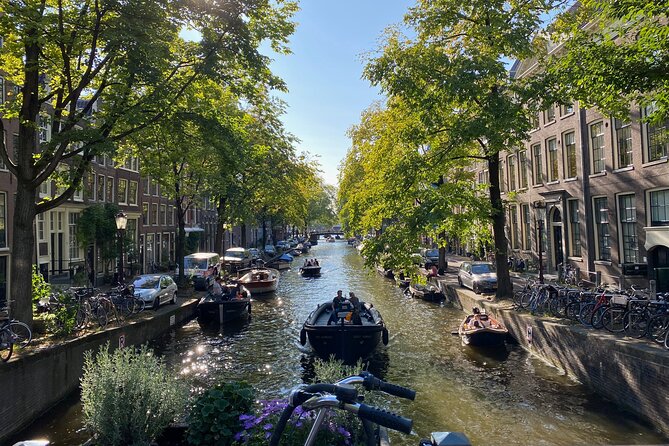
Amsterdam can feel like a puzzle. You see canals, gabled houses, and a flood of bikes, but it is hard to know which parts explain how the city actually formed. This tour is built to solve that problem with a walking route that moves from major landmarks into neighborhood-scale streets.
I like that it keeps a friendly pace. You are not herded. In small groups of up to 10, you get time to ask questions and get answers, and the guide can react if your curiosity goes sideways. In reviews, guides such as Michael and Christian come up for being conversational, relaxed, and willing to talk beyond the exact stop list. That matters in Amsterdam, where the best details are often tucked into doorways, canal bridges, and small plaques.
This is also a good pick if you already did the usual big sights. You will still pass some famous places, but the real payoff is how the tour reframes them, then sends you into quieter lanes and courtyards where Amsterdam looks more like a neighbor’s day than a theme park.
Getting your bearings at Beursplein and Amsterdam’s first stock market idea
The tour starts at Beursplein 1-3. That is a smart place to begin because Beursplein is literally tied to Amsterdam’s trading identity. From the first stretch, you get an origin story for the city that is not just dates and names. You learn why Amsterdam became important, and you even hear the story of the world’s first stock market.
Why this is valuable: Amsterdam’s canals and wealth make more sense when you know the city’s business engine. Even if you do not care about finance, you will start noticing patterns, like where power concentrated and how that shaped architecture and street life.
Practical tip: pay attention to the guide’s street orientation. Early on, you get the mental map you will use later when you wander the Jordaan streets and try to understand how the Canal Ring connects to the expansion of the city.
Dam Square and the town hall building you keep seeing in photos
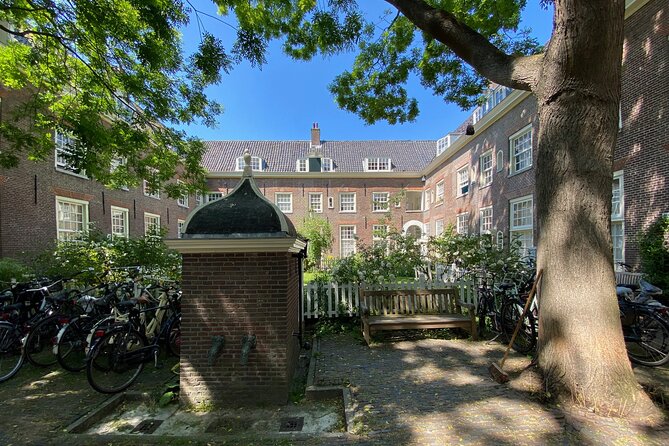
After the trading-square context, the walk moves toward the central square, where you get the importance and history of the space. The big square is more than a photo stop. It is where civic authority and public life met, so it becomes a useful anchor for the rest of the walk.
You also learn about a major building on the square that originally served as the town hall of Amsterdam. Even if you already know it by its modern role, the explanation helps you read the building as something that evolved with the city. You are not just looking at stone, you are learning what it meant when Amsterdam was growing, negotiating power, and shaping its identity.
A small caution: Dam Square can be busy in the daytime. The goal is not to escape it entirely, but to understand it before you step away into calmer streets.
- Amsterdam Classic Saloon Boat Cruise with Drinks and Cheese★ 5.0 · 31,825 reviews
- Amsterdam Luxury Canal Cruise + Unlimited Drinks & Bites option★ 5.0 · 30,518 reviews
- Amsterdam: Heineken Experience Ticket★ 4.6 · 30,055 reviews
- Amsterdam: Rijksmuseum Entry Ticket★ 4.7 · 25,535 reviews
Cross the Canal Ring and learn how medieval Amsterdam stretched
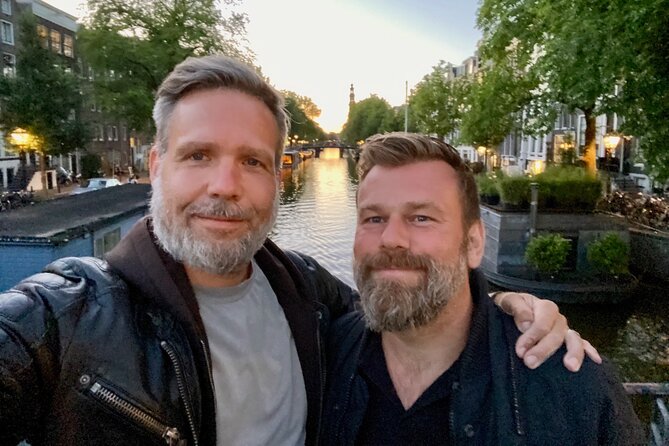
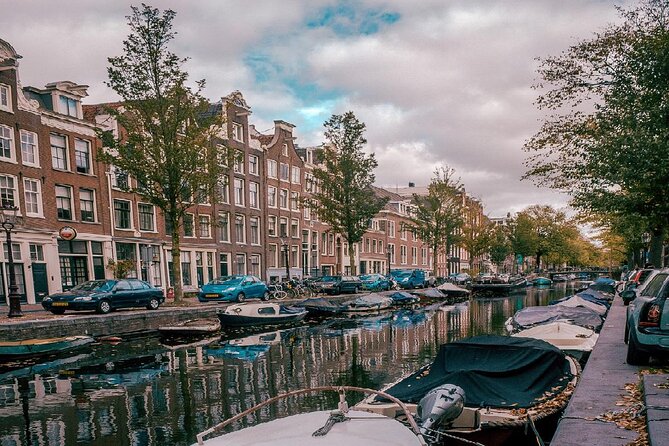
Then comes one of the most satisfying transitions: you cross the Canal Ring and connect it to how the city extended during medieval times. Walking here is the trick. On a bus or bike, you see canals. On foot, you can feel how the space fits the neighborhoods around it.
You will start noticing the logic of the canal edges, the way the city expanded in layers, and why the canal belt is not just scenery. It is an urban blueprint. This is one of those areas where a guide can turn a postcard into a map you actually understand.
Also, several of the route stops are marked as Admission Ticket Free, which keeps the tour focused on walking and storytelling rather than constant ticket lines. That is part of the value here.
The Nine Streets: shopping streets with a quieter heartbeat
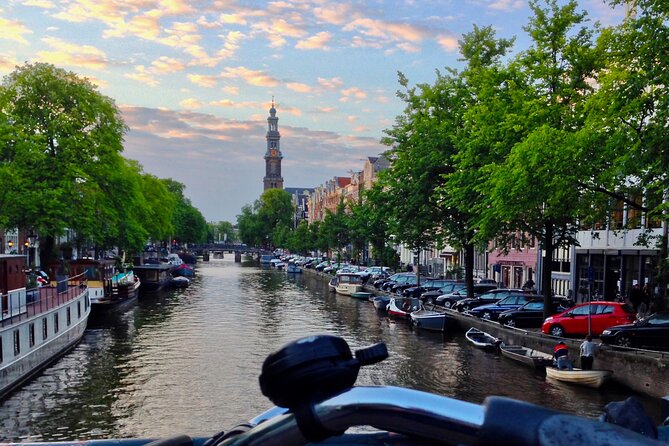
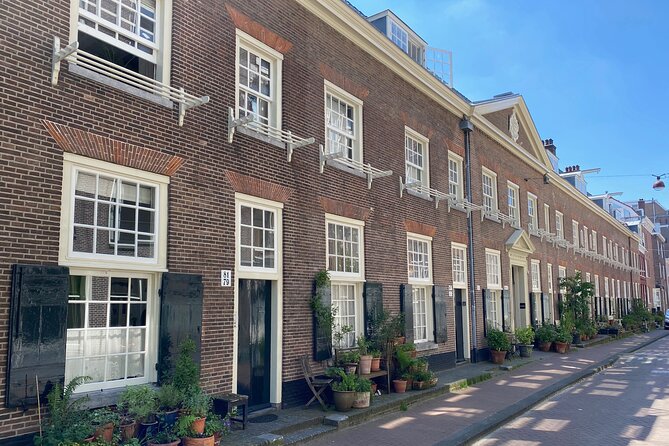
One of the tour’s pleasures is the move from iconic Amsterdam into the nine streets area. This is where the vibe changes. You are not buried in the main tourist sprawl. Instead, you get a cozy area for shopping, with side lanes that feel more local.
What you do with this time matters. Do not just browse. Slow down and look at how the streets connect, because the guide’s street-level explanation ties the shopping layout to the neighborhood story. It is the kind of walking that makes you future-proof your choices. You learn what to return to later, and you start recognizing better routes to avoid the heaviest crowds.
This stop is also good if you like small finds. You may spot antique storefronts and market-like scenes during the Jordaan portion, and the Nine Streets gives you the right mood for that kind of browsing.
Jordaan hidden streets and squares that still feel authentic
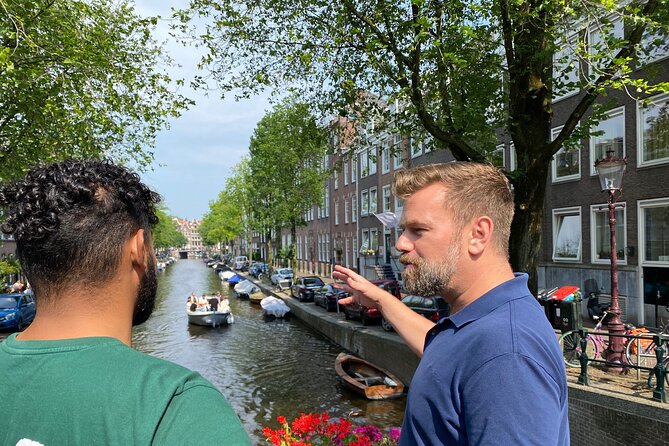
The tour spends a solid stretch in the Jordaan, described as one of Amsterdam’s remaining authentic neighborhoods. This is where the title promise of hidden streets starts paying off. You are led through side streets and squares, not just a straight-line route.
The Jordaan can be romantic on postcards, but on foot it becomes real. You see the small-scale details that make neighborhoods work, like how streets curve around courtyards, where people naturally pause, and how buildings frame daily movement.
In the reviews, the Jordaan part is often singled out for being quieter and pretty, with little side alleys and courtyards that feel like local secrets. That aligns with what you should look for: not just landmarks, but the rhythm of the streets. If you like walking with a purpose, this is a highlight.
A note on a big nearby landmark: you will pass by the Anne Frank House area during the Jordaan stroll. You are not there to queue or read everything in depth. Think of it as a respectful pass-by while the guide explains how the neighborhood fits into Amsterdam’s broader story.
Karthuizerhof: a courtyard built for widows and early social housing
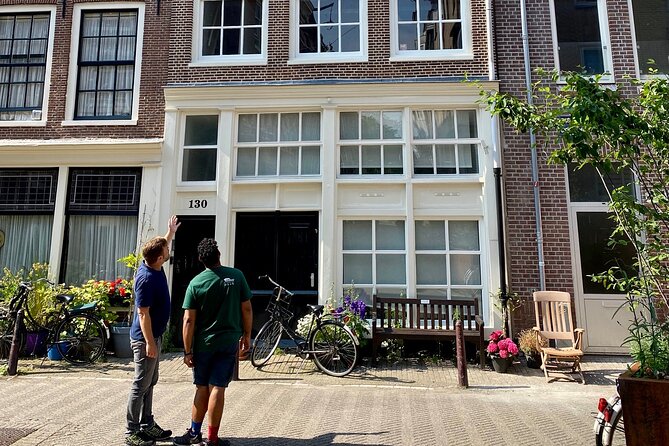
Then you hit a stop that changes how you think about Amsterdam’s past. You visit Karthuizerhof, a courtyard constructed in 1650 for widows. It is described as one of the first social housing projects in the world.
This is one of the most meaningful parts of the tour because it explains housing as a social response, not just a historical footnote. You are watching how a city handled vulnerability, in a specific location, at a specific time. Courtyards like this also show a different side of Amsterdam architecture, where privacy and community space coexist.
Timing here is short, but the message lingers. Even if you love canals, it is worth giving this courtyard your attention, because it connects city planning to human needs.
Practical tip: courtyards can be calmer and cooler, so if you feel overheated, this is a natural reset. Just be ready for a short walk through tighter passages.
Westerkerk and the Rembrandt connection you will remember
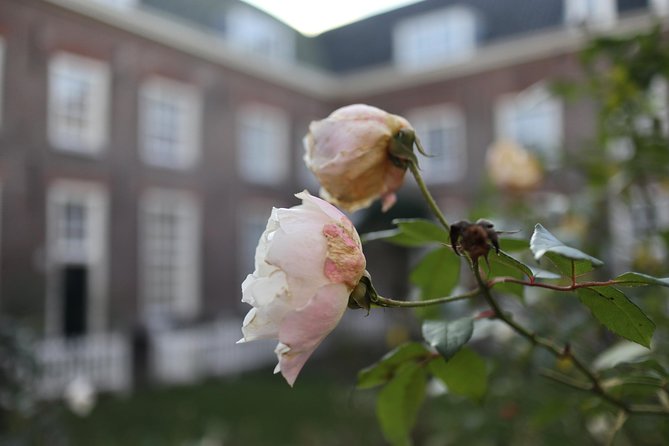
Later, you see the Westerkerk, described as a marvel of a church built by the rich merchants of Amsterdam. You also hear the detail that Rembrandt was buried there.
I like this stop because it pulls together themes you have built earlier in the walk. If you now understand Amsterdam’s trading power, this church feels less like a random famous building and more like a visible signal of wealth, influence, and religious priorities.
Also, this is a good moment to look up. Churches in Amsterdam reward that habit, and a guide can point out what to notice so you do not miss the main design and the meaning behind it.
What the 2.5 hours of walking feels like (and how to do it comfortably)
This tour is about 2 hours 30 minutes in total, and you should expect to walk roughly 2.5 miles / 4 km. That is a reasonable distance, but it is spread across streets, crossings, and small courtyard steps.
Here is how I would prep:
- Wear comfortable shoes. Amsterdam sidewalks can be slick, and cobbles can be sneaky.
- Dress in layers. You will move between open squares and quieter courtyards.
- Keep your water handy. You will get breaks through the way the tour flows, but it is still active.
Group size is maximum 10 travelers, which helps the pacing. In smaller groups, you are not constantly waiting while someone catches up or tries to find the guide.
Finally, the tour is offered in English, which is a big deal if you want history explained clearly and questions answered without slowing the group down.
Price and value: what $52.81 buys you in Amsterdam time
At $52.81 per person, this is not a bargain deep-discount tour, but it is also not trying to be premium-price theater. The value comes from what you get for that money: time, interpretation, and access to quiet streets without the stress of figuring it out.
You get:
- A local guide to connect the dots between major civic history and small neighborhood details
- A route that covers several key areas without you building a logistics puzzle
- Small-group size, which usually means better attention and easier conversation
- Stops where admission is free (at least for the items explicitly noted), keeping you from paying extra for entrances
If you are the kind of traveler who enjoys understanding what you are seeing, this price starts to feel fair fast. You are paying for a guide’s ability to make the city legible. If you would rather wander aimlessly, you might feel like you could do it on your own with maps. But if you want the city explained while you walk, this is a good use of a half morning or early afternoon.
A practical way to think about it: Amsterdam is expensive. Time is also expensive. A two-and-a-half-hour guided walk can save you hours of guessing where to go next.
Who should book this tour, and who might prefer something else
This tour is a strong match for:
- First-timers who want context quickly, then want to get out of the main tourist squeeze
- Couples and solo travelers who prefer conversation over audio-headphone walking
- People who like architecture, city planning, and how civic decisions shape everyday streets
- Travelers who enjoy neighborhood scale experiences, not just top-ten attractions
It might be less ideal if:
- You want a mostly indoor tour with long rests
- You hate walking and want minimal movement
- You already know Amsterdam history well and are only looking for shopping time
Should you book? My practical take
I think you should book this if you want Amsterdam to feel like a real city within a couple hours. The route is designed to give you bearings, then move you into calmer, more human streets. The strongest selling points are the small group, the guide’s ability to keep things conversational, and the specific neighborhood focus on places like the Jordaan and courtyards like Karthuizerhof.
If you have limited time, I would treat this as your city orientation plus neighborhood preview. You will likely return later on your own, with better instincts for where to go and where to avoid.
FAQ
How long is the walking tour?
It is about 2 hours 30 minutes.
Where does the tour start and where does it end?
The start is Beursplein 1-3, 1012 JW Amsterdam. The tour ends on Elandsgracht, Amsterdam.
Is the tour offered in English?
Yes, the tour is offered in English.
How long of a walk should I expect?
You should be able to walk for about 2.5 hours over a distance of 2.5 miles (4 km).
What is the maximum group size?
The tour has a maximum of 10 travelers.
Are tickets or paid admissions required for the stops?
Some stops are listed as Admission Ticket Free. The tour information you have indicates certain admissions are free, so it should not be a constant ticket-buying experience.
Can I cancel for a full refund?
Yes. You can cancel up to 24 hours in advance for a full refund.
Are service animals allowed, and is the meeting point near public transportation?
Service animals are allowed, and the meeting point is near public transportation.