
REVIEW · WORKSHOPS
Cheese making workshop next to De Hallen, heart of Amsterdam
Cheese making in Amsterdam feels surprisingly calm. In a small group near De Hallen, you’ll learn two beginner-friendly cheese methods, and you’ll end with two homemade cheeses you can bring home. The only real drawback is that you’re making fresh cheese for eating soon after, so it’s not the kind of class built around long-aging.
I like that this workshop is practical and intimate, not a lecture, and the instructor keeps things relaxed so you can actually follow along. If you want a lively party atmosphere, this is more hands-on craft than spectacle, but that’s also why it works.
Cheese workshop near De Hallen: what to expect in 3 hours
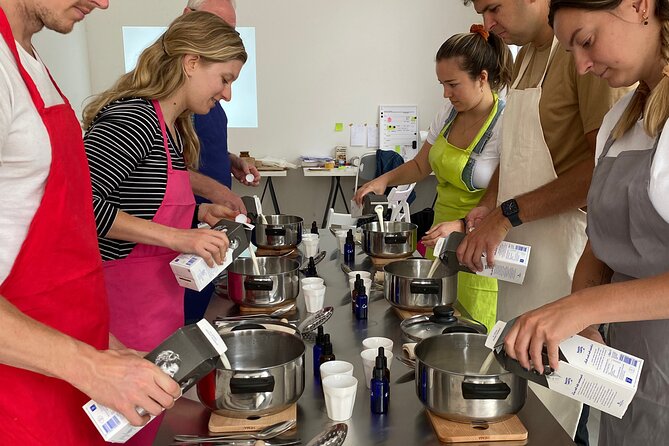
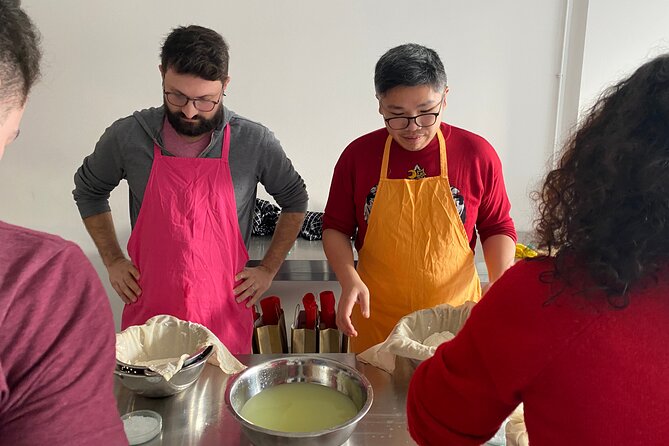
This is an Amsterdam food class run by De Kaasserie, set in a calm studio setting right in the De Hallen area. The session is about 3 hours, and the group is capped at 8 travelers, which matters more than you might think. Small groups mean you get time to ask questions while your curds are doing their thing, not after they’ve already moved on.
You’ll meet at De Kaasserie, Bellamystraat 8, 1053 BL Amsterdam. From there, the experience takes you through the De Hallen area and nearby Ten Katemarkt, keeping it easy to combine with a day of exploring. It’s offered in English, and you’ll get a mobile ticket for check-in. Best part for planning: you don’t have to track down ingredients or tools on your own. The materials are included, so you can show up, roll up your sleeves, and focus on learning.
One more practical note: this type of class tends to get booked up early. If you’re set on a date, I’d grab it sooner rather than later because availability can tighten.
Worth comparing with this Amsterdam choice:


Two cheese styles in one workshop: rennet vs acid curds
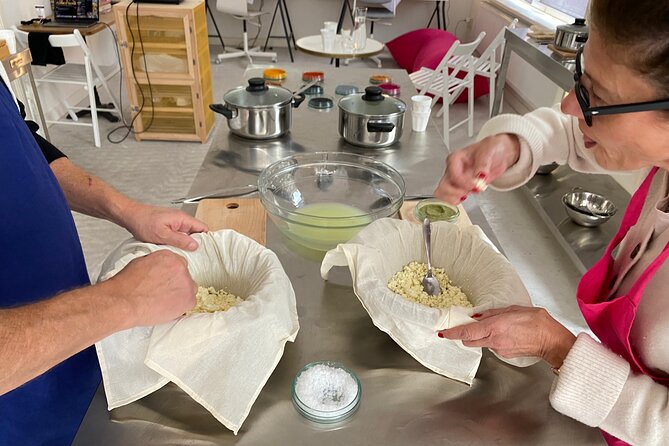
The core of the class is that you make two fresh cheeses, using two different coagulation methods. First, you work with a rennet-based approach. Then you make an acid-coagulated cheese. Even if you’re a complete beginner, the pairing is smart, because it helps you see how different starters and conditions change the texture you end up with.
Here’s what that means for you, in plain terms:
- With the rennet-coagulated cheese, you’re learning the craft side of getting milk to set into curds you can shape.
- With the acid-coagulated cheese, you see how acidity drives the curd process, which often feels more direct and immediately visual.
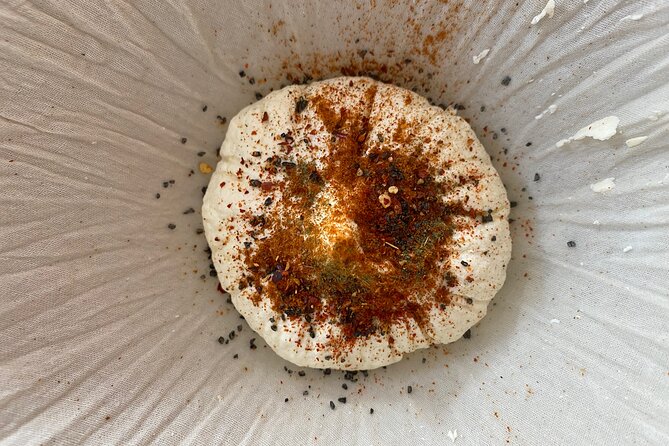
When you finish the acid-coagulated cheese, you’ll get a chance to experiment. The class encourages you to add herbs and colors, so your cheese isn’t just a science project. You leave with something you personally shaped, not just something you watched happen.
This contrast is why the workshop feels like more than a single recipe. You’re learning the logic behind the cheese, so when you get home you’re better prepared to troubleshoot, adjust, and try again.
Small-group hands-on teaching: how the workshop stays beginner-friendly
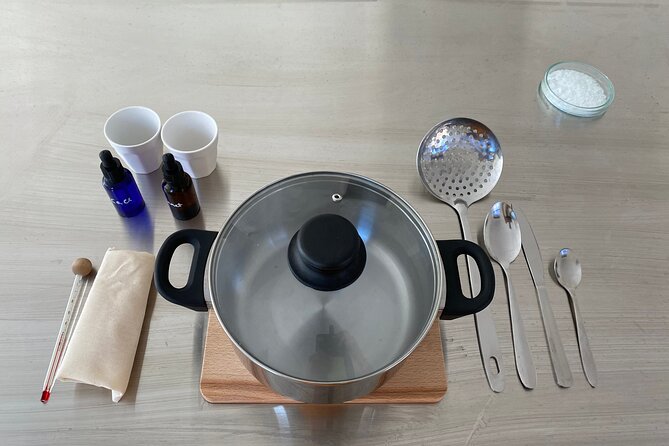
A workshop like this succeeds or fails based on pacing and patience. Here, the size cap of 8 travelers is a big deal, because it keeps the instructor’s attention where it belongs: on your hands, your questions, and your timing.
You can also feel that this is designed for beginners. The class is set up so you aren’t sourcing ingredients, measuring from scratch, or guessing what “right” looks like. Everything you need is included, which lowers the stress and helps you focus on the technique.
The workshop uses a food-oriented studio environment, described as a food design studio experience. That’s a good sign if you like making things with your hands. You’re not stuck in a classroom, and you aren’t separated from the process. It’s closer to learning a craft at the workbench.
The instructor also talks about how you can carry the skill to your kitchen later. That’s what turns a nice activity into something you can use again.
The tasting and drink finish: putting your cheese skills to work
After the making part, you sit down for a tasting of your home made cheeses, finished with a drink. This is more than a casual snack. Tasting is where you start to connect the method to the result.
When you taste, pay attention to basic differences you can actually notice:
- How firm or soft the curd feels
- How the flavor shifts between the rennet set and the acid set
- How herbs and color choices change the overall experience
Even if you don’t get super technical, tasting teaches your brain what to look for next time. And since you’ll have made two versions, you’ll have your own reference point.
This part of the class also gives you time to slow down. The earlier hours are busy and hands-on, then the tasting helps everything click.
More Amsterdam things to make, taste and take home
- Amsterdam: Bols Cocktail Experience and Cocktail Workshop★ 4.8 · 666 reviews
- Amsterdam: 3-Course Meal in Historic 1st Class Waiting Rooms★ 4.5 · 292 reviews
- Amsterdam Light Festival Winter Walk with Stroopwafel Workshop★ 5.0 · 66 reviews
- Distilling Class @ Spirited Union Rum Co. (Amsterdam)★ 5.0 · 65 reviews
De Kaasserie take-home kit: cheeses, tools, and email recipes
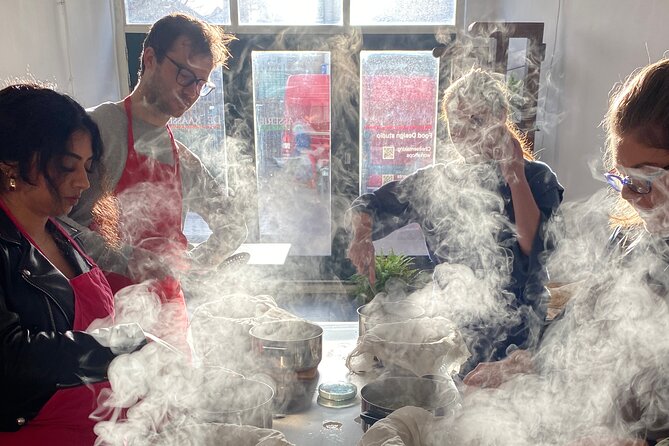
One of the best parts for me is that the end doesn’t feel like a goodbye. You’re encouraged to take your two cheeses and also the basic tools from the workshop. That means you’re not just leaving with photos. You’re leaving with the start of a real cheesemaking setup for home.
On top of that, you receive bonus recipes via email. That’s a smart add-on because it gives you a path forward while the method is still fresh in your mind. If you try again right away, you’ll likely remember what you did and why.
This is also where the value shows. Paying for a hands-on class only makes sense if you walk away with the practical output. Here, you do.
Price and value for an Amsterdam cheese craft class
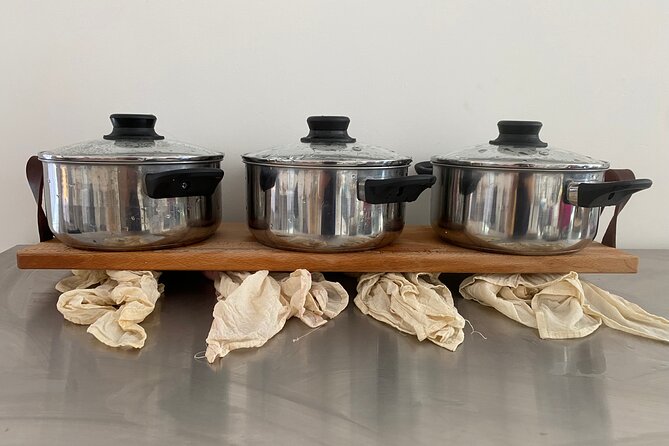
At $144.49 per person for about 3 hours, this isn’t a cheap “activity.” But it’s also not priced like a big tourist show. You’re paying for a small-group, guided, hands-on craft session with:
- Two types of fresh cheese made during the class
- Included ingredients and materials
- A tasting with a drink
- Take-home cheeses
- Basic tools to continue at home
- Recipes sent by email
If you compare this kind of experience to other cooking classes, the small group size and the fact that you make two cheeses push the value in a good direction. Most classes either focus on one dish or end with only a tasting. Here you get both the skill and the results.
Also, being close to De Hallen makes it easier to slot into an Amsterdam itinerary without losing half a day to logistics.
How to plan your day around this workshop
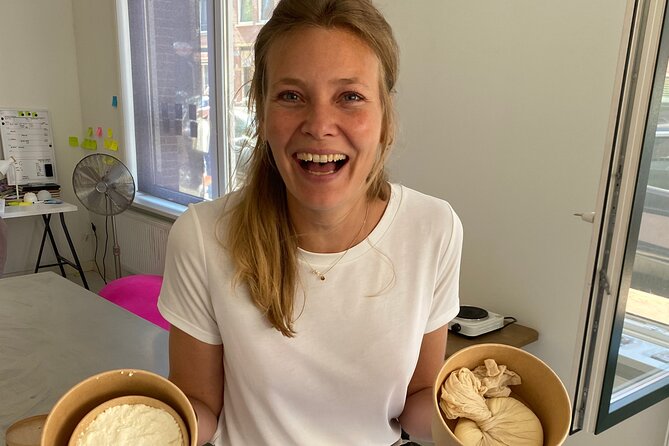
To get the most out of it, build your schedule so you’re not rushing before you arrive. You’ll be working with curds and finishing details, and you’ll want mental space to learn.
Since the workshop is in the De Hallen area and connected with Ten Katemarkt, it fits naturally into a day of wandering markets and food stops. I’d also plan to eat nearby afterward, because you’ll already have cheese on your mind by the time you finish.
If you’re traveling with friends, this is an especially good group activity. A small class makes it feel social, without turning chaotic.
Who should book, and who might skip
Book this if you:
- Like hands-on workshops more than museum-style learning
- Want a beginner-friendly introduction to cheese at home
- Enjoy food design touches like adding herbs and colors
- Want something local-feeling near De Hallen, not a far-flung day trip
Consider skipping if you:
- Are only interested in long-aged cheese or long storage projects
- Prefer big group events or entertainment over technique
- Need a highly structured “recipe only” class with no experimentation
In most cases, it’s a strong fit for food lovers, visiting cooks, and anyone who likes taking a craft home with them.
Should you book this Amsterdam cheese workshop?
Yes, if you want a calm, practical food experience with real payoff. The format is straightforward, beginner-friendly, and built around making two different fresh cheeses instead of just tasting or watching. Between the small group size, the included materials, and the take-home cheeses plus tools, it’s one of those classes that leaves you feeling you learned something you can use again.
If you’re the type who loves cooking as a skill, not just as an outing, this is a great use of a few hours in Amsterdam.
FAQ
How long is the cheese making workshop?
It lasts about 3 hours.
Where do I meet for the experience?
You start at De Kaasserie, Bellamystraat 8, 1053 BL Amsterdam, Netherlands. The activity ends back at the meeting point.
Is the class offered in English?
Yes, it is offered in English.
What size is the group?
The workshop has a maximum of 8 travelers.
Do I take anything home?
Yes. You can take with you your two cheeses, and you also receive basic tools and recipes (via email) to continue experimenting at home.
Is tasting included?
Yes. At the end there is a home made cheese tasting and a drink.
What is the cancellation policy?
You get free cancellation. You can cancel up to 24 hours in advance for a full refund, and changes less than 24 hours before the start time aren’t accepted.
Make Something in Amsterdam




More Cheese in Amsterdam
- Zaanse Schans Windmills, Clogs and Dutch Cheese Small-Group Tour from Amsterdam
★ 4.5 · 2,369 reviews




More Tour Reviews in Amsterdam



Newly reviewed around Amsterdam




Workshops, side by side.
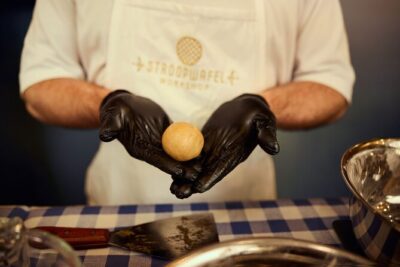 ★ 4.8Traditional Dutch Syrup Waffle Making WorkshopFrom $234,093 reviews
★ 5.0Amsterdam Traditional Dutch Syrup Waffle Making WorkshopFrom $27960 reviews
★ 4.8Traditional Dutch Syrup Waffle Making WorkshopFrom $234,093 reviews
★ 5.0Amsterdam Traditional Dutch Syrup Waffle Making WorkshopFrom $27960 reviews
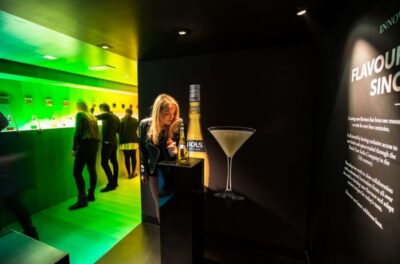 ★ 4.8Bols Cocktail Experience and Cocktail WorkshopFrom $41666 reviews
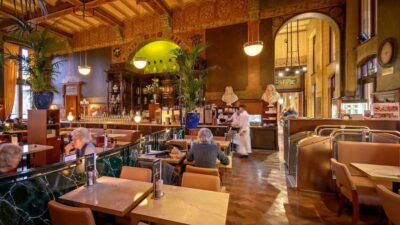 ★ 4.53-Course Meal in Historic 1st Class Waiting RoomsFrom $61292 reviews
 ★ 5.0Amsterdam Light Festival Winter Walk with Stroopwafel Workshop66 reviews
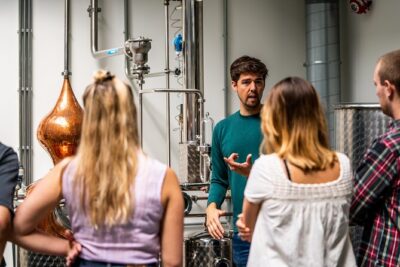 ★ 5.0Distilling Class @ Spirited Union Rum Co. (Amsterdam)From $9665 reviews
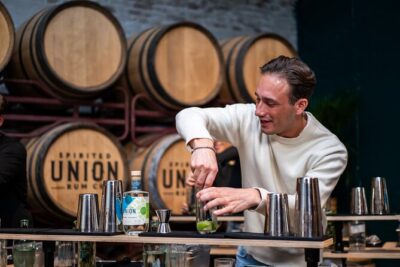 ★ 5.0Cocktail workshop @ Spirited Union Rum Co. (Amsterdam)From $5458 reviews
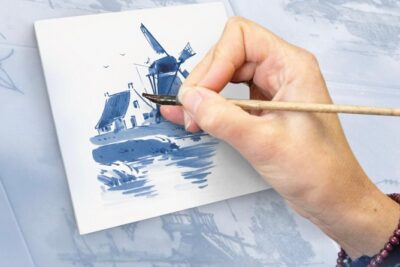 ★ 5.0Workshop ‘Paint your own Delft Blue Tile!’From $7254 reviews
More ways to plan this visit