
REVIEW · AMSTERDAM
Amsterdam’s Hidden Facts: 750 Years of Secrets ⭐
Amsterdam has 750 years to surprise you. This 2 hour walking tour turns the city into a story, with Antonis guiding you through secrets, floods, politics, and the everyday clues you can still spot today.
I especially love the small group size (max 12) and how off the beaten path the route feels, so you actually notice details instead of scanning crowds. I also like that the tour is fact forward but human, with warmth, humor, and a bit of obsession that makes weird history stick.
One possible drawback: it’s fast. You cover a lot in 2 hours, so wear comfortable shoes and don’t plan on lingering at every corner.
Key takeaways before you go
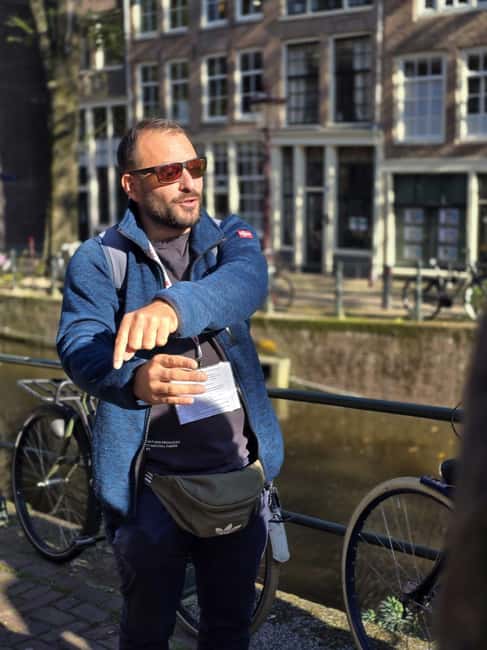
- Antonis is the engine of the walk, mixing deep knowledge with easy laughs and “how is that even real” energy
- 750 years in 2 hours: you get the big turning points, from early dams and dikes through the Golden Age and WWII
- You’ll learn what you’re looking at: leaning houses, mud foundations, and even the repeating XXX style marks you may notice on facades
- A small group means real interaction: no umbrellas, no crush, and a calmer pace for questions
- You finish with a handwritten postcard from historic A’DAM, with a Dutch stamp you can send or keep
Before fixing the day, compare this with a few well-reviewed Amsterdam alternatives:


750 years in 2 hours, with Antonis telling it like a story
This is one of those tours where the city stops being a postcard background and starts acting like a character. Amsterdam’s history can sound abstract, but Antonis makes it concrete. You walk, you look, and you learn why certain things exist the way they do.
The format matters. It’s not a lecture. It’s a guided story that moves from the earliest settlers and the first dam and dikes, to the Golden Age, and then on to World War II. Along the way, you get the kinds of cause and effect that help you understand a city built on water management, compromise, and constant problem solving.
You also get a very practical benefit: you leave with a mental map of how Amsterdam became Amsterdam. Not just what happened, but why it shaped the streets you’re walking and the architecture you’re seeing now.
If you like history that explains the present, you’ll enjoy this. If you only want dates and names, you might find it too playful. But if you want stories you can remember, it’s a strong match.
Where the walk starts (and why the end back at the start helps)
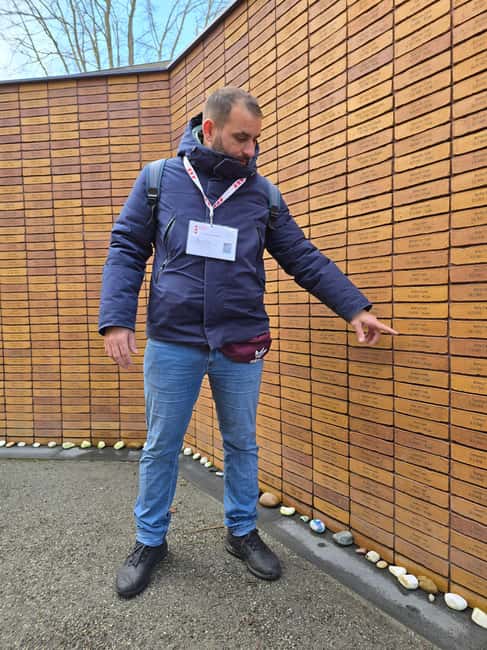
You meet in front of the Bull, and the tour ends back at that same meeting point. For planning, that’s a comfort.
Why? You’re not stuck guessing how to get out of a far flung neighborhood at the end. It also helps if you’re doing other activities after the walk. Since it’s a 2 hour experience, you can time dinner or museum time without building in a big escape buffer.
Before you go, do one small thing that pays off: take a quick look around the meeting area so you can spot the exact landmark at street level. In Amsterdam, “nearby” is sometimes a larger distance than it sounds, and you’ll feel less rushed if you confirm where to gather.
The water-first story: dams, dikes, and why Amsterdam sits on mud
Amsterdam’s origin story is really a water story. Early on, Antonis focuses on the first dam and dikes, and the practical systems that helped the city survive. You learn that this place did not happen by luck. People built structures and routines to make the water behave.
Then comes the detail that makes the whole city click: Amsterdam is built on mud. If you’ve ever wondered how the ground can hold up all that leaning, turning, and building, this tour answers the question with clear logic. The key is not just that it’s muddy. It’s that Amsterdam had to design life around wet ground and water levels that could threaten the city.
You’ll also get a sense of why trust and collective effort mattered. Water management is not a solo hobby. It demands neighbors aligning, rules sticking, and maintenance staying ongoing. That theme returns later when the tour moves from infrastructure to politics and social change.
What to look for while you listen: think in layers. As Antonis talks about dams and dikes, train your eye to the way the city sits, and how different periods may have built on what came before. Even without technical drawings in front of you, you can start seeing Amsterdam as an engineering project that turned into a cultural project.
- Amsterdam Classic Saloon Boat Cruise with Drinks and Cheese★ 5.0 · 31,825 reviews
- Amsterdam Luxury Canal Cruise + Unlimited Drinks & Bites option★ 5.0 · 30,518 reviews
- Amsterdam: Heineken Experience Ticket★ 4.6 · 30,055 reviews
- Amsterdam: Rijksmuseum Entry Ticket★ 4.7 · 25,535 reviews
The leaning houses and the strange clues on facades (the parts you can spot)
Some tours tell you facts you can’t verify. This one pushes you to notice things in real time.
You’ll hear why houses lean. It’s the kind of question that sounds silly until you realize it’s a citywide pattern with a long backstory. The explanation ties back to Amsterdam’s foundation conditions and the way building has worked over centuries. You don’t need to be an architecture expert. You just need to pay attention to what you see when you stop.
Then there’s the bit that makes people pause mid-walk: why are there so many XXX marks? Antonis treats these symbols as clues rather than random decoration. The tour helps you read the city like a document, where small marks can hint at age, function, or rules that once governed buildings.
Even if you don’t remember every specific interpretation, you’ll remember the habit. You’ll start noticing details on your own after the tour, not just “wow, that’s pretty” but “why would they do that here?”
Practical note: bring your camera if you like. You might not be allowed to record video, but photos for still details can be useful when you get back to your hotel and want to look at what you noticed.
Golden Age Amsterdam: trade, growth, and the defining turning points
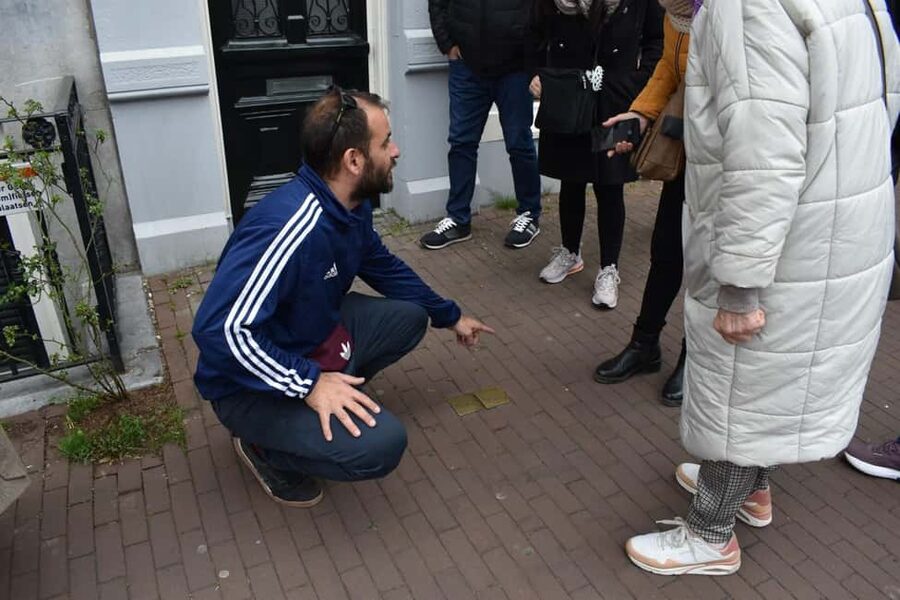
When the tour reaches the Golden Age, it doesn’t treat it like a museum display behind glass. It connects the period to city expansion and the defining moments that shaped Amsterdam’s identity.
This is where the story becomes bigger than one street corner. You start to understand why the city’s wealth and influence mattered, and how that influence shaped what Amsterdam became socially and politically.
One of the best parts of a tour like this is how it handles transitions. It doesn’t just jump from one era to the next. It explains how one stage laid groundwork for the next, including the way different systems and ideas formed under pressure.
You also get a sense of Amsterdam as a place that kept rewriting itself. That theme is especially helpful if you’ve been to other European cities with older “my one era” feel. Amsterdam has multiple layers that overlap. This tour gives you a framework to make sense of those layers without drowning in information.
Old religions to liberal revolutions: how ideas changed the rules of the city
A big reason I like this tour is that it doesn’t stop at dams and buildings. Antonis moves into ideas, from old religions to liberal revolutions.
That part matters because Amsterdam’s physical design and its social design are connected. A city built on trust, resilience, and radical ideas does not only look different. It behaves differently too. You’ll hear stories that show how conflicts and reforms shaped daily life.
Instead of making you memorize slogans, the tour helps you connect the dots between belief systems and civic change. When you understand that Amsterdam’s culture has been argued over and redesigned repeatedly, it becomes easier to understand why the city feels both practical and surprising.
If you’re the type who likes cultural context, this section will probably be one of your favorites. It’s also a good reminder that history is not just wars and dates. It’s rules, debates, and people trying to live together.
World War II: how memory lives in the streets
The WWII segment is not about sensational drama. It’s about how a city carries memory and how defining events reshape what comes after.
Antonis guides you through that era as another chapter in the longer Amsterdam story, not an isolated tragedy. You get the sense that the city’s later identity is partly built from what it survived and how it rebuilt.
This is also where the tour’s pacing matters. If you prefer quiet reflection during heavy moments, you’ll appreciate that the tour keeps the story grounded. You’re walking, but the tone shifts to help you absorb what you’re hearing.
No matter how many museums you plan to visit, I find a street-level context like this useful. Museums can give depth. Walking tours can give direction. This one does both in a compact time window.
The A’DAM handwritten postcard: a small souvenir with a story attached
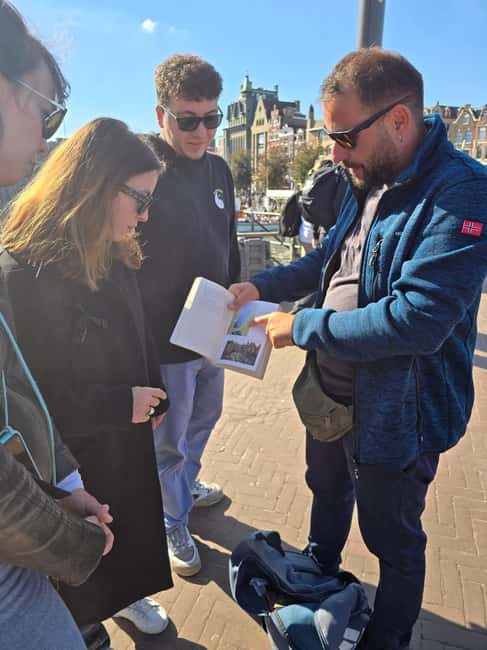
You don’t just walk away with information. You get a handwritten postcard from historic A’DAM, plus a Dutch stamp.
That detail sounds small, but it’s a smart touch. A postcard is not just a keepsake. It’s a tiny performance of travel. If you send it, you turn your trip into an ongoing message. If you keep it, you still have a physical anchor for the stories you heard.
It also reinforces the tour’s style. This isn’t a one-way delivery. It feels like the guide is handing you a piece of the narrative to take home, and it matches the overall theme of Amsterdam being built from practical systems and personal stories.
What $28 buys you, and why value depends on your travel style
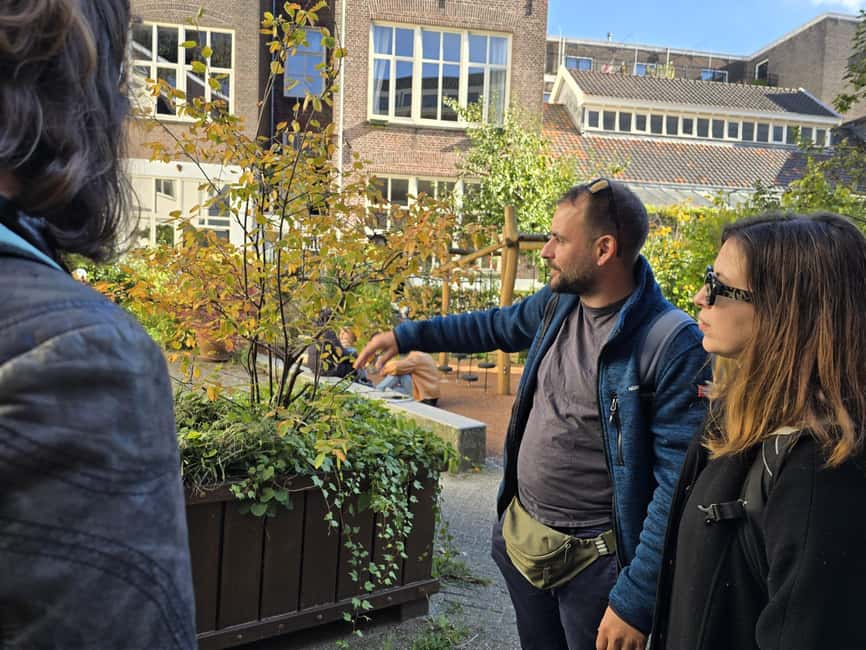
At $28 per person for a 2 hour walking tour, you’re paying for two things: local storytelling and the time saved by getting context in the moment.
If you tried to self-tour this same concept on your own, you’d need to choose a route, pick sources, and still figure out what you’re looking at. This tour gives you a guided thread through 750 years, with answers to those “wait, what” questions. That is real value if you like interpretation.
The small group size helps too. Max 12 means you’re more likely to hear your guide clearly and ask questions without shouting. It also supports the tour’s pace, which feels more like an informed conversation than a sprint.
The flip side: if you hate being on your feet, or you want lots of pauses for rest stops, this might feel packed. You also won’t be able to video record, so if you rely on recording as your main way to remember, plan for photos and note taking instead.
Practical tips so you get the most out of the walk
Here’s how to make this tour work smoothly for you:
- Wear comfortable shoes. Even a “short” 2 hour walk adds up on cobblestones and turns.
- Bring water. Amsterdam weather changes fast, and you’ll be glad to sip during the story breaks.
- Dress for the weather. You’ll be outside the whole time, so wear layers if the forecast is uncertain.
- Bring your camera for still shots of details you’ll want to review later.
- Skip video recording. It’s not allowed, so plan on photos and your memory.
- Be ready for lots of facts. It’s not slow history. It’s story history.
One more tip that feels obvious, but matters: come with at least a little curiosity. Ask yourself what you want from Amsterdam, architecture, culture, politics, or survival. Then listen for the parts that connect to that interest.
Who this Amsterdam secrets walk is best for
This tour fits best if you’re the type who enjoys facts but wants them explained with real human energy.
You’ll likely love it if:
- you want 750 years of Amsterdam in one clear storyline
- you like small group tours where you can actually hear and interact
- you enjoy street level questions like why houses lean, why the mud matters, and what marks mean
- you’re curious about how ideas changed the city from old religions to liberal revolutions
- you want WWII context without it feeling disconnected from the rest of the city
It might not be your top pick if you want a totally relaxed stroll with long pauses, or if you prefer a museum style pace where you can sit and read.
Should you book Amsterdam’s Hidden Facts, 750 Years of Secrets?
I’d book it if you want Amsterdam to feel understandable. The guide, Antonis, brings warmth and humor, and the format keeps you engaged while you cover a surprising timeline. The $28 price makes sense if you value interpretation and want answers to the details you’ll see even after the walk ends.
Skip it if you’re uncomfortable walking for 2 hours at a steady pace or you only want slow, quiet sightseeing. Also consider whether you’re okay with a fact heavy approach. This is for people who like their history with momentum.
If you want a tour that turns the city into a set of clues you can read, this one is a strong choice.
FAQ
How long is Amsterdam’s Hidden Facts, 750 Years of Secrets?
The tour lasts 2 hours.
What price is listed for the tour?
The price is $28 per person.
What is the group size?
It’s a small group, with a maximum of 12 guests.
Where do I meet the guide?
You start in front of the Bull, and the tour ends back at the meeting point.
What’s included in the ticket price?
Included are a professional guide and a handwritten postcard with a Dutch stamp.
Is video recording allowed?
No, video recording is not allowed. You can bring a camera for photos.