
REVIEW · TICKETS
Amsterdam: Oude Kerk Entry Ticket
Amsterdam’s oldest church is still alive. The Oude Kerk mixes centuries of sacred space with rotating contemporary art, and I love how the building makes the artwork feel grounded in real Amsterdam life. I also like that the site reads like a timeline, from early chapel days to a later hall church, without turning the visit into a dry museum lecture. One possible drawback: the atmosphere can feel dark and serious, and if you’re sensitive to that kind of mood, plan for it.
In the middle of the historic city centre, this is not a quick selfie stop. It’s a slower, self-guided wander where an audioguide helps you connect the dots, then you can spend extra time on whatever pulls you in, from exhibitions to the places people once gathered.
Key Highlights Worth Planning For
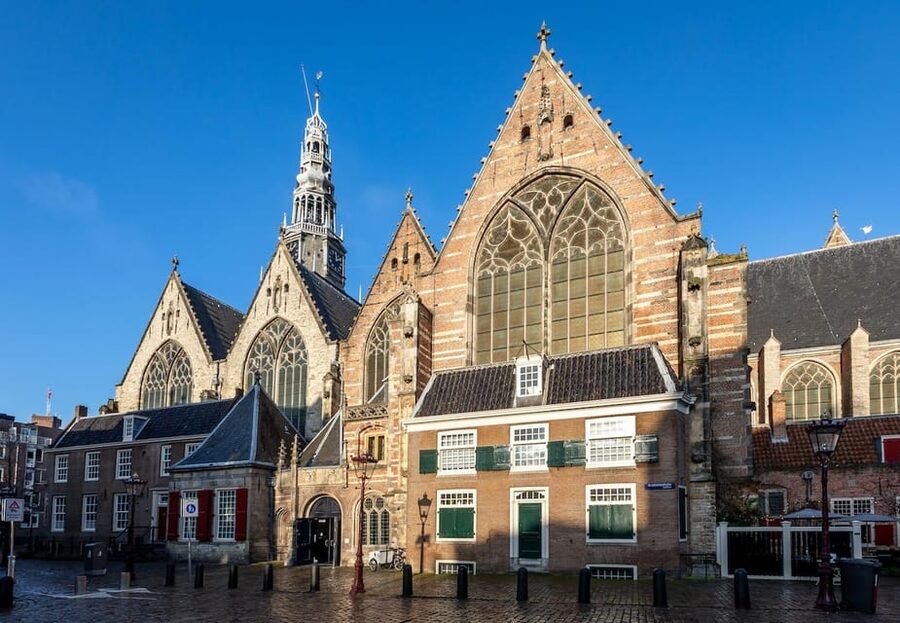
- Amsterdam’s oldest building with a history that stretches over 700 years
- Rotating contemporary exhibitions created specifically for this church space
- Annual major art commissions and a public program that can include music, performances, and talks
- A church that functioned as a social hub, not just a sanctuary
- A serene coffee break nearby, the Koffieschenkerij with a courtyard garden
- Great photo payoff from the tower view, if tower access is available at your time slot
Worth comparing with this Amsterdam choice:
Oude Kerk in One Visit: Oldest Building Meets New Art
When you step into the Oude Kerk, the first thing I notice is scale and contrast. This is a church that grew from a small wooden chapel around 1250 into a larger hall church around 1570, so your eyes keep moving, from older structure to newer additions. And that matters, because the exhibitions are designed to interact with the historic environment rather than just sit beside it.
The second surprise is the mix of purpose. This place is religious heritage, yes, but it’s also a venue where artists create new works exclusively for the Oude Kerk. That idea of “new work for an old room” is the heart of the experience. You’re not only looking at art, you’re seeing how Amsterdam keeps changing while still keeping its core buildings.
The church also has a cultural pulse. Over the years, it served Amsterdam’s daily life, and today the program connects past, present, and future through rotating contemporary commissions, music series, performances, and artist talks. Even if you don’t catch a live event, the building feels like it’s built for more than one kind of visitor mood.
What Your $16 Ticket Actually Gets You
The ticket price is listed as $16 per person, and the big value play here is that it includes more than entry. Your purchase covers access to the church and its exhibitions, plus an audioguide.
That audioguide is offered in several languages: Dutch, English, German, French, Spanish, or Italian. For me, this is the right level of support. You can take your time inside without relying on a guide, and you can return to parts of the space as the story clicks. If you only have a day in Amsterdam and you want one cultural stop that won’t feel rushed, that built-in audio help is worth its weight.
Food and drinks are not included. That’s normal for historic sites, but it changes how you should plan your day. I treat this as a culture visit first, then I plan a separate coffee or snack after I’ve toured the main areas.
One more thing to keep in mind: this is listed as valid for 1 day, and starting times depend on availability. So you’re not picking a whole-day guided tour schedule, you’re choosing the time you walk in.
Timing and Flow: How to Plan a Self-Guided Visit
Because this is an entry ticket experience rather than a group tour with fixed stops, you can build your visit around your energy level. I like to arrive with enough time to linger, not just to clear the ticket and leave. The exhibitions are rotating, so you’re going to see a different “conversation” each visit cycle, and that means pacing matters.
A good flow is simple:
- Start with the areas of the church tied to the building’s long timeline.
- Move into the exhibition spaces at a comfortable pace, using the audioguide to anchor what you’re seeing.
- Then circle back for any specific details that caught your attention earlier, especially if you’re reading inscriptions or looking for the church’s social-history links.
If tower access is part of your visit time, it can be an extra payoff. One review specifically praised a tower climb and the view over Amsterdam, so I’d plan to check on-site whether tower entry is available when you arrive. If it is, give it time, because views always take longer than you expect.
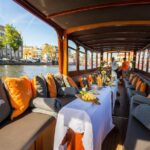
- Amsterdam Classic Saloon Boat Cruise with Drinks and Cheese★ 5.0 · 31,825 reviews
- Amsterdam Luxury Canal Cruise + Unlimited Drinks & Bites option★ 5.0 · 30,518 reviews
- Amsterdam: Heineken Experience Ticket★ 4.6 · 30,055 reviews
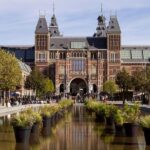
- Amsterdam: Rijksmuseum Entry Ticket★ 4.7 · 25,535 reviews
Over 700 Years Inside: The Building’s Story Mode
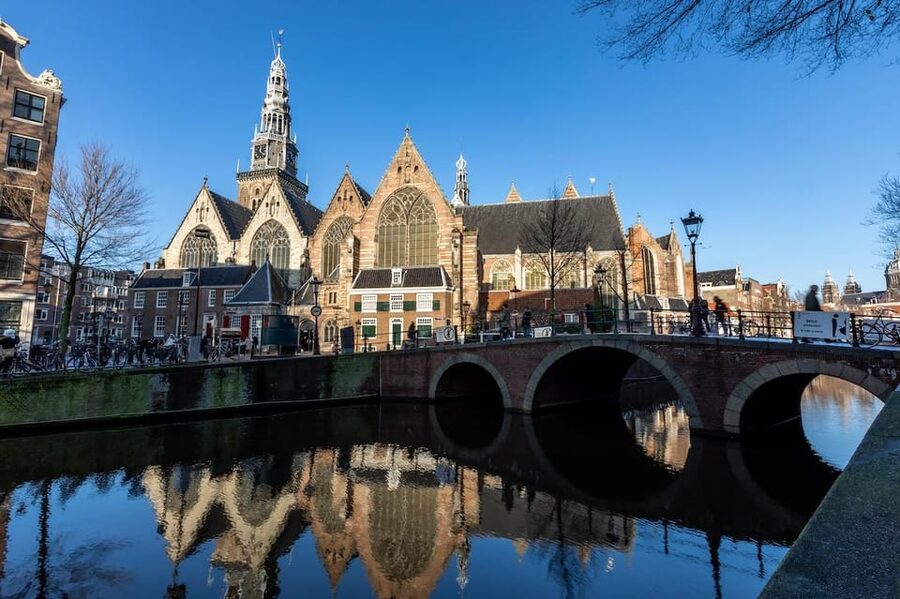
The Oude Kerk’s timeline is one of the strongest reasons to come. The information you’ll see frames the site as it evolved: a small chapel around 1250, then a larger hall church around 1570, and today recognized as an important monument at both national and international levels.
What I like about that history is how it helps you read the space. When you know the church changed form over centuries, the architecture stops looking like a single static photo and starts looking like layers of Amsterdam’s changing needs. In other words, you’re not just visiting a place, you’re touring a structural record of time.
You’ll also get clear cultural markers of why this church mattered. It was used for major public life moments. For example, fishermen would mend nets and sails there. Important city papers were kept in an Iron Chapel. And marriage certificates were signed in the Oude Kerk for countless couples. That’s the kind of context that makes a building feel less like a monument and more like a working part of the city.
That social-history angle matters if you’re tired of only art and only churches. Here, both connect.
Rotating Contemporary Exhibitions: How the Art Works in This Room
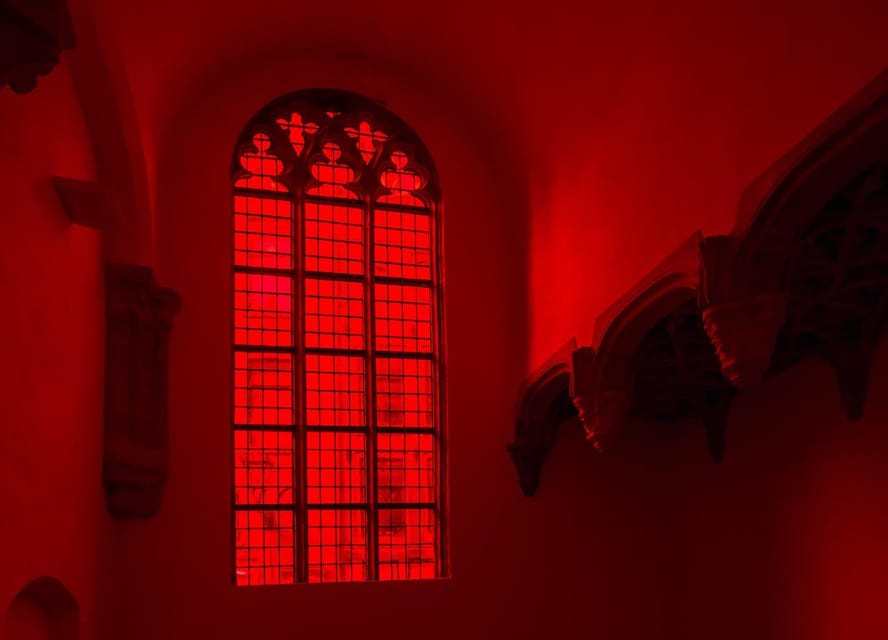
The Oude Kerk invites artists to make new works exclusively for this location. That detail is the difference between typical museum art and what you experience here. The exhibitions are not just placed inside a church, they are shaped to respond to the space, either by adapting to it or by contrasting with the historic environment.
This can feel surprisingly modern, even when you’re standing in centuries-old architecture. The program is built around commissions, where the church awards two large art commissions annually to leading artists. Those commissioned works then become the starting point for a broader public program like the music series Silence, Monuments and other performances, guided tours, and artist talks.
So what should you do while you’re inside? My advice is to treat the exhibitions like a conversation between time periods. Ask yourself two questions as you look:
- What changes when the artwork has to share space with a working historic church?
- Where do you feel the contrast most strongly, in scale, lighting, sound, or movement?
If you’re someone who likes art but can get bored by lectures, this is a good match. If you’re someone who prefers straightforward religious architecture, the contemporary layer may feel challenging at first. Either way, it’s a more interesting problem than a standard gallery.
And yes, the mood can be intense. One visitor described the church as feeling gloomy and the art and music atmosphere as frightening. That’s a reminder to approach this with the right expectations: the setting is dramatic, and contemporary work sometimes leans into that.
The Church as Amsterdam’s Social Hub: More Than Sunday
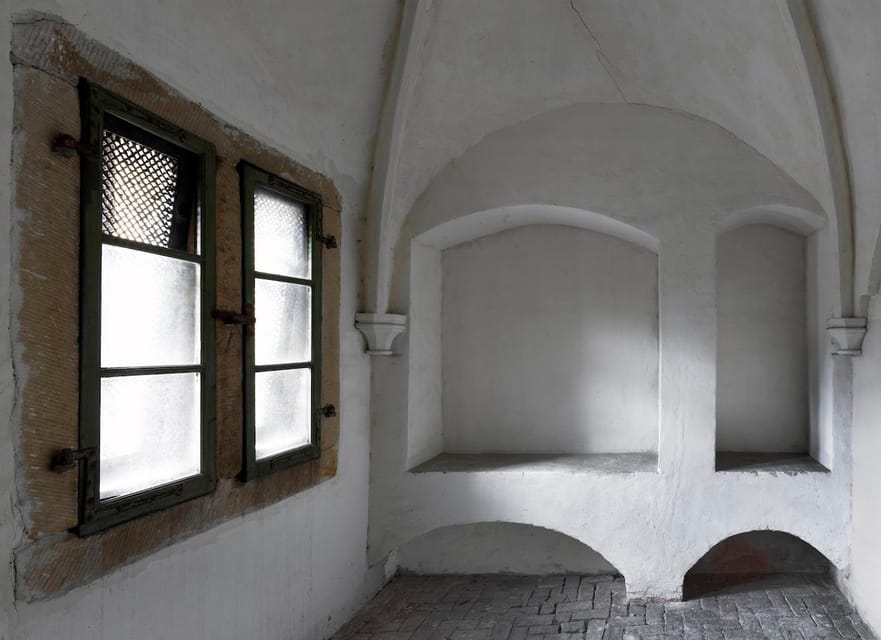
A lot of historic churches get framed only as worship spaces. The Oude Kerk also functioned as a social machine for Amsterdam. I love how that social role is still part of the site story, not hidden behind an exhibit sign.
You’ll learn that people used the Oude Kerk for practical and public life. Fishermen used it for mending nets and sails. Lovers signed marriage certificates there. City papers were stored in the Iron Chapel. Trade and concerts also happened here.
That history helps you understand the site’s current rhythm. It’s a lively meeting place in the heart of Amsterdam, and today it keeps that role with art commissions and programming that brings people in for more than a religious service. The exhibitions and music series continue that older pattern of the church as a public space, just with contemporary cultural output.
If you want one reason to pick this over another church stop, it’s this: you’re not only looking at faith history, you’re seeing daily life history. That makes the visit feel more personal and less distant.
Koffieschenkerij Courtyard Break: A Calm Reset Nearby
Right inside a historical annex of the Oude Kerk, there’s the Koffieschenkerij. It’s listed as a serene retreat from the city, with coffee, teas, lemonade, and cake available. The courtyard garden is open daily, which is exactly the kind of reset I look for after I’ve been walking and reading signs for an hour.
I recommend treating this as your “breathing point.” Don’t leave it for the very end if you’re the type who gets hungry during art viewing. Instead, plan a short stop once you’ve seen the main church spaces and the exhibition layout feels clear.
It’s also a smart way to cool down if the art atmosphere feels heavy. The church can be emotionally intense, and the courtyard is the gentle counterweight.
Practical Notes: Audioguide, Languages, and What to Watch For
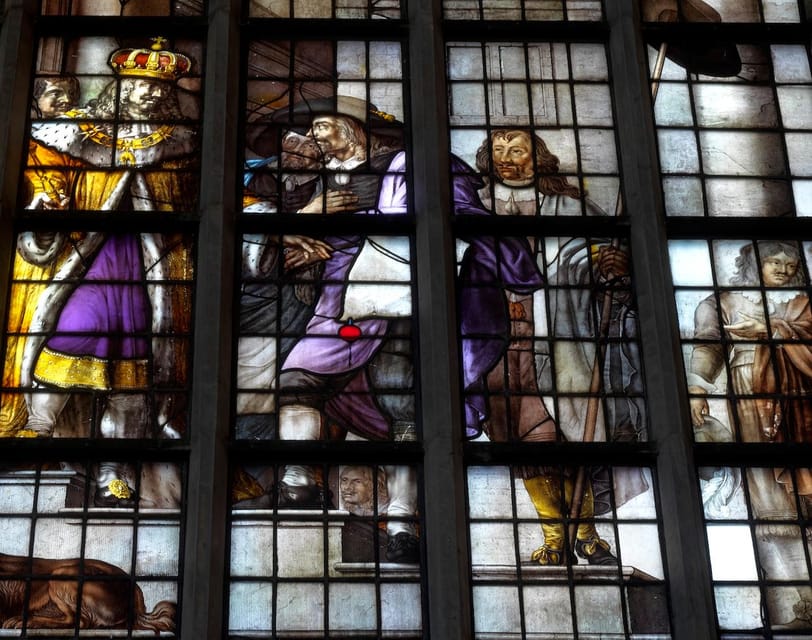
The audioguide is included, and the language options listed are a real convenience if you’re not traveling in English. I’d pick the language that keeps you in the right mental lane. When the audioguide is in your language, you can follow the building story and the artwork context without switching into translation mode.
You should also know you’re not getting a guide as part of the ticket. That can be great because you control your pace. But it means you’ll get the most from the visit if you actively use the audioguide rather than treating it as an optional backup.
For photo and sensory planning, keep an eye on how the contemporary works interact with the historic space. Since installations can either adapt to the area or contrast with it, lighting and sight lines can vary. I like to slow down at each key installation, then re-scan the room from a second angle, even if it feels repetitive. That second pass is often where the meaning lands.
Lastly, if tower access is offered during your visit time, don’t treat it as a random add-on. One highlight from a visitor booking mentioned a tower climb and a wonderful view over Amsterdam. If you see that option clearly on arrival, it’s worth factoring into your schedule.
Price and Value: Is This Ticket Worth It?
At $16 per person for a day entry ticket, I think this is a solid value if you like one or more of these:
- you want Amsterdam history anchored in a real, working monument
- you enjoy contemporary art in unusual settings
- you want an included audioguide so you can tour at your own pace
The reason I say it’s good value is the mix. You’re not paying only for the building, and you’re not paying only for temporary art either. You’re paying for a relationship between the two, plus that audio layer that ties everything together.
It may not feel like a bargain if you’re only looking for a quick church interior photo and you’re not interested in exhibitions or audio context. For that type of visitor, the modern layer may feel like a distraction. But if you like cultural stops that reward curiosity, this ticket keeps paying you back the longer you stay.
Also, remember that food and drinks are not included. Still, the Koffieschenkerij gives you a built-in place to handle your basics without needing to hunt for a café far away.
Who This Fits Best
This entry ticket experience is a strong match if:
- you like art that responds to a site, not art that could be anywhere
- you want a church that feels connected to everyday city life
- you prefer self-guided pacing with an included audioguide
- you’re planning a day in Amsterdam’s centre and want a high-impact stop without a long schedule
It may be less ideal if you want purely religious worship space, with no contemporary exhibitions, or if you’re very sensitive to dark or intense atmospheres. In that case, you can still go, but go with eyes open and plan for a calmer break like the courtyard coffee garden.
Should You Book This Amsterdam Oude Kerk Entry Ticket?
I’d book it if you want one stop that blends long-term Amsterdam identity with current creativity. The included audioguide, the rotating contemporary exhibitions, and the church’s social-history role make the experience feel fuller than a standard church visit.
Don’t overplan your day around it. Instead, build in breathing room, use the audioguide actively, and give yourself time for the courtyard coffee break. If tower access is available at your arrival time, add it, because views can be the perfect capstone.
FAQ
How long is the Oude Kerk entry ticket experience valid?
It is valid for 1 day.
What does the ticket price cover?
The ticket includes entry to the church and exhibitions, plus an audioguide.
Do I get a guide with this ticket?
No, a guide is not included.
Is food or drinks included?
No, food and drinks are not included.
What languages is the audioguide available in?
The audioguide is available in Dutch, English, German, French, Spanish, or Italian.
Is the Oude Kerk entry ticket wheelchair accessible?
Yes, it is wheelchair accessible.
What kind of exhibitions will I see?
You can expect contemporary art exhibitions, with rotating installations created for the Oude Kerk.
Where can I get coffee or a snack on site?
There is a Koffieschenkerij in a historical annexe of the Oude Kerk with coffee, teas, lemonade, and cake, and a courtyard garden that is open daily.
What is the cancellation policy?
Free cancellation is available up to 24 hours in advance for a full refund.
Can I reserve and pay later?
Yes, you can reserve now and pay later.
More Tickets in Amsterdam





More Tour Reviews in Amsterdam

Newly reviewed around Amsterdam




Tickets, side by side.
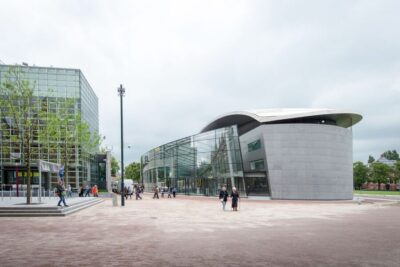 ★ 4.7Van Gogh Museum TicketFrom $3252,054 reviews
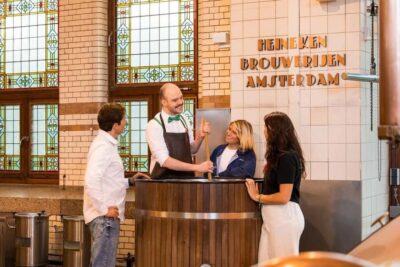 ★ 4.6Heineken Experience TicketFrom $2830,055 reviews
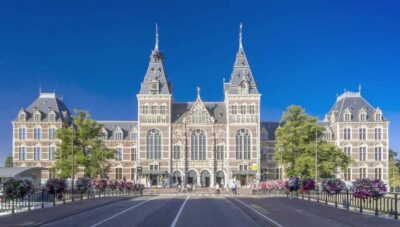 ★ 4.7Rijksmuseum Entry TicketFrom $3125,535 reviews
 ★ 4.2Icebar Entry Ticket with 3 DrinksFrom $2614,562 reviews
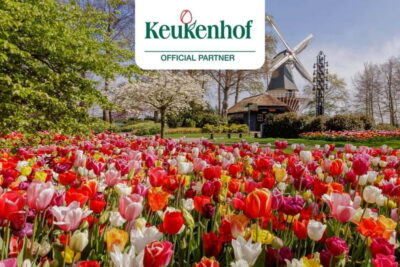 ★ 4.7Keukenhof Ticket and Roundtrip Shuttle TransferFrom $4011,799 reviews
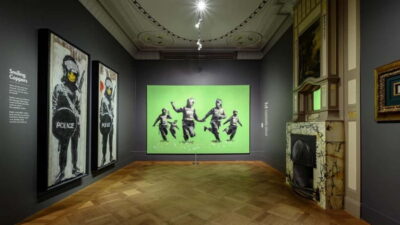 ★ 4.4Moco Museum Amsterdam Entrance Tickets with Banksy & MoreFrom $1810,088 reviews
 ★ 4.4The Upside Down Museum Entrance TicketFrom $249,506 reviews
 ★ 4.4Madame Tussauds TicketFrom $219,415 reviews