
REVIEW · AMSTERDAM CANAL CRUISES
Amsterdam: Museum of the Canals Ticket with Audio Guide
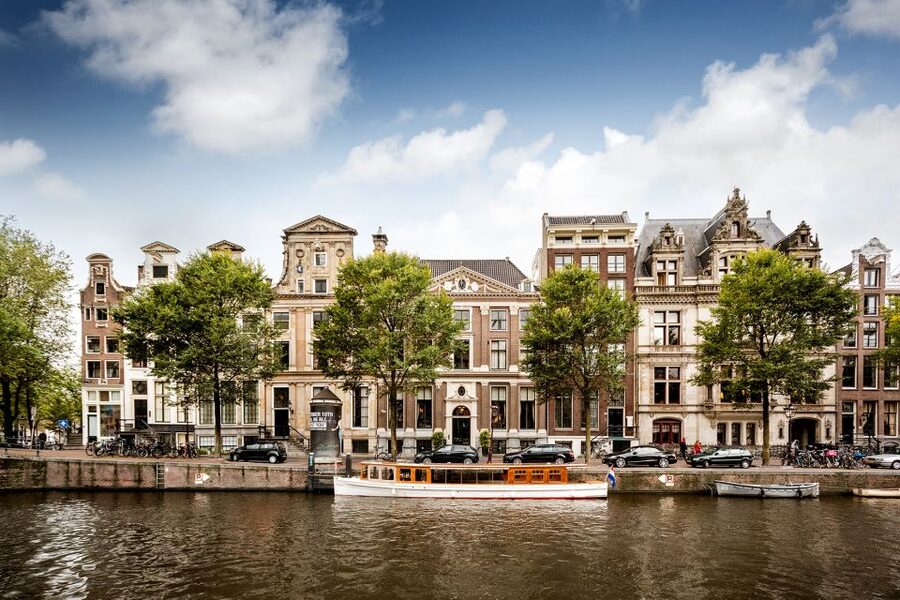
Canals tell Amsterdam’s real story. With the Museum of the Canals ticket, you see how the city thinks, moves, and trades through its waterways, inside a beautiful 17th-century canal house on the Herengracht. The classical rooms help you feel the setting, not just read about it.
I also love how the experience links canal history to canal importance today and for what comes next. The multimedia exhibition plus the audiotour makes it easier to understand why Amsterdam built canals in the first place, and why they still matter.
One drawback to consider: part of the presentation is clearly tied to dates and current references, and at least one visitor flagged that some on-screen material can feel outdated. If you get picky about timeline details, that could slightly dent the value for you.
Key highlights to know before you go
- Herengracht location in a historic canal house that feels like Amsterdam at street level.
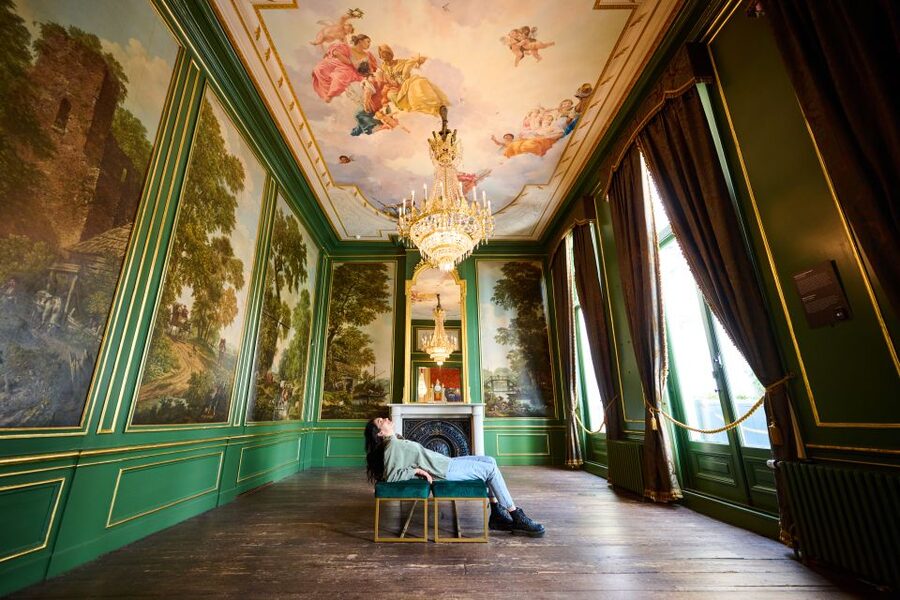
- Classical period rooms that make the canal story feel tangible, not abstract.
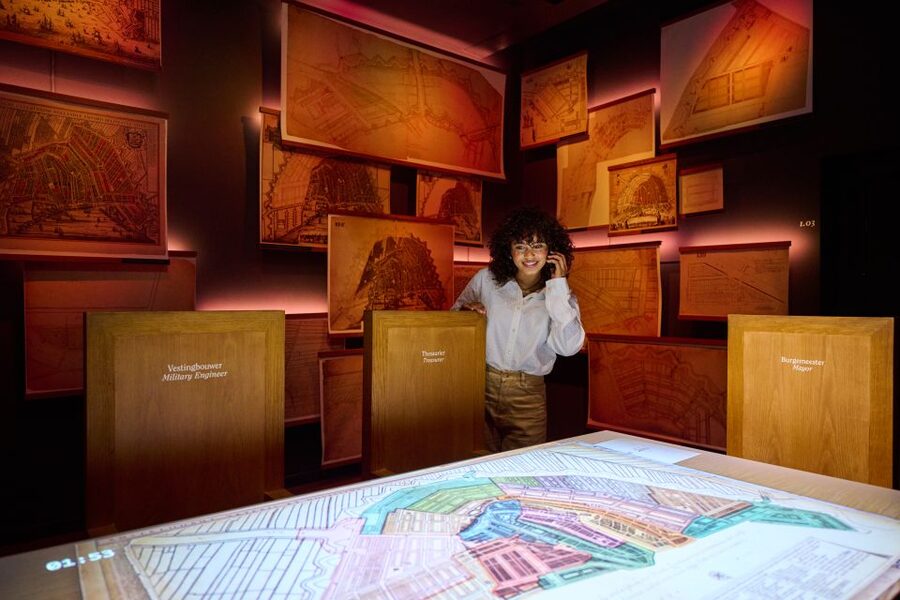
- Multimedia exhibition that tracks Amsterdam through the lens of the canals.
- Audiotour in many languages, so you can match the experience to your comfort.
- Permanent and temporary exhibitions that keep the visit from feeling one-note.
Other seats on the water, from open boats to covered salon cruises
Why Amsterdam’s canals matter more than you think
If you plan to wander Amsterdam for even a day, you will quickly notice two things: the streets are tight, and the water is everywhere. The Museum of the Canals turns that observation into an explanation. You come away with a clearer sense of what the canals did for daily life, including movement and city planning.
This is not just about pretty views from a bridge. The focus is the reason behind the canals and the role they play over time. That matters because Amsterdam can feel like a postcard unless you understand how the city actually works.
I like that the museum frames canals as both history and future concern. You are not trapped in the past. You get context for why the city still treats its waterways as essential infrastructure.
Entering the Herengracht canal house and its classical rooms
The museum is in the city center on the Herengracht, inside a 17th-century canal house. That setting is a big part of the value. Even before you hit the main exhibition, you get a sense of scale and style that connects the canal system to real buildings.
You are also walking through classical period rooms as part of the visit. That detail matters because canal history is not only boats and bridges. It is also about how people organized living and working space in a city built around water.
One practical advantage of a house museum like this: the experience stays compact. You can see a lot without needing a full day of big-city museum stamina. Your ticket is for 1 day, but you likely will not need to rush if you keep a steady pace.
The multimedia exhibition: 400 years told through canals
The museum’s main exhibition uses multimedia to trace the evolution of Amsterdam through its canals, taking you back roughly 400 years. That time range is the right size for a first look. Long enough to understand the big shifts, short enough that it does not turn into a lecture marathon.
The exhibition is built around a simple idea: canals are the heart of Amsterdam. To understand the city, you need to understand why they were created and why they continue to matter. Once you have that framing, the details start clicking.
Here is how I’d approach it for the best payoff. Watch and read each section once, then use your audiotour to catch the points you would otherwise miss. The audio helps you connect the visuals to meaning, like how a city organizes itself around water routes.
Also, remember this is a multimedia experience. Some elements may feel dated to you, depending on how sensitive you are to presentation style. If you love modern storytelling techniques, keep your expectations flexible.
Worth comparing with this Amsterdam choice:
- Amsterdam: Heineken Experience Ticket★ 4.6 · 30,055 reviews
- Amsterdam: Rijksmuseum Entry Ticket★ 4.7 · 25,535 reviews
- Amsterdam: Icebar Entry Ticket with 3 Drinks★ 4.2 · 14,562 reviews
- Amsterdam: Keukenhof Ticket and Roundtrip Shuttle Transfer★ 4.7 · 11,799 reviews
Using the audiotour well, without turning it into homework
Your ticket includes an audiotour, with languages offered in Dutch, English, German, French, Spanish, Italian, Russian, Japanese, and Chinese. That is a generous spread, and it’s one of the smartest parts of the ticket. You can choose the language that keeps you engaged instead of forcing yourself to follow translations you do not fully trust.
Because the audiotour is included, you can set your rhythm. I suggest you do it in two passes in your head. First pass, follow the story line. Second pass, slow down only at the moments that explain why canals mattered, not just what the canals looked like.
You do not need to cram everything. The museum includes both a permanent exhibition and temporary exhibitions. If you try to sprint through all of it with your audio blasting nonstop, you will likely lose the thread.
A small but real tip: start early enough that you can pause when a section grabs you. In a city like Amsterdam, a canal house can make you naturally slow down. Let that work for you.
Permanent exhibition plus temporary exhibits for variety
You can visit the permanent exhibition about the canals, plus temporary exhibitions that are on display at the museum. That combination is useful if you like variety. The permanent side gives you the foundation, while the temporary side adds a different angle.
This matters because canal history is huge, and no single museum can cover it all. Temporary exhibitions let the museum respond to new themes. Even if the core story is the same, you may walk away with a slightly different focus than you expected.
I treat that as a win for planning. It means you are not locked into a single narrative path. If you find yourself wanting more detail after the main exhibition, the temporary spaces can help you extend the experience.
Price and value: what about $22 gets you
The ticket price is listed at $22 per person, for a 1 day visit. For Amsterdam, that is in the realm of an affordable, focused attraction. You are not paying for a full-day paid tour bus or a long organized program. You are paying for entry into a historic setting plus the audiotour.
So what makes it worth your money?
- You get the setting: a 17th-century canal house on the Herengracht.
- You get the story tools: the multimedia exhibition and included audiotour.
- You get flexibility: permanent plus temporary exhibitions.
Compare that to tickets that only show you one room or only provide basic signage. Here, you have multiple ways to learn. Audio helps you understand. Multimedia helps you visualize. The historic rooms help you feel the place.
One more value check: the experience has a 4.7 rating based on 150 reviews. That kind of score usually means most people walk away feeling it delivered what they expected. Still, one caution flag popped up about dated presentation details for at least one visitor, so keep your expectations aligned with a museum that is educational first, not always slickest in tech.
How long it takes and how to fit it into a day
The experience is valid for 1 day, and you should check availability to see starting times. That implies you will likely pick a time slot and enter then, rather than wandering in whenever you want with no plan.
In practical terms, I think this works best when you plan it as a mid-morning or early afternoon stop. Amsterdam is easy to fill with canal walks and photo stops, but the museum gives you a structured break. If the weather turns, this kind of indoor, concentrated visit becomes even more convenient.
Also, because it’s in the city center, you can pair it with other walkable sights. Just avoid scheduling something immediately afterward that requires zero downtime. You may want a few minutes to digest what you just learned before you jump back onto the street.
Accessibility and practical comfort
This museum is wheelchair accessible. That is an important detail if mobility needs affect your planning. It also tells you the experience is designed to be visitable, not only a staircase-and-hope situation.
In terms of practical comfort, I’d treat it like a typical indoor museum visit inside an old canal house. Give yourself a bit of breathing room between sections so you can adjust to narrower spaces and any room-to-room transitions that come with historic buildings.
Who should book this canal museum?
This ticket is a good match if you want a clearer understanding of Amsterdam beyond the postcard version. If you care about how cities function, how infrastructure shapes daily life, or why water routes matter, you will likely enjoy the focus.
It also suits solo travelers. The audiotour gives you a self-paced way to learn without needing to keep up with a group. Language options are also a strong plus if you are traveling with someone who prefers a specific language, since many are available.
Families can also do well here, especially if you pick the audio language that keeps younger listeners engaged. The timeline and canal focus can be easier to follow than topics that jump around.
If you only want the quickest possible museum stamp, it might feel like more than you need. But if you like learning while standing in a real historic place, it fits nicely.
Should you book the Museum of the Canals ticket?
I’d book it if you want one ticket that explains Amsterdam’s canals in a way you can actually use while you explore the city. The combination of the 17th-century canal house on the Herengracht, the classical rooms, the multimedia storytelling, and the included audiotour makes it a strong value at $22.
I’d think twice if you are very sensitive to presentation details or you strongly prefer brand-new, fully modern multimedia. If you notice date-related elements that feel off, it can take the shine off the experience for you. But for most visitors, the core story about canals, past and future, seems to land.
If you’re planning to visit Amsterdam and you want the canals to feel like more than scenery, this is a smart stop.
FAQ
What is included with the Amsterdam Museum of the Canals ticket?
The ticket includes entrance to the Museum of the Canals, access to the permanent and temporary exhibitions, and an audiotour.
How long can I visit with this ticket?
The ticket is valid for 1 day. You can check availability for starting times.
Where is the museum located?
The Museum of the Canals is on the Herengracht in Amsterdam, in a 17th-century canal house.
What languages are available for the audio guide?
The audiotour is available in Dutch, English, German, French, Spanish, Italian, Russian, Japanese, and Chinese.
Is the museum wheelchair accessible?
Yes, the museum is wheelchair accessible.
What is the cancellation policy?
Free cancellation is available up to 24 hours in advance for a full refund.
More Tickets in Amsterdam






More Tour Reviews in Amsterdam




Canal Cruises, Three More Ways


Newly reviewed around Amsterdam





Amsterdam Canal Cruises, side by side.
 ★ 5.0Amsterdam Classic Saloon Boat Cruise with Drinks and CheeseFrom $2131,825 reviews
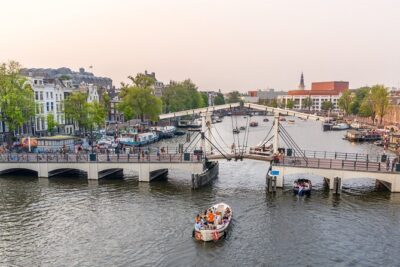 ★ 5.0Amsterdam Luxury Canal Cruise + Unlimited Drinks & Bites optionFrom $1830,518 reviews
 ★ 4.6Classic Boat Cruise with Optional Cheese & WineFrom $1822,925 reviews
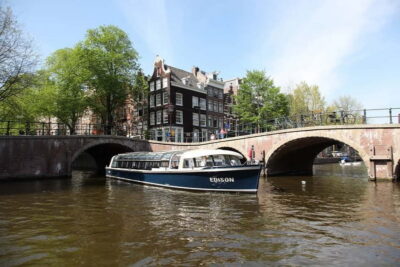 ★ 4.475 Minute City Canal Cruise with Audio GuideFrom $1717,501 reviews
 ★ 5.0Amsterdam All-Inclusive 90-Minutes Heated Cruise by Captain JackFrom $2716,101 reviews
 ★ 4.6Open Boat Cruise option Unlimited Drinks & BiteFrom $2215,046 reviews
 ★ 4.2City Centre Canal CruiseFrom $1812,827 reviews
 ★ 4.7Smoke and Lounge City Boat CruiseFrom $278,572 reviews
More ways to plan this visit