
REVIEW · CHEESE
Amsterdam: Make your cheese next to De Hallen
Turn milk into cheese in three hours. This hands-on class at De Kaasserie near De Hallen is interesting because you actually make two different cheeses, not just watch. I love that you learn the basic science behind two coagulation methods, and I love that you leave with a tasting you can judge for yourself, plus two cheeses to keep and recipes to use later.
One thing to consider: it is not suitable for lactose intolerance, and the only included drink is tea, no coffee or alcohol. If you’re hoping for a wine pairing, you’ll need to plan something nearby after the workshop.
Key Things to Know Before You Make Cheese
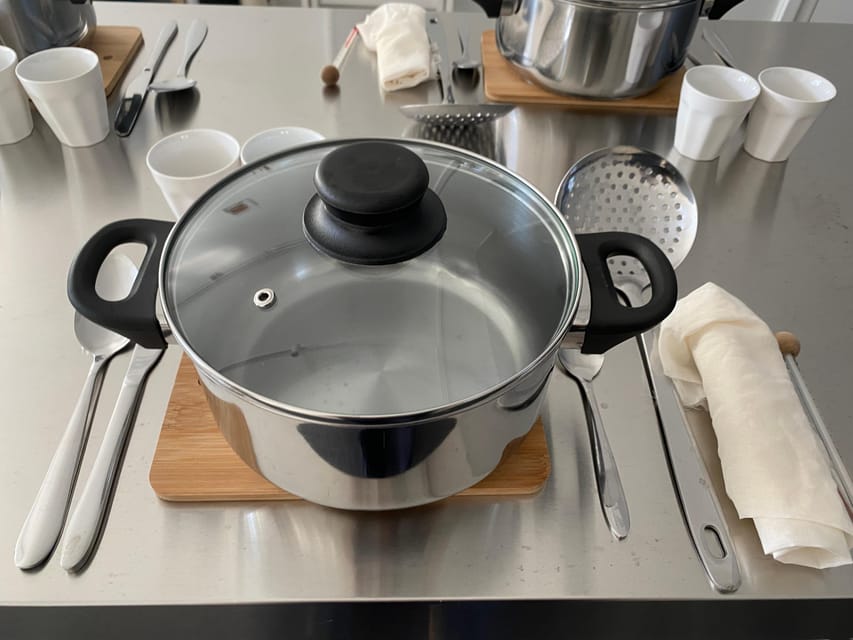
- Two coagulation types in one session, acid-coagulated fresh cheese plus rennet-coagulated cheese tied to aged recipes
- You make two cheeses from two liters of milk, so your hands get plenty of practice
- Spice and herb experiments let you personalize your cheese
- A guided tasting closes the loop, so you can compare what you made
- Small group up to 10 people, with an English-led workshop that also runs in other languages
- Take-home kit includes the cheeses plus cheese cloth, rennet, calcium, and emailed recipes
Worth comparing with this Amsterdam choice:
Make Your Cheese at De Kaasserie, by De Hallen
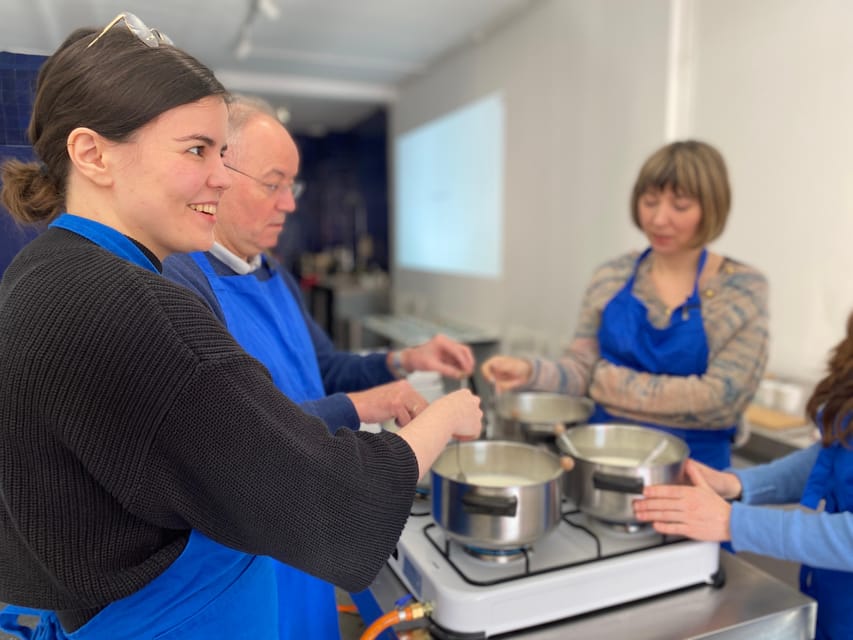
This is a cheese-making workshop in North Holland with a very practical starting point. You meet at De Kaasserie, close to De Hallen, which is a handy area if you’re already exploring Amsterdam. The setting works because it’s not a stuffy food lecture. The goal is simple: you learn the basics, you make cheese, then you taste what you produced.
Right at the beginning, you get a short introduction to the workshop and to how De Kaasserie does things. You also get a presentation that frames what comes next. A nice touch here is how the instructor runs the group, including quick introductions so you understand who you’re working with. That matters more than it sounds. In a hands-on class, it’s easier to ask questions when you already feel settled.
You’ll also start with tea, included with the session. So yes, you’ll be drinking something warm while you learn. No coffee or alcohol is included, which keeps the focus on learning and food, but it does mean you might want to grab your caffeine or cocktail elsewhere before or after.
Two Milks, Two Techniques: Acid-Curd and Rennet-Curd Cheese
The heart of this workshop is milk coagulation. In plain terms, coagulation is the step where milk goes from liquid to curds, and curds become cheese. The class teaches two basic types of milk coagulation, because they lead to different styles of cheese and different next steps at home.
Here’s the approach you’ll follow:
You use one liter of supermarket milk to make an acid-coagulated cheese. Acid coagulation is linked to fresh cheese styles. You use another liter to make a rennet-coagulated cheese, using the rennet method. Rennet coagulation is the same procedure used to make aged cheese. That’s the key idea the workshop wants you to understand: once you grasp rennet coagulation with a fresh cheese, you can build toward more complex, longer-aged recipes later.
The practical upside is that you get to compare both methods during one short session. You also make two pieces of cheese from two milk cartons, so it’s not a token craft activity where you only do half the work. In this class, the science is paired with real-world handling.
Why this matters for you: learning both methods gives you options. If you only learn one approach, you’re stuck with one style of cheese. With both, you can follow recipes with confidence because you know what changes the milk and what to expect next.
Your Hands on the Work: Making, Seasoning, and Waiting for Curds
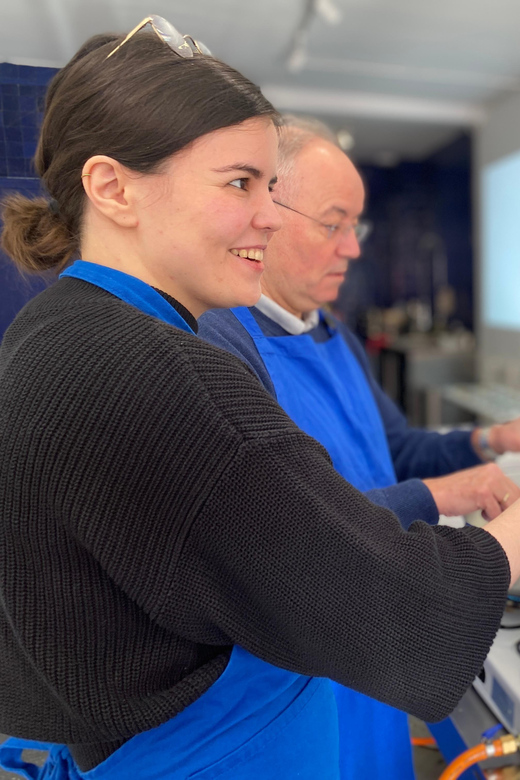
Cheesemaking has a rhythm: action, then waiting. This workshop follows that rhythm in a way that keeps you engaged. After the presentation, you move into the making stage where you can actually experiment.
You’re not limited to plain cheese either. You’ll get to add spices and herbs to your cheese. That’s fun, and it also teaches a real skill you’ll use again at home. When you change flavors, you’re not just chasing taste. You’re also learning how small ingredient changes fit into the process.
Since the class is limited to 10 participants, you typically get enough attention without feeling rushed. And if you’re the kind of person who likes structure, you’ll appreciate that Paula keeps things clear from start to finish. In past sessions, Paula has been described as personable and very good at guiding people through the steps. The group size helps her do that.
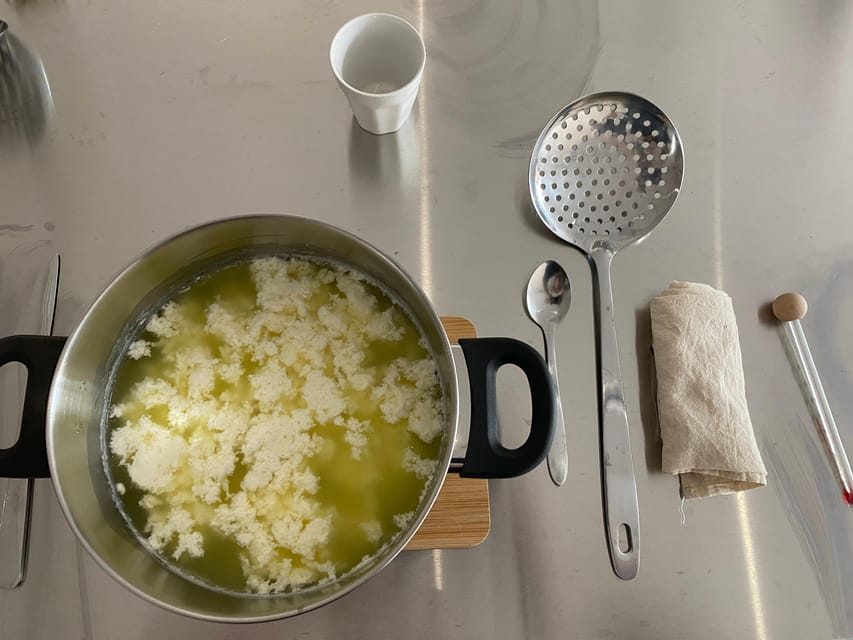
One small reality check: cheese doesn’t form instantly. You’ll spend time letting your curds set and your cheeses become ready for the finishing steps. That wait is part of the learning, not dead time.
- Amsterdam Classic Saloon Boat Cruise with Drinks and Cheese★ 5.0 · 31,825 reviews
- Amsterdam Luxury Canal Cruise + Unlimited Drinks & Bites option★ 5.0 · 30,518 reviews
- Amsterdam: Heineken Experience Ticket★ 4.6 · 30,055 reviews
- Amsterdam: Rijksmuseum Entry Ticket★ 4.7 · 25,535 reviews
Tasting What You Made, Fresh and Pressed
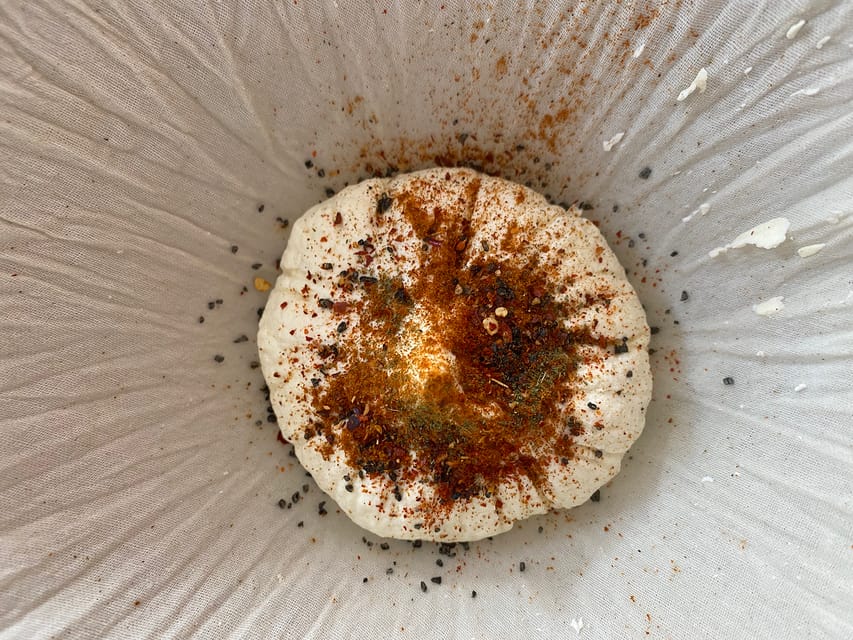
The session ends with a tasting of the cheeses you made. The tasting covers fresh and pressed styles, which makes the class feel complete. You’re not just leaving with homemade cheese and a recipe email. You’re also learning what the finished results feel like in your mouth, and you can connect that with what you did earlier.
This tasting matters because it’s how you start building your own palate. You learn which method you prefer, and you learn how your seasoning choices came through. If you plan to make cheese at home later, you’ll want that feedback loop.
Also, tasting in a small group tends to be calmer and more focused. You can ask quick questions, compare your results with others, and start thinking like a maker instead of just a customer.
Take Home Kit: Cheese Cloth, Rennet, Calcium, and Recipe Email
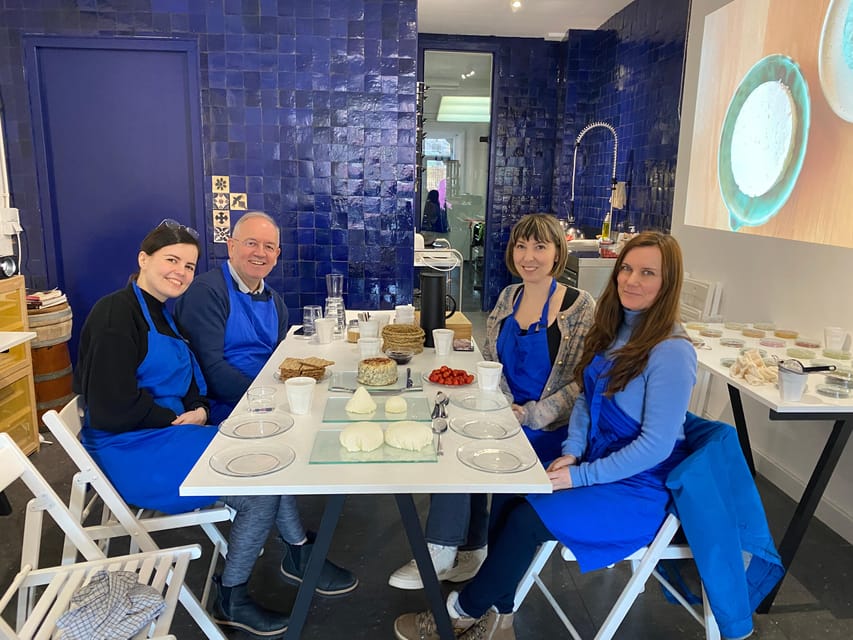
Here’s one of the biggest reasons this workshop feels like good value. You don’t just make cheese for the moment. You take materials home so you can keep going.
You’ll take with you:
- Two cheeses you made
- Cheese cloth
- Rennet and calcium
- Recipes by email
That take-home kit is the difference between a one-off experience and a skill-building workshop. The class is designed to act like a door into further cheesemaking, with the essential basics already explained and the key supplies already provided.
One more practical benefit: the rennet and calcium items plus the recipes make it easier to repeat the process at home without having to hunt everything down right away. You also leave with two cheeses, so you can compare acid-coagulated versus rennet-coagulated results in your own kitchen.
Is $135 Per Person Good Value for This 3-Hour Skill?
Let’s talk money in a realistic way. At $135 per person for a 3-hour workshop, you’re paying for four things at once:
- instruction on two coagulation methods
- hands-on cheesemaking with materials provided during the session
- a guided tasting of the cheeses you produced
- a take-home kit that includes both cheeses and specific cheesemaking supplies
If you’ve spent money on food activities before, you know that many are mostly about eating. This one is different. You’re paying for learning that carries forward. That makes the price feel more reasonable because the workshop gives you something you can use again, not just something you eat and forget.
Also, the small group size is part of the value. With up to 10 participants, you’re more likely to get answers during the process rather than waiting your turn for a quick check-in.
If you’re the type who loves DIY projects and wants a food skill with a clear payoff, the value equation usually lands in your favor. If you’re only interested in tasting cheese, you might find you want a more classic tasting-focused outing instead.
Best Fit in Amsterdam: Who Should Join, Who Should Skip
This experience fits best if you want an active, practical food lesson. It’s ideal for adults and older teens who like learning how ingredients change through technique, and who enjoy the satisfaction of making something tangible.
Based on the workshop rules, it is not suitable for:
- children under 16
- people over 95
- people with lactose intolerance
That lactose point is important. Cheesemaking here uses milk, and the workshop does not present a lactose-free alternative in the information you have.
Who should join:
- anyone who wants a lifelong craft skill, not just a one-time meal
- couples or friends who like doing something hands-on together
- visitors who want to experience Amsterdam beyond canals, bikes, and museums
Who might reconsider:
- if you need coffee or alcohol included, plan for tea only during the session
- if you want a fully relaxed tasting with no hands-on work, this is more work than a typical tasting event
Tips Before You Go, and How to Use What You Learn
Cheesemaking is one of those skills where small details can matter. You can get more out of the session by treating it like a mini masterclass, even though it lasts only three hours.
Here are the practical moves that will help you:
- Pay attention during the slide presentation and the intro to De Kaasserie. This is where the instructor sets expectations about the two coagulation methods and what to do with them at home.
- Watch how Paula explains the process step by step, then ask questions while you’re still in the making phase. That’s when answers stick the most.
- When you experiment with herbs and spices, think about what you want next time. Your tasting will help you remember what worked.
- After the workshop, use the emailed recipes right away. The class gives you the key supplies, and the timing helps the process feel familiar.
And one more realistic note: cheese is perishable. Plan to store your take-home cheeses properly once you’re done, and consider whether your next Amsterdam stop needs a refrigerator or ice pack situation.
Should You Book This Cheesemaking Workshop Next to De Hallen?
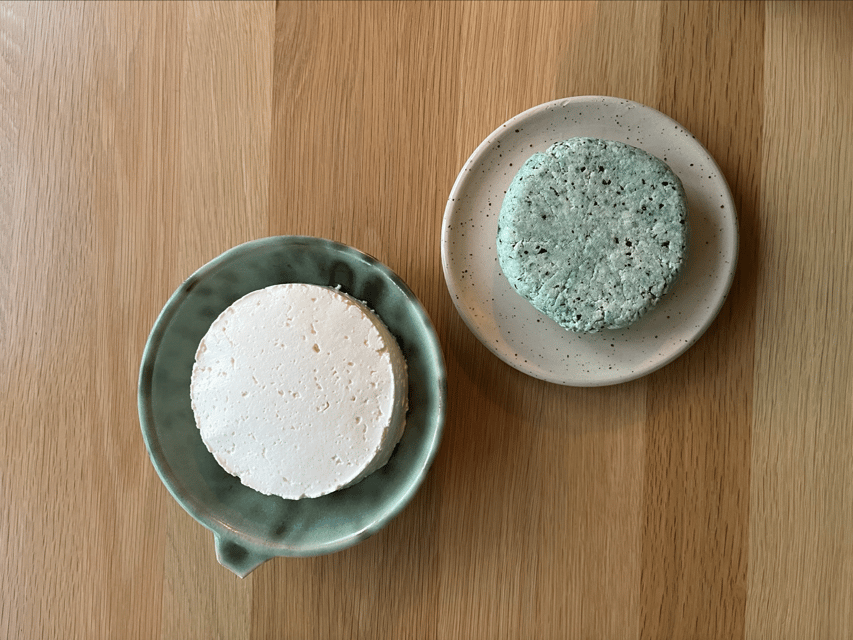
If you want an authentic food craft experience in Amsterdam that goes beyond eating, I think this workshop is a strong choice. You learn two fundamental cheesemaking techniques in one go, you get a guided tasting at the end, and you leave with two cheeses plus the basics you need to keep practicing at home.
Book it if:
- you enjoy hands-on learning and you like skills you can repeat
- you’re curious about the difference between fresh cheesemaking and the path toward aged cheese
- you want a small group experience with clear instruction, with Paula running the show
Skip or look elsewhere if:
- lactose intolerance is a concern for you
- you’re hoping for a beverage-forward experience with coffee or alcohol included
- you only want to taste, not make
Overall, this is the kind of activity that turns a visit into a story you can actually recreate later.
FAQ
Where is the workshop meeting point?
You meet at De Kaasserie. The meeting point may vary depending on the option you booked, but the workshop starts at De Kaasserie.
How long does the workshop last?
The duration is 3 hours.
How much does it cost?
The price is $135 per person.
What kinds of cheese will I make?
You will make two types of cheese: one acid-coagulated cheese and one rennet-coagulated cheese.
Will I be able to add flavors like herbs or spices?
Yes. You can experiment with adding spices and herbs to your cheese.
What do I take home?
You take home two cheeses, plus cheese cloth, rennet, calcium, and recipes sent by email.
What is included for drinks?
Tea is included. No coffee or alcoholic beverages are included.
What languages are offered?
The instructor can teach in English, Spanish, French, and Dutch.
Is it suitable for everyone?
No. It is not suitable for children under 16, people over 95, or people with lactose intolerance.
Is there free cancellation and a pay-later option?
Yes. You can cancel up to 24 hours in advance for a full refund, and there is a reserve now and pay later option.
More Cheese in Amsterdam
- Zaanse Schans Windmills, Clogs and Dutch Cheese Small-Group Tour from Amsterdam
★ 4.5 · 2,369 reviews



More Tour Reviews in Amsterdam


Newly reviewed around Amsterdam


Cheese, side by side.
 ★ 5.0Amsterdam Classic Saloon Boat Cruise with Drinks and CheeseFrom $2131,825 reviews
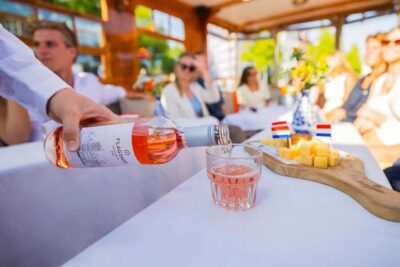 ★ 4.6Classic Boat Cruise with Optional Cheese & WineFrom $1822,925 reviews
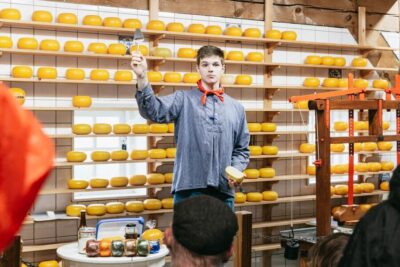 ★ 4.4Guided Zaanse Schans, Windmills & Cheese TourFrom $224,826 reviews
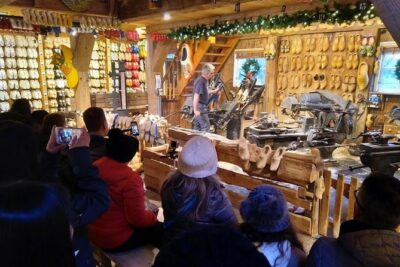 ★ 4.5Zaanse Schans Windmills, Clogs and Dutch Cheese Small-Group Tour from AmsterdamFrom $512,369 reviews
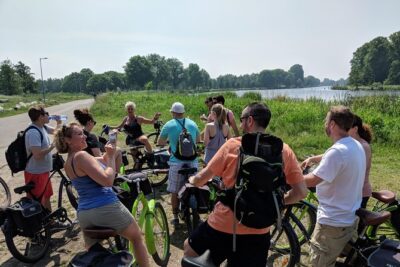 ★ 5.0Countryside Bike Tour from Amsterdam: Cheese, Clogs & a WindmillFrom $591,485 reviews
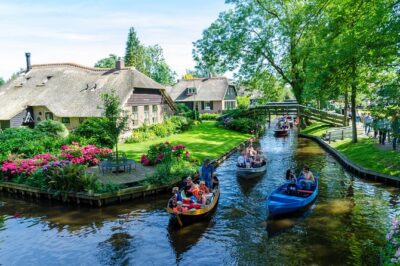 ★ 4.7Giethoorn Tour Scenic Cruise, Cheese & Free TimeFrom $751,461 reviews
 ★ 4.5Windmill, Cheese, and Countryside E-Bike TourFrom $431,166 reviews
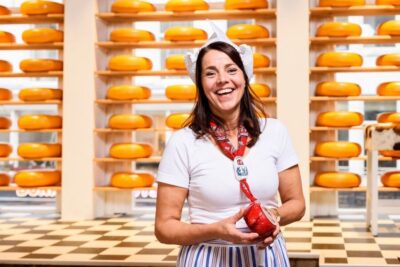 ★ 4.7Premium Henri Willig Cheese Tasting ExperienceFrom $211,106 reviews
More ways to plan this visit