
REVIEW · AMSTERDAM
Amsterdam: Kultour, Kulturelle Stadtführung mit Herz & Seele
A mosaic picturebook makes Amsterdam make sense. I love the way the tour uses the Beurspassage mosaic to turn messy history into clear stories, and I like the small group size that keeps things personal and question friendly. One drawback to weigh first: it runs rain or shine, so you should be ready for steady walking in real weather.
You meet at Beursplein/Damrak by Primark, then follow a German speaking guide through iconic areas and off-the-main-route details. The goal is simple, you finish with a better feel for Amsterdam’s past and present, not just a list of sights.
Key highlights before you go
- Beurspassage mosaic as the big visual guide for understanding the city’s story
- Architecture talk you can actually use while you walk and look
- Religion, monarchy, and the colonial past covered in plain, human terms
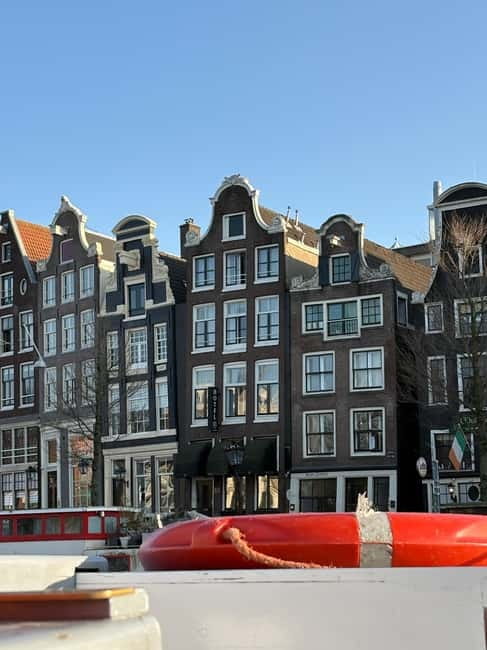
- Grachtengordel streets for real local rhythms and everyday life
- Limited to 10 participants, so you do not get lost in the crowd
Before fixing the day, compare this with a few well-reviewed Amsterdam alternatives:

A 2-hour story walk from Beursplein to the Grachtengordel
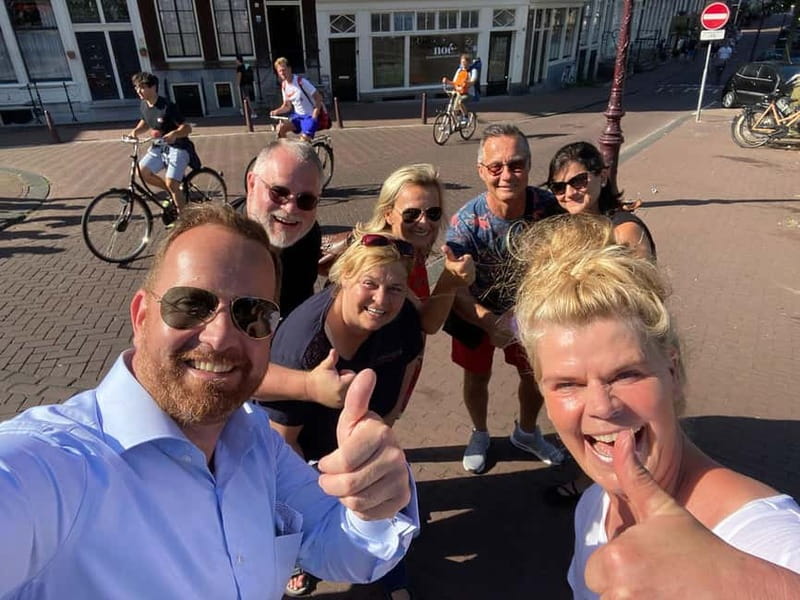
This tour works well if you want Amsterdam orientation without committing to a long museum day. In just two hours, you get a guided walk that connects major historical themes with the way the city looks and the way people live now.
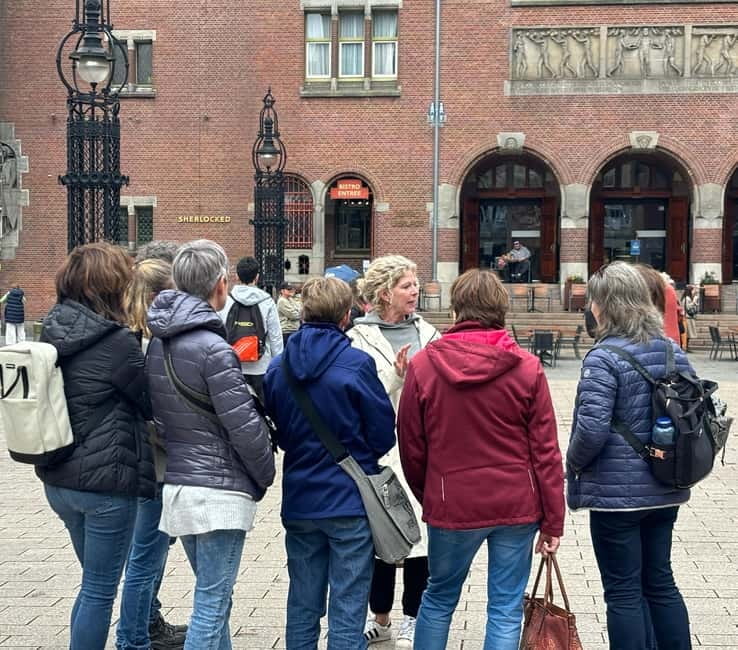
It starts at Beursplein/Damrak, right by Primark. Your guide is easy to spot, they wear a black and white striped band. From the first moments, the tone is cheerful and straightforward, the kind of guiding style that helps you connect dots fast.
The route stays manageable, and the length matters. A two-hour format is ideal when you are jet-lagged, crunched for time, or trying to choose what to do next. You also end back at the meeting point, so you are not stranded across town.
If you dislike walking, you should still consider it cautiously. This is a walking tour, outdoors, and it does not pause to hide from the weather. But if you bring comfy shoes, you will probably enjoy how quickly the city becomes less confusing.
The Beurspassage mosaic: Amsterdam history as one clear visual
The headliner idea is brilliant: Amsterdam’s history is told through the largest mosaic artwork in the Netherlands, the mosaic tied to the Beurspassage. Instead of hearing history in a lecture voice, you get a big, visual anchor that your guide can point to as the stories shift.
Think of it as a “story picture book” you walk through. Each historical theme lands better because you have something concrete to look at. It is also a smart way to keep momentum during a short tour. You are not waiting around for the guide to talk, you are looking and listening together.
What I like about this approach is that it turns abstract topics into scenes. The mosaic becomes the thread that connects what you see in the streets later. That means when you reach buildings and street art, you can interpret them with context instead of just snapping photos.
You should know this is not a quiet, museum-style stop. It is a lively explanation in the middle of the city, with history built for walking pace. If you enjoy connecting architectural details to real stories, you will feel right at home.
Religion, monarchy, and the colonial past, explained for real city life
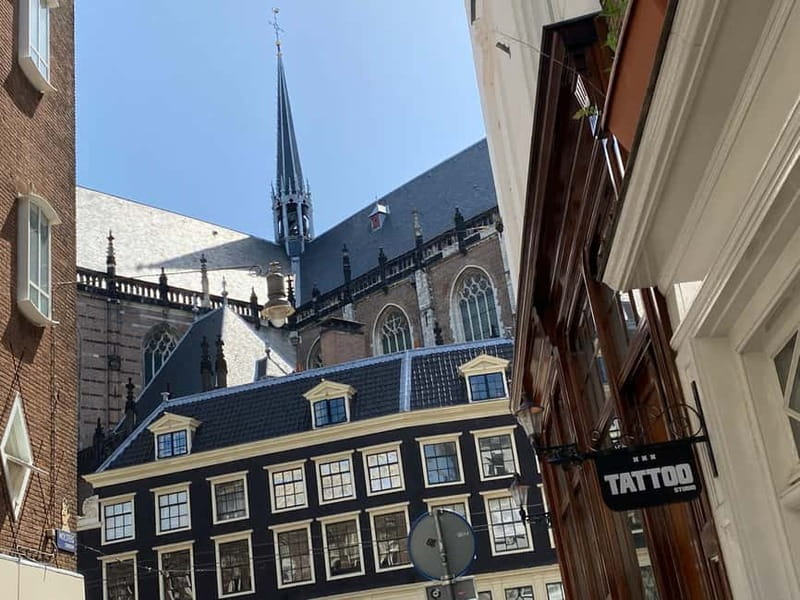
After the mosaic story foundation, the tour moves through historic building styles and architectural features you can spot in the area. Your guide connects what you see with bigger forces that shaped Amsterdam.
A key part of the narrative covers the influence of religion, along with how the city handled power and identity over time. You also hear about the monarchy and how that shows up in the broader story of the Netherlands. On top of that, the tour includes the colonial past, which is important context if you want to understand why Amsterdam became what it was.
One of the better values here is how the guide keeps these topics from feeling like textbook history. The style is informative and entertaining, and the pace is geared toward people who want meaning, not a timeline quiz. In a short two hours, it is a lot to cover, but the format helps it land.
You will also hear about street art and local building character. That matters because Amsterdam is not just canals and gables. The city is layers, old and new, official and everyday. When the guide frames those layers, you end the tour seeing more than you would from a brochure.
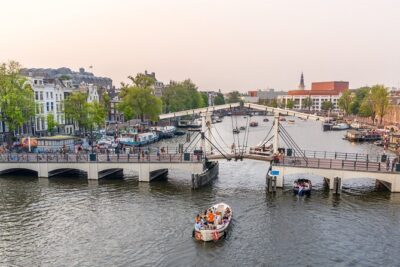
- Amsterdam Classic Saloon Boat Cruise with Drinks and Cheese★ 5.0 · 31,825 reviews
- Amsterdam Luxury Canal Cruise + Unlimited Drinks & Bites option★ 5.0 · 30,518 reviews
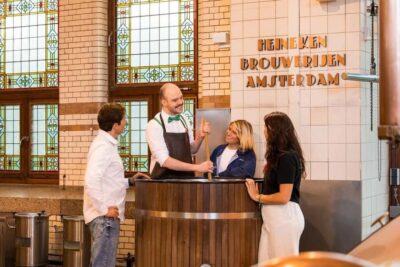
- Amsterdam: Heineken Experience Ticket★ 4.6 · 30,055 reviews
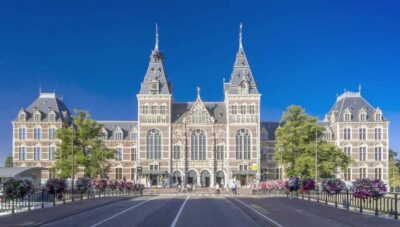
- Amsterdam: Rijksmuseum Entry Ticket★ 4.7 · 25,535 reviews
Historic buildings and architectural clues you can reuse
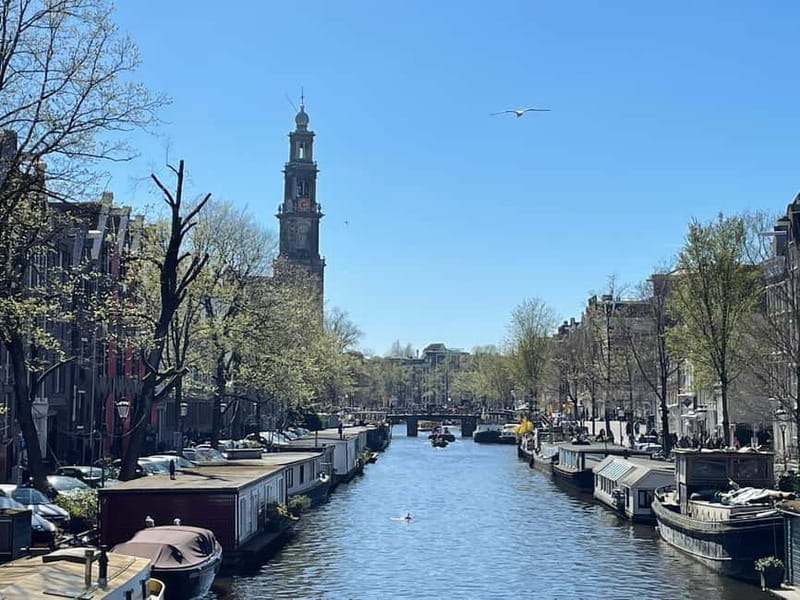
You do not just walk past pretty buildings. You get tools to notice what makes them distinct. The guide points out things like building style and architectural features, and explains why they look the way they do.
This matters because Amsterdam can feel visually similar if you rush. Once you learn what to look for, the city becomes easier. You start spotting clues about function, social history, and the way neighborhoods evolved.
The tour also includes street art, which helps balance the traditional sights. That mix is practical, it keeps the guide from focusing only on one kind of Amsterdam. You finish with a wider mental map of what the city cares about visually.
One more plus is that these stops fit the short duration. You are not pulled into long waits. You walk, you look, you learn, you move on.
Grachtengordel: seeing canal-house life from street level
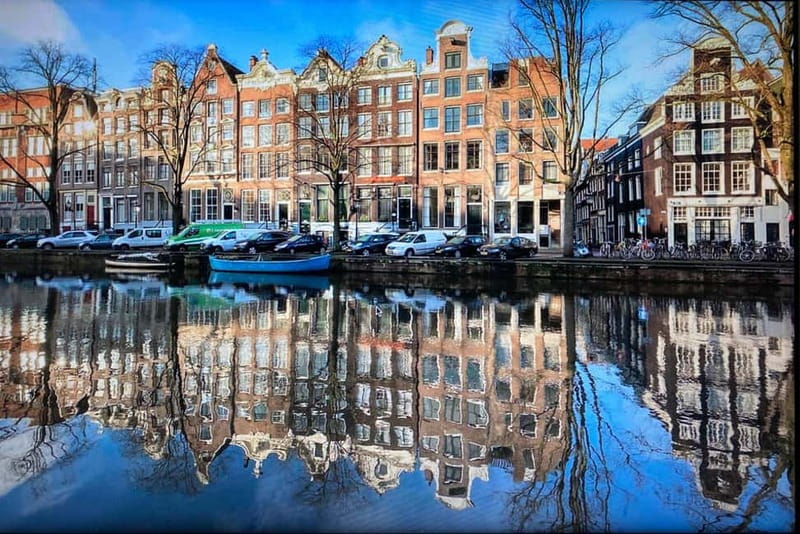
Next comes the Grachtengordel, the canal belt area where you can feel local life more directly. This part is less about grand explanations and more about seeing the city in motion.
The idea is that you watch residents go about their day. Your guide shares an insider perspective while you pass the streets and canal-side areas. It is one thing to see the canals from a distance. It is another to understand how people actually use the neighborhood, where the day-to-day rhythms happen, and how history shows up in living spaces.
What I find useful about this segment is that it helps you shift from “tour mode” to “I can navigate this” mode. When you have seen a place through a guide’s eyes, you tend to notice where you want to linger later.
Also, this is the kind of stop that helps you choose what to do next. After the tour, you usually know which streets feel most interesting for you, not just which ones are most famous.
German speaking guide and small group focus
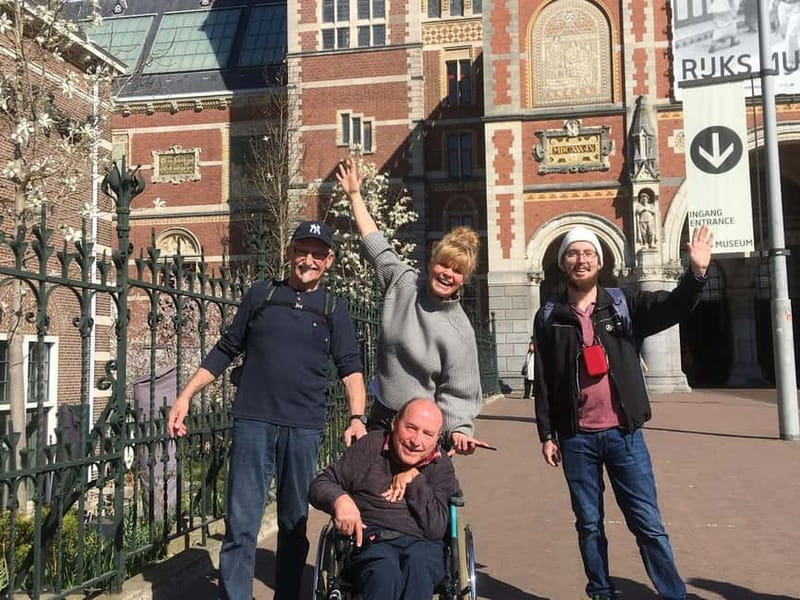
The tour is conducted in German. If you do not speak German well, you will still enjoy the sights, but the full value depends on your comfort level. If you are an English-only traveler, this is the biggest practical filter to check early.
On the positive side, the group is small, limited to 10 participants. That small size changes the feel. Questions and clarifications are more likely to happen. You also get a more guided pace, so you are not left trying to figure out where to look next.
I also like that it is run by Herzblut Amsterdam Stadtführungen. Local guide energy matters for walking tours. You want someone who understands how to translate city details into something you can carry through your day.
Price and what your $30 really buys
At about $30 per person for a two-hour walking tour, you are paying for three things: time, local storytelling, and a tight route that avoids wasted wandering.
You get a professional local guide, plus the guided walking tour itself. There are no entry fees included, and there is no food or drinks. That is actually a positive if you prefer flexibility. You are not locked into a set meal or forced into a ticketed attraction.
In value terms, this tour makes sense when you want context quickly. If you plan to visit museums or take other walks later, a two-hour history and culture primer can improve everything that follows. You will see architecture differently, you will understand why certain themes matter, and you will be more confident choosing where to go next.
If you already feel totally fluent in Amsterdam’s history and you prefer independent roaming with minimal structure, then $30 might feel like less of a bargain. But for most first-timers, or anyone who wants a cleaner mental framework, it is a reasonable spend.
What to bring, and how to handle Amsterdam weather
This tour happens rain or shine. So you should treat weather as part of the plan, not a surprise.
Bring:
- Comfortable walking shoes
- Water
- Comfortable clothes
- Outdoor clothing suited to wind and rain
Also, you cannot bring luggage or large bags. Keep your load light. If you are coming from the station, it is smart to have already stashed bigger bags before you start.
One more rule to note: intoxication, alcohol, and drugs are not allowed. That is standard for many city tours, and it helps keep the group safe and enjoyable.
Mobility, wheelchair access, and who should think twice
The listing says the tour is wheelchair accessible, but it also notes it is not suitable for people with mobility impairments. That is a real contradiction, and it is worth acting on before you book.
In plain terms: you are looking at an outdoor, walking-focused route. Surfaces and walking demands can vary, so if mobility is a concern, contact the provider and ask how they handle your specific situation. Do not guess.
If you are generally able to walk comfortably for two hours, you should be fine. If you need frequent breaks or have difficulty with uneven sidewalks, do your homework first.
Who this Kultour tour is best for
This experience fits best if you:
- Want Amsterdam history and culture explained in a friendly, entertaining way
- Enjoy architecture and want the “why” behind what you see
- Like small group guiding rather than big bus-style tours
- Prefer a short format that still feels meaningful
It also works well as a first or second day activity. You get enough context to shape your later plans, like which neighborhoods to revisit and which themes you want to explore deeper on your own.
If you strongly dislike history talk, this may feel like too much story for the time. But if you enjoy learning, even in small doses, the mosaic-centered format helps keep attention.
Should you book this tour?
I think this is a solid booking for many visitors, especially if you want a short, human-scaled way to understand Amsterdam. The standout strength is the Beurspassage mosaic as a visual teaching tool, plus the fact that the guide connects big themes like religion, monarchy, and the colonial past to what you can actually see while walking.
Book it if you like small groups, you can handle German guidance, and you want a better framework for the rest of your Amsterdam days. Skip or reconsider if German is a deal breaker for you, or if weather and walking time would be a problem.
If you do book, wear comfortable shoes, keep your bag small, and show up ready to look closely. Two hours can go fast when you are sightseeing, and this tour makes that time count.
FAQ
How long is the Amsterdam Kultour walking tour?
The tour runs for 2 hours.
What language is the guide speaking?
The live tour guide speaks German.
Where exactly do I meet the tour guide?
Meet at Beursplein/Damrak, opposite Primark. Look for the guide wearing a black and white striped band.
How big is the group?
It is a small group, limited to 10 participants.
Is the tour outside, and does it run in bad weather?
Yes, it takes place rain or shine, so you should dress for the weather and wear comfortable shoes.
What is included in the price?
The price includes a guided walking tour and a professional local guide.
Is food or drinks included?
No, food or drinks are not included.
Can I bring luggage or a large bag?
No, luggage or large bags are not allowed.
Is the tour wheelchair accessible?
It is listed as wheelchair accessible, but it is also noted as not suitable for people with mobility impairments. If mobility is a concern, it is best to confirm fit with the provider before booking.
What are the cancellation and payment options?
You can cancel up to 24 hours in advance for a full refund. There is also a reserve now & pay later option, so you can book without paying immediately.