REVIEW · AMSTERDAM
Amsterdam: Cultural Highlights in English/German/Italian
Amsterdam’s stories fit nicely on foot.
I like the focus on major sights with context, not just photo stops, and I also love that you get free access points throughout the walk so the day stays simple. One thing to consider: it is a short 2-hour route, so you will spend more time looking at the city from the sidewalk than going inside big attractions for long stretches.
The pace is built for real people. With a small group, you get time to ask questions, and you can pick a guide who speaks your language choice (German, English, and Italian are listed), which makes the history land faster. Names that came up include Deborah, Justin, Josh, Stephanie, Marina, Noeme, and Justus, and the common thread is clear explanations and extra details that help you keep going after the tour.
Plan your expectations around what is included, and what is not. This walk does not include the red-light district, it only passes along the southern side, and the tour also does not include a coffee shop stop. If you are hoping for a big museum day or a long indoor visit marathon, you will want a different plan.
Key Highlights to Know Before You Go
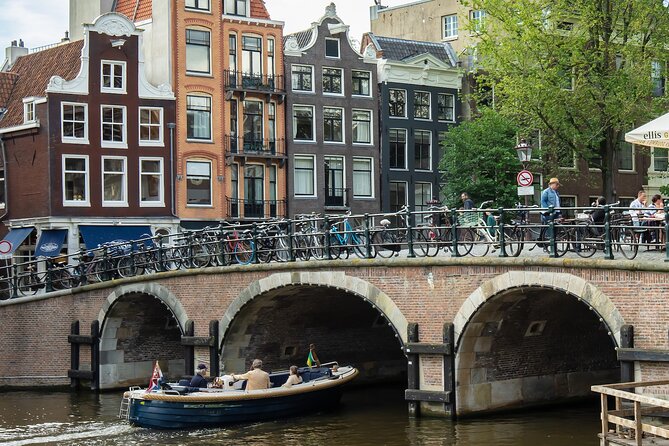
- Small group size (max 15) with time to ask questions and match the pace
- German or English tour, with Italian also listed, so most people find a comfortable language
- All stops are free and you will not pay admission fees during the tour
- Golden Age power points, from Beurs van Berlage to Amsterdam’s former post office at Magna Plaza
- Multiple identity histories, including Anne Frank’s area and a dedicated Gay Monument stop
- Practical end of tour guidance, with tips for the Negen Straatjes shopping area and Begijnhof details
Before fixing the day, compare this with a few well-reviewed Amsterdam alternatives:
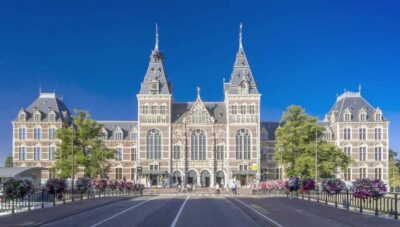
A 2-Hour Amsterdam Culture Walk That Gets You Oriented Fast
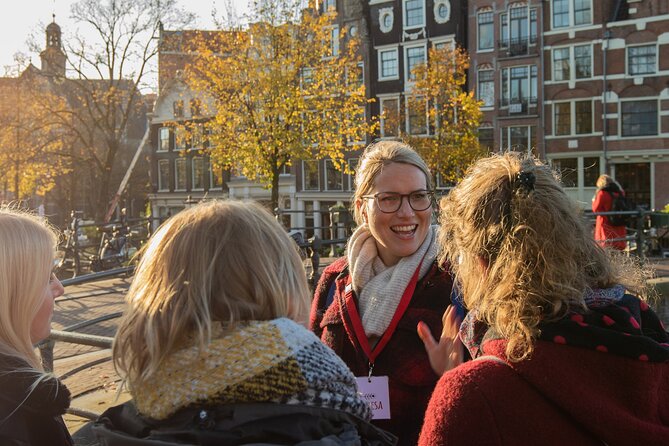
Amsterdam can feel like a riddle at first. The streets loop, the canals curve, and suddenly you are unsure what you are looking at, or why it matters. This 2-hour walking tour is built to fix that. You start at the National Monument on Dam, then move through key squares, churches, and story-rich corners at a comfortable walking pace.
Because it is a walking route of about 3 to 4 kilometers, you get to cover real ground without dealing with traffic, parking headaches, or transit hops. I also like that the meeting point and ending point are the same, so you can anchor your day easily. Bring comfortable shoes and something for warm weather, since the tour suggests water and a hat.
Most importantly, the tour is not one big lecture. It is a guided walk with short stops where the guide explains what you are seeing and how it connects to Amsterdam’s bigger themes. That is what helps the city stick in your mind.
Dam Square Origins, Old Town Power, and the City’s Early Shape
You begin at the National Monument, a natural starting landmark right on Dam. It sets the tone for the walk: Amsterdam’s present is tied to public places, civic spaces, and monuments people actually move through every day.
Then you hit Dam Square for the origin story. This stop is where the guide explains how Amsterdam was established and how the old town house and royal palace fit into the city’s early development. It is the kind of framing that makes later sights make sense. Instead of memorizing dates, you start to recognize patterns: Amsterdam grows, Amsterdam trades, Amsterdam shows off its wealth, and the center of it all stays around major public squares.
A good thing about this part is that it works even if you are not a “history person.” The guide connects the story to the location. And if your brain loves details, the guide’s explanations can give you small facts you can use when you wander later.
Beurs van Berlage and Magna Plaza, Where Wealth and Work Tell the Same Story
After Dam Square, you walk to Beurs van Berlage. This stop focuses on how Amsterdam became one of the world’s wealthiest cities during the Golden Era. It is a smart pivot because you move from origins into the era when the city’s money, architecture, and ambition started shaping everything.
From there, the route continues to Magna Plaza, the former post office. The guide explains why this building matters, and that is the key. You are not just seeing a pretty facade. You are learning how communications and commerce helped Amsterdam function like a machine. In practical terms, this makes the city’s modern layout feel less random when you later notice how canals, streets, and buildings connect.
If you like architecture, this pair of stops gives you a two-part lens: wealth and infrastructure. If you do not, it still works, because the guide ties the buildings to the daily life of the city during earlier centuries.
One small downside to know, though: most of what you experience here is visual and interpretive, not an all-day interior visit. If you prefer deep museum time, think of this as your story-setting act, not the final chapter.
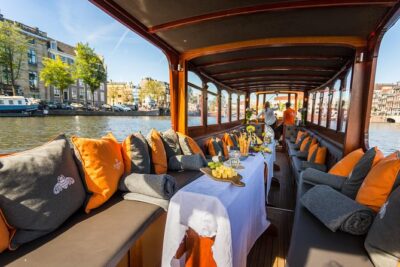
- Amsterdam Classic Saloon Boat Cruise with Drinks and Cheese★ 5.0 · 31,825 reviews
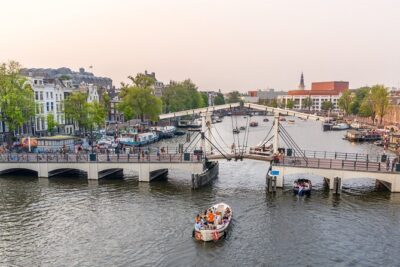
- Amsterdam Luxury Canal Cruise + Unlimited Drinks & Bites option★ 5.0 · 30,518 reviews
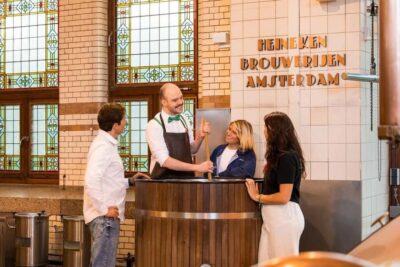
- Amsterdam: Heineken Experience Ticket★ 4.6 · 30,055 reviews
- Amsterdam: Rijksmuseum Entry Ticket★ 4.7 · 25,535 reviews
Nieuwe Kerk and Westerkerk, Churches That Help You Read the City
Next come the churches, starting with Nieuwe Kerk. The focus is on its history and why it is important for Amsterdam’s development. That matters because Amsterdam’s main story is not only trade and politics. Religion, civic ceremonies, and public space also shaped how the city grew.
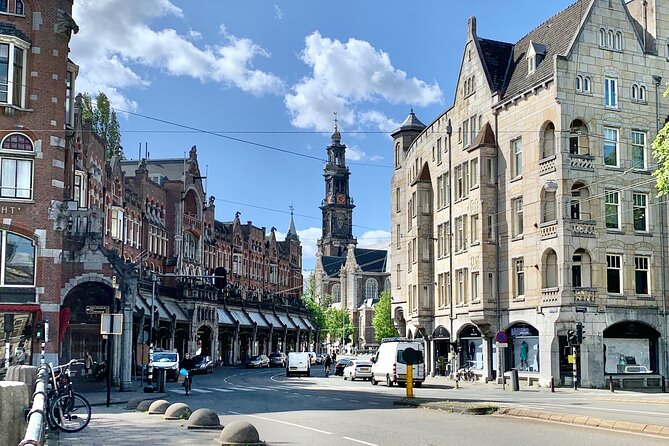
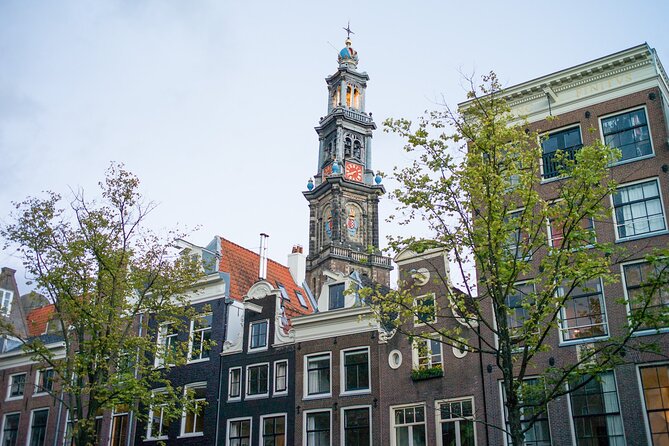
Then you move to Westerkerk, described in the tour as the biggest church in Amsterdam, with a connection to the Jordaan area. This is where you start to connect neighborhoods to landmarks. The Jordaan connection also helps you understand why some streets and corners feel like they belong to a specific part of town, even when you are walking through the broader city center.
This section also benefits from the guide’s pacing. Reviews often highlight that the guide takes their time and keeps the group moving at a manageable speed, even if someone walks slower. That is exactly what you want on a city walk, because you should enjoy the details instead of rushing to “keep up.”
Statue of Multatuli and the Colonial-Era Link to Literature
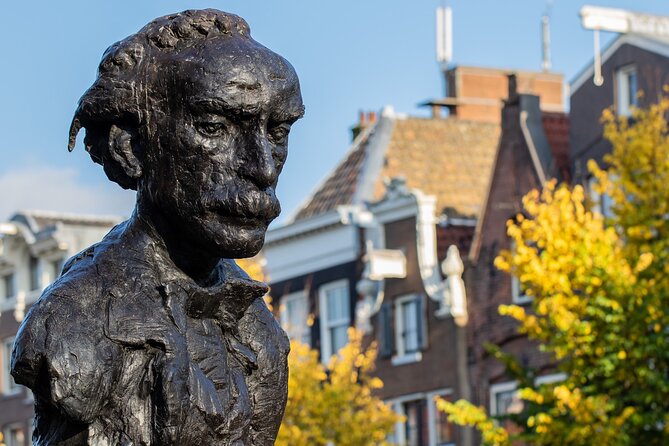
You will see the Statue of Multatuli with a story about Amsterdam’s colonial era and how it connects to one of the most important books of the country. This is a strong stop because it moves beyond the typical “pretty city” script.
Literature is part of how societies argue with their own past. By tying a public statue to a famous national book, the tour shows you how culture, power, and storytelling overlap in Amsterdam. It gives you a new question to carry into your reading and your conversations later.
If you want a tour that gives you context for the Netherlands as a place with layered stories, this stop helps. If you prefer only upbeat, you might find this section more serious, but the guide frames it as part of the full Amsterdam picture, not as a separate theme park.
Anne Frank’s Area, Jewish History, and What You See in Plain Sight
The walk includes the Statue of Anne Frank. The guide uses this stop to talk about Jewish history in Amsterdam and how Anne Frank and her family experienced their time here. Even if you have read about it already, this helps you anchor the story to a location in the city.
Important note for your planning: this tour includes the statue stop, not an extended ticketed attraction. One review did mention an Anne Frank House visit being affected, but what you can rely on from the route is the statue and the guide’s framing about the history.
If you want to visit the Anne Frank House itself, you should plan that separately. Think of this stop as a set-up: it helps you understand what you are seeing before you commit to a longer, timed entry later.
Gay Monument and the LGBTQ+ Story in Amsterdam
The route also includes a dedicated stop at the Gay Monument, with an explanation of the rich history of Amsterdam’s LGBTQ+ scene. This is one of the best “balanced city” choices on the itinerary. It keeps the tour from focusing only on political and architectural milestones.
Instead, it reminds you that social change also has physical markers in the city. It is a clear, on-foot way to learn how a community’s history becomes part of public space.
I like that this stop is integrated, not treated like an add-on. You walk from churches and monuments into a social-history point that feels equally important, and that makes the city come together as a whole.
Negen Straatjes Shopping Tips, Then Spui and the Begijnhof Detour
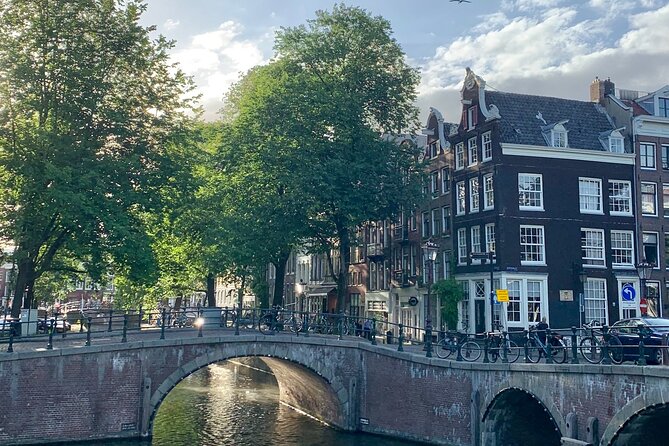
Near the end, you get to 9 Little Streets (Negen Straatjes). The tour is quick here, but the guide provides shopping tips so you know where to look after the walk. This is also a practical transition from “learning” to “doing,” because you will leave with concrete ideas of where to wander.
Then you finish at Spui, including a visit to the Begijnhof. The guide explains reformation in Amsterdam and asks you to try to spot a hidden church inside. You also get tips for hidden corners and what to look for after the tour.
This end stretch is ideal because it slows things down. Instead of trying to pack more “big headline sights,” you get a calmer pocket of the city to absorb. It is the kind of place where you feel like you are stepping into a different layer of Amsterdam.
Practical tip: if you are wearing shoes that look cute but hurt a bit, this part can be a deal-breaker. The tour is not long, but it is still a steady walk.
What You Pay, and Why the Free Stops Make It Worth It
The price is $33.88 per person for about 2 hours. That is a reasonable deal in a city where guided tours often add on admission costs. Here, the tour is set up so you do not have to pay admission fees during the walk, and the sights included are free to visit.
That matters for value in a very real way. You can budget your day without guessing which stops will cost extra. You also do not lose time to ticket lines during this portion of your trip.
The small group size, max 15 travelers, also helps justify the price. It usually means fewer people to compete with for questions, and more of a real conversation than a lecture.
One more small advantage: you get a mobile ticket. That sounds minor, but in day-to-day travel it reduces friction. You spend your energy on Amsterdam, not on figuring out where to stand with a paper voucher.
Language Comfort: German, English, or Italian Support
This is listed as a tour in German, and it also includes German and English speaking guide coverage. Italian is also listed as an option, so it is designed for more than one language group.
In practice, language is not just about understanding words. It affects whether you can ask follow-up questions. When you can, you learn faster, and you also leave with recommendations tailored to your interests.
The reviews reflect this kind of interaction. Several guides were praised by name, and people highlighted that the guide explained details clearly and answered questions as the group walked. That is the difference between collecting facts and actually understanding why a city does what it does.
Who This Tour Suits Best
You will likely love this tour if you:
- Want a first-day orientation that helps you plan your next 2 to 5 days
- Like history that is tied to buildings, streets, and public spaces
- Prefer a manageable walking length, about 3 to 4 kilometers, over a full-day marathon
- Want LGBTQ+ and Jewish history included in a standard Amsterdam route
- Appreciate practical recommendations for what to do after the tour, including Negen Straatjes
You might skip it if you only want major timed entries and long museum visits. This tour is a “get your bearings fast” experience, not a deep, ticket-heavy program.
Should You Book This Amsterdamliebe Walking Tour?
If you are trying to decide what kind of Amsterdam day to buy, I would lean toward booking this one if you want value, clarity, and context with minimal hassle. The free stops, short 2-hour timing, and small group format make it an easy win, especially when you want to understand Amsterdam’s Golden Age, its major churches, and how stories like Anne Frank and LGBTQ+ history show up in real locations.
If your must-do list is heavy on timed attractions, pair this tour with separate ticketed visits. This walk will give you the framing that makes those later visits feel more meaningful. And because the tour starts and ends at Dam, it slots neatly into almost any itinerary.
One last nudge: it is based on good weather. If the forecast looks rough, be ready to reschedule, since the tour states it requires good weather. For a city like Amsterdam, that is just good sense.
FAQ
What languages are available for this Amsterdam walking tour?
The tour is offered in German or English or Italian. Confirmation is received at the time of booking, and the experience is described as a walking tour with an English and German-speaking guide.
How long is the tour, and how much walking should I expect?
It is approximately 2 hours. The walking distance is about 3 to 4 kilometers, so comfortable shoes matter.
Where does the tour start and end?
The tour starts at National Monument Dam, 1012 JS Amsterdam, Netherlands. It ends back at the same meeting point.
How big is the group?
The tour is a small group with a maximum of 15 travelers.
Are admission tickets included for the stops?
You will not have to pay admission fees during the tour. All sights on the route can be visited for free.
Does this tour include the red-light district or coffee shops?
No. The tour does not include the red-light district, and it will only be passed at the southern side. The coffee shop is also not visited.
Is the tour suitable for children?
Yes, it is suitable for children.
What is the cancellation and weather policy?
You can cancel for a full refund if you cancel up to 24 hours in advance. If it is canceled due to poor weather, you will be offered a different date or a full refund, since the tour requires good weather. If you cancel less than 24 hours before, the amount paid will not be refunded.