REVIEW · AMSTERDAM
Amsterdam: Architektur Er-fahren
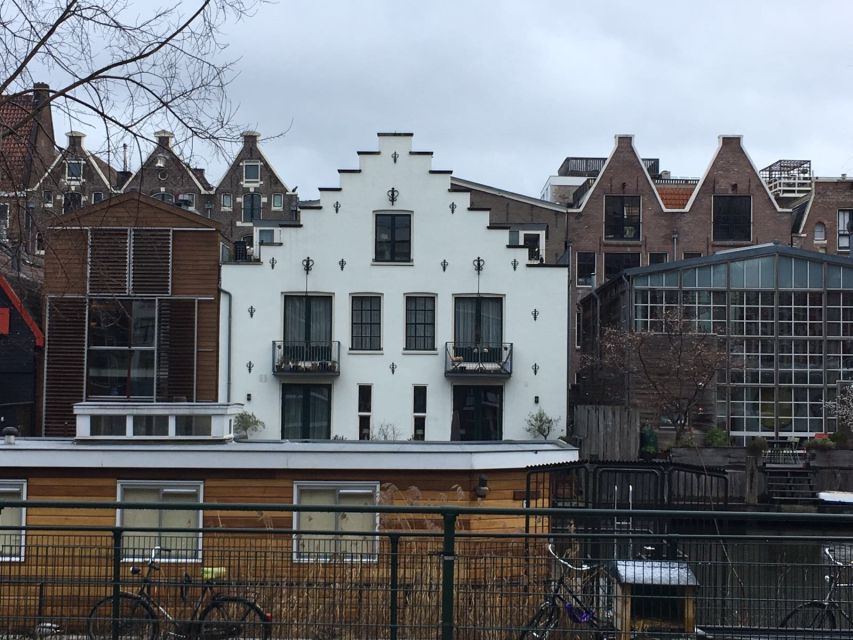
If you like buildings, Amsterdam by bike is a win. I especially liked how the route turns architecture into a moving lesson, from old grachten houses to modern projects dealing with water, land, and pressure. You’ll see houseboats, cycle out toward the Amsterdam Western Islands, and get the kind of practical design context you can use later when you wander on your own. One drawback: it’s not a sit-and-stare tour, so you need to be comfortable riding for the full 2.5 hours.
I also liked the guide style from Herzblut Amsterdam Stadtführungen. The tour is lively, with stories about Dutch life and the water that make the design details click. Still, keep in mind it runs in rain or shine, so you’ll want weather-ready clothes and a bicycle that feels solid on Amsterdam’s roads.
Key things I’d plan around on this architecture bike tour
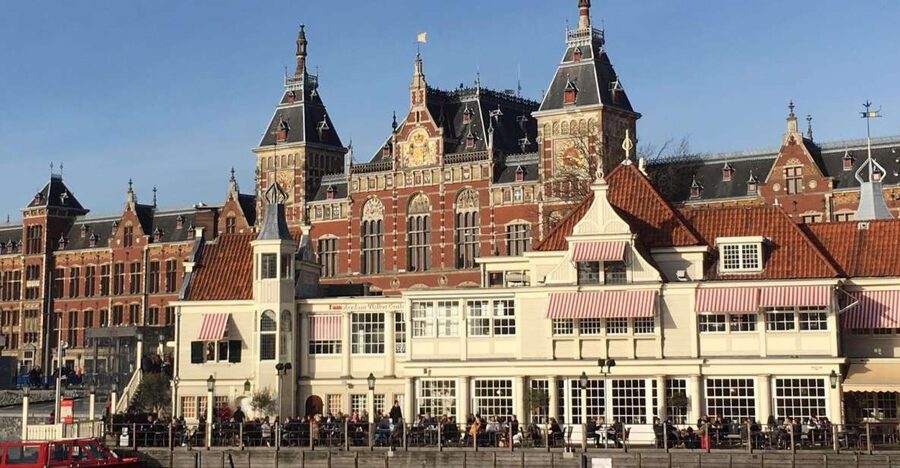
- Beursplein/Damrak to the IJ and Amsterdam Central: you start with water views, then roll into the city’s building logic.
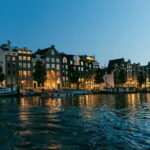
- Historic canals and warehouses, plus modern design: old waterfront function meets new architecture choices.
- Problem-solving architecture: land conditions, water, and a growing population are part of what you’ll learn.
- Houseboats up close: you get a visual lesson on floating life, not just a photo stop.
- Western Islands contrast: industrial edges versus more picturesque settings.
- Social housing plus luxury housing: the guide ties function and design to real needs.
Before fixing the day, compare this with a few well-reviewed Amsterdam alternatives:
Cycling From Beursplein to the IJ, Amsterdam’s “Building on Water” Setup
Most Amsterdam tours start with landmarks. This one starts with orientation. You meet at Beursplein/Damrak, and from there you cycle toward the IJ and Amsterdam Central, basically tracing the city’s relationship with water while you still feel fresh.
Early on, I like that you’re not just snapping photos. You’re riding along the waterfront, where you can actually see how Amsterdam’s canals and waterways shape streets, building edges, and even how neighborhoods feel. It’s a simple advantage: if you understand the geography first, the architecture later makes way more sense.
This is also where the bike becomes part of the story. On foot, you’d only catch fragments. By bike, the guide can point out patterns as you move, like how warehouses and canal-era structures face the water for work, trade, and daily life, while newer buildings respond to a different world of growth and constraints.
Historic Canal Houses and Warehouses, Why Their Layout Matters
Once you’re rolling past the older parts of the waterfront, you’ll get a clear sense of the “why” behind the look. Amsterdam’s historic canal houses and warehouses aren’t just pretty facades. Their shapes connect to practical needs: moving goods, living close to the water, and using space efficiently in a city that is constantly negotiating with land and water.
I found it especially useful that the guide doesn’t treat architecture as style-only. You’re encouraged to look at function: where the building meets the street, how the structure interacts with the canal edge, and why certain waterfront forms persisted even as the city changed.
There’s also a moment where the tour ties past change to present design. One of the tour’s memorable story elements includes a historic demolition being integrated into the narrative. That kind of detail matters because it reminds you that Amsterdam architecture is not frozen in time. The city keeps rebuilding, adapting, and rethinking what belongs on these sites.
Modern Projects and “Innovative Solutions”: How Amsterdam Builds for Real Constraints
This tour’s architecture focus is not only about showing you new buildings. It’s about explaining the constraints that force design decisions, and that’s where you get real value.
Amsterdam has problematic land conditions and constant water pressure. Add a rapidly growing population and you get a simple challenge: where do you put people, how do you maintain stability, and how do you build without pretending the ground and water will cooperate?
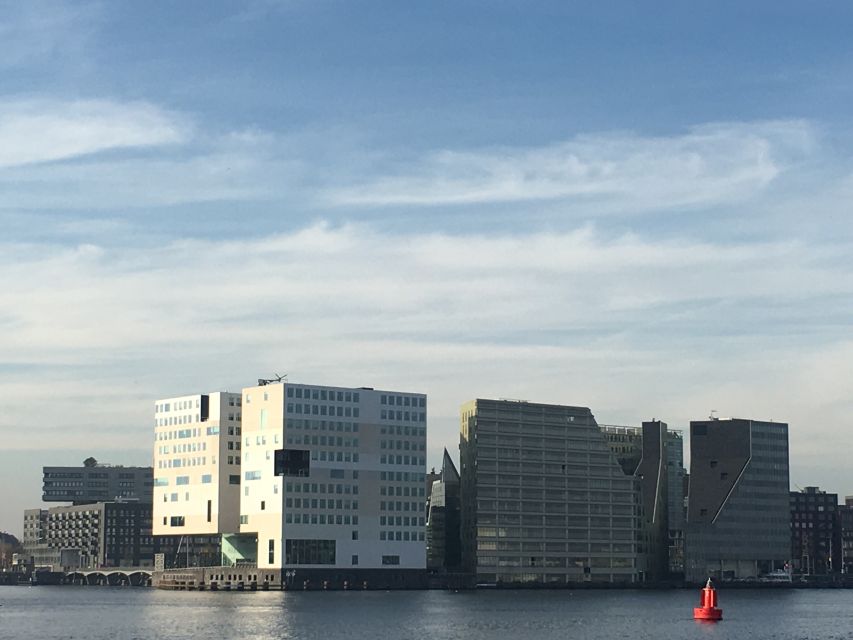
As you cycle, the guide connects those facts to visible design choices. You’ll see how modern architecture uses innovative solutions in both function and design. Even if you’re not an architect, you can follow the logic: the city has to solve engineering and social problems at the same time, and the result is buildings that look different because they’re doing different work.
If you want a tour that helps you understand what you’re looking at the next day, this is the type of thinking you’ll carry with you. I liked how the guide’s explanations felt transferable, so I could apply the same lens when I later noticed similar patterns in other neighborhoods.
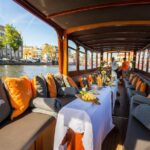
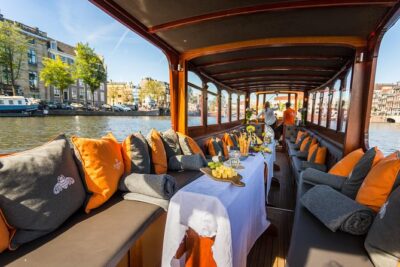
- Amsterdam Classic Saloon Boat Cruise with Drinks and Cheese★ 5.0 · 31,825 reviews
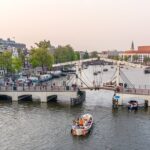
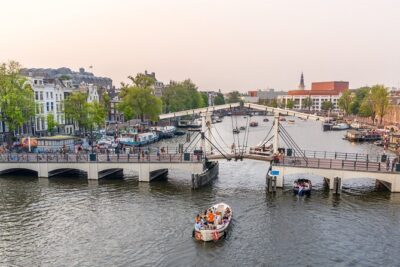
- Amsterdam Luxury Canal Cruise + Unlimited Drinks & Bites option★ 5.0 · 30,518 reviews
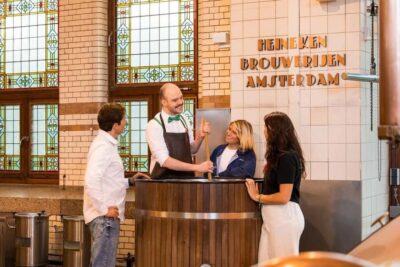
- Amsterdam: Heineken Experience Ticket★ 4.6 · 30,055 reviews
- Amsterdam: Rijksmuseum Entry Ticket★ 4.7 · 25,535 reviews
Houseboats: A Design Lesson You Can Actually See
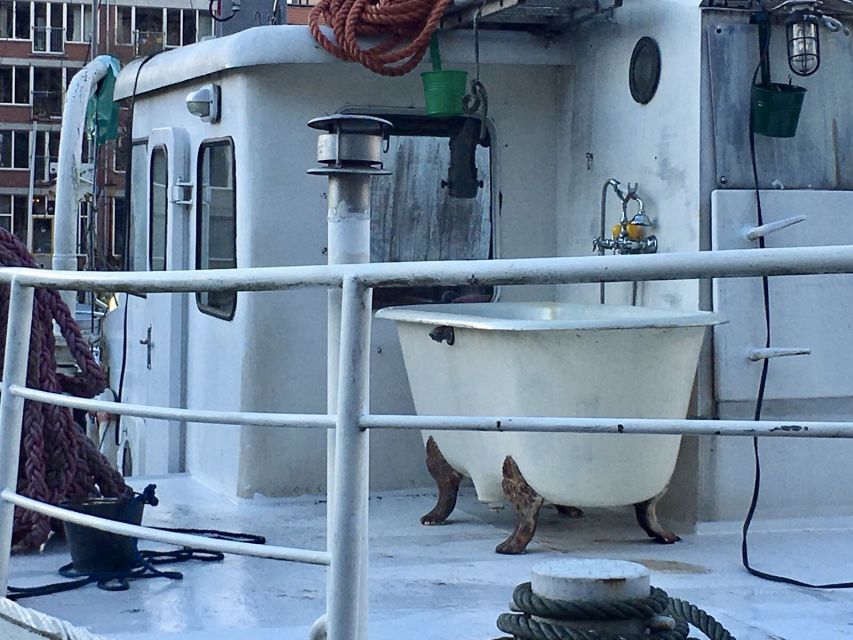
Houseboats are one of those Amsterdam icons that people either skip or only view from a distance. On this tour, you actively observe them as part of the city’s housing and waterfront system.
You’ll admire the houseboats along the way, and the point is not just that they look interesting. It’s that they show how flexible living arrangements can be when the city is shaped by water. They also help you understand why Amsterdam design choices often blend engineering reality with daily comfort.
I especially enjoyed the way the guide links water to daily life. It makes the floating setting feel less like a novelty and more like a housing strategy, even if you can tell the comfort level and design details vary from boat to boat.
Amsterdam Western Islands: Industrial Edges, Picturesque Contrasts, Real Working Space
The ride doesn’t stop at the most photographed areas. You also explore the Amsterdam Western Islands, and that’s where the contrast really lands.
You’ll observe the difference between industrial architecture and more picturesque building scenes. Industrial edges can feel stark, functional, even a little rough around the seams. Picturesque areas tend to reward a slower look, with tighter visual rhythm and more charming street-and-building relationships.
By biking through both settings, you get a sense of Amsterdam as a working city, not just a postcard city. That matters for architecture lovers because it changes what you prioritize. Industrial buildings and waterfront workspaces are as much part of the architectural story as the refined canal houses.
Housing Needs Meet Architecture: Social Needs and Luxury Side by Side
One of the tour’s core themes is housing. You’ll learn about the need for social housing, but you’ll also see how luxury housing gets built into the same broader growth picture.
I like this topic because it keeps the tour grounded. Amsterdam isn’t making architecture choices in a vacuum. When the population grows quickly, the city must expand housing. When the city is short on space and managing water conditions, the design challenge becomes sharper. The guide helps you see how that pressure can lead to new building forms and new planning logic.
The useful takeaway for you is mental, not technical. After this ride, you’ll be better at reading a neighborhood and understanding why a building looks the way it does, who it serves, and what constraints shaped the outcome.
What the 2.5 Hours Feels Like in Motion, and How to Prepare
This is a small group tour, limited to 10 participants, and that size changes the experience. You’re not lost in a crowd, so it’s easier to hear the German-speaking guide and to get quick context when you’re at a specific spot.
It also means the bike pacing stays manageable. You’ll cycle from the start back to the same starting point at the end, so it’s a loop that’s designed to keep you moving through the main architecture zones without feeling like you’re constantly doubling back.
Timing is part of the deal: 2.5 hours is long enough to connect the story from historic canals to modern projects and out to the Western Islands. But it’s not so long that you’re forced into fatigue. Still, you should expect real riding time, not just short rolls.
A few practical notes so you’re comfortable:
- Wear comfortable shoes and clothes suited to weather. The tour runs rain or shine.
- Bring water.
- You’ll want a functional, roadworthy bicycle since the tour depends on you having stable transport.
- It’s not suitable if you can’t ride a bike.
Also, the tour has a clear rule about behavior. Intoxication and drugs are not allowed, which is normal for a guided group ride and helps keep the mood friendly and safe.
Price and Value: Paying About $46 for Architecture That Teaches You to See
At around $46 per person for 2.5 hours, this is priced like an active guided experience. The big value question is what you’re getting for that cost beyond the bike ride.
Here’s what stands out as value:
- You get a guided biketour with lots of information and fun details.
- The guide is German-speaking, which can be a plus if you’re comfortable with German or want to practice listening.
- The framing is architecture-focused, so you’re not just sightseeing. You’re learning how to interpret what you see.
Bike hire is not included in the price. If you don’t already have a usable bike, budget for rental. You can usually find rentals for about €5 to €25, depending on shop and bike type. That wide range matters, because it can swing the true cost of the experience.
To me, the value feels strongest if you like architecture explanations you can carry forward. If you just want photos with minimal thinking, you might find this tour more satisfying than average, but less relaxing. For design-minded people who want context, it’s a practical way to spend a morning or afternoon.
Who Should Book This Architecture Bike Tour
This one is for you if:
- You can ride a bike confidently.
- You want to understand architecture through real constraints like water, land, and housing pressure.
- You like guides who tell stories and connect design to daily life.
It’s also a good fit if you’re the type who enjoys learning a way to look, not only visiting sights. One of the best described outcomes is that the knowledge helps you recognize patterns in other buildings during the rest of your Amsterdam time.
Should You Book Architektur Er-fahren in Amsterdam?
If you love Amsterdam buildings and you’re comfortable riding, I’d book it. The route is built for perception, not just sightseeing: water views early, historic canal logic in the middle, modern and problem-solving architecture as the theme, then a contrast shift toward the Amsterdam Western Islands.
Two things to consider before you commit. First, you need to be ready for bike time and weather, since it runs rain or shine. Second, factor in that bike hire might add to the cost if you’re starting without your own wheels.
If those are fine, this tour is a smart use of a short window. In about 2.5 hours, you’ll leave with a clearer architecture “language” for Amsterdam, including why the city builds the way it does when water and land are not gentle partners.
FAQ
What is the duration of Architektur Er-fahren?
The tour lasts 2.5 hours.
Where does the tour start?
You meet at Beursplein/Damrak. Your guide can be identified by a black and white striped band around their neck.
What language is the guided tour?
The live tour guide speaks German.
How big is the group?
It’s a small group, limited to 10 participants.
What is included in the price?
The price includes the guided biketour with lots of information and fun details.
Is bike hire included?
No. Bike hire is not included in the price. You can usually rent a bike from local shops, often for around €5 to €25, or get one from your hotel.
Does the tour run in bad weather?
Yes. The tour takes place rain or shine.
Do I need to bring anything?
Bring comfortable shoes, water, and weather-appropriate clothing. You should also have your own vehicle if required, and the bicycle should be functional and roadworthy.
Is it suitable for people who cannot ride a bike?
No. The tour is not suitable for people who can’t ride a bike.